The wolf loses protection in Europe: what changes, what does not and why it divides rural areas
Europe has lowered the wolf's level of protection after years of debate between farmers and conservationists. Does that mean it can be hunted? What happens in Spain? The answers, without slogans.
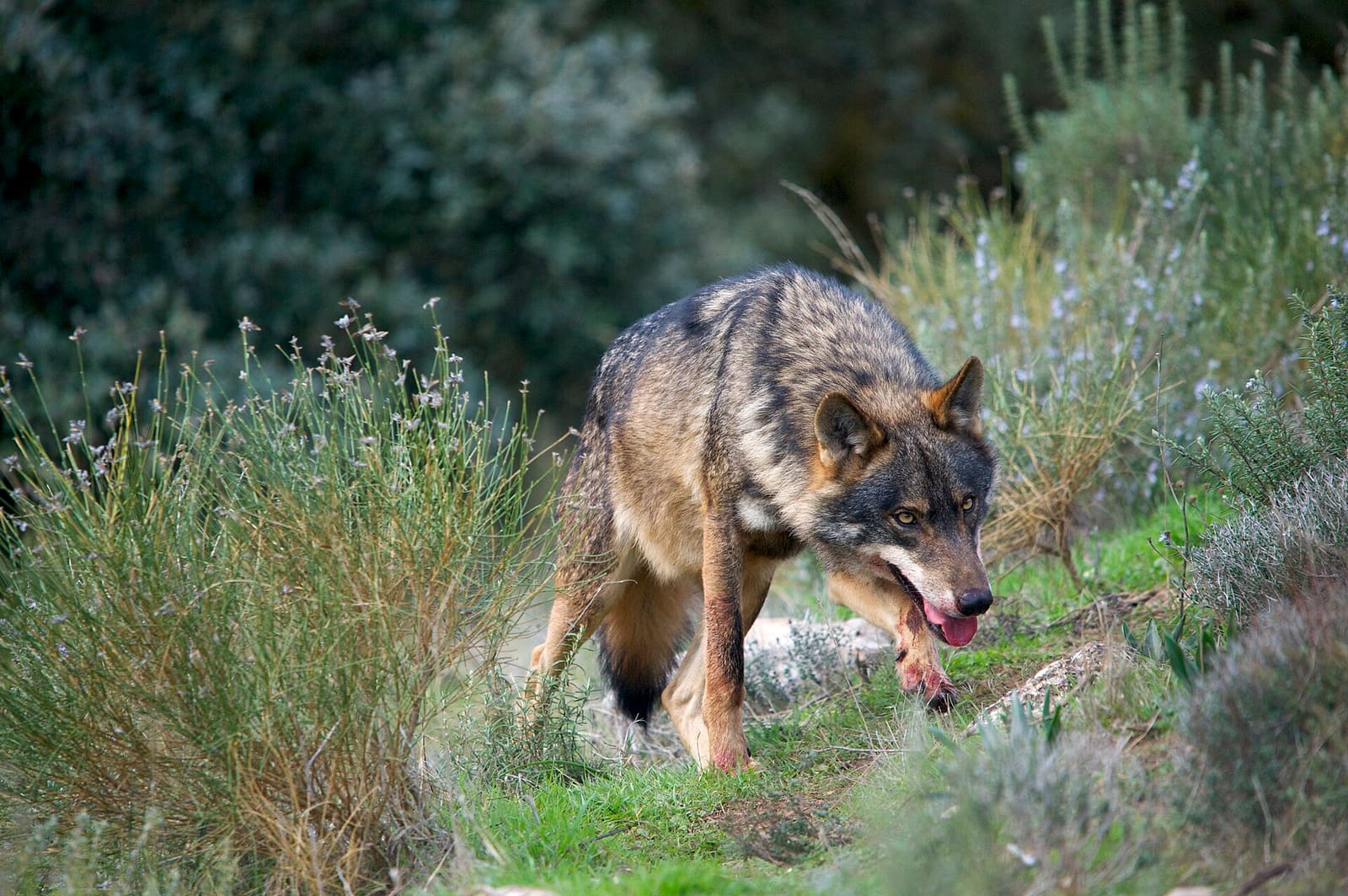
Few species stir up as much passion as the wolf. For some it is a symbol of wild nature restored; for others, an economic and emotional threat to extensive livestock farming. Between those two extremes, Europe has made a decision: to lower its level of legal protection.
What exactly has changed
There are two separate legal instruments that should not be confused:
- The Bern Convention, a Council of Europe treaty on wildlife conservation. In December 2024, its standing committee approved moving the wolf from “strictly protected” (Appendix II) to “protected” (Appendix III). The change took effect in March 2025.
- The EU Habitats Directive, which is directly binding on member states. In 2025, the European Parliament and the Council approved carrying the change over: the wolf moves from Annex IV (strict protection) to Annex V (species whose exploitation can be regulated).
What it means in practice
The key point is this: the change does not oblige anyone to hunt wolves. What it does is give each country more room to manage the species, including possible controlled culls, as long as its favourable conservation status is maintained. That last condition is still mandatory.
In other words:
- A country can keep strict protection in its national legislation if it wishes.
- If it decides to allow culls or hunting, it must show that the population remains in good condition.
- The European Commission continues to monitor the species’ conservation status.
The case of Spain
Spain has one of the largest wolf populations in Western Europe. The national census for 2021–2023 counted 333 packs, mostly concentrated in the north-west (Galicia, Castilla y León, Asturias and Cantabria).
In 2021, the wolf was included throughout the country in the List of Wild Species under Special Protection (LESRPE), which banned hunting it north of the Douro river as well. In 2025, a legislative amendment passed by the Spanish parliament allowed populations north of the Douro to be removed from the list, reopening the door to their management, including culls, by the regional governments.
The issue remains the subject of political debate, court challenges and technical discussion about whether the species’ conservation status in Spain is favourable or not. Follow up-to-date official information.
The debate is not “wolf yes or wolf no”, but how to coexist: with what support, what preventive measures and what limits.
What each side says
Farming organisations argue that attacks on livestock have become unsustainable in some areas, that compensation arrives late and that control capacity is needed.
Conservation organisations reply that the species has not yet recovered much of its historical range, that lethal control does not always reduce attacks (it can break up packs) and that prevention works better.
There is consensus on one thing: preventive measures —guardian dogs, fencing, night-time enclosures, surveillance— are key and need stable funding.
And for people heading into the hills?
For hikers and mountaineers, nothing changes in practice. The wolf remains an elusive animal that avoids people. If you want to know how to act in the rare event of an encounter, we explain it in what to do if you meet a wolf on a hike.
Sources and references
- Council of Europe – Bern Convention
- European Commission – Environment
- Spanish Ministry for the Ecological Transition (MITECO) – Wolf census
This is original editorial content based on the sources cited. Spotted a mistake? Let us know and we will fix it under our corrections policy.