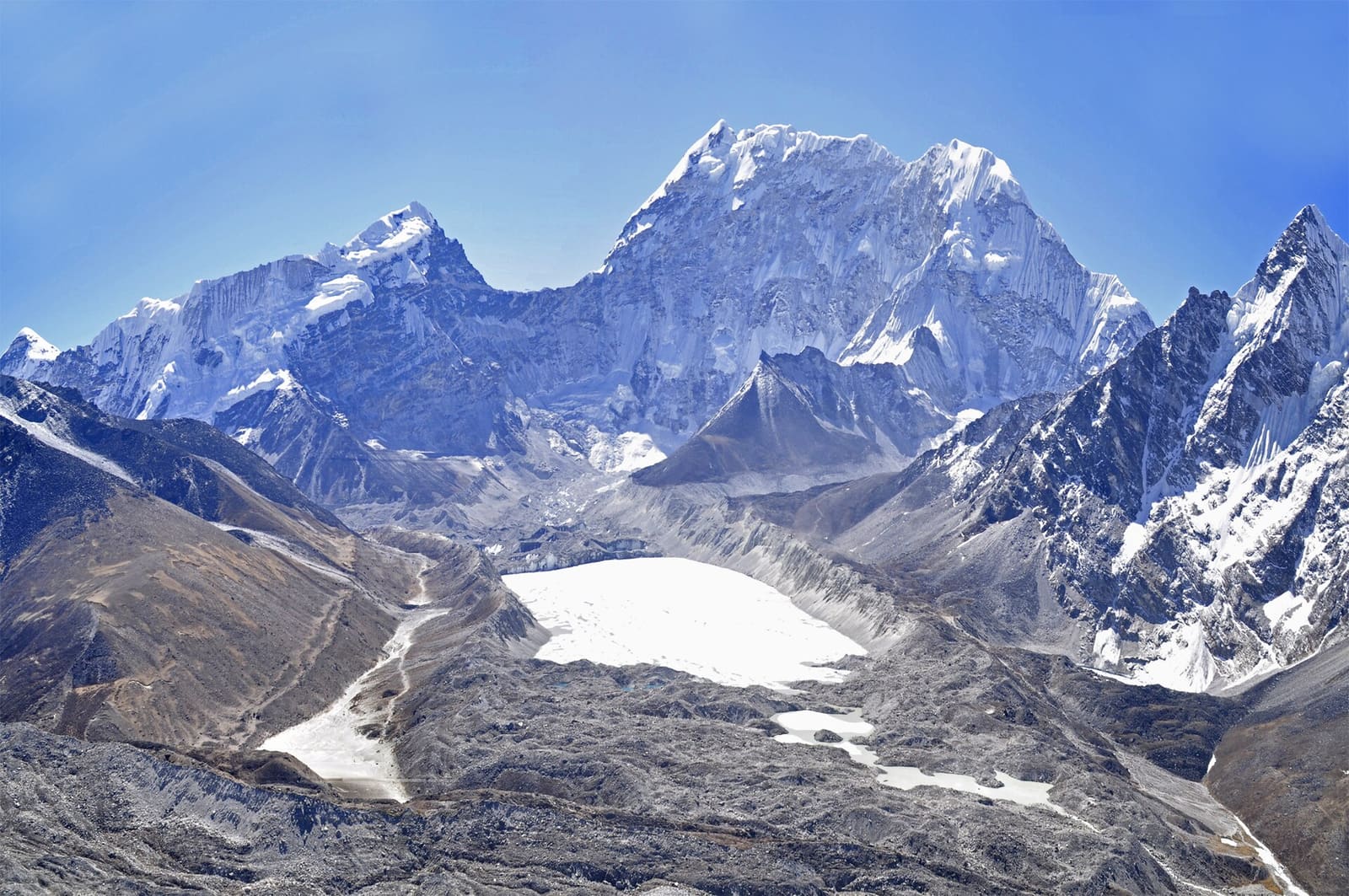
International Snow Leopard Day: the 'ghost of the mountains' is still at risk
Today is International Snow Leopard Day, created to protect the great cat of Asia's mountains. We look at how many are left, what threatens them and what works to protect them.
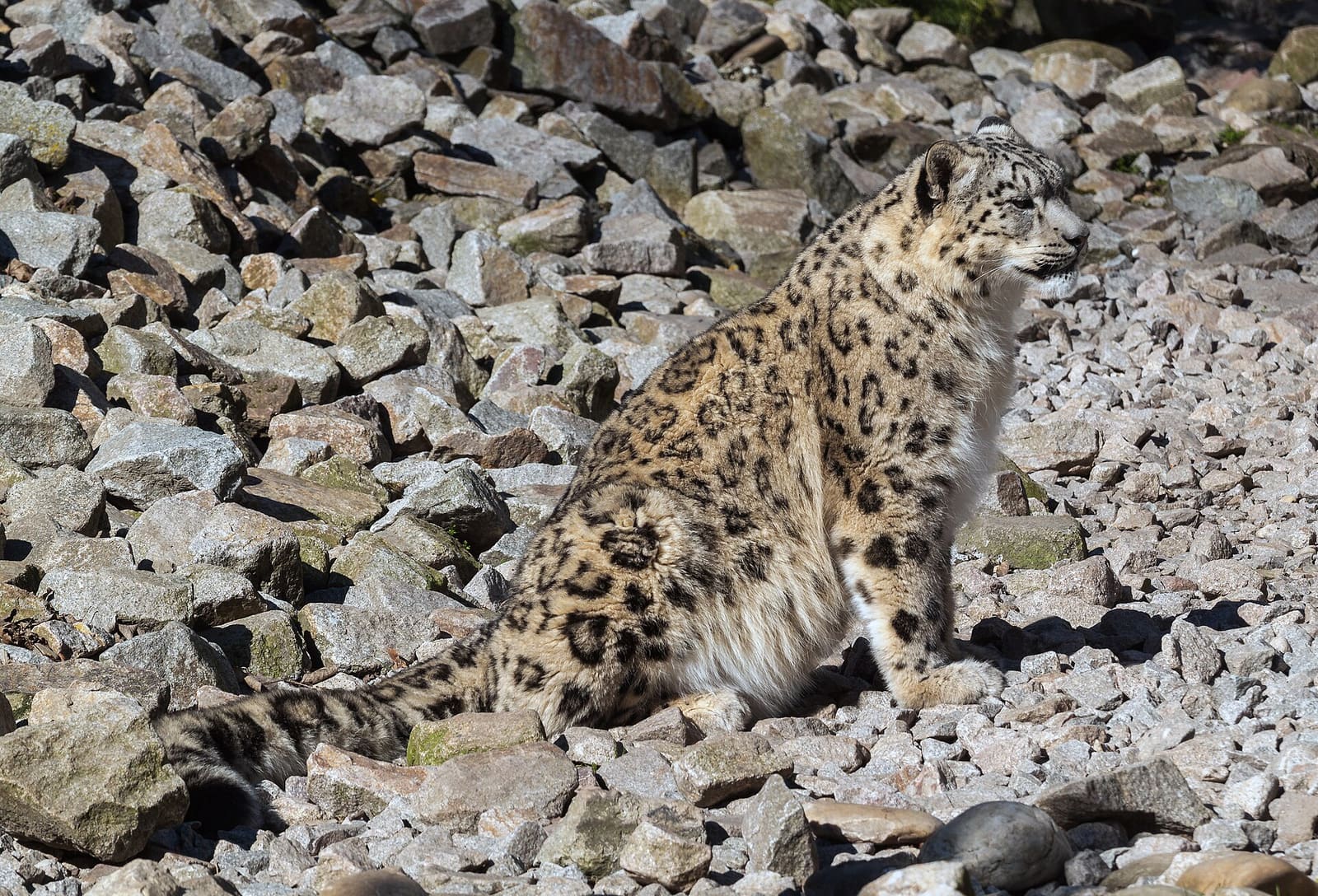
Today, 23 October, is International Snow Leopard Day. The date marks the Bishkek Declaration, signed on 23 October 2013 by the twelve countries where the cat lives, which committed to protecting it and its ecosystem; the day has been celebrated since 2014. More than a decade later, the “ghost of the mountains” still needs help.
How many are left
Counting an animal almost nobody sees is very hard. The most cited estimates put the world population at between 4,000 and 6,500 animals, spread across the mountains of 12 countries: Afghanistan, Bhutan, China, India, Kazakhstan, Kyrgyzstan, Mongolia, Nepal, Pakistan, Russia, Tajikistan and Uzbekistan. China holds most of its range.
The IUCN has listed it as Vulnerable since 2017, when it was downgraded from Endangered. That does not mean it is safe: it is still a threatened category, and some projections anticipate further declines in the coming decades.
What threatens it
- Poaching, for its skin and bones, used in traditional medicine.
- Retaliation by herders when it attacks livestock.
- Fewer prey, due to overhunting of wild ungulates such as bharal and ibex.
- Habitat fragmentation from mines, roads and infrastructure.
- Climate change, which may push the treeline upwards and shrink its alpine habitat.
A predator at the top of the food chain is a good indicator: if the snow leopard is doing well, so is the mountain.
What is working
The most effective initiatives combine science and local communities:
- Predator-proof corrals for livestock, which reduce attacks and retaliation.
- Livestock insurance run by the communities themselves.
- Camera traps and DNA from droppings to find out how many there are and where.
- Responsible wildlife-watching tourism in places such as Ladakh (India) or Mongolia, which turns the cat into a source of income.
Find out more
We explain how it is adapted to cold, altitude and steep terrain in our feature on the snow leopard, the ghost of Asia’s mountains. And if the animal kingdom’s altitude records fascinate you, do not miss the highest-living animals on the planet.
Sources and references
- ECOticias – International Snow Leopard Day 2026 (23/10/2026)
- Snow Leopard Trust
- IUCN Red List – Panthera uncia
This is original editorial content based on the sources cited. Spotted a mistake? Let us know and we will fix it under our corrections policy.