How the IUCN Red List works: what it means for a species to be 'endangered'
Vulnerable, endangered, critically endangered... Behind each label are very specific scientific criteria. We explain how the world's most widely used tool for measuring extinction risk works.
Every time you read that a species “has moved from endangered to vulnerable” or “has entered the Red List”, there is an assessment by the International Union for Conservation of Nature (IUCN) behind it. Its Red List of Threatened Species is the global benchmark for measuring extinction risk. Understanding how it works helps you read conservation news better.
The categories
The Red List classifies assessed species into nine categories:
| Code | Category | What it means |
|---|---|---|
| EX | Extinct | No living individuals remain |
| EW | Extinct in the Wild | Survives only in captivity or outside its natural range |
| CR | Critically Endangered | Extremely high risk of extinction in the wild |
| EN | Endangered | Very high risk of extinction in the wild |
| VU | Vulnerable | High risk of extinction in the wild |
| NT | Near Threatened | Close to meeting the threatened criteria |
| LC | Least Concern | Does not meet threatened criteria |
| DD | Data Deficient | Not enough information to assess |
| NE | Not Evaluated | Not yet assessed |
The three categories in bold are the threatened categories. When a headline says “threatened species”, it usually refers to them.
The criteria: not an opinion
To be placed in a threatened category, a species must meet at least one of five criteria with quantitative thresholds:
- A. Population size reduction (for example, a decline of a certain percentage over ten years or three generations).
- B. Restricted geographic range, fragmented, declining or with extreme fluctuations.
- C. Small and declining population.
- D. Very small or restricted population.
- E. Quantitative analysis showing a specific probability of extinction within a given time.
The more severe the thresholds met, the more serious the category. Assessments are carried out by specialists and go through review.
A species is not “vulnerable” because it looks it: it is because it meets measurable thresholds.
Why a species “improves”
A species can move down a category for two reasons:
- Genuine improvement, thanks to conservation. That is the case of the Iberian lynx, which went from Endangered to Vulnerable in 2024 after decades of work.
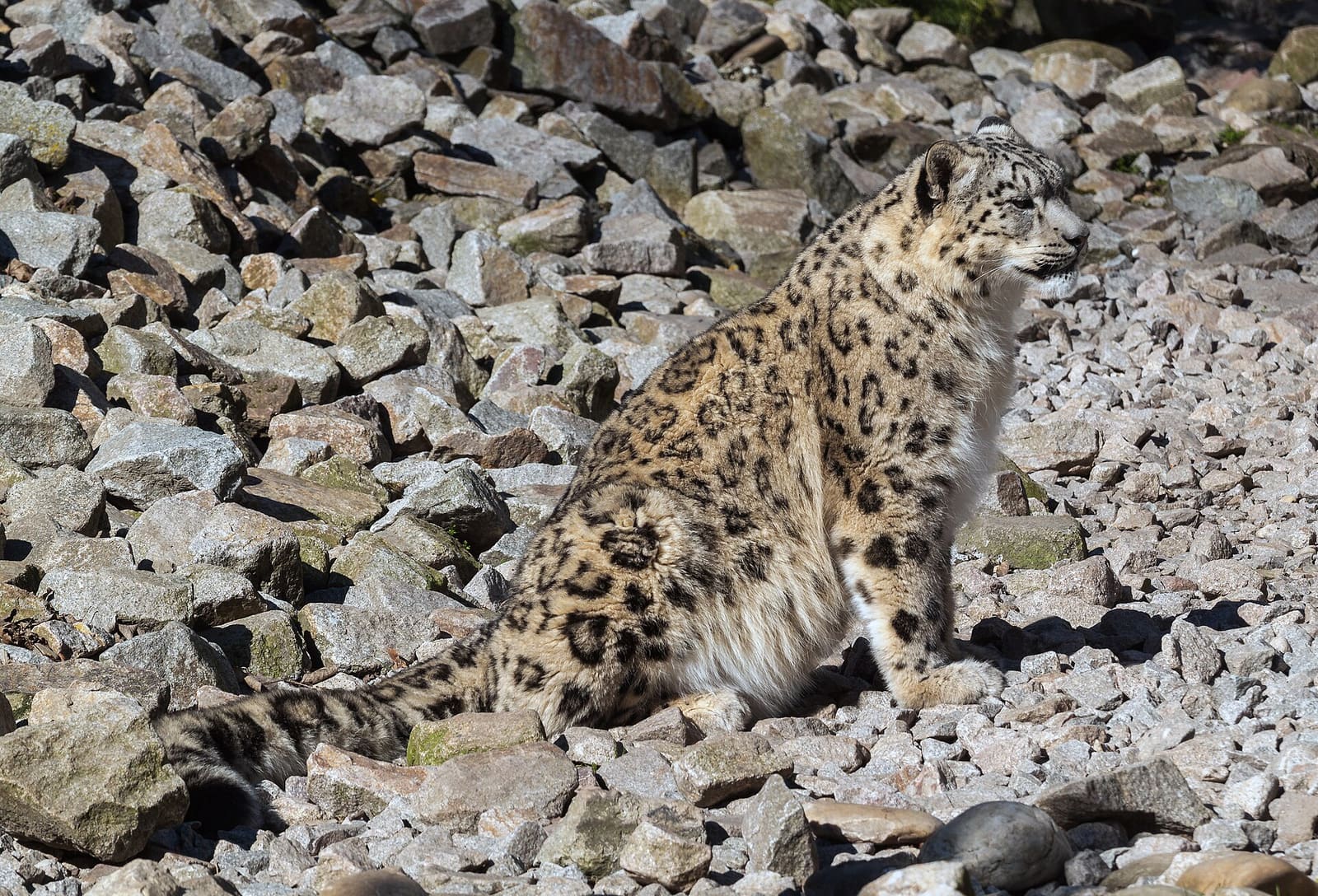
- Better information. New surveys may reveal there were more individuals than thought, as was debated in the case of the snow leopard.
In both cases, remaining Vulnerable means remaining threatened.
Global, regional, national
The global Red List assesses a species across its whole range. But there are also regional assessments (for example, for Europe) and national lists. A species can be Least Concern globally and endangered in a particular country. Moreover, the Red List is not a law: legal protection depends on each country’s catalogues and rules, such as the Spanish Catalogue of Threatened Species.
The numbers
The IUCN has now assessed more than 160,000 species, of which over 45,000 are threatened. Some groups stand out for their share of species at risk:
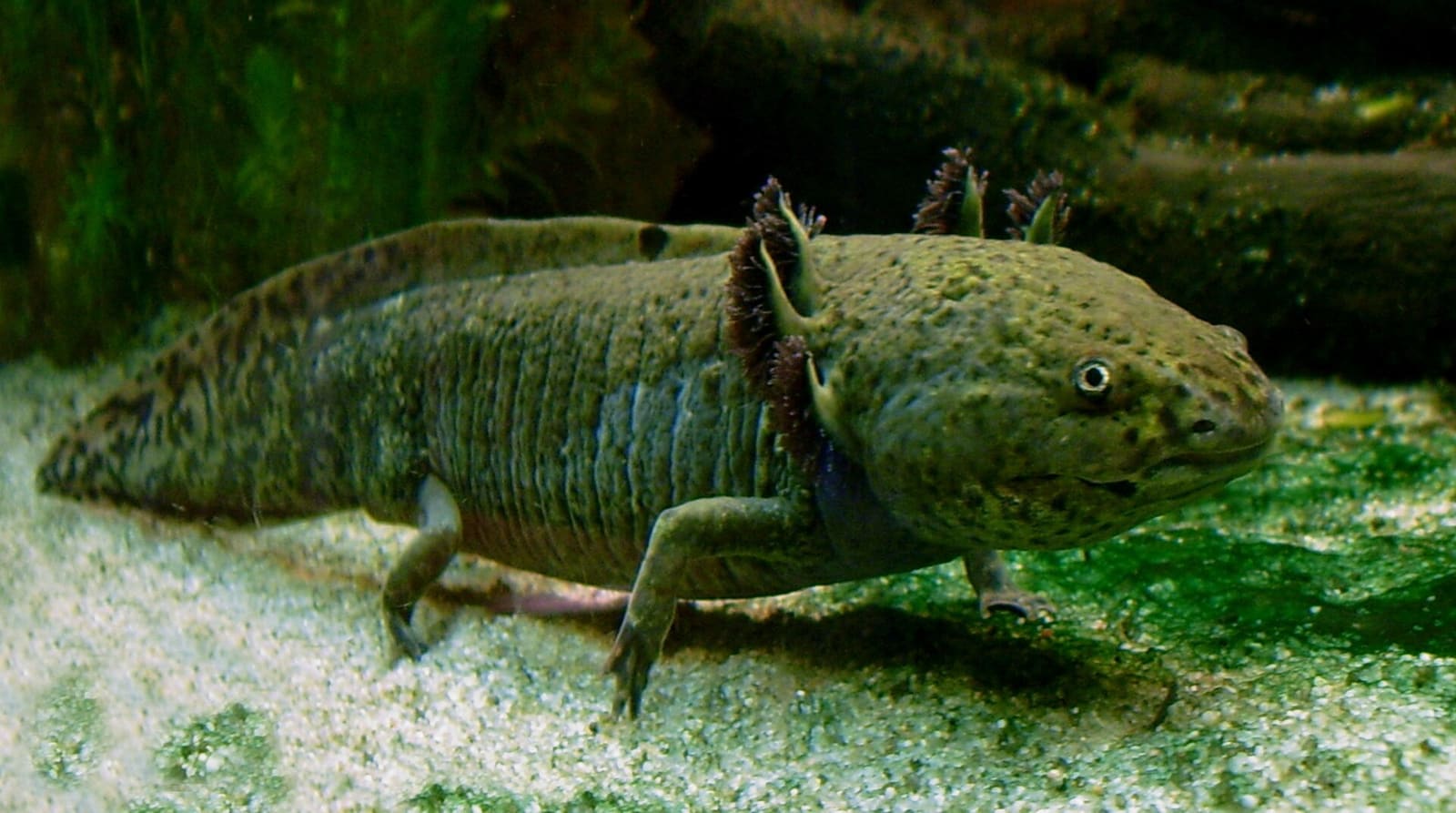
- Amphibians: around four in ten assessed species, such as the axolotl.
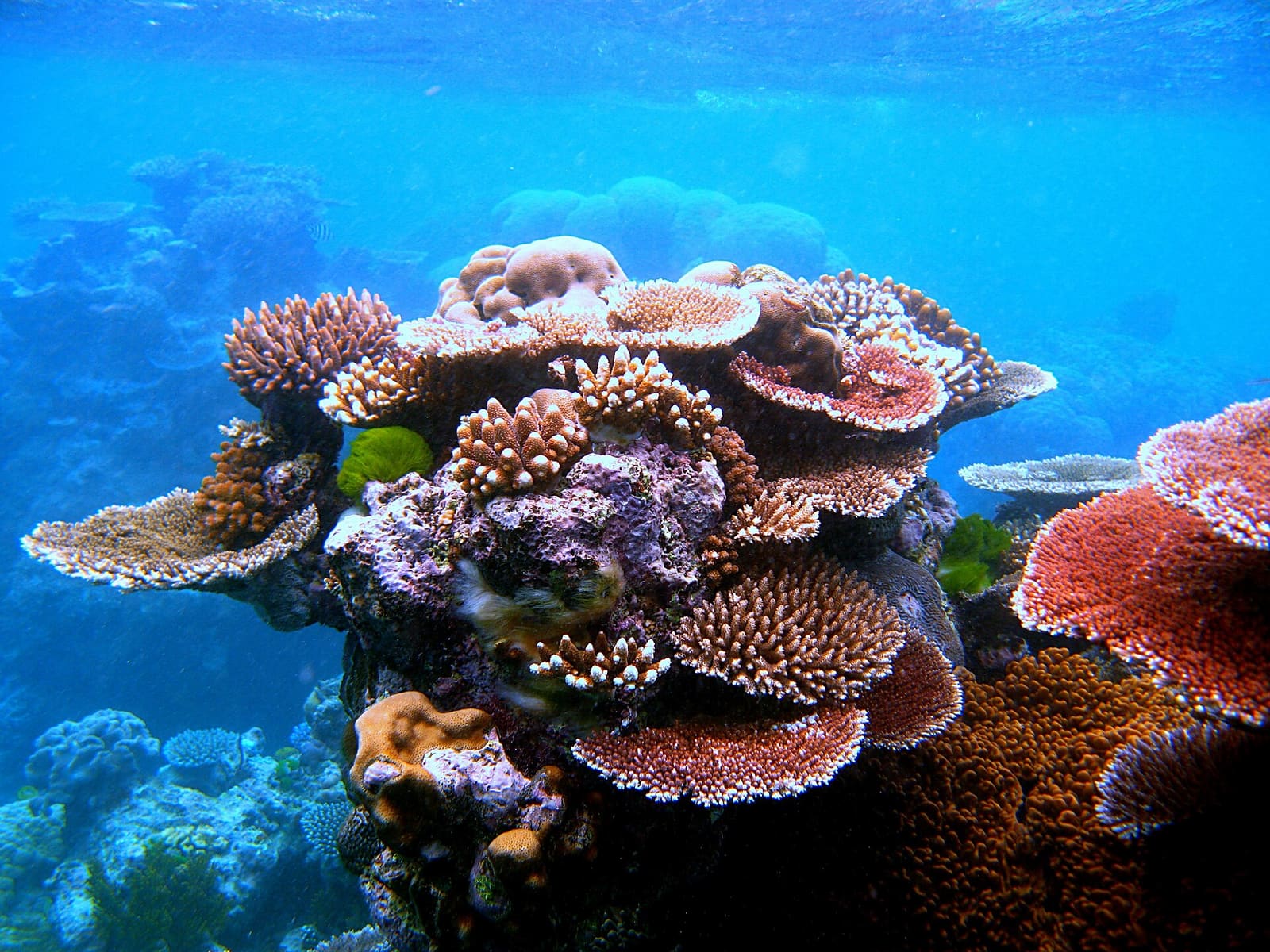
- Reef-building corals, sharks and rays, and conifers: also very high proportions.
- Mammals: about a quarter.
These figures are updated with each review, so check the official website.
A tool, not an end in itself
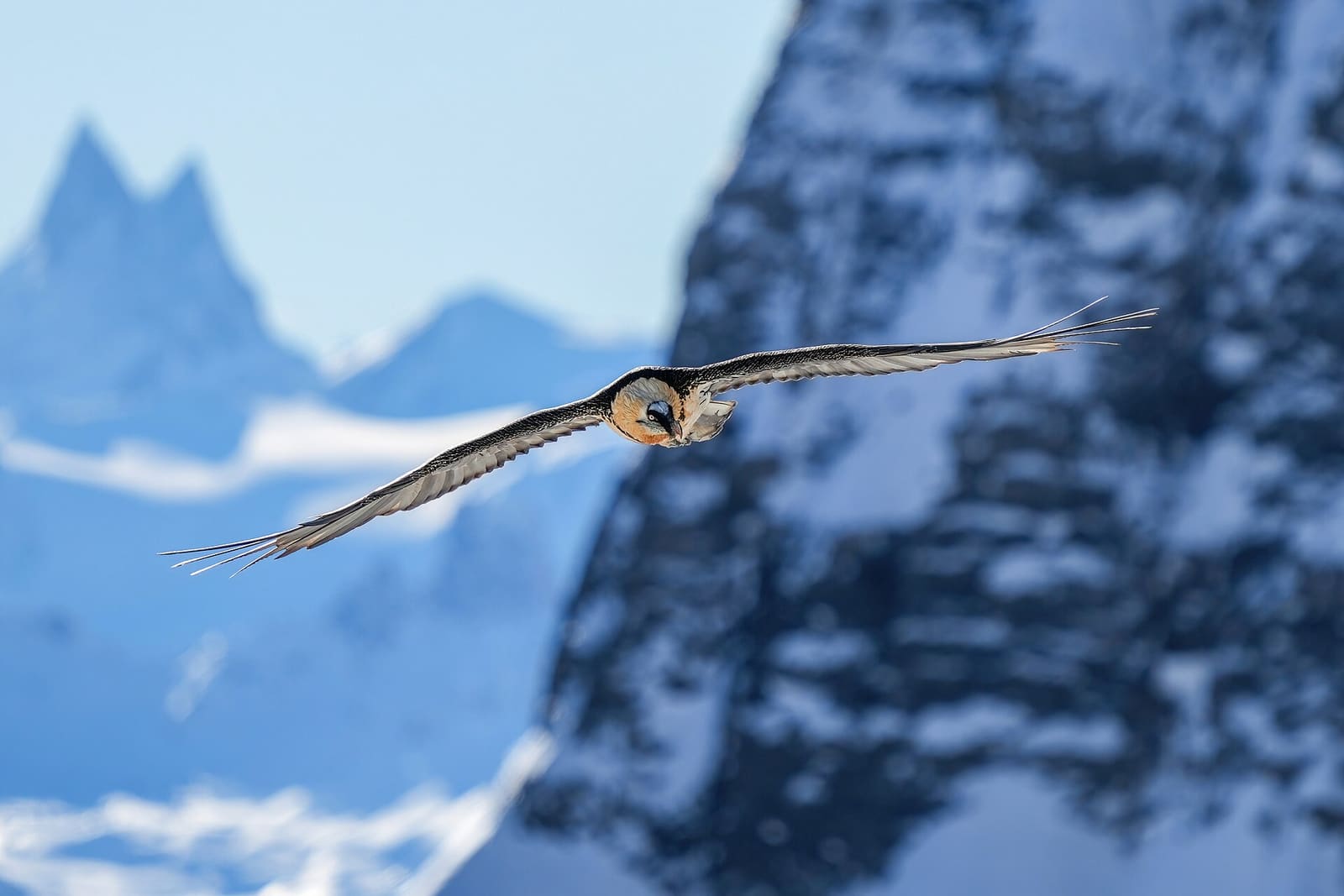
The Red List does not protect anything on its own: it guides priorities, funding and policy. What changes a species’ fate is action on the ground, as shown by the story of the bearded vulture, which bred again in the Alps thanks to reintroduction.
Sources and references
This is original editorial content based on the sources cited. Spotted a mistake? Let us know and we will fix it under our corrections policy.