The EU Nature Restoration Law explained: goals, deadlines and what changes around you
Adopted in 2024 after a fiercely contested process, the Nature Restoration Regulation requires EU countries to bring degraded ecosystems back. What it says, what it does not say and when its effects will be seen.
For years, European environmental policy focused on protecting what was left. The Nature Restoration Regulation takes a different step: it requires restoring what has been degraded. It was finally adopted in June 2024, after one of the most contested processes of the legislative term, and entered into force in August that year as Regulation (EU) 2024/1991.
The big goals
The text sets general targets and some very specific ones:
- Put restoration measures in place on at least 20% of the EU’s land and sea area by 2030.
- Address all ecosystems in need of restoration by 2050.
- Restore at least 25,000 kilometres of free-flowing rivers by removing obsolete barriers.
- Contribute to planting 3 billion additional trees in the EU by 2030.
- Reverse the decline of pollinators.
- Improve biodiversity indicators on farmland, in forests and in urban ecosystems (for example, no net loss of urban green space).
How it is applied: national plans
As a regulation, it is directly applicable in all member states. But the details are set out in the national restoration plans that each country must draw up and submit to the Commission within two years of its entry into force, that is, in 2026.
In those plans, each state decides where and how to restore: which wetlands to recover, which rivers to free from disused dams, which forests to improve or which farming areas to adapt.
What the law does NOT do
Many exaggerated claims circulated during the process. It is worth clarifying:
- It does not expropriate land or force farming to stop.
- It does not impose specific measures on individual farmers: the targets are for states.
- It includes an “emergency brake” allowing agricultural targets to be temporarily suspended in exceptional circumstances affecting food security.
Restoring does not mean “stop using” the land: many measures are compatible with farming, forestry or tourism.
Why it matters for the mountains
Mountain ecosystems appear across the targets:
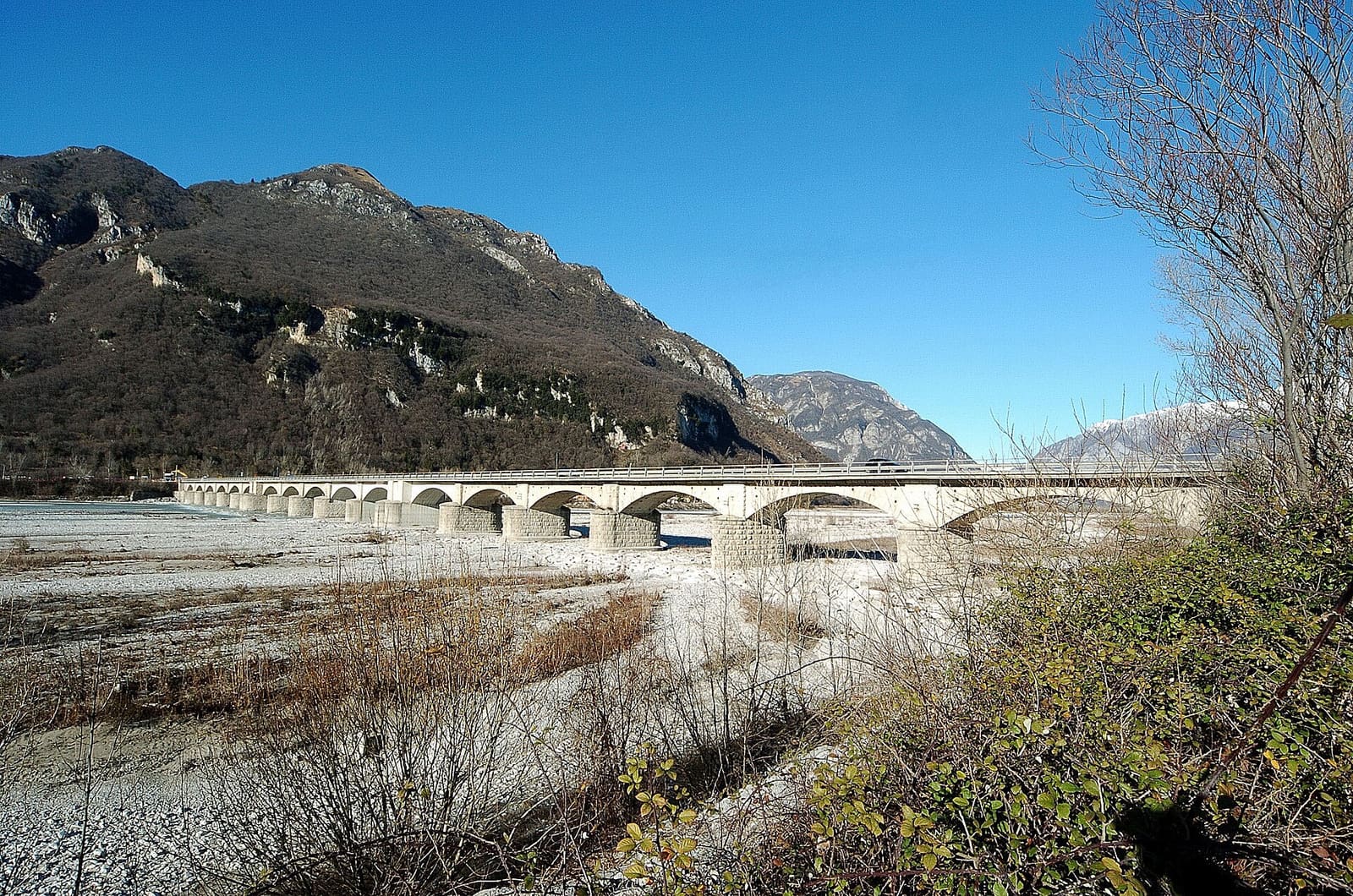
- Rivers and riverbanks. Many small mountain dams and weirs are disused and fragment rivers. Removing them helps fish such as trout and improves sediment transport. If you are interested in rivers, see our selection of the wildest rivers in the world.
- High-altitude peatlands and wetlands, which store carbon and regulate water.
- Forests, with targets on deadwood, old-growth forests and connectivity.
- Mountain grasslands, linked to butterfly species and meadow birds.
What to watch from now on
The real reach of the regulation will depend on the quality of the national plans, the funding available and monitoring. Scientific and environmental organisations have asked for plans to be drawn up with the involvement of farmers, herders, forest owners and local communities, to avoid repeating the conflicts of the legislative process.
If you want to understand how the status of the species these plans aim to protect is measured, we recommend our explainer on the IUCN Red List.
Sources and references
- EUR-Lex – Regulation (EU) 2024/1991
- European Commission – Nature Restoration Law
- European Environment Agency
This is original editorial content based on the sources cited. Spotted a mistake? Let us know and we will fix it under our corrections policy.