A new mountain gorilla is born in Virunga: 17 births in the park so far in 2026
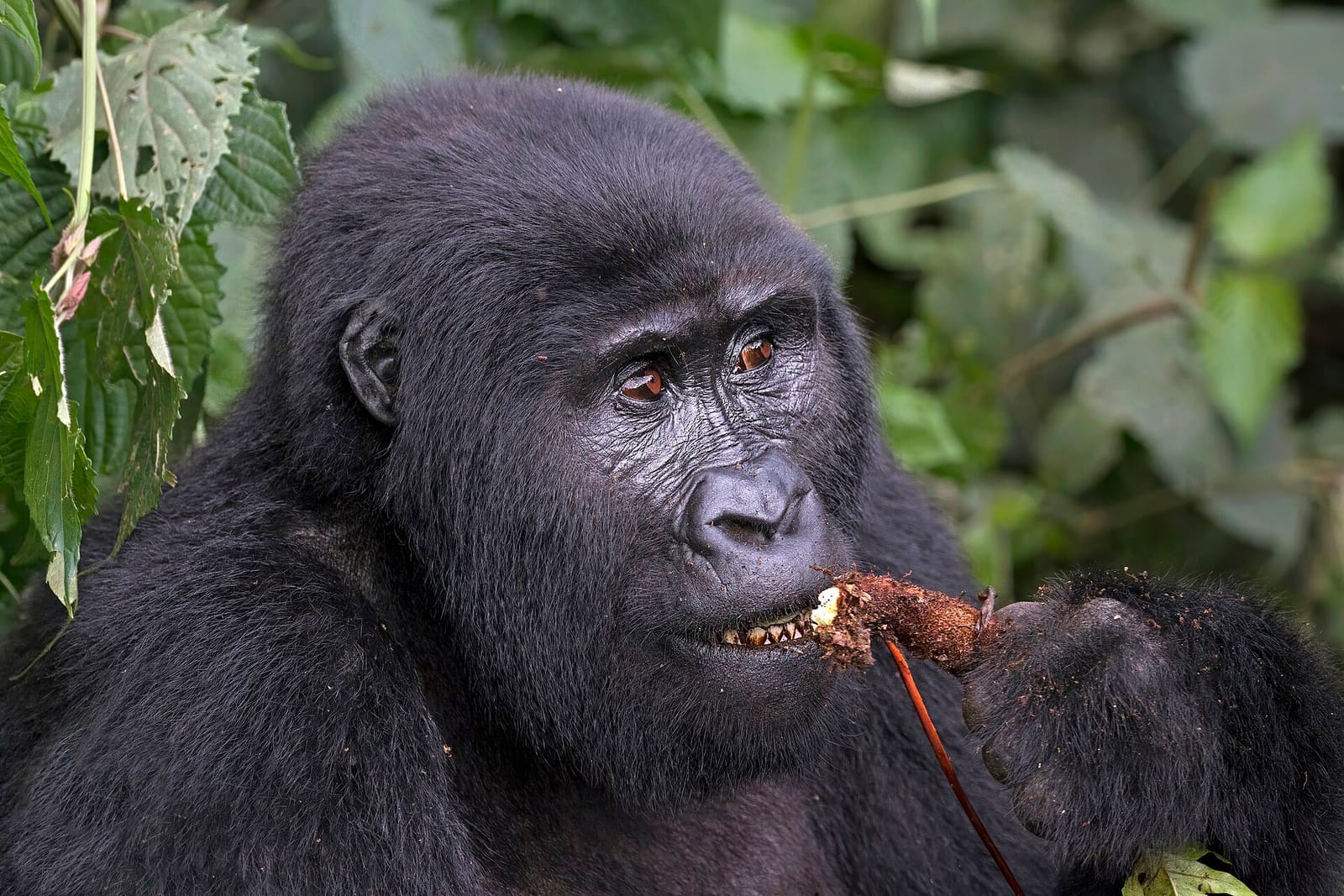
The baby, a male, was born on 17 October to the female Ruzuzi. It is the Bageni family's fourth birth of the year and the park's seventeenth; Virunga is home to a quarter of the world's mountain gorillas.
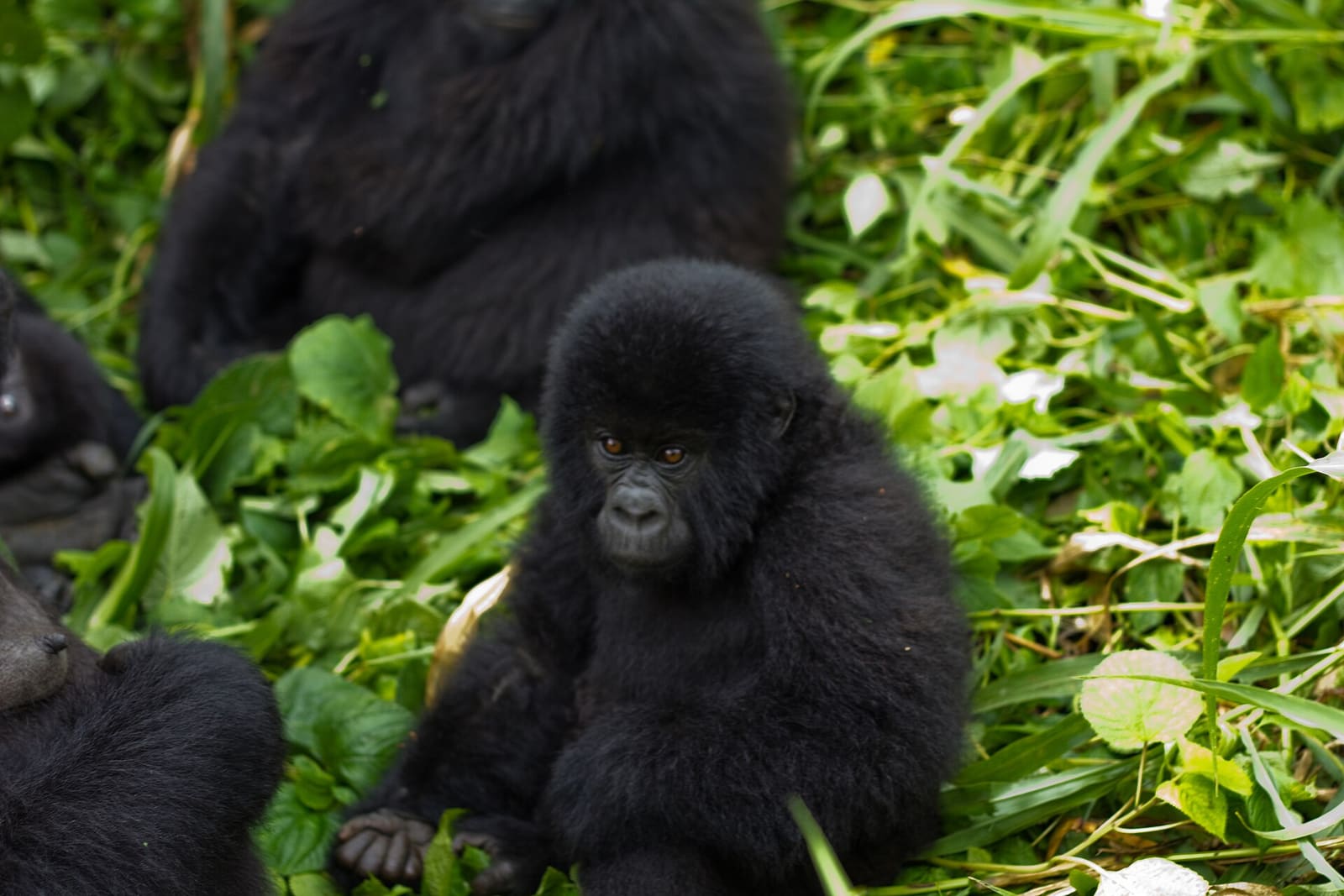
Good news from one of the most difficult places on Earth for conservation. Rangers in Virunga National Park, in the east of the Democratic Republic of the Congo, have recorded the birth of a new mountain gorilla. It is already the park’s seventeenth birth this year.
The largest family
The baby, a male, was seen on 17 October with his mother, the female Ruzuzi. He belongs to the Bageni family, which with about 61 individuals is the largest known mountain gorilla family. For this group it is the fourth birth of 2026, a list that includes rare twins born in January.
Seventeen births in a year are a sign that, despite everything, Virunga’s population is still able to recover.
A century-old park
Virunga, founded in 1925, is Africa’s oldest national park and turned a hundred in 2025. It covers about 7,800 km² in the Albertine Rift, along the borders with Rwanda and Uganda, and has been a World Heritage Site since 1979. It is home to around a quarter of the world’s mountain gorillas.
The subspecies survives in just two populations: the Virunga massif, shared by DR Congo, Rwanda and Uganda, and Uganda’s Bwindi Impenetrable Forest. The IUCN lists it as Endangered; if you want to know what that category implies, we explain it in how the Red List works.
The threats
The mountain gorilla’s recovery is one of conservation’s successes of recent decades, but it remains fragile:
- Habitat loss from deforestation.
- Poaching: although gorillas are rarely the direct target, they get caught in snares.
- Armed conflict. Eastern Congo has suffered militia violence for years. Armed groups control part of the park and exploit its resources —minerals, charcoal, timber, fish and bushmeat— which speeds up forest loss.
- Diseases that can pass from humans, because of their genetic closeness.
Virunga’s rangers work at enormous risk to protect these animals.
Why it matters
Mountain gorillas are an umbrella species: protecting them means conserving montane forests that regulate water and harbour hundreds of other species. If you like species recovery stories, see also the Iberian lynx.
Sources and references
- ECOticias – Mountain gorillas in Virunga: a baby is born (23/10/2026)
- Virunga National Park
- UNESCO – Virunga National Park
This is original editorial content based on the sources cited. Spotted a mistake? Let us know and we will fix it under our corrections policy.