10 places on Earth where nature is still extremely wild
There are still corners of the planet where human presence is minimal and natural processes set the pace: active volcanoes, deltas in the middle of the desert, immense ice fields and rainforests still to be explored.
On a planet with more than eight billion people, the word “wild” can sound nostalgic. Yet there are still territories where rivers change course at will, volcanoes rebuild the landscape and large animals roam without roads to stop them. These are ten of them.
1. Kamchatka (Russia)
A peninsula in Russia’s far east with dozens of active volcanoes, geysers, rivers full of salmon and one of the highest densities of brown bears in the world. The “Volcanoes of Kamchatka” are a World Heritage Site. Access is difficult and almost always requires organised expeditions.
2. The Okavango Delta (Botswana)
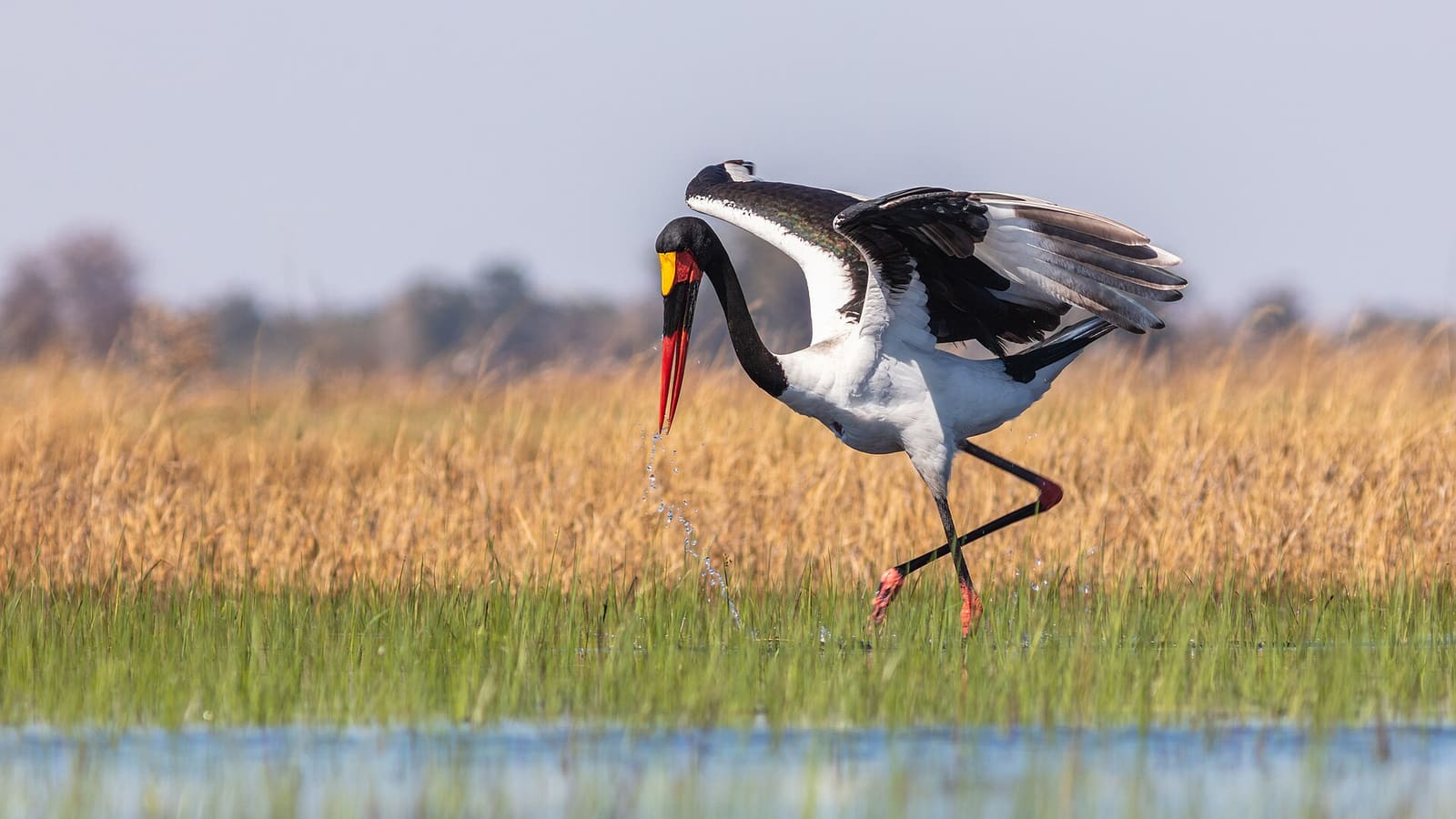
The Okavango river rises in the highlands of Angola and, instead of reaching the sea, fans out in the middle of the Kalahari Desert, forming an inland delta of channels, islands and lagoons. With the annual flood, elephants, buffalo, lions and hippos gather here. It has been a World Heritage Site since 2014.
3. The Patagonian Ice Fields (Chile and Argentina)
The Northern and Southern Ice Fields form one of the largest expanses of continental ice outside Antarctica and Greenland. Glaciers such as Perito Moreno and Pío XI flow down from them. The climate is extreme and the winds are legendary. Nearby lies the Torres del Paine massif, whose W Trek we describe in this fact sheet.
4. The Amazon
The largest tropical rainforest in the world, shared by nine countries. New species are still described there every year and Indigenous peoples live in voluntary isolation. Its threats —deforestation, fires, mining— make its future one of the great issues of this century.
5. New Guinea
The second-largest island in the world, split between Papua New Guinea and Indonesia, is home to one of the most diverse floras on the planet, birds of paradise, tree kangaroos and mountains covered in cloud forest. Large areas of its highlands remain little explored by science.
6. Nahanni (Canada)
In the Northwest Territories, the South Nahanni river cuts through deep canyons and plunges over Virginia Falls, twice as high as Niagara. It was one of the first places inscribed as a World Heritage Site, in 1978. It is explored almost exclusively by canoe or light aircraft.
Wilderness is not just the absence of people: it is the presence of natural processes working on a large scale.
7. Antarctica
The coldest, driest and windiest continent. With no permanent population, it is governed by the Antarctic Treaty, which reserves it for peace and science. Tourism, which is growing, is subject to strict biosecurity rules.
8. The Skeleton Coast and the Namib Desert (Namibia)
Dunes dropping straight into the Atlantic, coastal fog, shipwrecks and wildlife adapted to extreme aridity, such as desert elephants. The Namib Sand Sea is a World Heritage Site.
9. Fiordland (New Zealand)
Deep fjords, waterfalls that appear and vanish with the rain (some of the heaviest in the country) and temperate forests home to endemic birds. It is one of the great trekking destinations of the southern hemisphere, with routes that must be booked in advance.
10. Volcanic Iceland
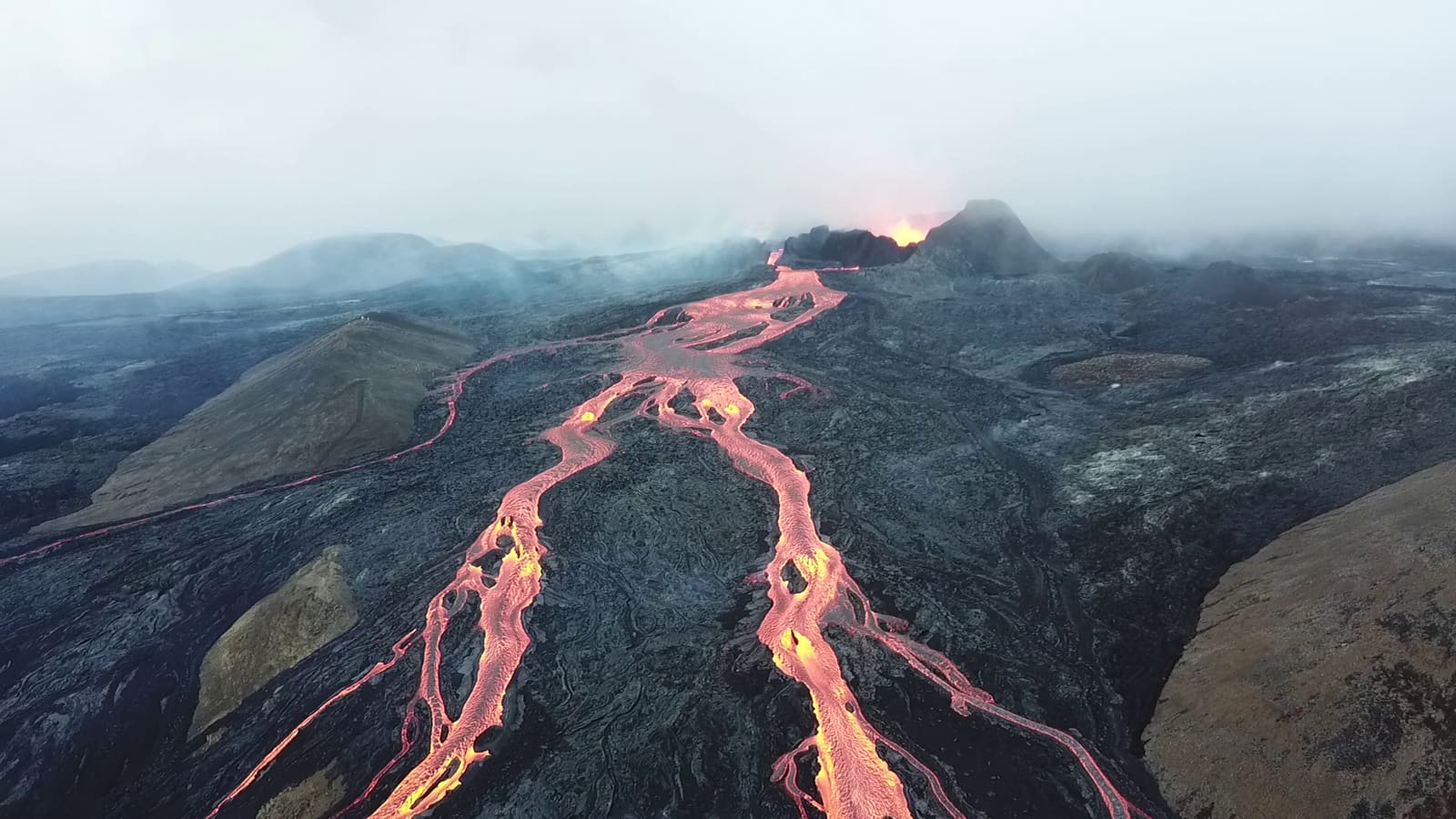
The island is literally being born under your feet: the Mid-Atlantic Ridge runs through it and volcanic activity creates new land, as shown by the recent Reykjanes eruptions. In its interior, lava deserts, glaciers and bridgeless glacial rivers are a reminder of how young this landscape is.
Travelling to the wild, wisely
- Hire accredited local guides: they add safety and spread the economic benefit across the region.
- Respect quotas and permits: they exist to protect the place.
- Leave no trace, not even organic waste.
- Know the risks: wilderness means slow or impossible rescues.
If these places inspire you, you may also like the 10 most incredible forests on the planet or the wildest rivers in the world.
Sources and references
This is original editorial content based on the sources cited. Spotted a mistake? Let us know and we will fix it under our corrections policy.