What should you do if you meet a bear on a hike?
Most bear encounters end with the animal walking away. But knowing what to do —and what not to do— makes all the difference. We explain it for the European brown bear and for North American species.
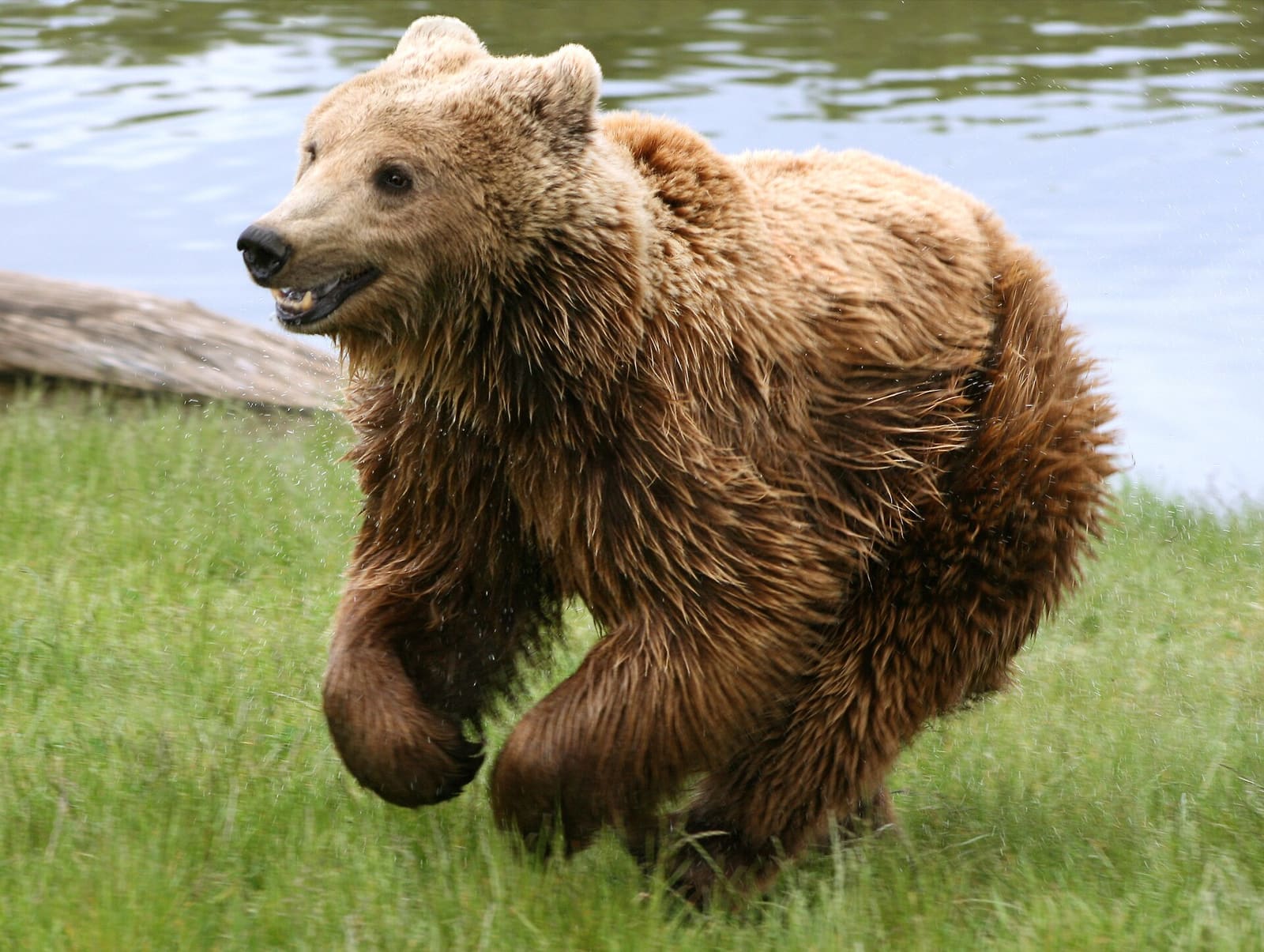
Seeing a wild bear is one of the great moments the mountains can give you. The Cantabrian Mountains and the Pyrenees are home to brown bear populations that have recovered in recent decades after coming close to disappearing. In North America, black bears and grizzlies (a form of brown bear) are common in many parks.
The vast majority of encounters end the same way: the bear detects the person and leaves. But a close encounter, a surprise or one involving cubs requires knowing how to act.
First, avoid a surprise encounter
Problems usually arise when a bear is surprised at close range. To avoid it:
- Make yourself heard by talking loudly, especially in areas with poor visibility, next to noisy rivers or with the wind in your face.
- Walk in a group whenever possible.
- Stay on the trails and avoid moving at dawn and dusk in bear country.
- Keep your dog on a lead: a loose dog can provoke a bear and run back to you with the bear behind it.
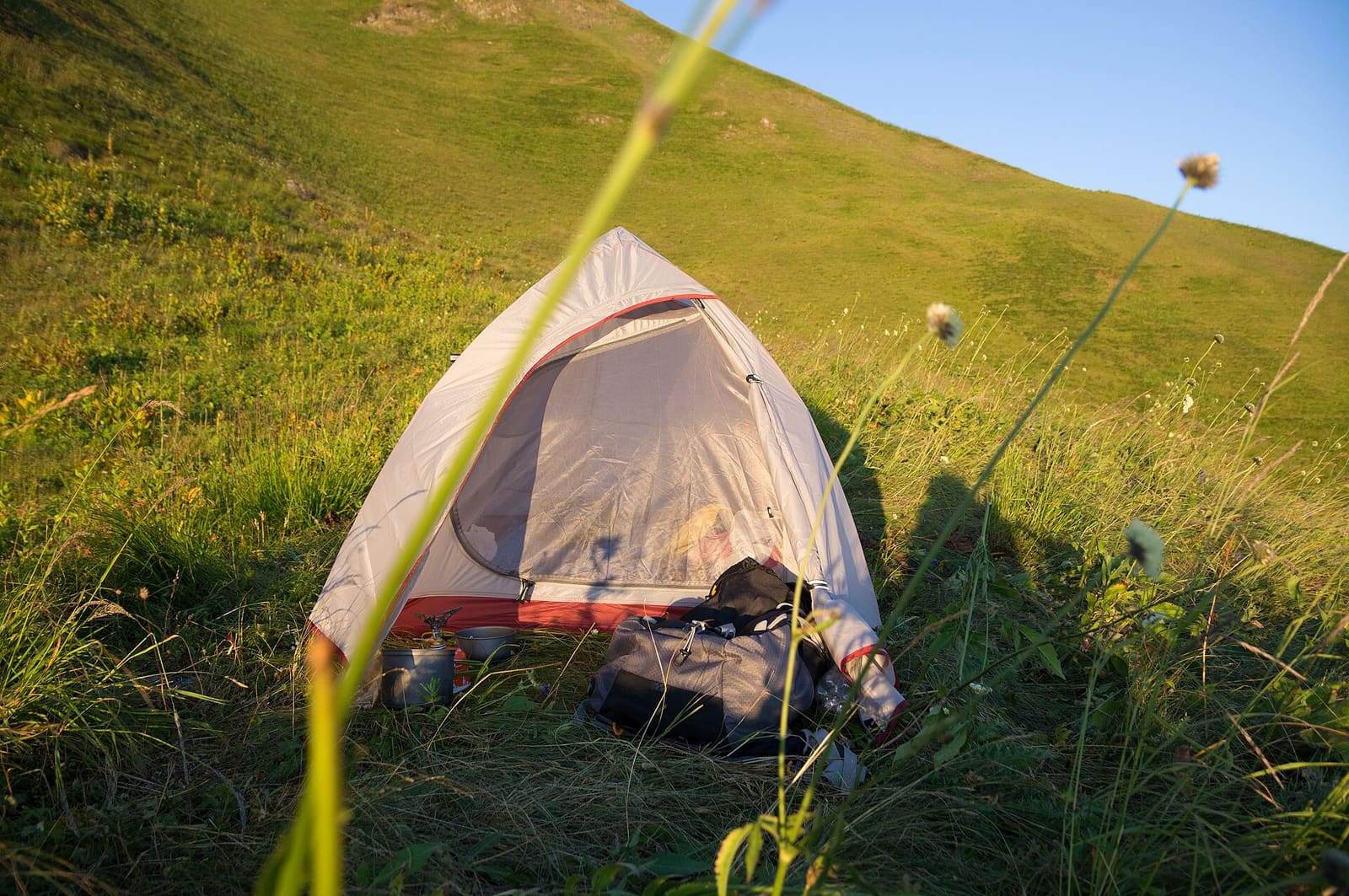
- Manage your food if you camp: do not keep it in your tent. In North American parks, bear-proof containers or lockers are mandatory.
If you see a bear in the distance
- Do not approach. Keep at least 100 metres away, more if there are cubs.
- Back off quietly the way you came, or wait for it to move away.
- Do not follow it to photograph it and do not share its exact location.
- In Spain and France, report the sighting to the wildlife rangers if local signs ask you to: it helps monitor the species.
If the bear is close
- Stay calm and do not run. Running can trigger a chase, and a bear runs much faster than a person.
- Talk in a calm, firm voice so it identifies you as a human.
- Back away slowly, sideways or facing it, without losing sight of it.
- Leave it an escape route: do not stand between a female and her cubs or between the bear and its food.
- If it stands up on its hind legs, it is usually trying to smell or see better, not preparing to attack.
A bear standing on two legs is usually curious, not aggressive.
If the bear charges
Many charges are bluff charges: the bear runs at you and stops or veers off at the last moment. It is terrifying, but:
- Stand your ground and do not flee.
- Group together if you are with others.
- Where it is allowed and recommended (for example, in many US and Canadian parks), bear spray is an effective tool if used correctly. In Europe, its availability and legality vary by country.
If there is physical contact
The advice depends on the type of attack:
- Defensive attack by a brown bear/grizzly (the most common: you surprised it or it sees a threat to its cubs): lie face down, interlace your hands over the back of your neck, spread your legs so it cannot flip you and stay still until it leaves. Wait a while before moving.
- Predatory or persistent attack (very rare), or an attack by an American black bear: fight back with everything you have, striking its face and muzzle.
These are the guidelines issued by North American park services and European large-carnivore organisations.
Afterwards
If there has been an incident, call emergency services (112 in Europe, or the local number) and inform the protected-area authorities, even if nobody is hurt.
Living alongside bears
The brown bear is a protected species in Spain and France, and its recovery is good news for mountain ecosystems. Respecting its space is the best way to keep it that way. If your route also crosses wolf country, see what to do if you meet a wolf.
Frequently asked questions
Should you play dead if a bear attacks?
Only in one specific case: if a brown bear (or grizzly) attacks defensively and makes physical contact. Lie face down, protect the back of your neck with your hands and stay still until it leaves. In a predatory attack, or with an American black bear seeking contact, the official advice is to fight back.
Can I climb a tree to escape?
It is not recommended. Many bears are good climbers and running to a tree can trigger a chase.
Sources and references
- Fundación Oso Pardo (Brown Bear Foundation)
- U.S. National Park Service – Bear Safety
- Large Carnivore Initiative for Europe (LCIE)
This is original editorial content based on the sources cited. Spotted a mistake? Let us know and we will fix it under our corrections policy.