Microplastics on the summits: the invisible trail that reaches Everest
Polyester fibres above 8,000 metres, particles raining from the sky in remote Pyrenean valleys, plastic in Antarctic snow. The mountains are not safe from plastic, and part of the problem is what we wear.
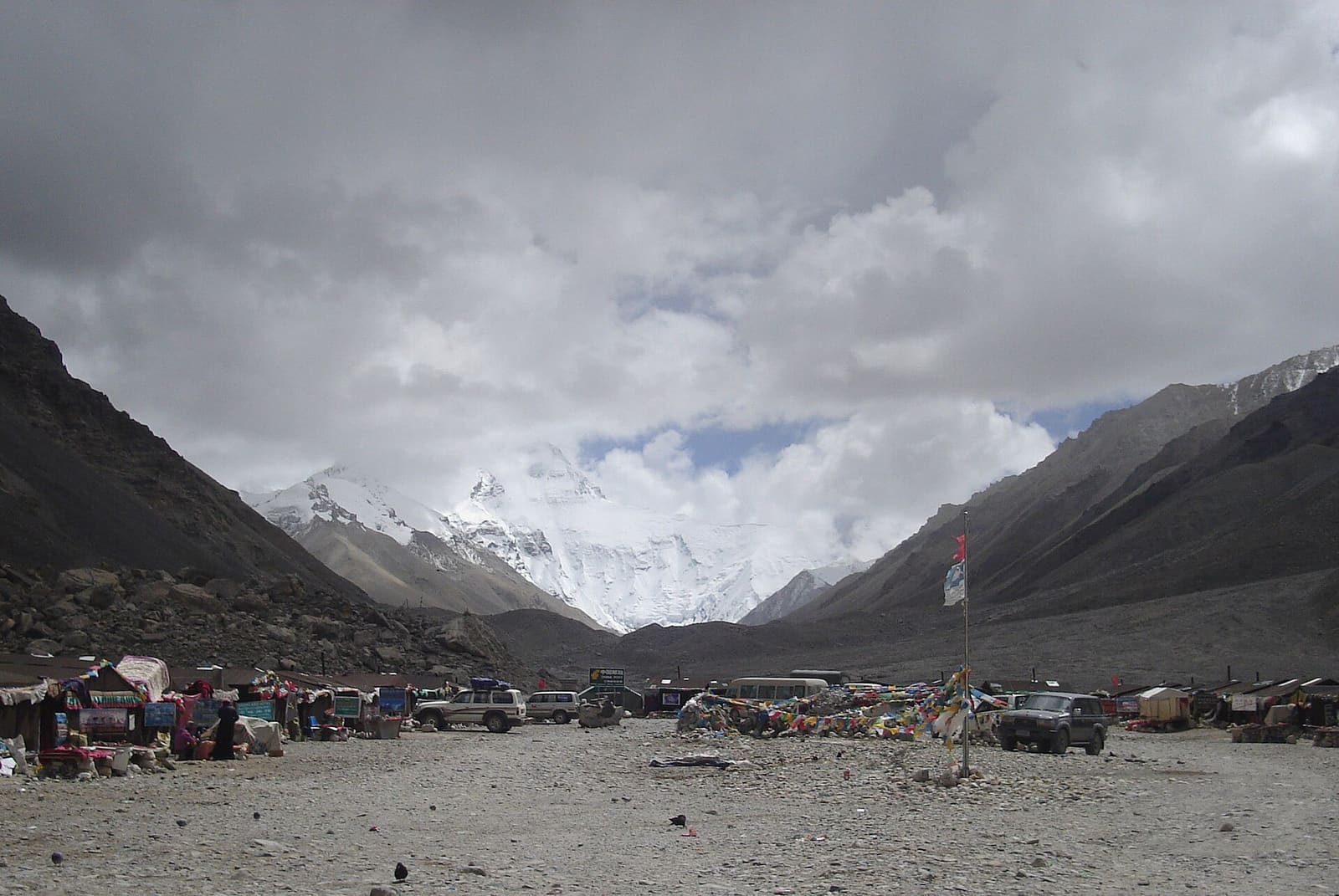
For a long time, the high mountains were the symbol of the untouched: clean air, white snow, pure water. Science in recent years has nuanced that image. Microplastics —fragments and fibres of plastic smaller than 5 millimetres— have turned up in some of the most remote places on the planet, including the highest mountain.
The highest plastic in the world
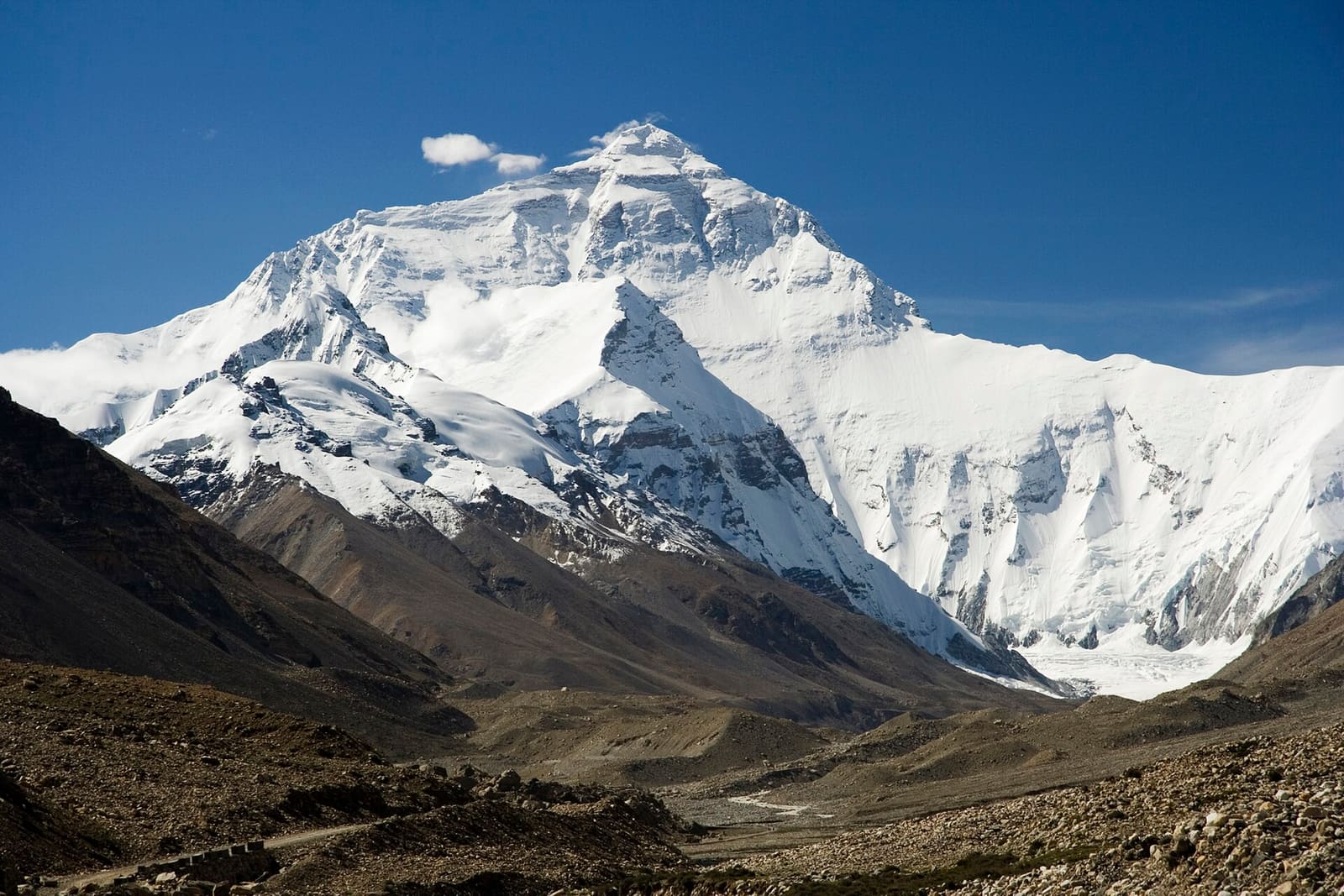
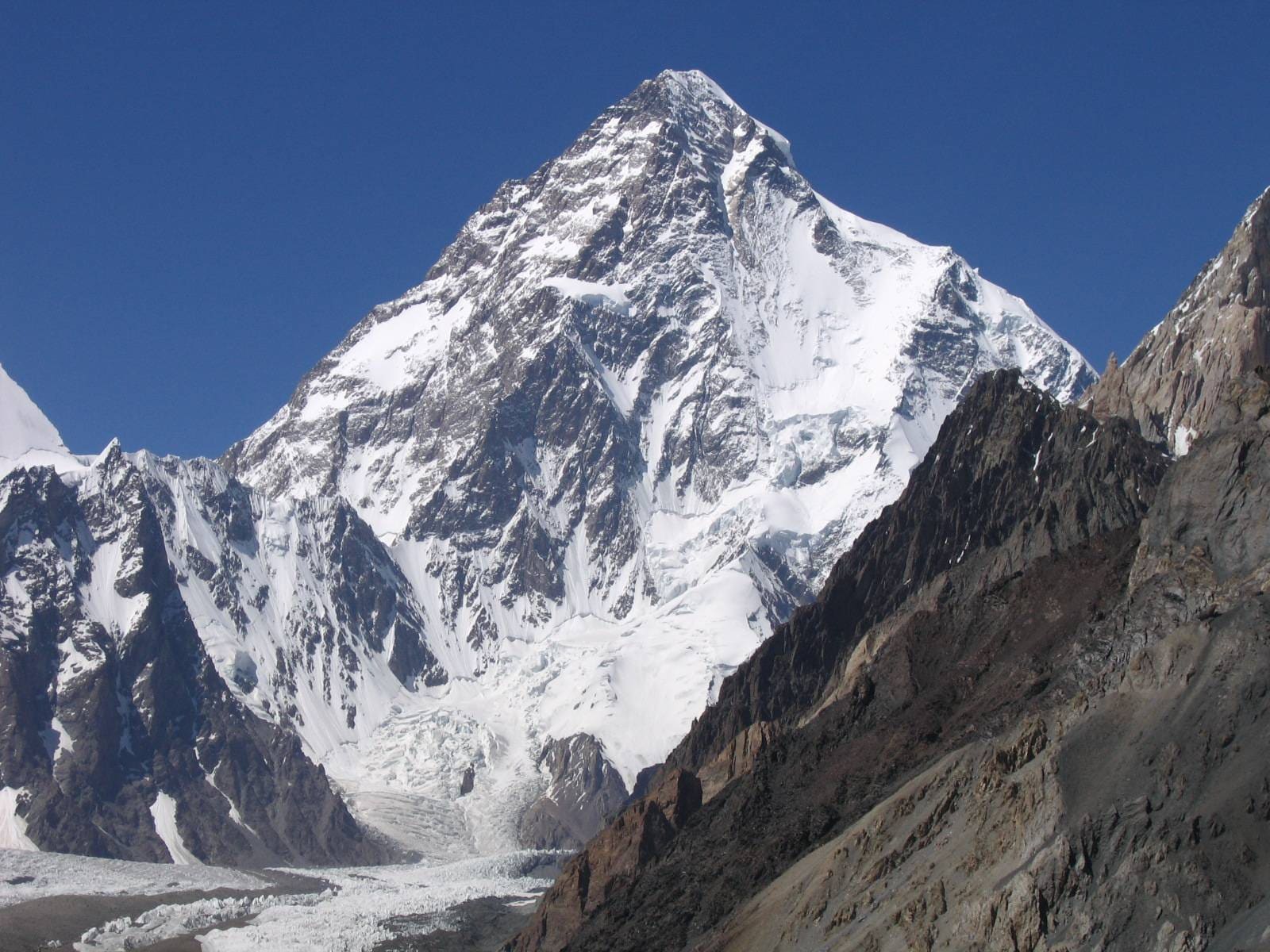
In 2020, the journal One Earth published the results of snow and water samples collected during a scientific expedition to Everest. The researchers, led by Imogen Napper, found microplastics in every snow sample analysed, including some taken at about 8,440 metres, near the Balcony on the south-east route to the summit.
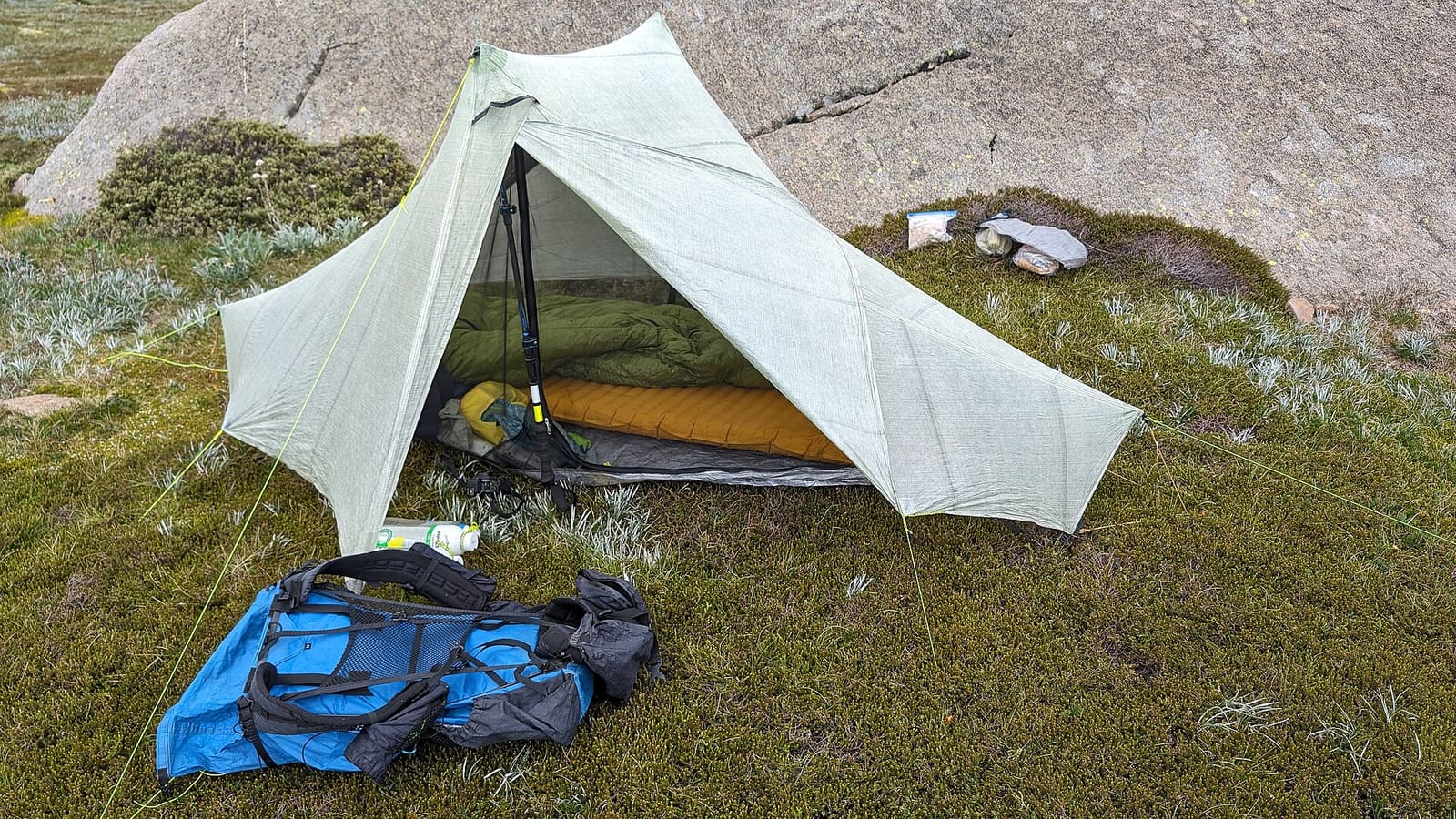
The most revealing finding was their nature: most were fibres of polyester, acrylic, nylon and polypropylene. These are the materials of technical clothing, tents and ropes. The authors noted that concentrations were higher at Base Camp, where human activity is concentrated.
Some of the plastic in the mountains does not come from far away: we are wearing it.
Plastic that travels through the air
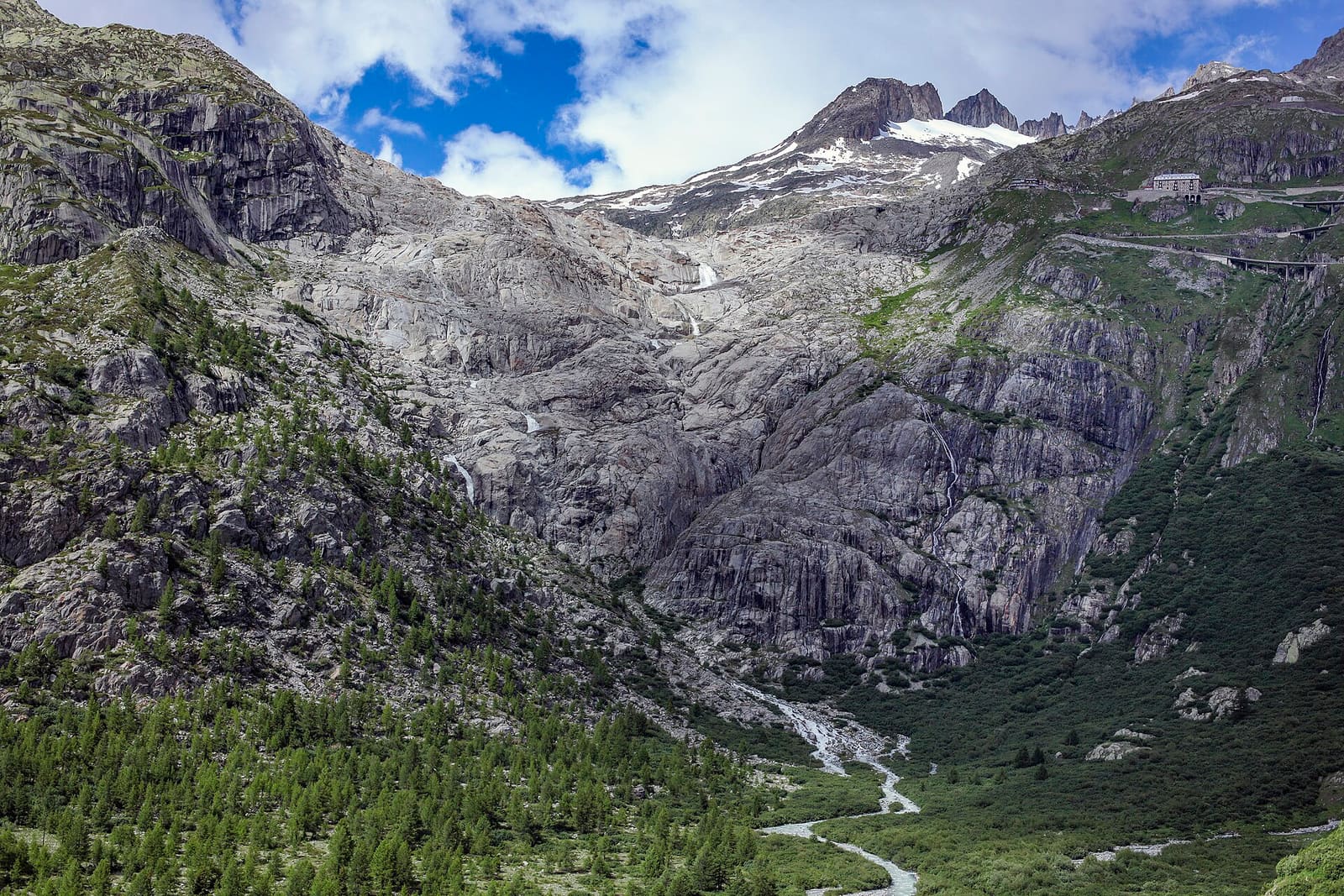
Not all of it comes from visitors. In 2019, a study published in Nature Geoscience measured atmospheric deposition of microplastics for months at a research station in a remote valley in the French Pyrenees, far from big cities. The result: hundreds of particles per square metre per day falling with rain, snow and dust. Air trajectory analyses indicated they could travel tens of kilometres or more.
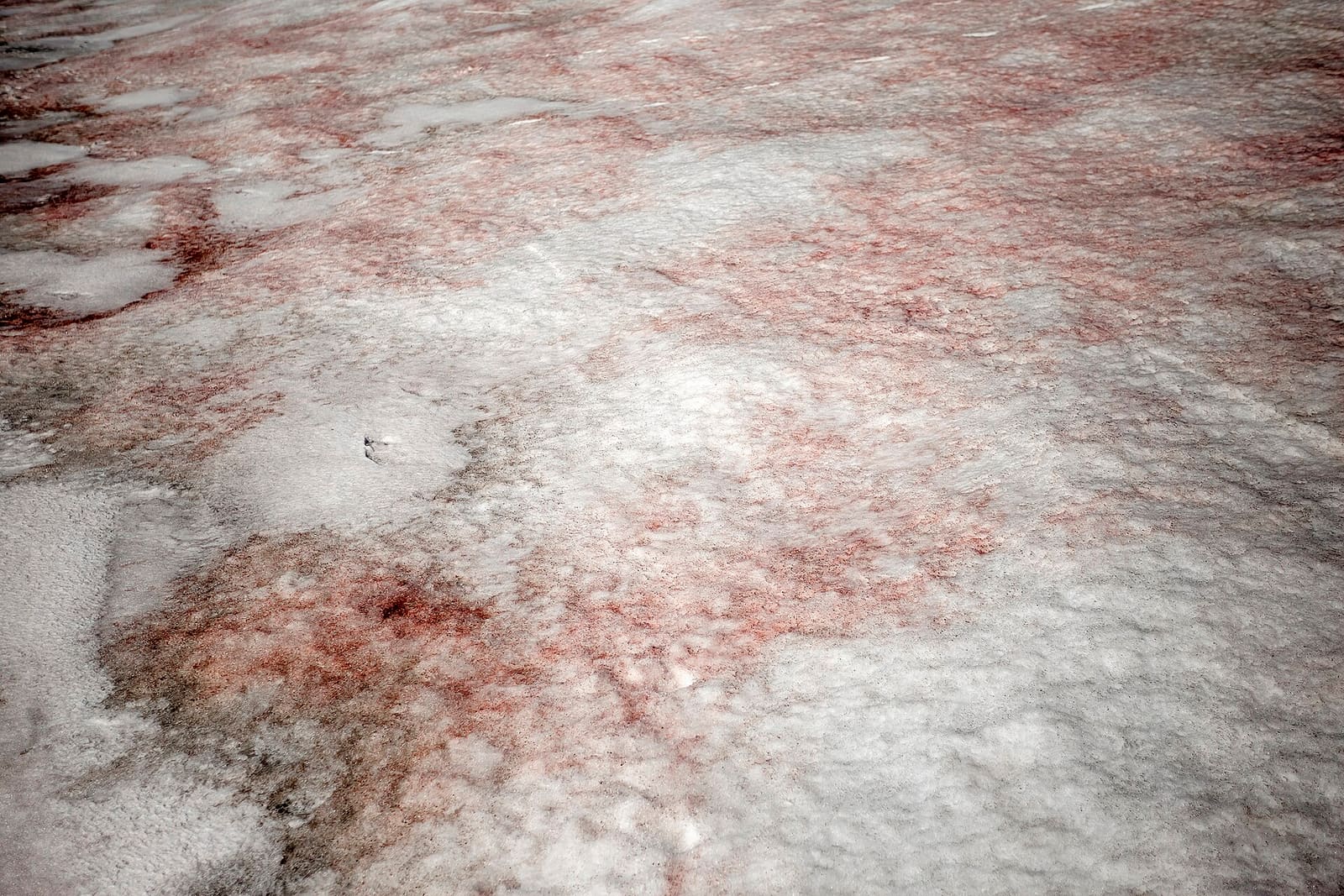
Since then, microplastics have been found in freshly fallen Antarctic snow, in high mountain lakes and on glaciers in several ranges.
Why it matters
Science is still studying the extent of their effects, but there are several reasons for concern:
- Persistence: plastic takes a very long time to break down, and in the cold even longer.
- Entry into the food chains of mountain lakes and rivers, which are born from snow and ice.
- Possible effects on albedo: dark particles on snow could speed up melting, although this effect is still being researched.
- Transport of other pollutants stuck to their surface.
What mountaineers can do
No individual action solves a global problem, but there are reasonable practices:
- Buy less and buy better. Durable, repairable gear sheds fewer fibres over its lifetime than several cheap garments replaced often.
- Wash less and with care: short cycles, cold water, full loads. There are bags and filters that trap some of the fibres in the washing machine.
- Repair jackets, tents and packs instead of replacing them.
- Carry out all your rubbish, including small wrappers, bits of tape and broken gear.
- Consider natural fibres where suitable, such as merino wool for base layers (we explain the advantages in how to dress in layers).
- Join organised clean-ups in busy areas.
The Everest context
On the world’s most famous mountain, waste management has become a priority, with mandatory deposits, clean-up campaigns and the obligation to bring human waste down. We review it in Everest’s new rules.
The researchers’ conclusion is simple: if there is plastic on the roof of the world, nowhere is out of its reach. The solution is to reduce it at source.
Sources and references
- Napper et al. (2020), One Earth – Reaching new heights in plastic pollution
- Allen et al. (2019), Nature Geoscience – Atmospheric transport of microplastics to a remote mountain catchment
- Aves et al. (2022), The Cryosphere – Microplastics in Antarctic snow
This is original editorial content based on the sources cited. Spotted a mistake? Let us know and we will fix it under our corrections policy.