How to dress in layers for the mountains: the system that keeps you dry and warm
It is not about wearing lots of clothes, but the right clothes, and knowing when to take them off or put them on. This is how the layering system used by mountaineers all over the world works.
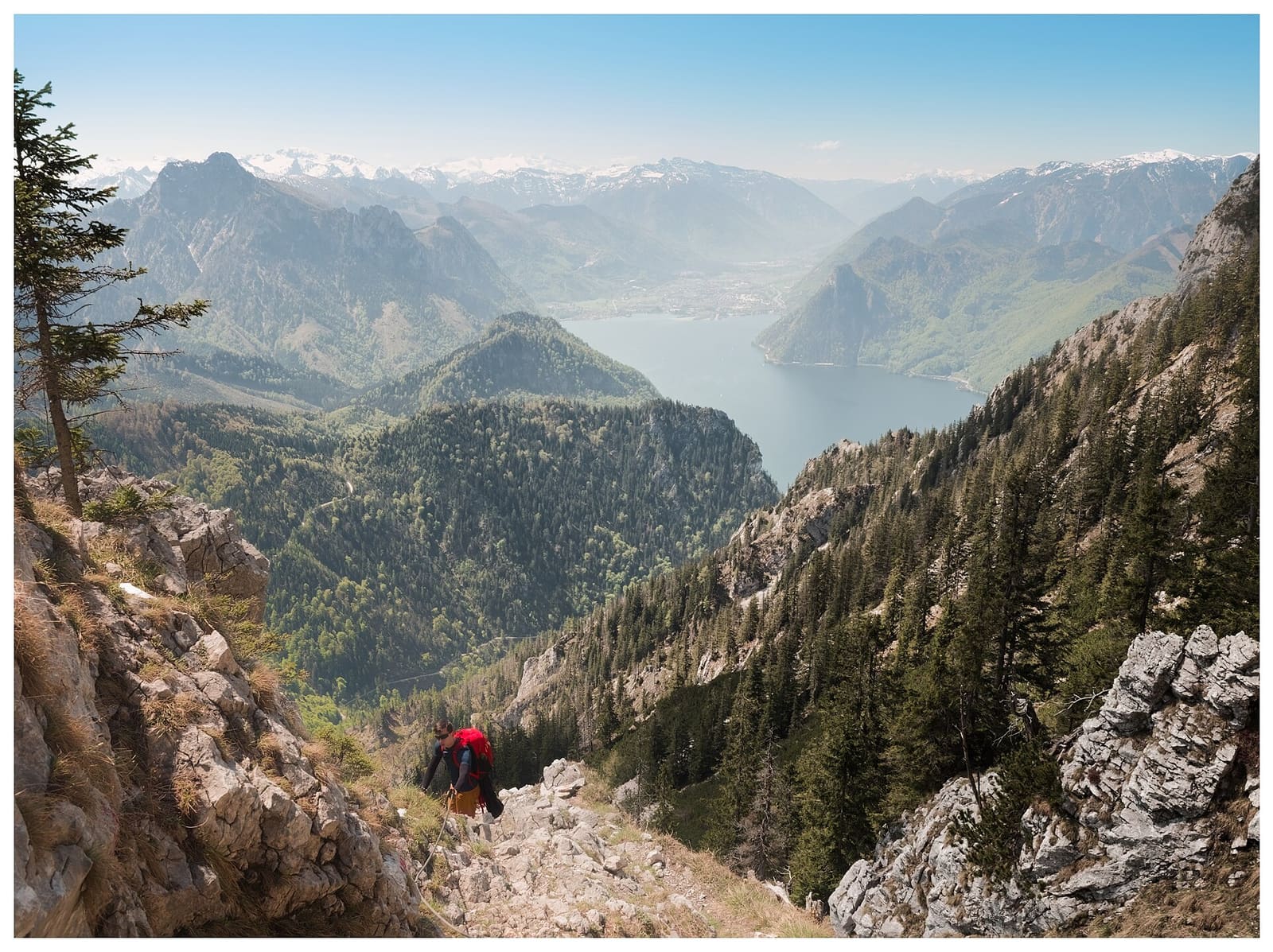
In the mountains the weather changes fast, and so does your body: you climb a slope in the sun, sweating, and ten minutes later you are standing still on a windy pass. The layering system solves this with a simple idea: instead of one very thick garment, several thin ones you can combine depending on activity and weather.
Why staying dry matters
Water conducts heat much better than air. Wet clothing —from rain or sweat— chills you very quickly, especially if the wind is blowing. It is one of the main routes to hypothermia, which can occur even in summer in the high mountains.
The goal of layering is not just warmth: it is to keep you dry inside and out.
Layer 1: base (moisture management)
It goes next to your skin. Its job is to move sweat away from your body.
- Merino wool: warm even when damp, barely holds odours, a bit more delicate and expensive.
- Synthetics (polyester, polypropylene): dry very quickly, tough and cheap; hold more odour.
- Avoid cotton: it absorbs sweat and takes ages to dry.
Choose the thickness according to the season: thin in summer, medium in winter.
Layer 2: mid (insulation)
It traps warm air around your body.
- Fleece: breathable, cheap, insulates even when a little damp. Bulkier.
- Down jacket: the best insulation for its weight and very packable; loses effectiveness when wet.
- Synthetic insulation: a middle ground, keeps you warm when damp and is ideal for rainy climates.
In winter or in the high mountains you can combine two mid layers: a thin fleece for moving and a down jacket for breaks.
Layer 3: outer (protection)
It protects you from wind, rain and snow.
- Waterproof, breathable jacket (with a membrane): essential if there is any chance of rain.
- Light windproof: very breathable, useful in wind and light drizzle; takes up almost no space.
Breathability has limits: with intense effort, even the best membrane builds up condensation. Open the vents before you soak your base layer.
Take a layer off before you start sweating and put it back on before you get cold. That is the whole technique.
Extremities: where comfort is lost most
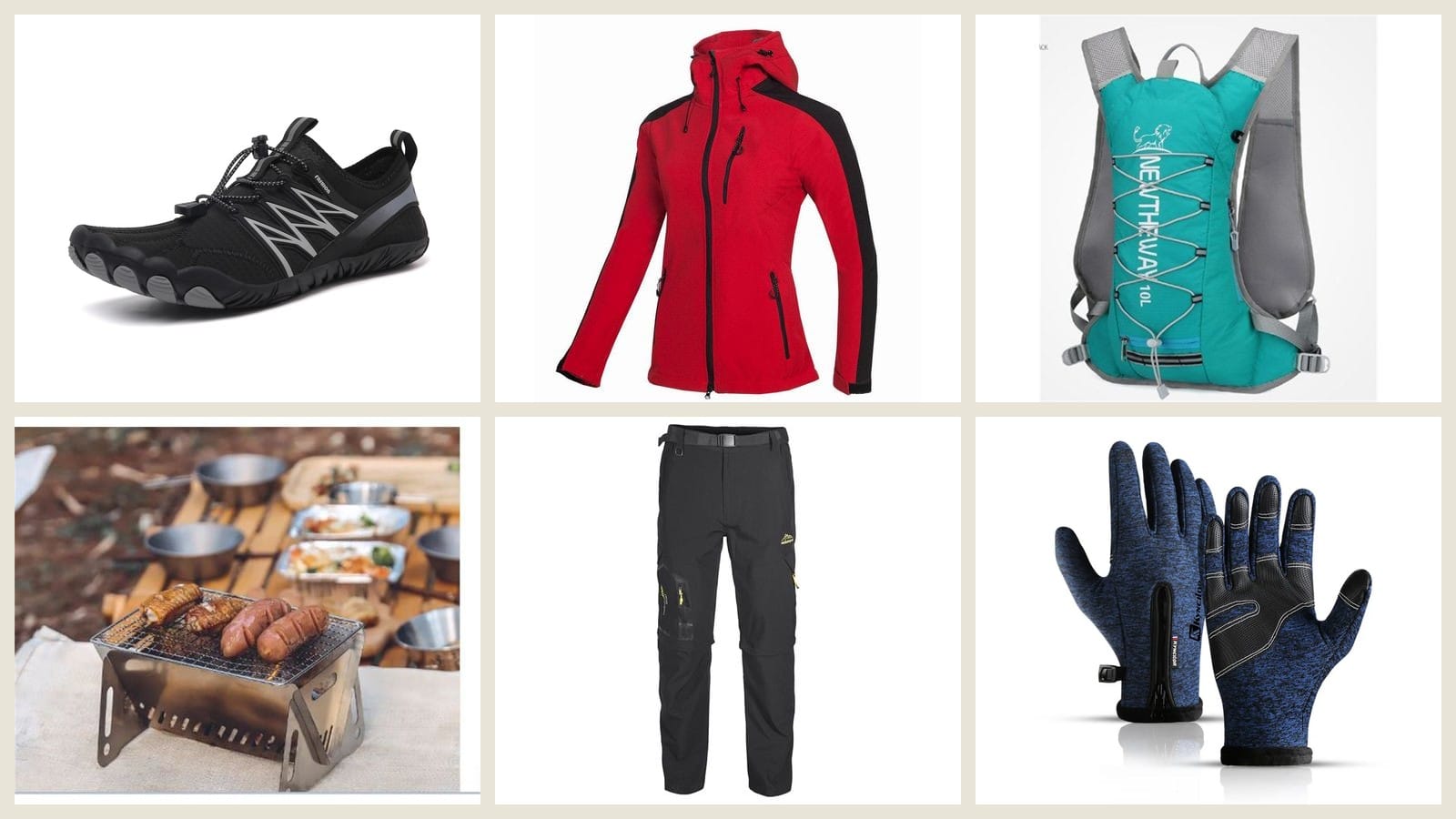
- Head and neck: a thin hat and a neck gaiter change how warm you feel more than a second jacket.
- Hands: thin gloves for everyday use and, in winter, spare mittens or thick gloves.
- Legs: breathable technical trousers; in winter, thermal leggings or softshell trousers. Carry waterproof overtrousers if rain is expected.
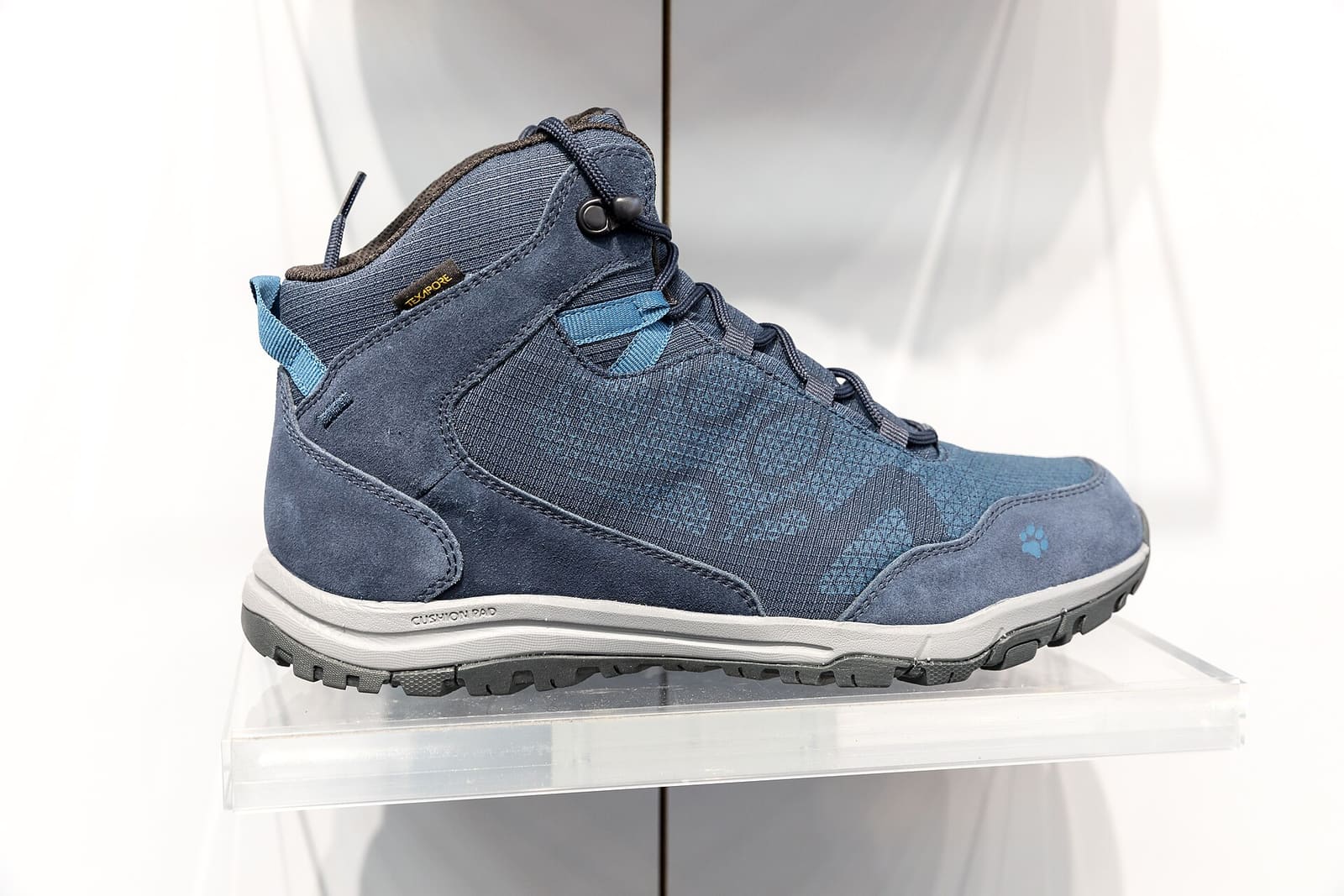
- Feet: seamless technical socks of the right thickness for your footwear. We cover footwear in how to choose mountain boots.
Combinations for each situation
| Situation | Suggested combination |
|---|---|
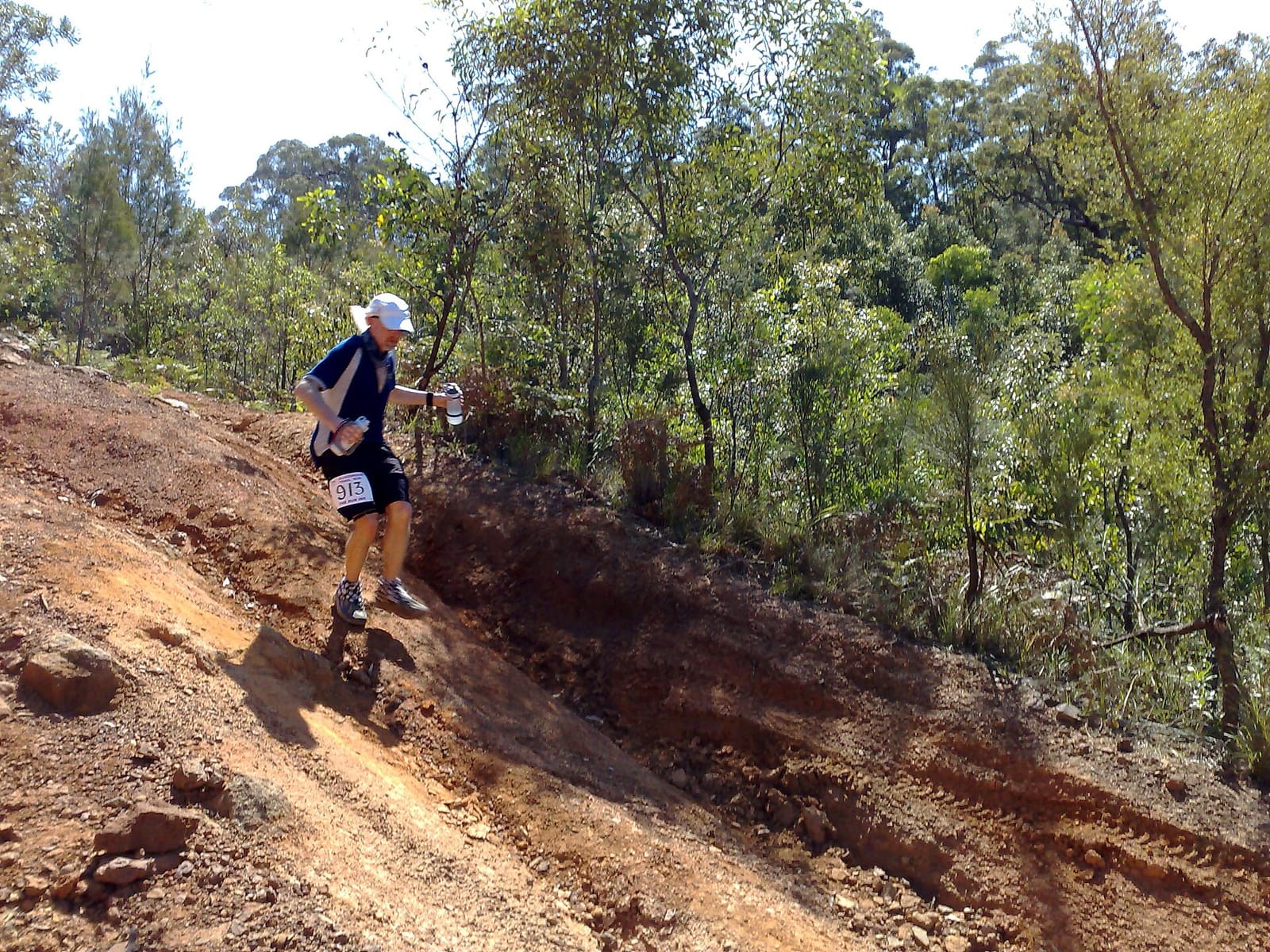
| Climbing in the summer sun | Thin base layer + cap (windproof in the pack) |
| Windy summit in summer | Base + thin fleece + windproof |
| Mild rain | Base + waterproof (no mid layer so you do not sweat) |
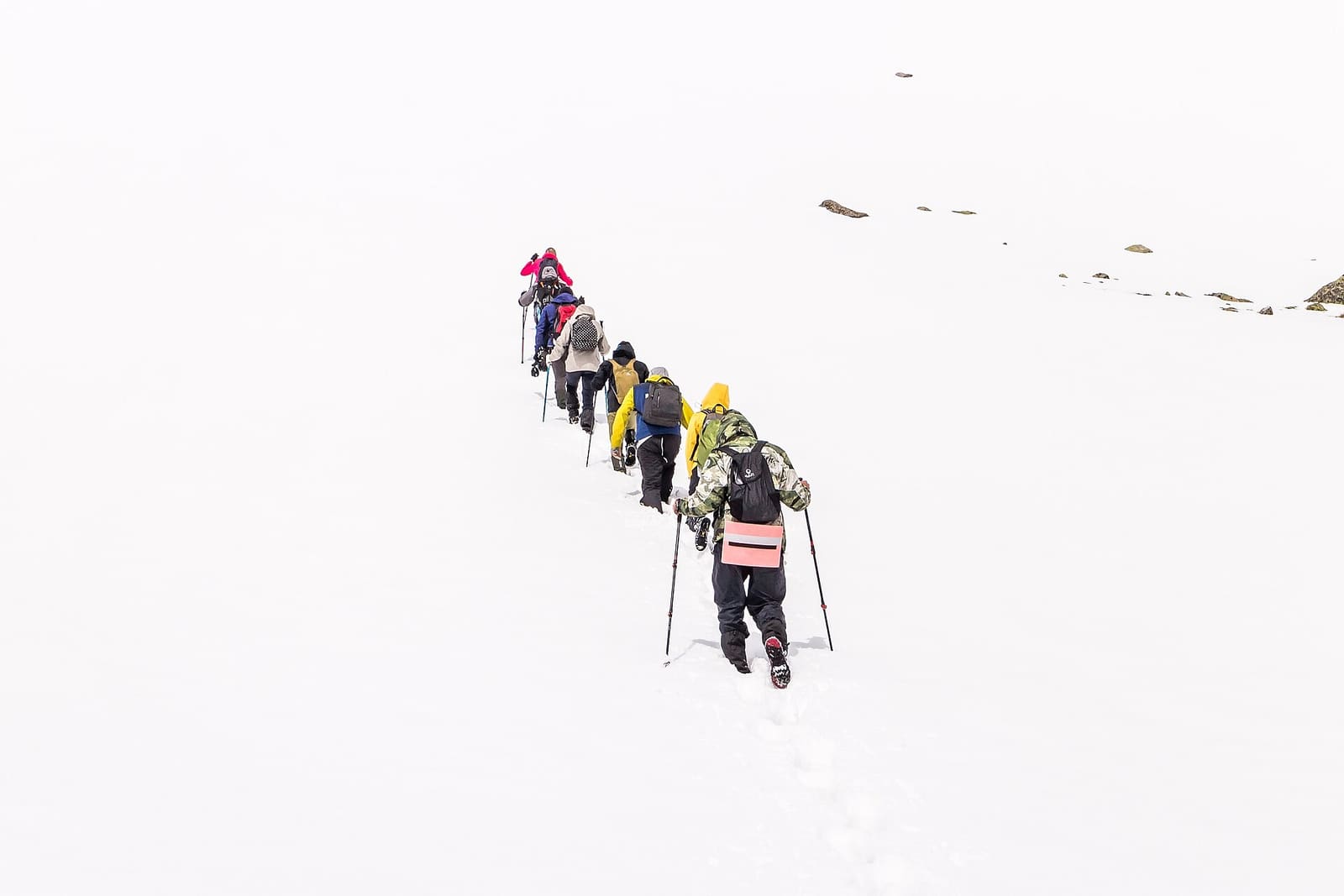
| Winter, on the move | Medium base + thin fleece + softshell or windproof |
| Winter, stopped | All of the above + down or synthetic jacket |
Common mistakes
- Setting off too warmly dressed: for the first 15 minutes you should feel a little cold.
- Not stopping to remove layers out of laziness: then you end up soaked.
- Forgetting your waterproof because “no rain was forecast”.
- Wearing jeans: heavy, they do not dry and give no warmth when wet.
- Leaving your down jacket at home in summer if you will be at altitude or sleeping out. For a night in the mountains, check our gear list.
With a good layering system you do not need very expensive clothing: you need to understand what each garment is for and use it at the right moment.
Sources and references
This is original editorial content based on the sources cited. Spotted a mistake? Let us know and we will fix it under our corrections policy.