Sleeping bags: how to read comfort, limit and extreme temperatures (and not get cold)
A '-5 °C' bag can leave you shivering at 2 °C if you misread the label. We explain the European temperature standard, down versus synthetic, and why your mat matters as much as your bag.
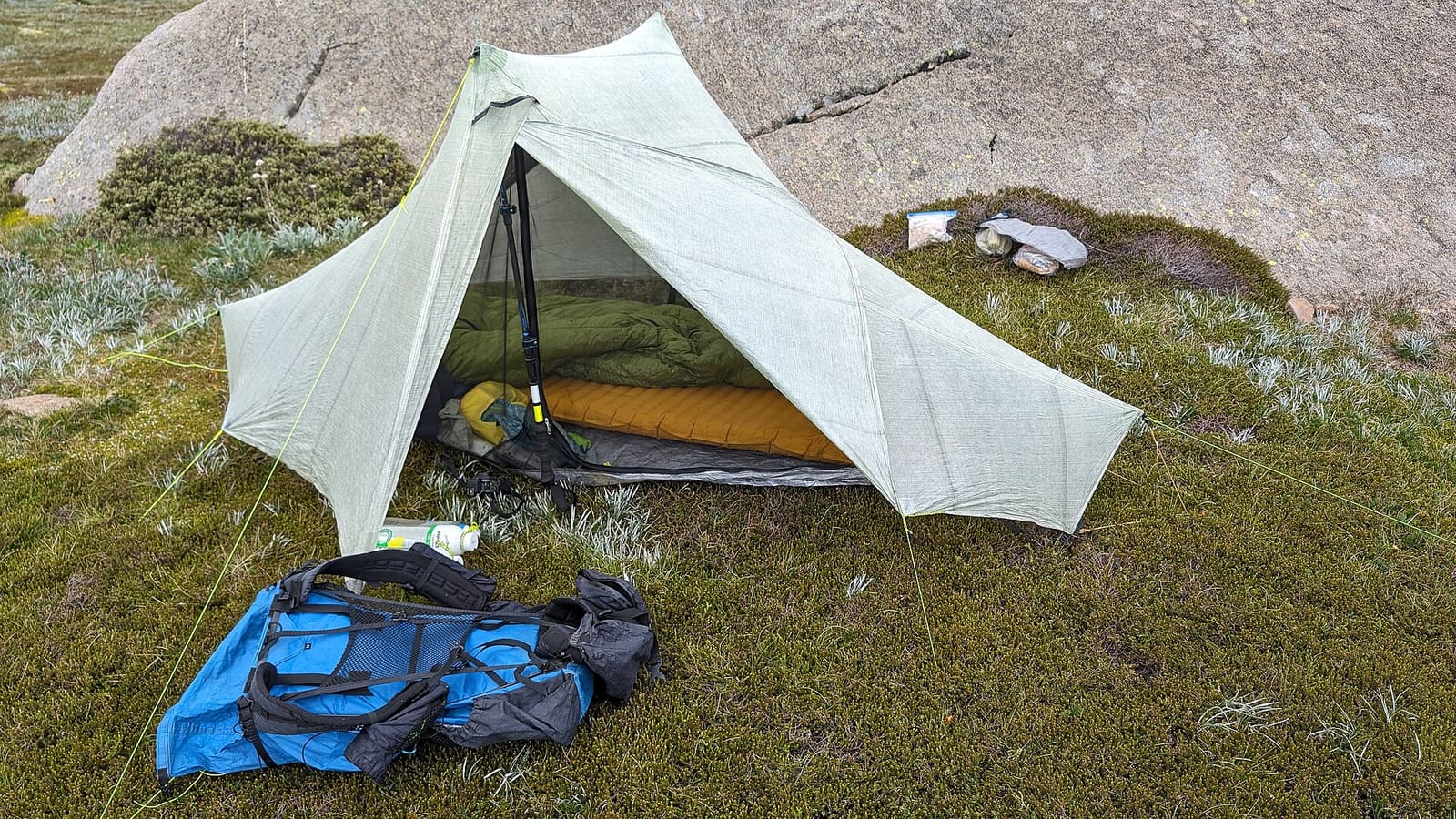
Few things ruin a trek like a sleepless night spent shivering. And often the problem is not that the bag is bad, but that it was chosen badly or its label was misread. Let us sort it out.
The three temperatures on the label
The ISO 23537 standard, which replaced the old EN 13537 in 2016, sets a common laboratory method for measuring a bag’s insulation. On the label you will find:
| Temperature | What it means |
|---|---|
| Comfort (T-comf) | The temperature at which a standard person (female reference) sleeps comfortably in a relaxed position |
| Limit (T-lim) | The temperature at which a standard person (male reference) sleeps curled up without excessive cold |
| Extreme (T-ext) | A survival temperature: risk of hypothermia. It is not a temperature to sleep at |
Choose by the comfort temperature. The extreme one is a safety figure, not a usage one.
These figures are measured with a mannequin, standard underwear and a reference mat. If you get cold easily, add a few degrees of margin.
Down or synthetic
Down
- Pros: the best insulation for its weight, very compressible and durable if looked after.
- Cons: loses insulating power when wet; more expensive.
- Fill power: indicates the down’s ability to expand. The higher it is (for example 600, 750, 850), the more it insulates per gram. The down/feather ratio (90/10, for example) also matters.
Synthetic fill
- Pros: insulates even when damp, cheaper, easy to wash.
- Cons: heavier and bulkier for the same temperature; loses loft over the years.
Which should I choose?
- Dry cold and weight critical (high mountains, long treks): down.
- Humid climates, heavy use or a tight budget: synthetic.
- Summer and huts: a light bag or a sleeping bag liner may be enough.
At the end of the article you will find a comparison by product type.
The mat: half of the system
The ground steals heat by conduction, and the bag, squashed under your weight, insulates very little underneath. A mat’s insulating ability is expressed as its R-value, measured since 2020 with the ASTM F3340 standard:
- R 1–2: summer.
- R 3–4: three seasons.
- R 5 or more: winter and snow.
You can combine two mats and add their R-values together.
Tricks to sleep warmer
- Eat something with fat and carbohydrates before going to sleep.
- Get into your bag warm, not shivering: walk around a little first.
- Wear dry clothes to sleep, plus a hat and socks.
- A liner adds a few degrees and protects the bag.
- Do not cover your face with the bag: the moisture in your breath condenses inside.
- Ventilate the tent to reduce condensation.
Caring for your bag
- Store it loose, not compressed, in a large storage sack.
- Wash it rarely and with specific products (especially if it is down).
- Dry it thoroughly before storing it.
If you are preparing your first night out, review the gear list for sleeping in the mountains. And if the sky is clear, it might be a good night to look for the Milky Way.
Options by product type
Down-filled bag
Down sleeping bag
The best warmth-to-weight ratio and packability. Ideal for cold, dry mountain conditions, but sensitive to moisture.
Best for: Treks and high mountains in dry, cold conditions
Pros
- Very light for the warmth
- Packs down small
- Long life if well cared for
Cons
- Loses insulation when wet
- More expensive
- Needs careful washing and drying
Synthetic-filled bag
Synthetic sleeping bag
Bulkier and heavier than down for the same temperature, but keeps you warmer when damp and costs less.
Best for: Wet climates, camping, frequent use or tight budgets
Pros
- Insulates even when damp
- Cheaper
- Easy to wash and maintain
Cons
- Heavier and bulkier
- Loses loft over years of compression
Warm-weather bag or quilt
Light summer bag or quilt
Minimal weight for mild nights, staffed huts or summer bivouacs at low altitude.
Best for: Summer, huts and low-altitude camping
Pros
- Very light and compact
- Doubles as a blanket
- Affordable
Cons
- Not warm enough above a certain altitude
- Little margin if the weather turns
Quick comparison
| Feature | Down sleeping bag | Synthetic sleeping bag | Light summer bag or quilt |
|---|---|---|---|
| Best for | Treks and high mountains in dry, cold conditions | Wet climates, camping, frequent use or tight budgets | Summer, huts and low-altitude camping |
| Fill | Down (check fill power) | Synthetic fibre | Light down or synthetic |
| Performance when damp | Poor unless treated | Good | — |
| Packability | Excellent | Moderate | Very good |
| Use | — | — | Mild temperatures |
| Price | Mid to high range | Entry to mid range | Entry level |
| Where | View at NMshop | View at NMshop | View at NMshop |
Sources and references
- ISO – ISO 23537-1 standard (sleeping bags)
- ASTM F3340 – Measuring sleeping pad R-value
- International Down and Feather Bureau (IDFB)
This is original editorial content based on the sources cited. Spotted a mistake? Let us know and we will fix it under our corrections policy.