The 15 most dangerous mountains in the world and why
Not all dangerous mountains are dangerous for the same reason. Some kill with avalanches, others with altitude, unpredictable weather or because they look easier than they are. Fifteen summits and their reasons.
Talking about “the most dangerous mountain in the world” is an oversimplification. Danger depends on the route, the season, the year, the climber’s experience and even how many people are on it. What we can do is understand why certain mountains have such a fearsome reputation. Here are fifteen of them, each with its main reason.
The giants of the Himalaya and Karakoram
1. Annapurna I (8,091 m, Nepal) — avalanches
It was the first 8,000-metre peak to be climbed (1950) and for decades the one with the most deaths per ascent, proportionally. Its north side is exposed to avalanches and seracs that fall without warning. The statistics have improved in recent years, but it remains a feared mountain.
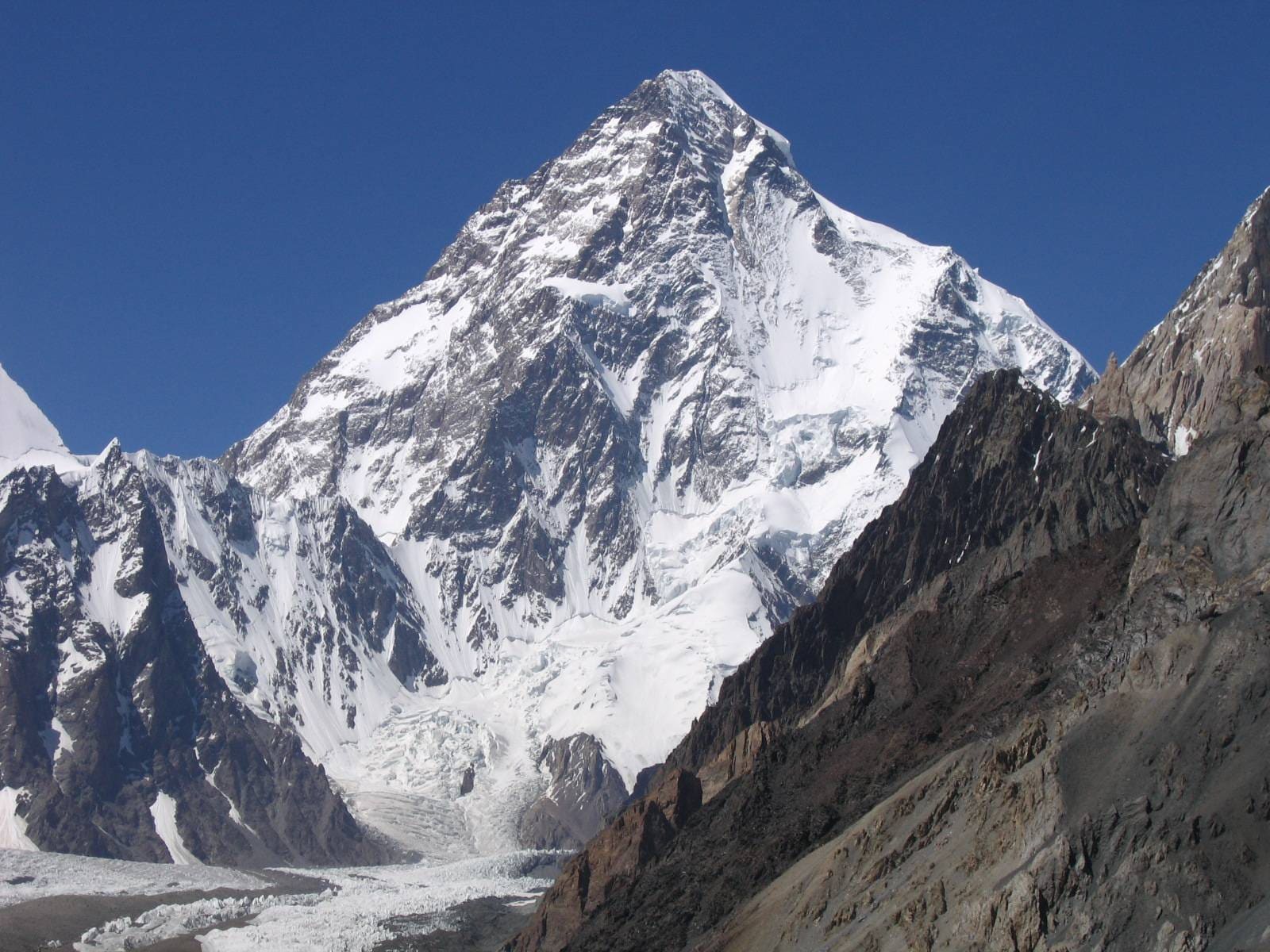
2. K2 (8,611 m, Pakistan–China) — the “savage mountain”
The second-highest summit on the planet is steeper, more technical and colder than Everest, with very unstable weather. The “Bottleneck”, a couloir beneath a huge serac at about 8,200 metres, has been the scene of tragedies. It was the last 8,000er to be climbed in winter: a team of ten Nepalese climbers did it in January 2021.
3. Nanga Parbat (8,126 m, Pakistan) — the “killer mountain”
It earned its nickname because of the many deaths on expeditions in the 1930s. Its Rupal Face is one of the highest mountain walls in the world. It was first climbed in 1953 by Hermann Buhl, who reached the summit alone.
4. Kangchenjunga (8,586 m, Nepal–India) — remoteness
The third-highest mountain is long, remote and exposed to avalanches. Traditionally, many climbers stop a few metres below the summit out of respect for local beliefs, as its first ascensionists did in 1955.
5. Dhaulagiri (8,167 m, Nepal) and 6. Manaslu (8,163 m, Nepal) — avalanches and crowds
Two 8,000ers with histories marked by avalanches. On Manaslu, an avalanche in 2012 killed eleven people at a camp. Its growing commercial popularity adds the risk of overcrowding.
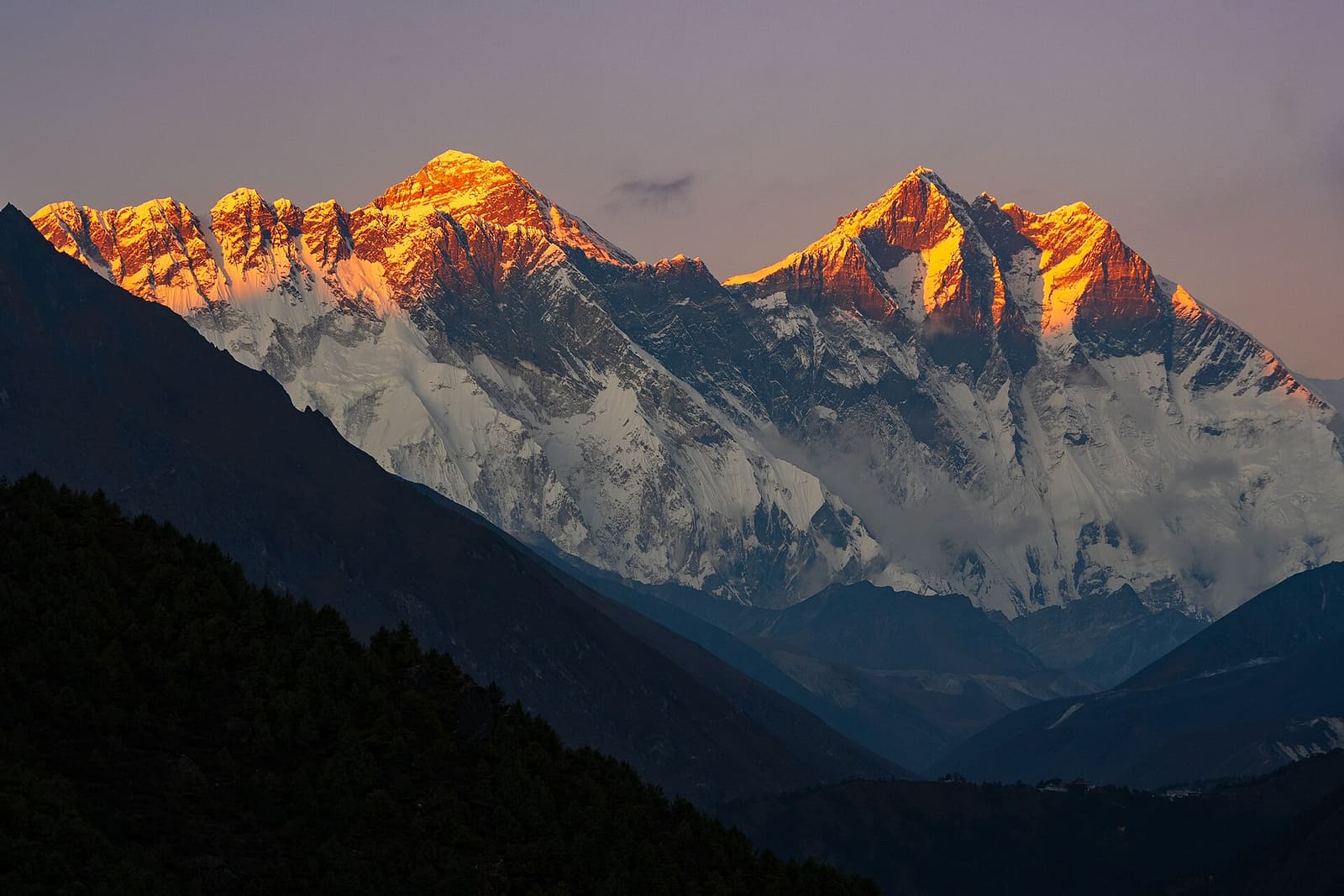
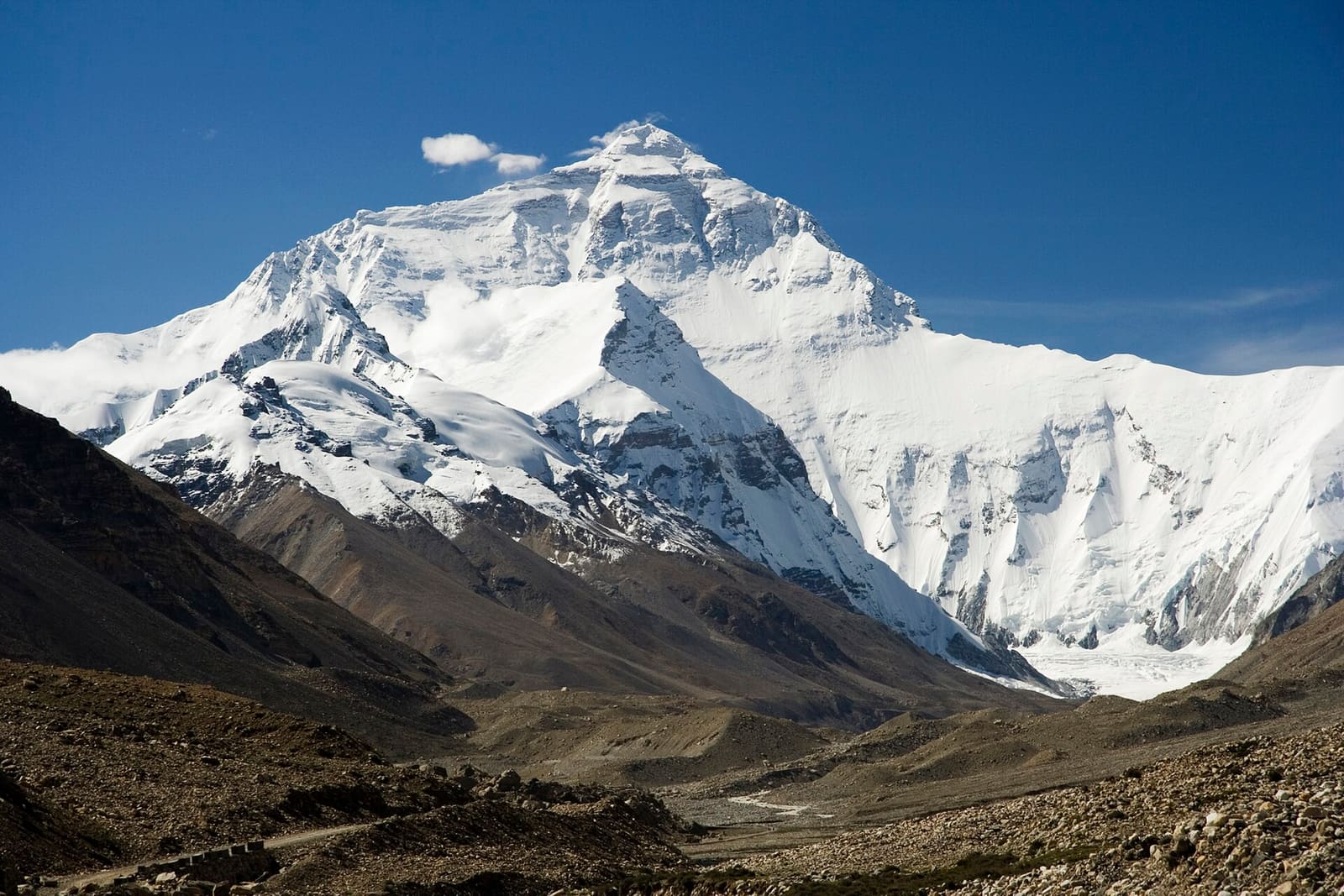
7. Everest (8,849 m, Nepal–China) — altitude and crowds
It is not the most technical, but its extreme height, the Khumbu Icefall and the queues on the final ridge make it dangerous. We explain it in Everest’s new rules.
8. Baintha Brakk, “the Ogre” (7,285 m, Pakistan) — technique
After its first ascent in 1977 —with Doug Scott descending with broken legs— 24 years passed before the second. It is sustained technical difficulty at high altitude that makes it an extreme challenge.
At great heights, the danger is rarely just one thing: it is the sum of cold, hypoxia, fatigue and decisions made with a brain at its limit.
The Alps
9. Eiger, north face (3,967 m, Switzerland) — the wall of death
Its Nordwand, about 1,800 metres high, claimed several lives in the 1930s before its first ascent in 1938. Rockfall, ice and weather that changes within hours.
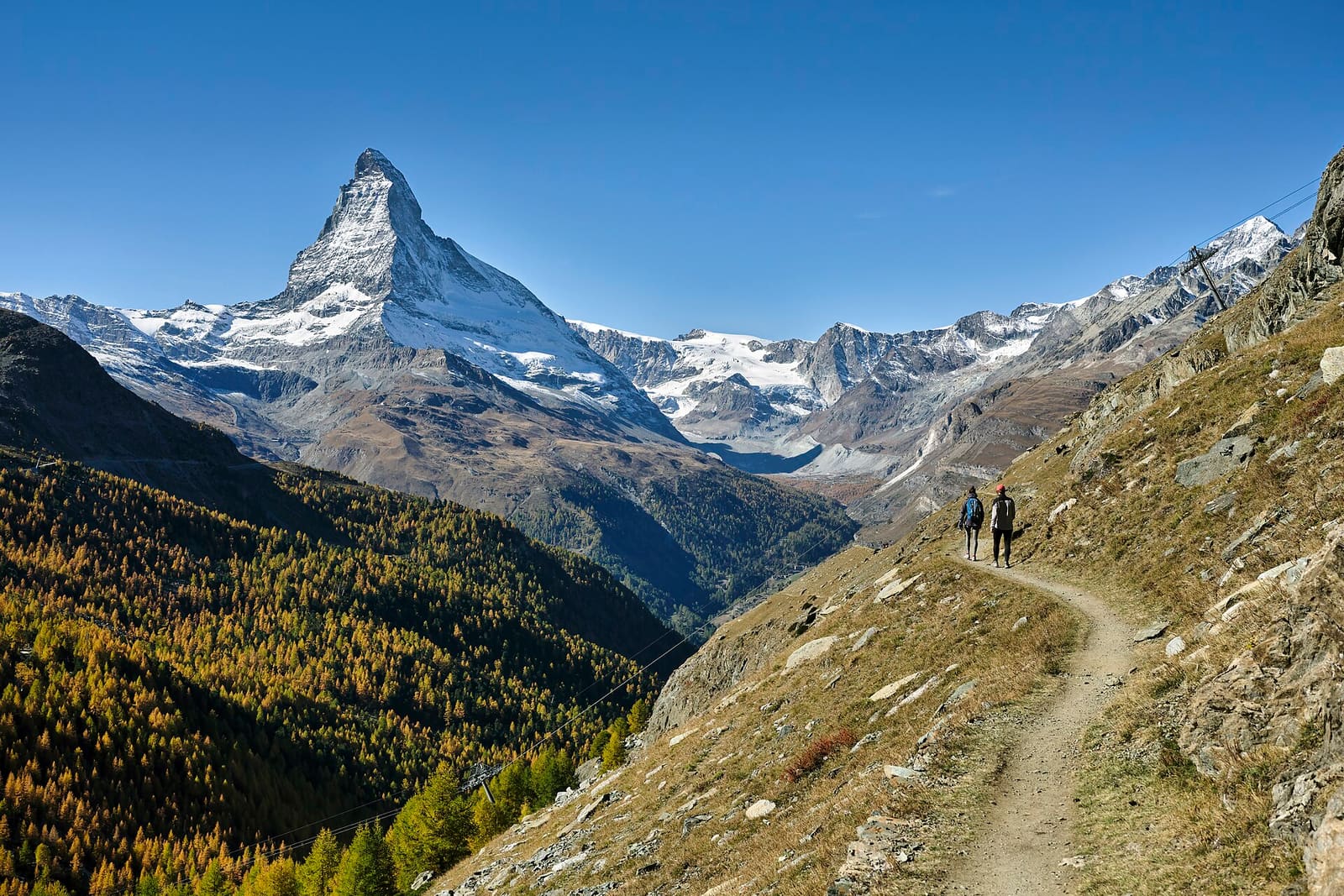
10. Matterhorn (4,478 m, Switzerland–Italy) — popularity
Its first ascent, in 1865, ended with four deaths on the descent. Today its normal route is very busy, with rockfall made worse in hot summers and a ridge where it is easy to go off route.
11. Mont Blanc (about 4,800 m, France–Italy) — underestimation
The highest summit in Western Europe is considered “accessible”, and that is part of the problem. The Grand Couloir du Goûter, with frequent rockfall, accounts for many accidents on the French normal route.
The Americas and other continents
12. Denali (6,190 m, Alaska) — the cold
Because of its latitude, conditions resemble those of much higher mountains: extreme cold, long storms and lower air pressure than its altitude suggests.
13. Aconcagua (6,961 m, Argentina) — deceptive ease
The highest summit outside Asia has a non-technical normal route. That is why many underestimate it and suffer altitude sickness, cold and the dreaded viento blanco (white wind). We explain it in what happens to your body above 3,000 metres.
14. Cerro Torre (3,128 m, Argentina–Chile) — Patagonian weather
A granite spire topped by unstable ice mushrooms and battered by winds from the Southern Patagonian Ice Field. Its history includes one of the most famous controversies in mountaineering.
15. Mount Washington (1,917 m, USA) — the weather
The lowest on the list and one of the most treacherous for hikers. In 1934 its observatory recorded a gust of about 372 km/h, for decades the world record for surface wind speed. Sudden storms, fog and extreme cold have killed many poorly equipped hikers.
What they all teach
- A mountain is not dangerous because of its height, but because of its conditions.
- Preparation and acclimatisation reduce risks, but do not eliminate them.
- Turning back in time is the bravest decision.
And you do not need to climb an 8,000er to get caught in a storm: learn to recognise the warning signs.
Sources and references
- Himalayan Database
- American Alpine Club – Accidents in North American Climbing
- Mount Washington Observatory
This is original editorial content based on the sources cited. Spotted a mistake? Let us know and we will fix it under our corrections policy.