Jost Kobusch returns to Nepal to attempt Everest in winter, solo and without oxygen
His best so far is 7,537 metres. This autumn he is acclimatising in the Annapurna region, wants to reach 8,000 m before winter and plans to start on Everest on 22 December. He puts his own chances at 20%.
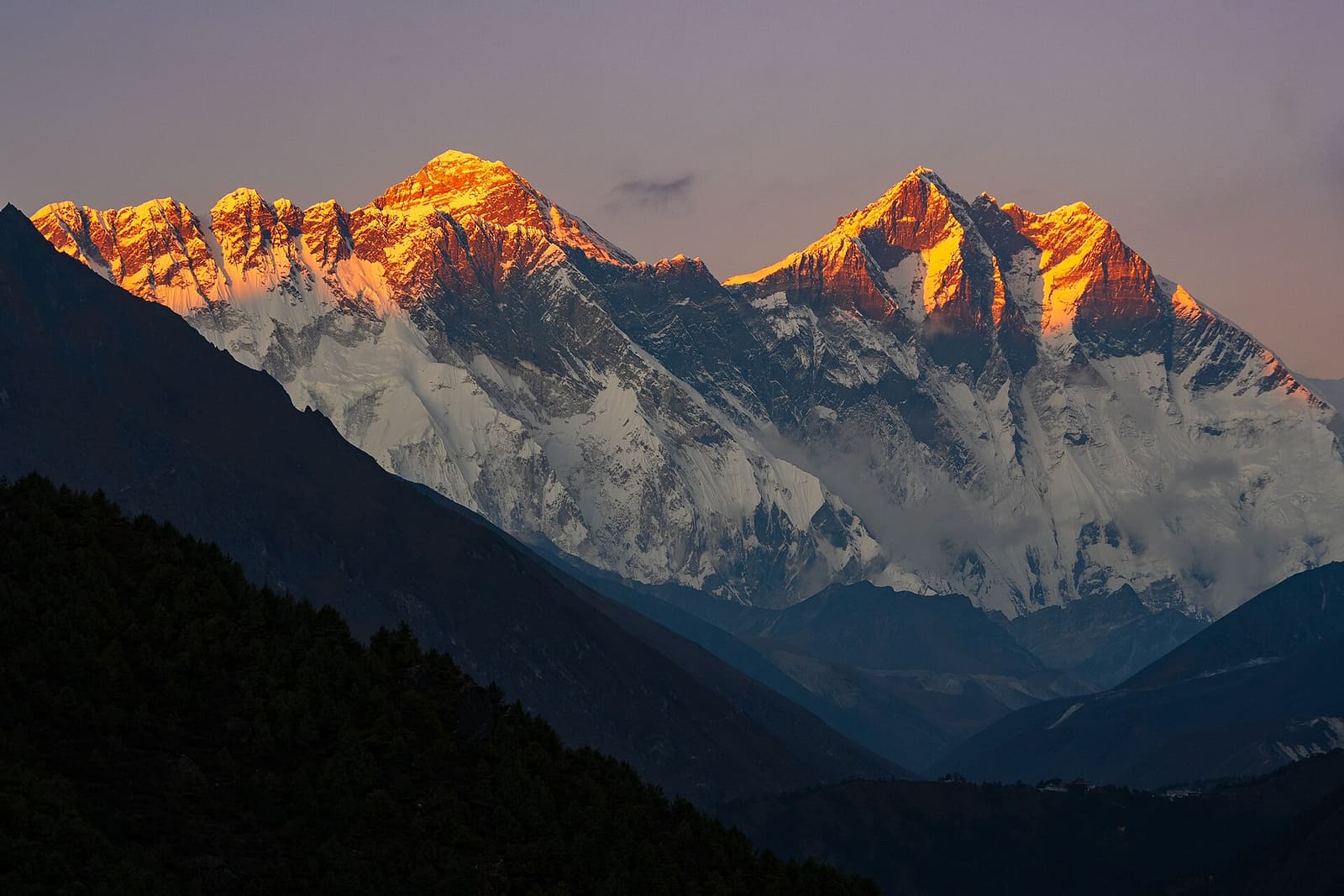
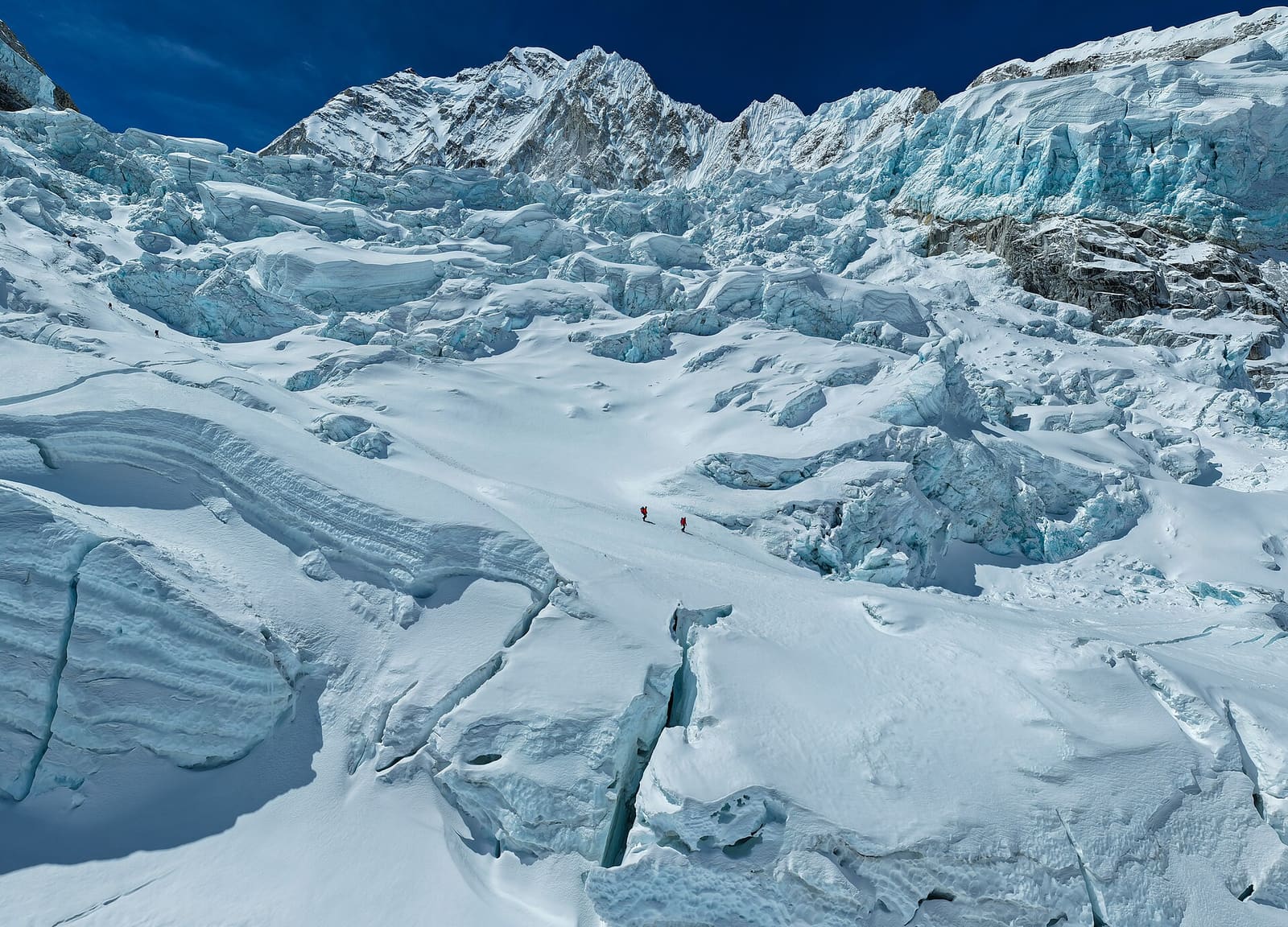
Few goals in modern mountaineering are as radical as the one German climber Jost Kobusch is chasing: Everest in winter, solo, without bottled oxygen and unsupported, on a route far from the normal one, the Lho La and the West Ridge. This week he confirmed he will try for the fourth time.
A six-year project
Kobusch, 34, has been working on this idea since 2019. His record:
| Season | Result |
|---|---|
| 2019–2020 | Reaches the West Shoulder and climbs above 7,300 m |
| 2021–2022 | Wind keeps him below 6,400 m |
| 2022–2023 | Cancelled: he catches dengue while training in Nepal |
| 2023–2024 | Postponed due to a back injury |
| 2024–2025 | Reaches his highest point: 7,537 m, on 27 December |
In between, in February and March 2023, he soloed Denali (Alaska) in winter.
This autumn’s preparation
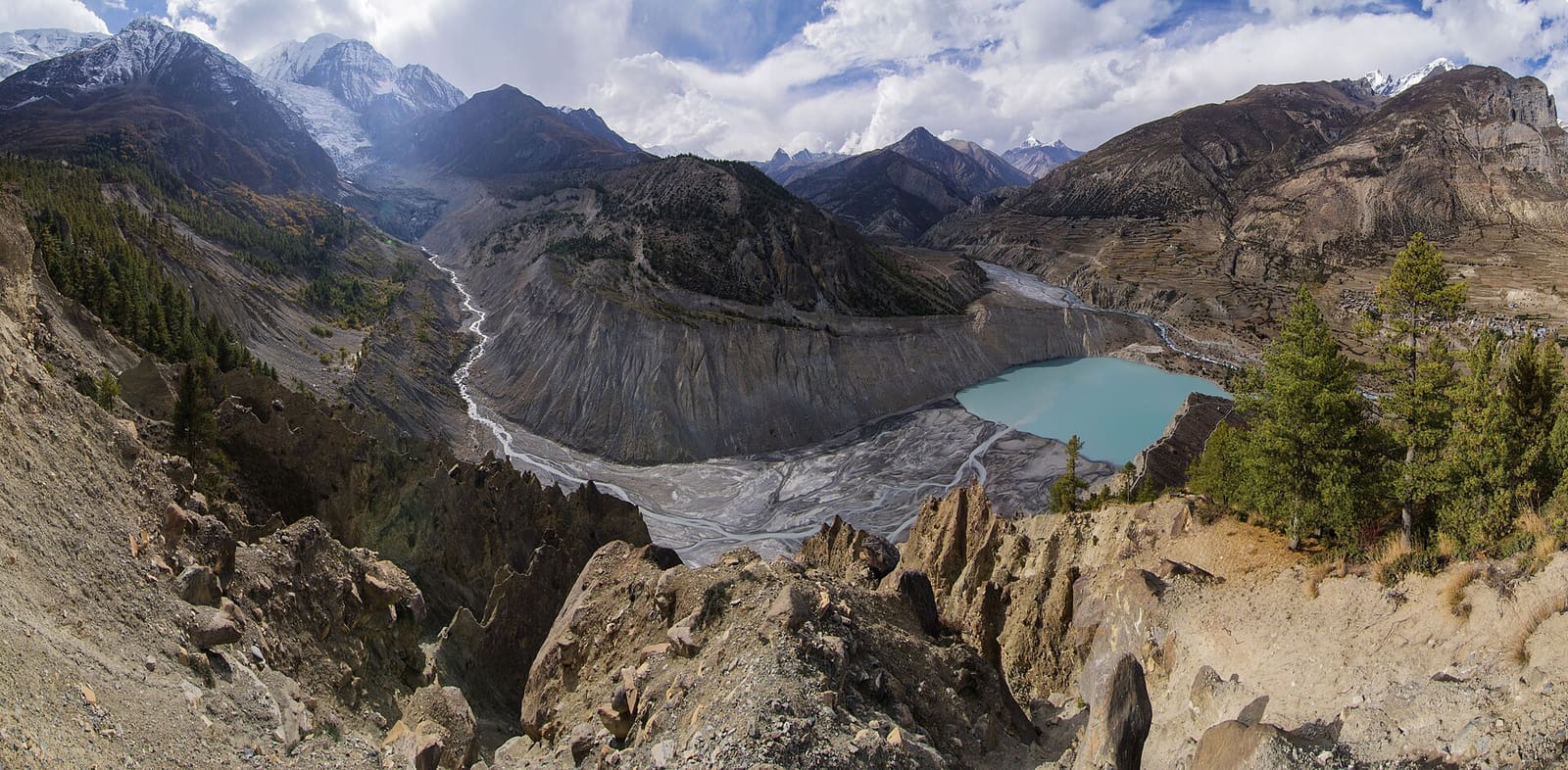
As he told ExplorersWeb, he arrived in Kathmandu about two weeks ago with Nicolas Scheidtweiler, Ella Bruemmer and photographer Alex Pichon. The team moved to Manang, in the Annapurna region, to acclimatise in the Chulu range. They wanted to link the four Chulu summits, all above 6,000 m, but stopped at the second because one member was exhausted. They did complete a traverse from Chulu Far East (6,059 m) to Chulu East (6,584 m) from the south-east, a line Kobusch considers new.
His next steps:
- Climb a 7,000-metre peak in the area.
- Move to the Khumbu in November.
- Reach 8,000 metres on another mountain before winter.
- Start on Everest on 22 December, when astronomical winter begins.
“If I am good at something, it’s planning,” says Kobusch, who will arrive at Base Camp fully acclimatised.
A 20% chance
Two photographers will be at Base Camp, but on the mountain he will be alone. He is realistic: he puts his chances of success at around 20%. In winter, Everest is hit by the jet stream, with winds that can exceed 150 km/h at altitude, extreme temperatures and very short days.
The same ridge has just turned back a Russian expedition in autumn, in much milder conditions. To understand what spending days above 7,000 metres without oxygen means, read what happens to the body at altitude.
Sources and references
This is original editorial content based on the sources cited. Spotted a mistake? Let us know and we will fix it under our corrections policy.