Everest's West Ridge stops the Russian expedition again: a second attempt without success
Three Russian climbers are attempting one of Everest's hardest and least repeated routes this autumn. After two days of struggle above the Lho La, coughing, fatigue and harder terrain than expected have forced them back down to Base Camp.
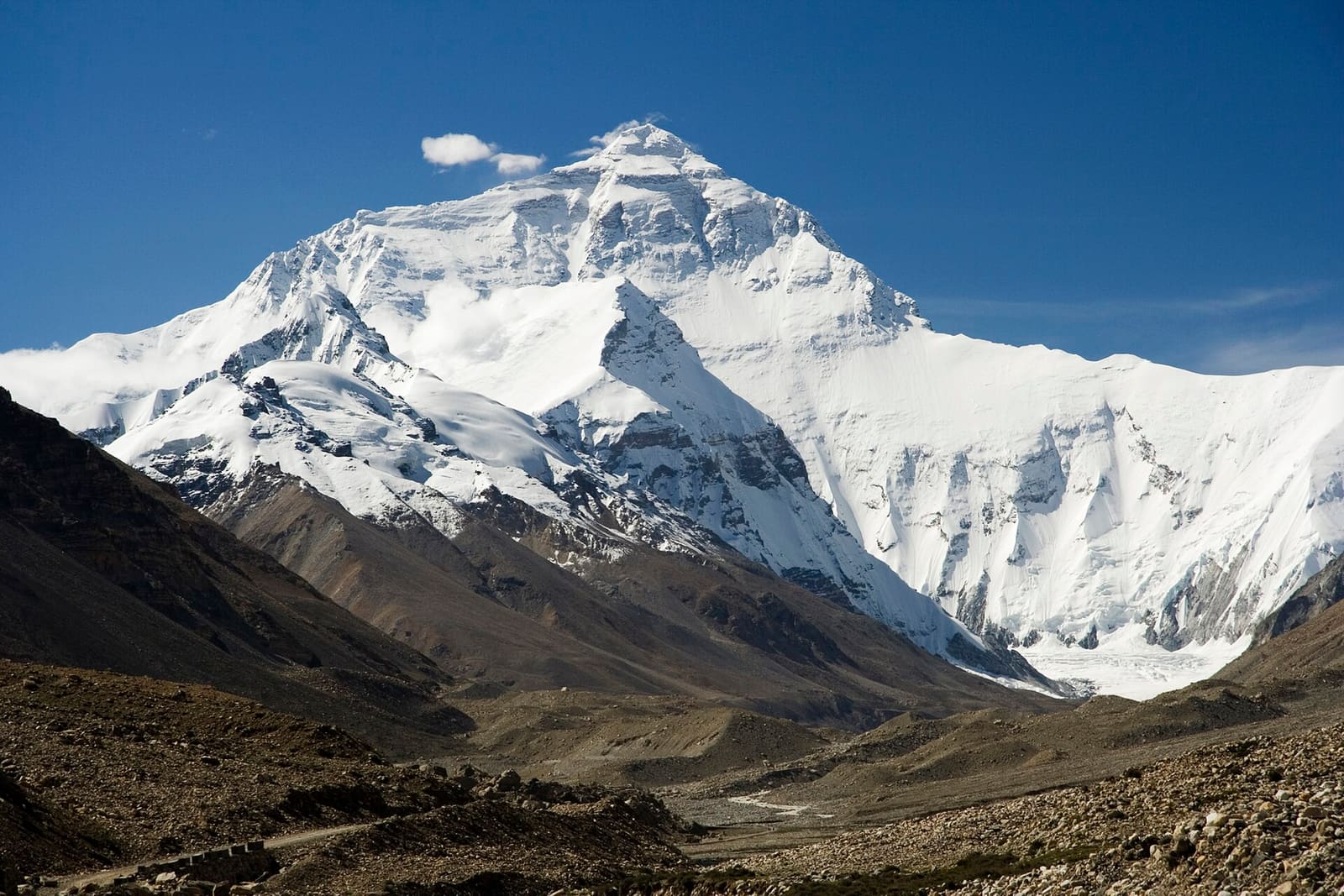
While most Everest expeditions gather in spring on the normal route, a small Russian team chose autumn and one of the mountain’s most demanding lines: the West Ridge. And the mountain has shut the door on them again.
Who they are
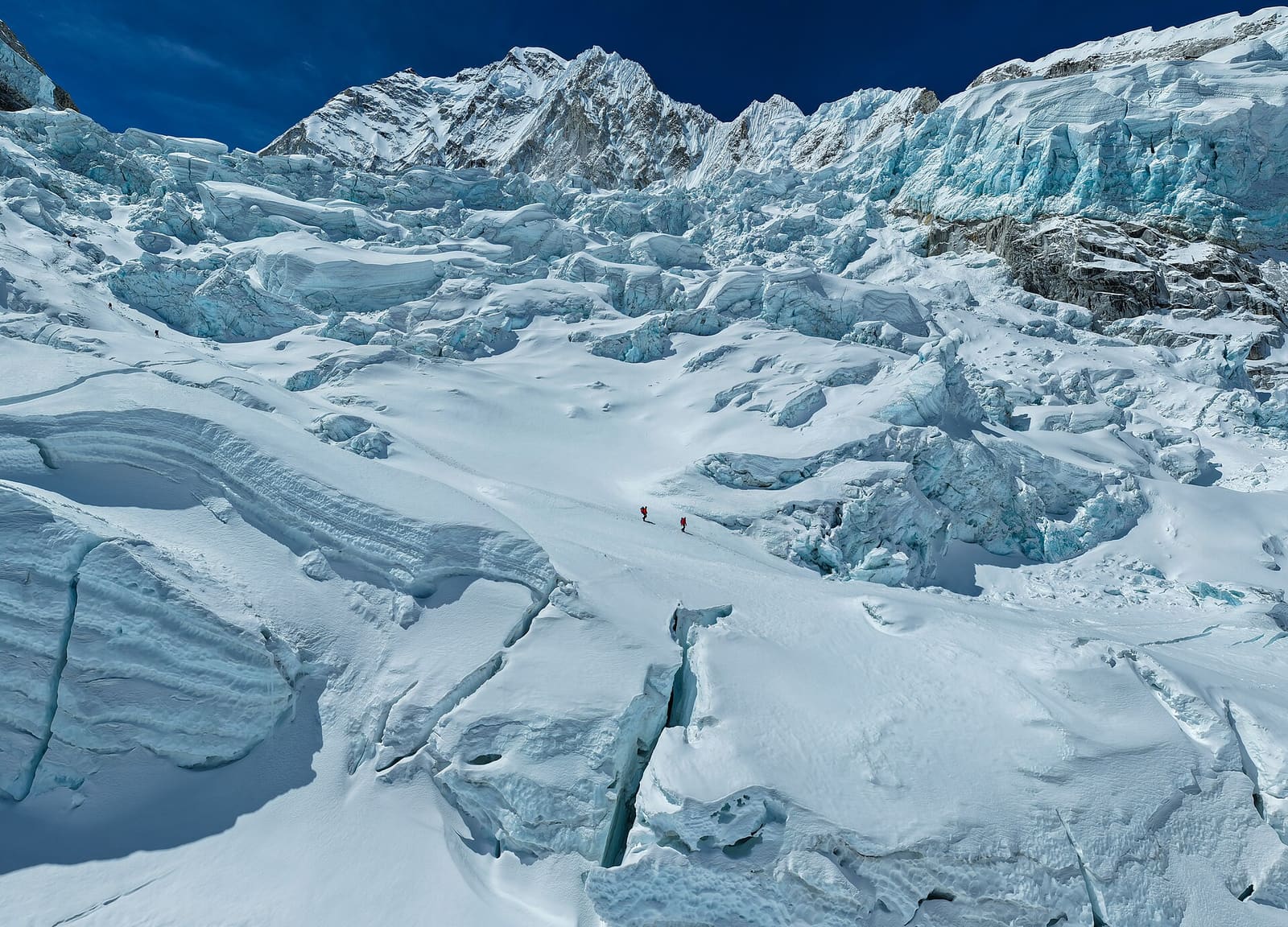
The expedition is led by Andrei Vasiliev, with Serguey Kondrashkin and Vitaly Shipilov. They started as four, but Natalya Belyankina had to leave because of illness. The group had initially ruled out the Khumbu Icefall and chose to reach the ridge via the Lho La, the pass between Everest and Khumbutse on the border with Tibet.
A second attempt against the clock
On 20 October they returned to the Lho La, pitched their tent on the wide plateau beyond and fixed more rope higher up. The plan for Wednesday was ambitious: climb to 7,500 metres, spend the night there, scout the upper terrain and return to the plateau.
They did not make it. According to ExplorersWeb, the terrain proved harder than expected: steep snow slopes hiding rock steps, which forced slow progress. Add to that heavy packs and a persistent cough. At their highest point there was no suitable bivouac spot, so they had to retreat to where they could pitch the tent.
“We’re heading down; we’re sick and need to recover,” Vasiliev summed up.
Ironically, the weather was on their side: sun, light winds and cold.
Why the West Ridge is so feared
The West Ridge is long, exposed to the wind and technically complex in its upper part, and it has been repeated very few times since its first ascent in 1963. It means spending days above 7,000 metres, where the body inevitably deteriorates. To understand why, read what happens to your body above 3,000 metres.
What comes next
The team has returned to Base Camp to recover. Whether they try again will depend on their health and the weather window before winter arrives, when the West Ridge will get another visitor: German climber Jost Kobusch, preparing his fourth solo winter attempt on the same route.
For the broader context of the mountain, see Nepal’s new rules for Everest.
Sources and references
- ExplorersWeb – Everest West Ridge Thwarts Climbers a Second Time (22/10/2026)
- ExplorersWeb – Everest Climbers Return to West Ridge With One Member Less (19/10/2026)
This is original editorial content based on the sources cited. Spotted a mistake? Let us know and we will fix it under our corrections policy.