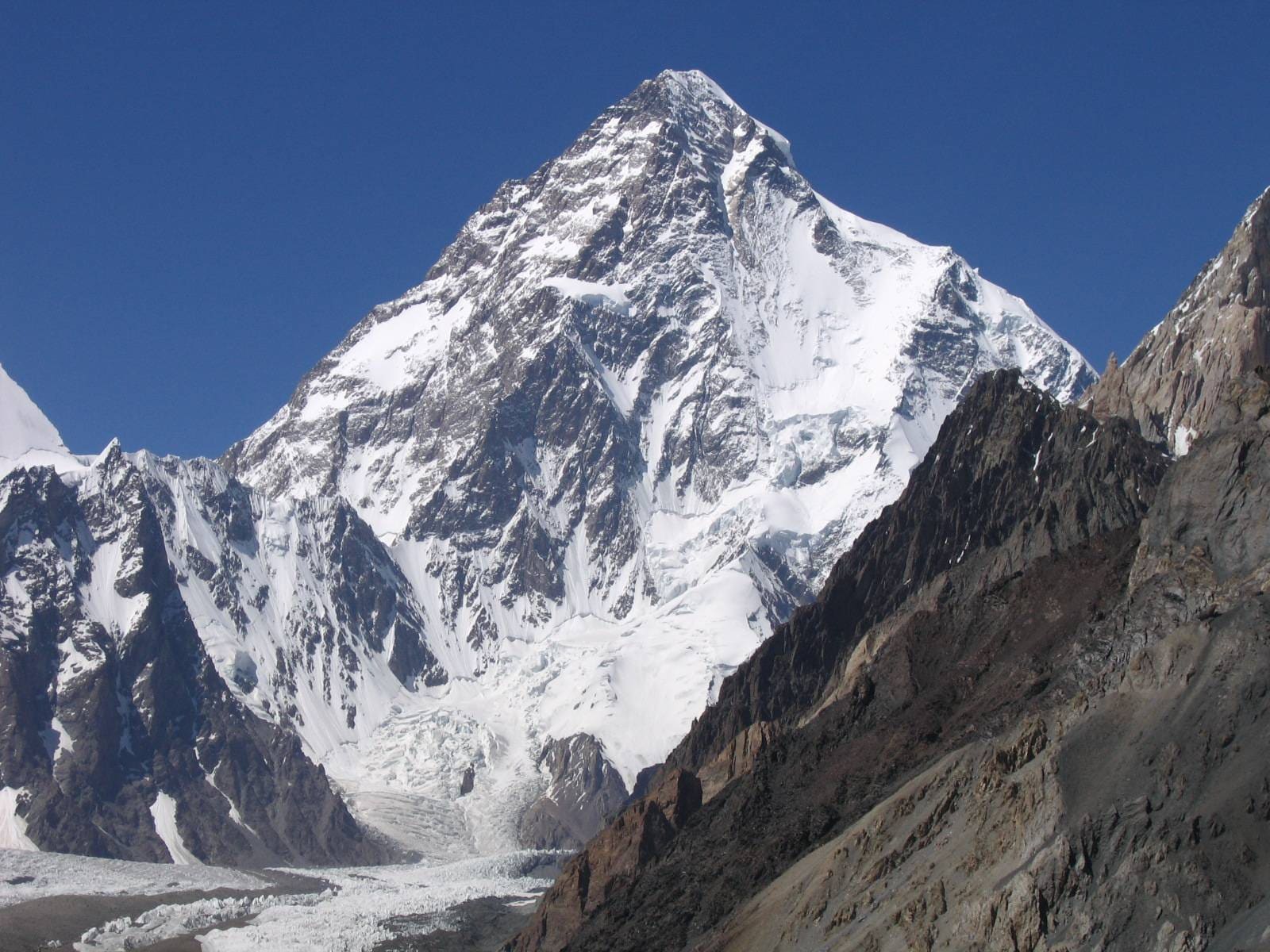
The animals that live at the highest altitudes on the planet
Where a human struggles to breathe, some animals live, hunt and breed. A mouse on the summit of an Andean volcano, a spider above 6,000 metres and a goose that can fly over the Himalaya.
Above 5,000 metres, every breath carries roughly half the oxygen it would at sea level. For an unacclimatised human it is hostile territory: headaches, breathlessness, insomnia. Yet some animals have made those heights their home. These are some of the most astonishing records.
1. The mouse on the summit of Llullaillaco (6,739 m)
In 2020, a scientific team led by biologist Jay Storz caught a yellow-rumped leaf-eared mouse (Phyllotis vaccarum) on the very summit of Llullaillaco volcano, on the border between Chile and Argentina, at 6,739 metres. It is the highest documented record of a mammal living in the wild. Later studies even found mummified remains of these rodents on the summits of other Andean volcanoes.
What they eat up there, where there is hardly any vegetation, is still an open question.
2. The Himalayan jumping spider (~6,700 m)
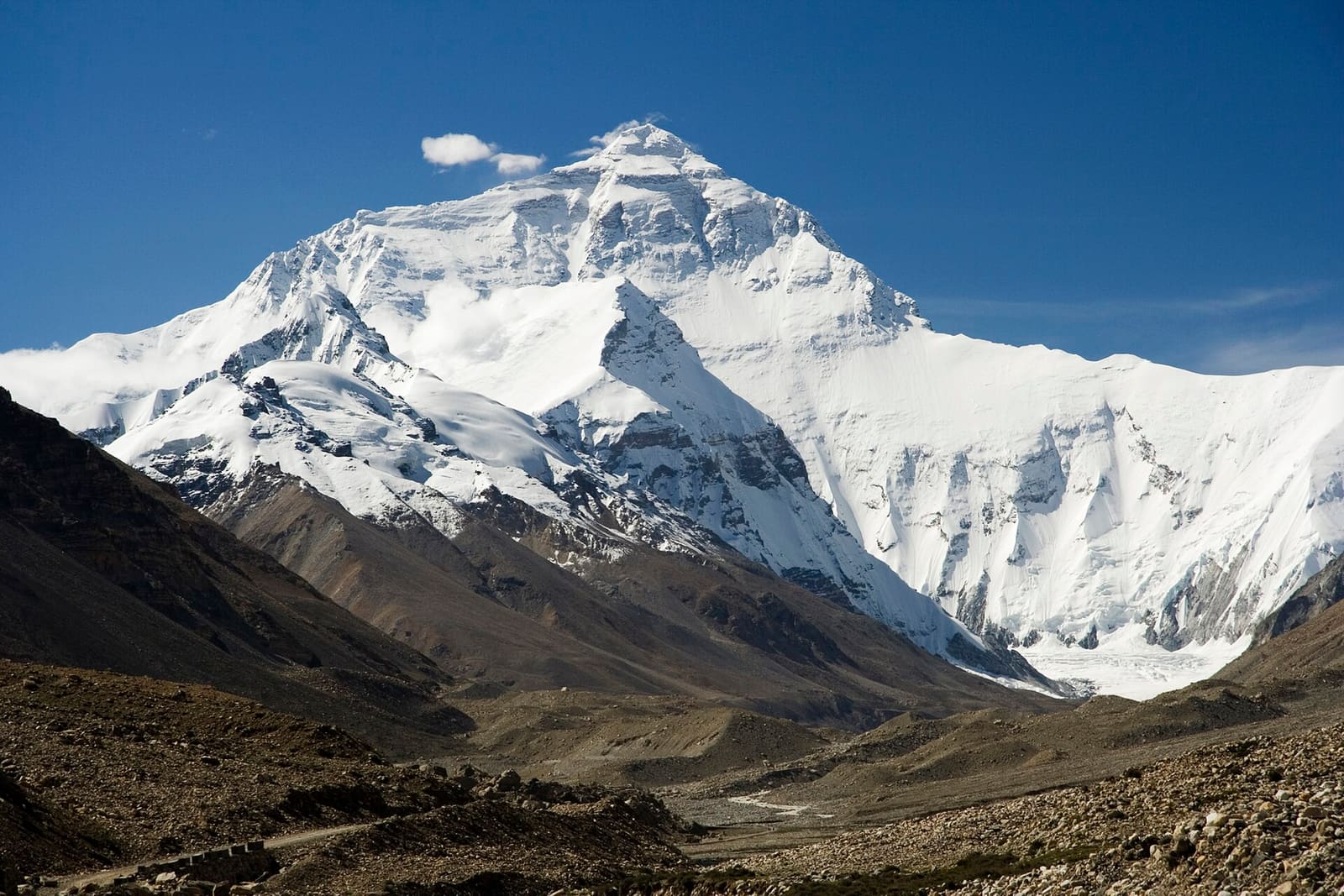
The tiny Euophrys omnisuperstes —its name means “standing above everything”— has been recorded on the slopes of Everest at about 6,700 metres. It lives among the rocks and feeds on insects and other small creatures blown up by the wind from lower down.
3. The bar-headed goose, flying over the Himalaya
The bar-headed goose (Anser indicus) migrates between Central Asia and the Indian subcontinent across the Himalaya. GPS studies have recorded flights above 7,000 metres, although most of the time it follows valleys and passes to keep its altitude down. Its secret: haemoglobin with a high affinity for oxygen, very efficient lungs and powerful wingbeats.
4. Rüppell’s vulture, the flight altitude record
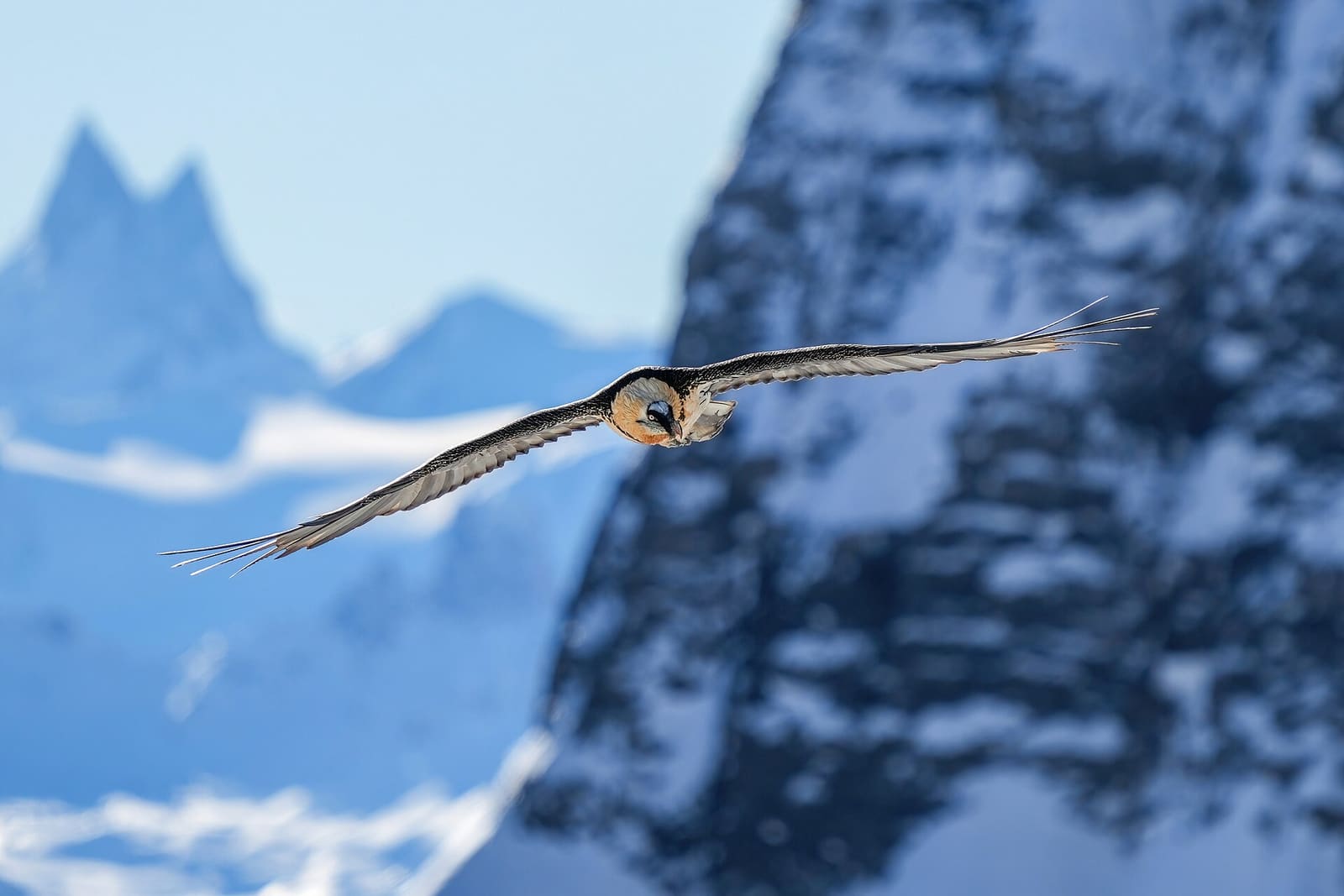
In 1973, a Rüppell’s vulture struck a commercial aircraft over Côte d’Ivoire at 11,300 metres. It is the highest documented flight of any bird. A variant of its haemoglobin allows it to take up oxygen at extremely low pressures.
5. The Alpine chough (~8,000 m)
This yellow-billed relative of the crow is common in the Alps and the Pyrenees. In the Himalaya it has been seen following expeditions at altitudes close to 8,000 metres, drawn by leftover food.
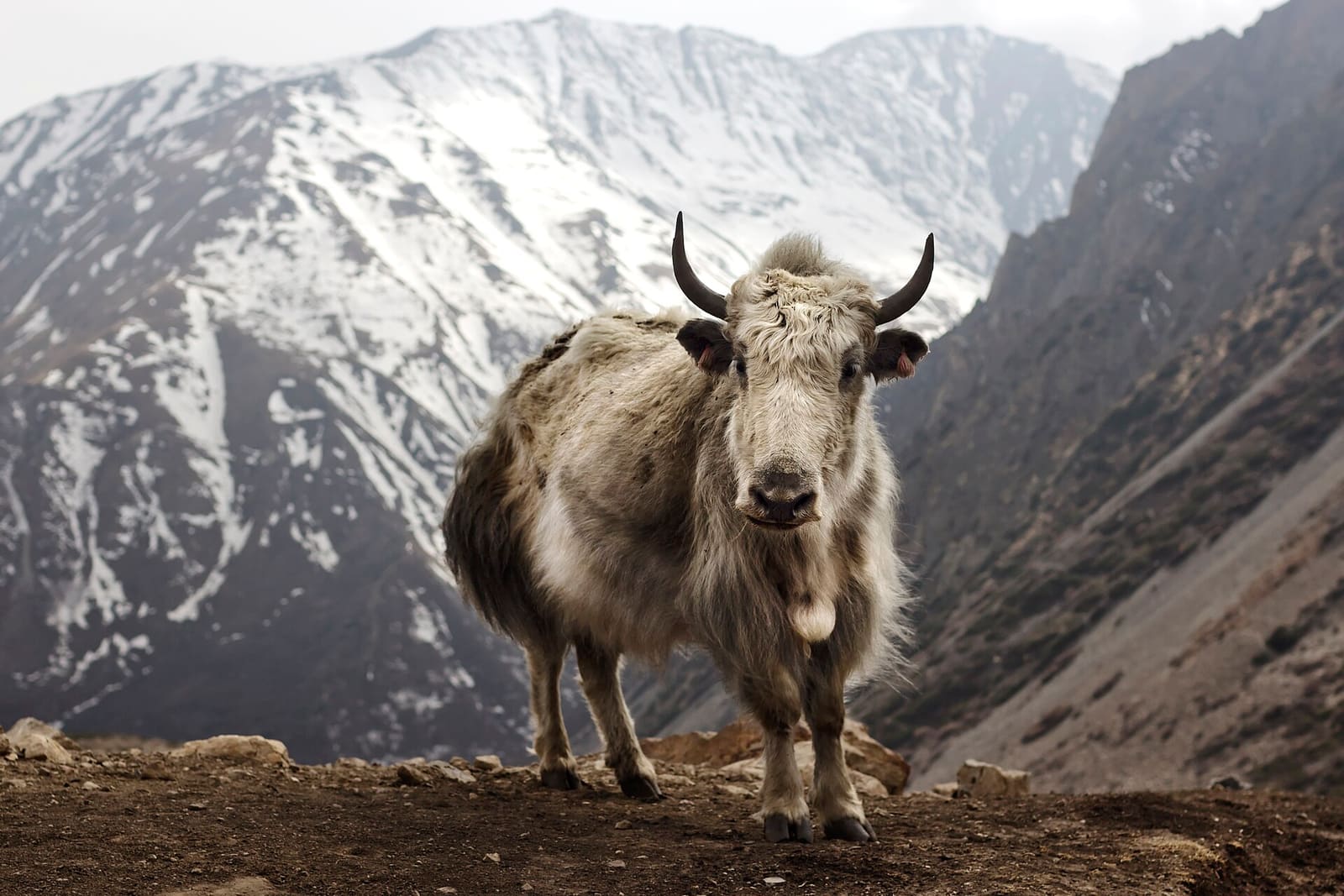
6. The yak (up to 6,000 m)
The wild yak (Bos mutus) lives on the Tibetan Plateau between about 4,000 and 6,000 metres. It has large lungs and heart, small and numerous red blood cells, and a coat so dense that it suffers more from heat than from cold.
Many adaptations to altitude are not in the muscles but in the blood: the key is how haemoglobin captures oxygen.
7. The snow leopard (3,000–5,500 m)
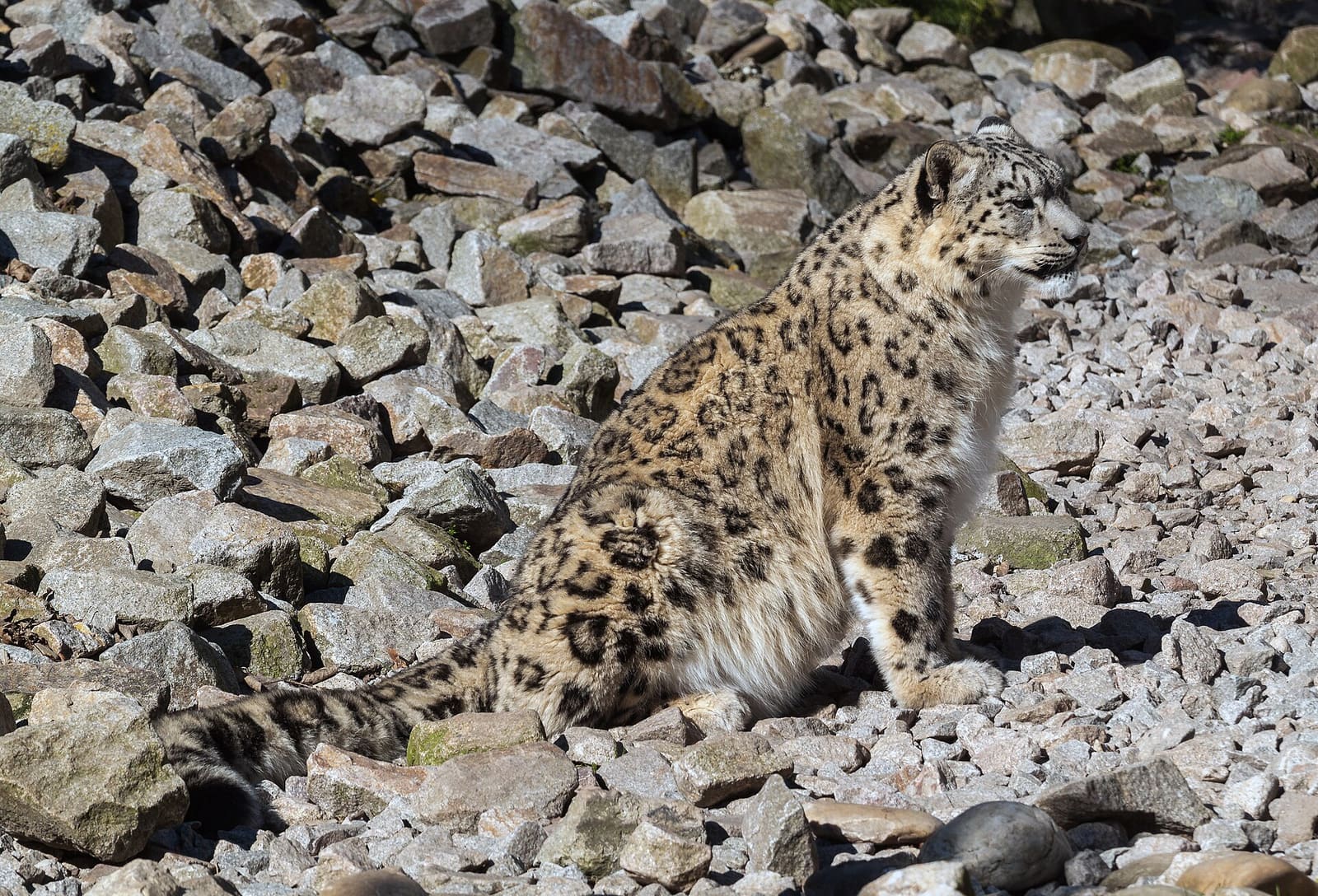
The great predator of Asia’s mountains hunts on steep terrain where oxygen pressure is very low. We tell its story in the ghost of the mountains.
8. The vicuña (3,200–4,800 m)
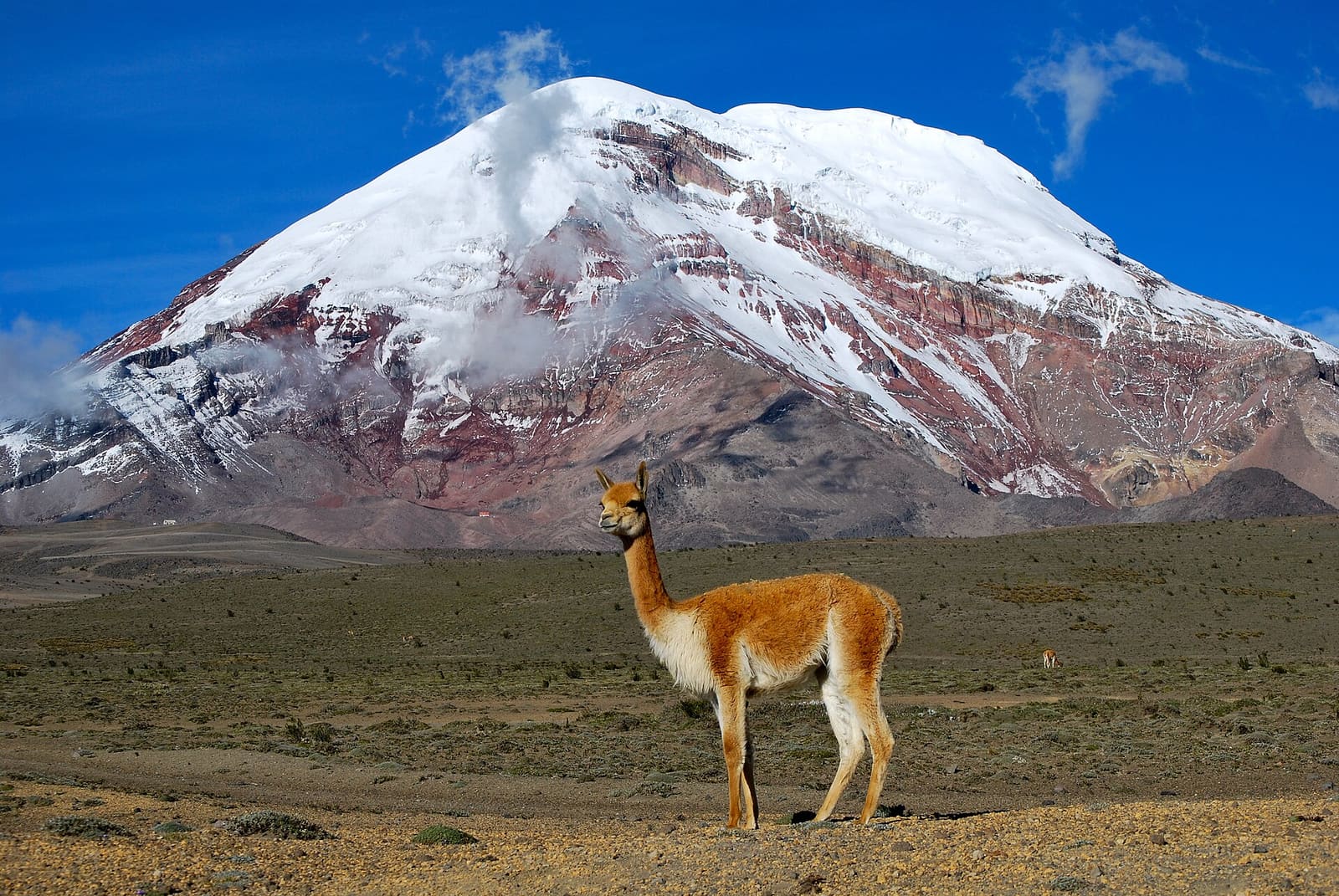
On the Andean altiplano, the vicuña has blood with a high affinity for oxygen and ultra-fine wool that protects it on sub-zero nights. It came close to extinction and has recovered thanks to community management programmes.
9. The pika (above 5,000 m)
Small relatives of rabbits, pikas live on mountain scree in Asia and North America. Some Himalayan and Tibetan species live above 5,000 metres. They do not hibernate: they store hay in “haypiles” for the winter. They are very sensitive to heat, which makes them an indicator of climate change.
10. Insects in the snow
High-mountain glaciers are home to insects and worms adapted to ice, such as North America’s ice worms, which die if the temperature rises just a few degrees above zero.
What they teach us
Studying these animals helps us understand human physiology at altitude —what fails in our bodies and why. We explain it in what happens to your body above 3,000 metres. And if extremes fascinate you, carry on with the animals that survive conditions that would kill a human.
Sources and references
- PNAS – Storz et al. (2020), rodents on the summit of Llullaillaco
- Smithsonian Magazine – High-altitude animals
- Snow Leopard Trust
This is original editorial content based on the sources cited. Spotted a mistake? Let us know and we will fix it under our corrections policy.