What really happens to your body when you go above 3,000 metres?
At 3,000 metres every breath carries around 30% less oxygen than at sea level. Your body reacts within minutes, adapts within days… and sometimes fails. This is what happens and what to do.
You fly into an Andean city, take a cable car up to an Alpine viewpoint or spend your first night in a high hut. At first everything seems normal. But your body is already working against the clock to compensate for something invisible: there is less oxygen in every breath.
This article is for general information and does not replace medical advice. If you are planning a trip to high altitude, and especially if you have a chronic illness, consult a health professional first.
Why there is “less oxygen”
Mountain air contains the same proportion of oxygen (about 21%) as air at sea level. What changes is the pressure: the air is less compressed, so each breath contains fewer oxygen molecules.
| Altitude | Oxygen available compared with sea level (approx.) |
|---|---|
| 1,500 m | ~84% |
| 3,000 m | ~70% |
| 4,500 m | ~58% |
| 5,500 m | ~50% |
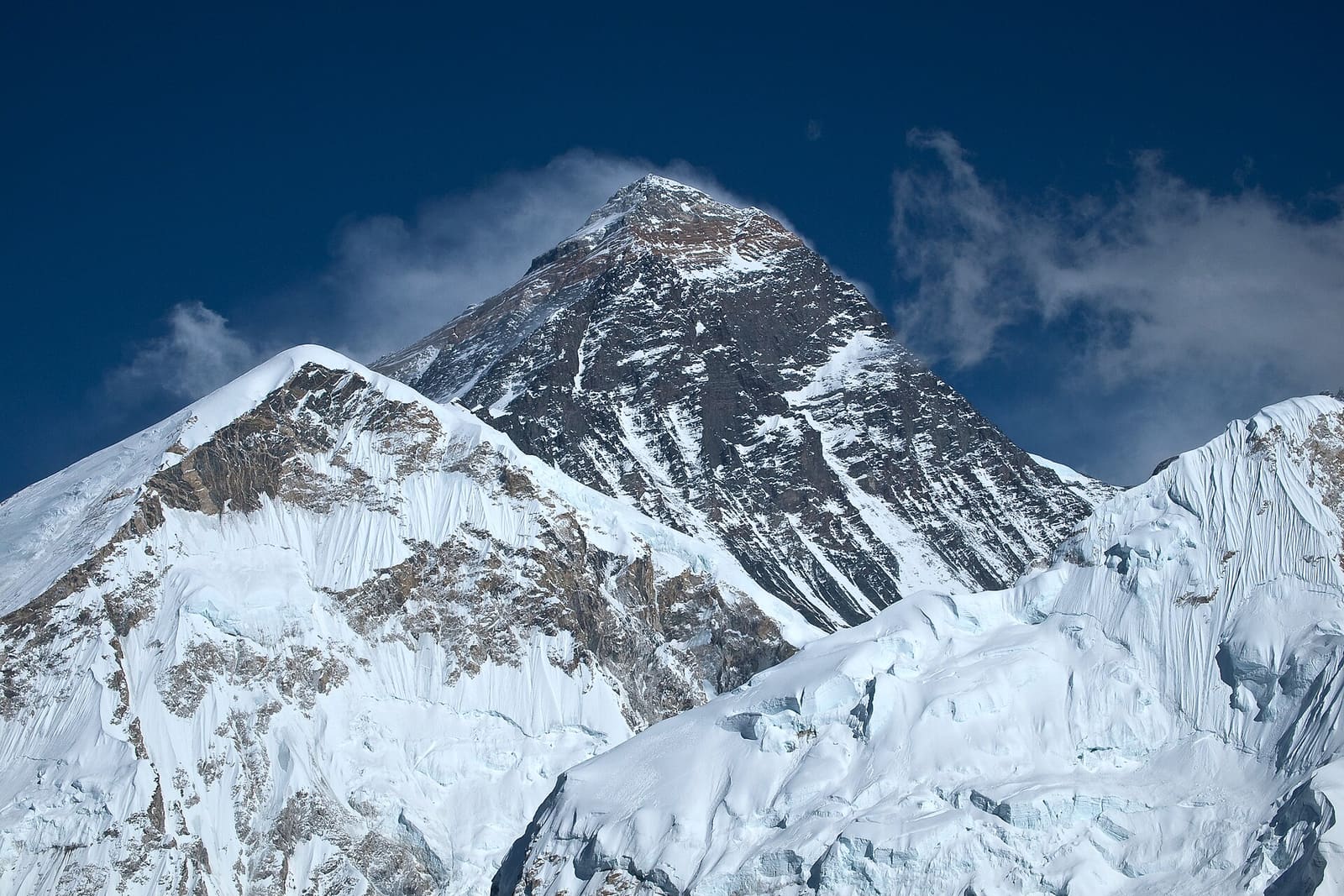
| 8,849 m (Everest) | ~33% |
What happens in the first hours
- You breathe faster and deeper. It is the most immediate response.
- Your heart speeds up to move more blood.
- You urinate more. This is part of normal acclimatisation.
- You sleep worse, sometimes with irregular breathing (periodic breathing) that wakes you up.
- Less appetite and, in some people, a mild headache.
What happens over days and weeks
Over time, the body acclimatises:
- Breathing adjusts and the blood becomes slightly more alkaline.
- The kidneys produce erythropoietin (EPO) and red blood cell production increases, a process that takes weeks.
- Tissues get better at using oxygen.
There are limits: above about 8,000 metres, the body cannot acclimatise in a sustained way and only deteriorates. That is why this band is called the “death zone”.
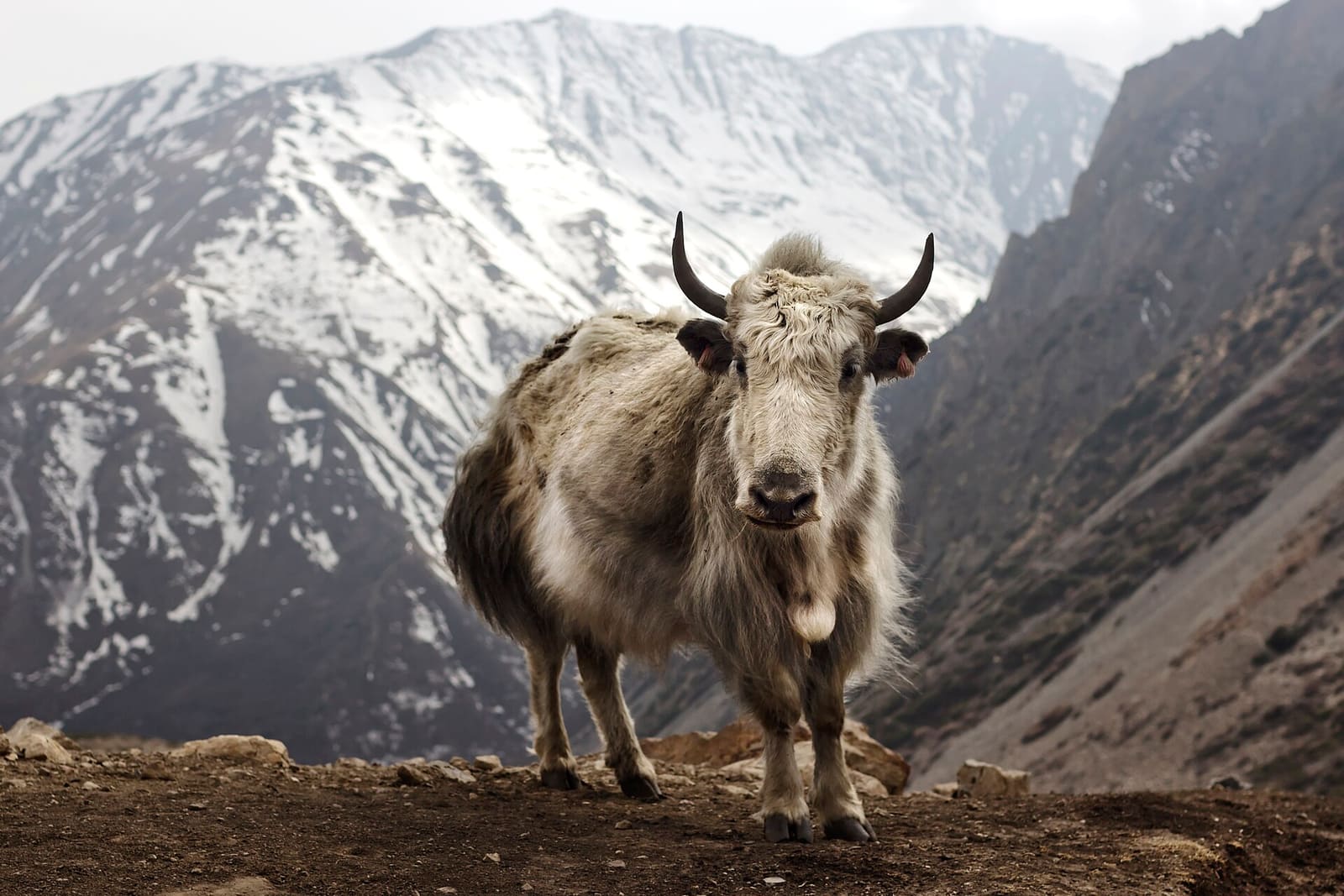
Some populations that have lived at altitude for thousands of years, such as Tibetans or Andean peoples, show genetic adaptations different from a visitor’s acclimatisation. And the animal kingdom has true champions, as we explain in the highest-living animals.
When the body does not adapt in time
Acute mountain sickness (AMS)
This is the most common problem. It can appear from about 2,500 metres and usually shows up 6 to 12 hours after reaching a new altitude. Typical symptoms:
- Headache (almost always present).
- Nausea or vomiting, loss of appetite.
- Tiredness or weakness.
- Dizziness.
What to do: do not go higher until the symptoms disappear. If they get worse, descend.
High-altitude pulmonary oedema (HAPE)
Fluid builds up in the lungs. It is potentially fatal. Signs: breathlessness at rest, cough, extreme tiredness, sometimes pink, frothy sputum.
High-altitude cerebral oedema (HACE)
Swelling of the brain. It is potentially fatal. Signs: confusion, strange behaviour, loss of coordination (walking as if drunk), extreme drowsiness.
If there are signs of pulmonary or cerebral oedema, the absolute priority is to descend and call for help.
How to prevent it
The Wilderness Medical Society guidelines and the UIAA Medical Commission agree on the essentials:
- Go up slowly. Above 3,000 metres, do not increase your sleeping altitude by more than about 500 metres a day.
- A rest day every 3–4 days (or every 1,000 metres gained).
- “Climb high, sleep low”: you can go higher during the day and come down to sleep.
- Avoid alcohol and sedatives in the first days.
- Stay hydrated, without overdoing it.
- Never go higher with symptoms.
Preventive medicines exist, but they should only be taken on medical advice.
A common myth
Being fit does not protect you from altitude sickness. Many very well-trained people suffer from it because they go up too fast. What counts is the rate of ascent and individual susceptibility.
If you want to understand why some mountains are so dangerous beyond altitude, read the 15 most dangerous mountains in the world and why.
Frequently asked questions
At what altitude can altitude sickness start?
Acute mountain sickness is uncommon below 2,500 metres, but it can appear from that altitude, especially if you go up quickly (for example by plane or car to Andean cities).
Does being fit protect you from altitude sickness?
No. Fitness does not predict who will suffer from it. What matters most is the speed of ascent, the altitude you sleep at and individual susceptibility.
Do coca leaves or any medicine help?
There are medicines that can prevent or treat it, but they should be used under medical advice. The most effective measure is still to ascend gradually.
Sources and references
- Wilderness Medical Society – Guidelines for the prevention and treatment of acute altitude illness
- UIAA – Medical Commission
- U.S. CDC – Yellow Book: High-Altitude Travel
This is original editorial content based on the sources cited. Spotted a mistake? Let us know and we will fix it under our corrections policy.