Did you know that on the summit of Everest water boils at about 70 °C?
At sea level water boils at 100 °C, but not in the mountains. With less pressure, molecules escape sooner and water boils at a lower temperature. That is why pasta takes longer in a mountain hut.
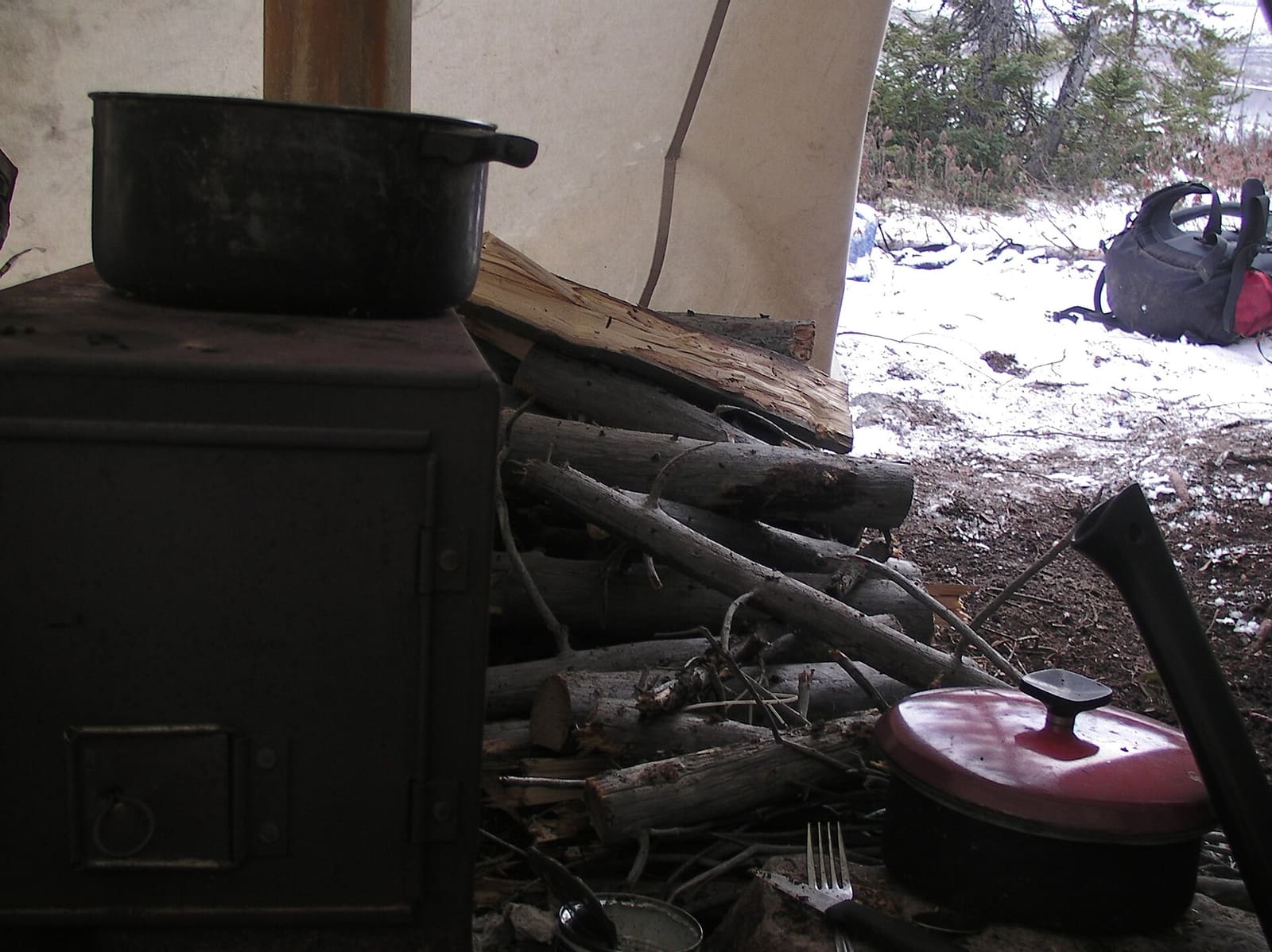
If you have ever cooked in a high mountain hut, you may have noticed: the water boils in no time, but the pasta takes forever. It is not your imagination. At altitude, water boils below 100 °C.
A question of pressure
Water boils when its molecules have enough energy to escape as vapour against the “weight” of the air above them, that is, the atmospheric pressure.
At sea level, that happens at 100 °C. But as you climb, there is less air above you and the pressure drops. Molecules escape sooner, so water starts to boil at a lower temperature.
| Altitude | Boils at (approx.) |
|---|---|
| Sea level | 100 °C |
| 1,500 m | 95 °C |
| 3,000 m | 90 °C |
| 5,000 m | 83 °C |
| 8,849 m (Everest) | ~70 °C |
The rough rule: one degree less for every 300 metres.
What it means for you
- Cooking takes longer: the water bubbles but is less hot. Pasta, rice or pulses need more minutes and more gas. That is why many Himalayan expeditions use pressure cookers, which raise the temperature again.
- Tea and coffee taste different: at 90 °C fewer flavours are extracted.
- Treating water: boiling is still a very reliable method, because microbes die before 100 °C. Even so, above about 2,000 metres it is recommended to keep it boiling for 3 minutes instead of one.
Hut tip: always put a lid on the pot. It will boil sooner and you will use less gas.
The same reason, in your body
The low pressure that makes water boil sooner is the same that makes every breath carry less oxygen. We explain it in what happens to your body above 3,000 metres. And if you are spending the night out, check what to pack.
Sources and references
- U.S. CDC – Making water safe in an emergency (boiling at high altitude)
- U.S. Geological Survey – Boiling point and altitude
This is original editorial content based on the sources cited. Spotted a mistake? Let us know and we will fix it under our corrections policy.