The most impressive natural phenomena you can see with your own eyes
Some of nature's shows look like special effects, but they really happen and you can see them without scientific equipment. Ten phenomena, explained, with the best times and places to watch them.
You do not need a scientific expedition to see some of the most extraordinary shows on the planet. You just need to know what to look for, where and when. This is our selection of ten natural phenomena you can see with your own eyes.
1. Northern and southern lights
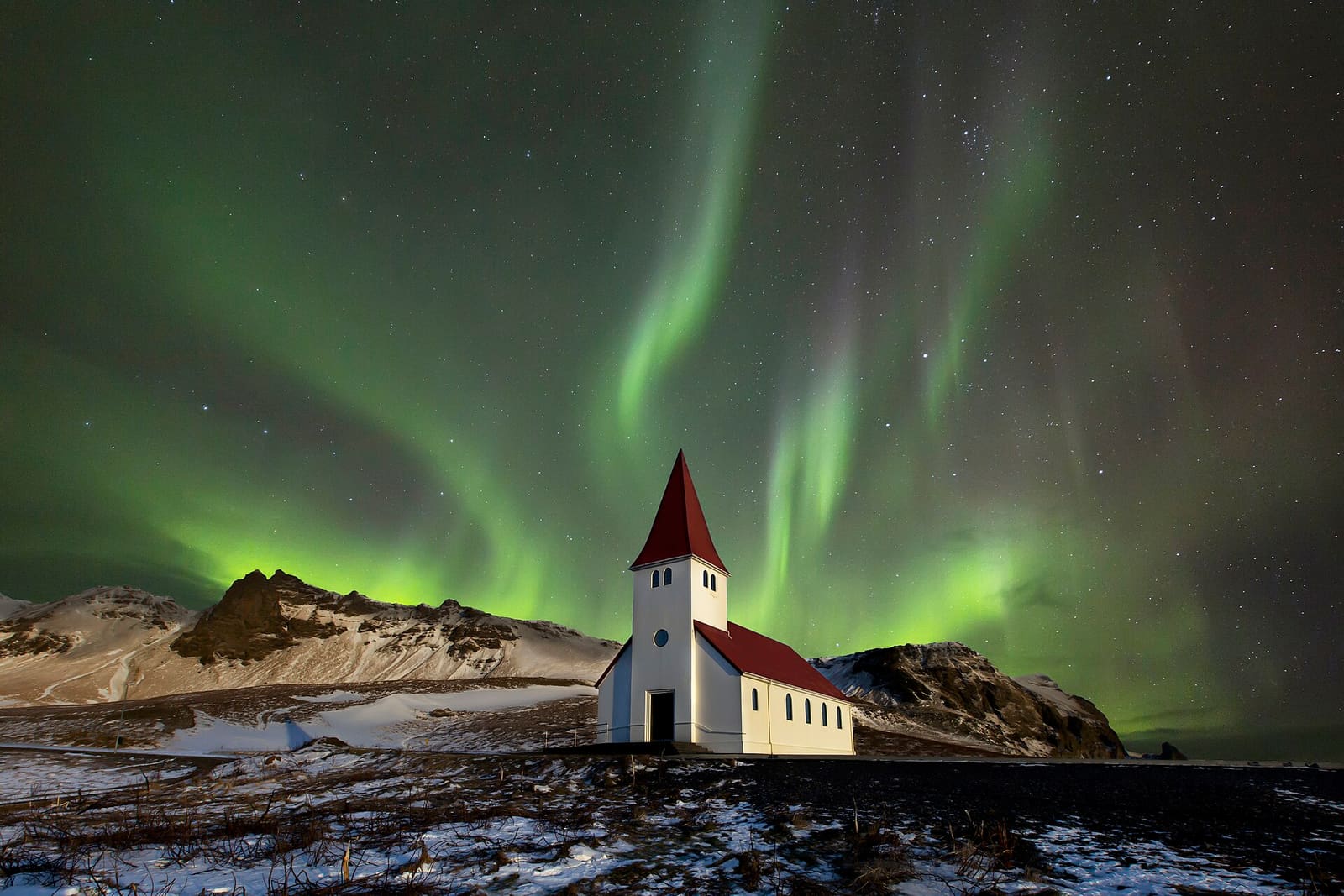
What they are: charged particles from the solar wind collide with gases in the upper atmosphere, which give off light: green (oxygen), red or violet.
Where and when: near the polar circles (northern Norway, Finland, Sweden, Iceland, Alaska, Canada; in the southern hemisphere, Tasmania or southern New Zealand), on dark, clear nights between autumn and spring. Years of peak solar activity, like the recent period, increase the odds and even make them visible at lower latitudes.
Tip: follow geomagnetic activity forecasts and get away from light pollution.
2. The Brocken spectre
What it is: you are on a ridge with the sun behind you and fog in front of and below you. Your shadow is cast onto the fog, huge and distorted, and it often appears surrounded by coloured rings called a glory. It is named after Mount Brocken, in Germany, where it was described in the 18th century.
Where: any mountain with fog in the valley early or late in the day.
3. The sea of clouds
What it is: a temperature inversion traps clouds in the valleys while the summits stay in the sun. From above, it looks like an ocean.
Where: very common in autumn and winter in the Pyrenees, the Alps, the Canary Islands (because of the trade winds) or the Andes.
Many of these phenomena depend on geometry: the position of the sun, your position and the fog’s.
4. Catatumbo lightning (Venezuela)
What it is: at the mouth of the Catatumbo river, on Lake Maracaibo, thunderstorms form on many nights of the year, with one of the highest lightning frequencies on the planet. It is caused by warm, humid air from the lake meeting winds coming down from the Andes.
When: most often in the rainy season.
5. Marine bioluminescence
What it is: microorganisms (mainly dinoflagellates) that emit blue light when the water is disturbed. Every wave, every swimming stroke, lights up.
Where: bays such as Mosquito Bay (Vieques, Puerto Rico), some beaches in the Maldives or, occasionally, the coasts of Galicia and other parts of Europe on moonless nights.
6. Synchronous fireflies
What it is: thousands of fireflies of the species Photinus carolinus flash in unison, in waves of light.
Where and when: in Great Smoky Mountains National Park (USA), for about two weeks between late May and June. Access is managed by lottery to protect the phenomenon.
7. Alpenglow
What it is: the pink or orange tint the summits take on just before sunrise or after sunset, when the sun no longer lights them directly but its light reaches them scattered through the atmosphere.
Where: any high, snowy mountain; it is especially intense in the Dolomites, where the local phenomenon is called enrosadira.
8. Fogbows and moonbows
What they are: a fogbow is almost white, because the droplets are so small that the colours blend. A moonbow forms with the light of a full moon over a waterfall or rain; to the naked eye it looks whitish.
Where: moonbows are famous at waterfalls such as Yosemite or Victoria Falls on full-moon nights.
9. The green flash
What it is: a green flash that appears for an instant just as the last edge of the sun disappears below the horizon. It is caused by the refraction of light in the atmosphere.
Where: clear horizons over the sea or desert, with very transparent air.
10. Red snow
What it is: snowfields tinted pink by microscopic algae. We explain it in this article.
Tips for phenomenon hunters
- Check specific forecasts (geomagnetic activity, cloud cover, moon phases).
- Get up early or stay up late: many happen at the edges of the day.
- Respect fragile places, especially those with quotas or lotteries.
If you like looking up, do not miss the best places in the world to see the stars.
Sources and references
- NOAA – Space Weather Prediction Center
- Met Office (UK) – Optical phenomena
- U.S. National Park Service – Synchronous fireflies
This is original editorial content based on the sources cited. Spotted a mistake? Let us know and we will fix it under our corrections policy.