Did you know that snow is not actually white?
A snowflake is made of ice, and ice is transparent. So why is snow white and glaciers blue? The answer lies in how light bounces and is absorbed.
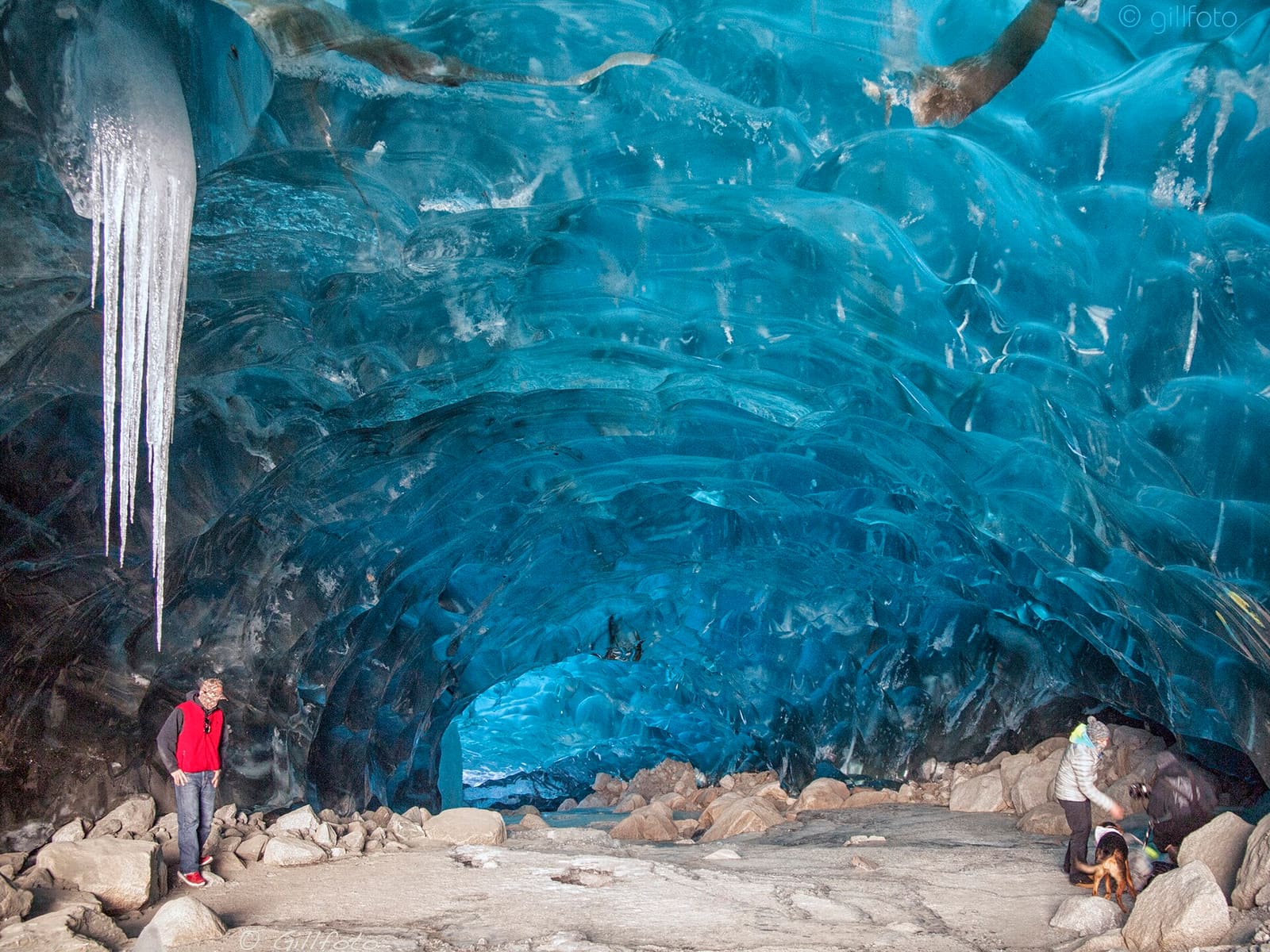
Pick up an ice cube: it is transparent. Now look at a snowfield: it is dazzling white. And if you go into an ice cave in a glacier, everything is blue. It is the same material. What is going on?
One flake, thousands of mirrors
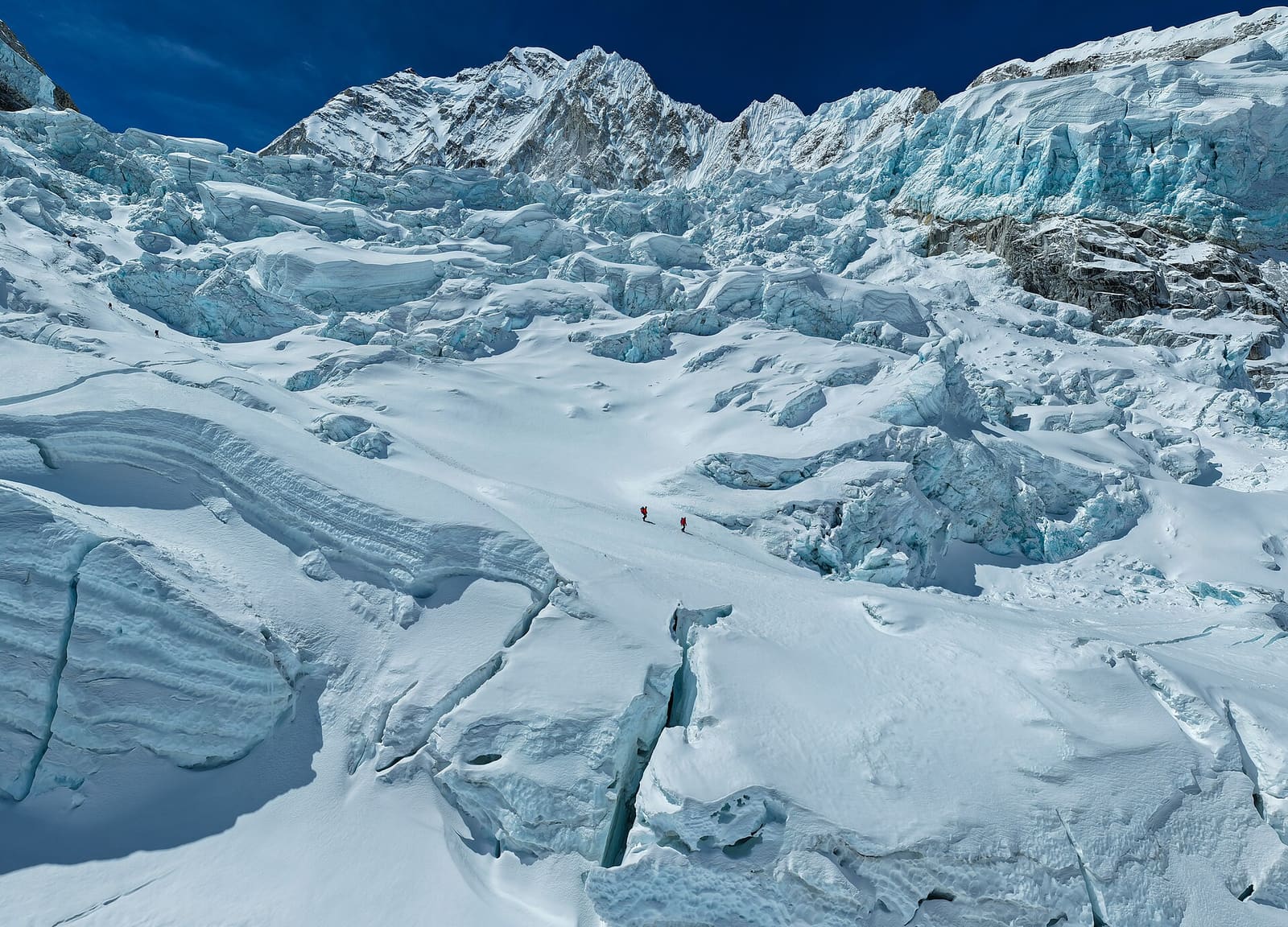
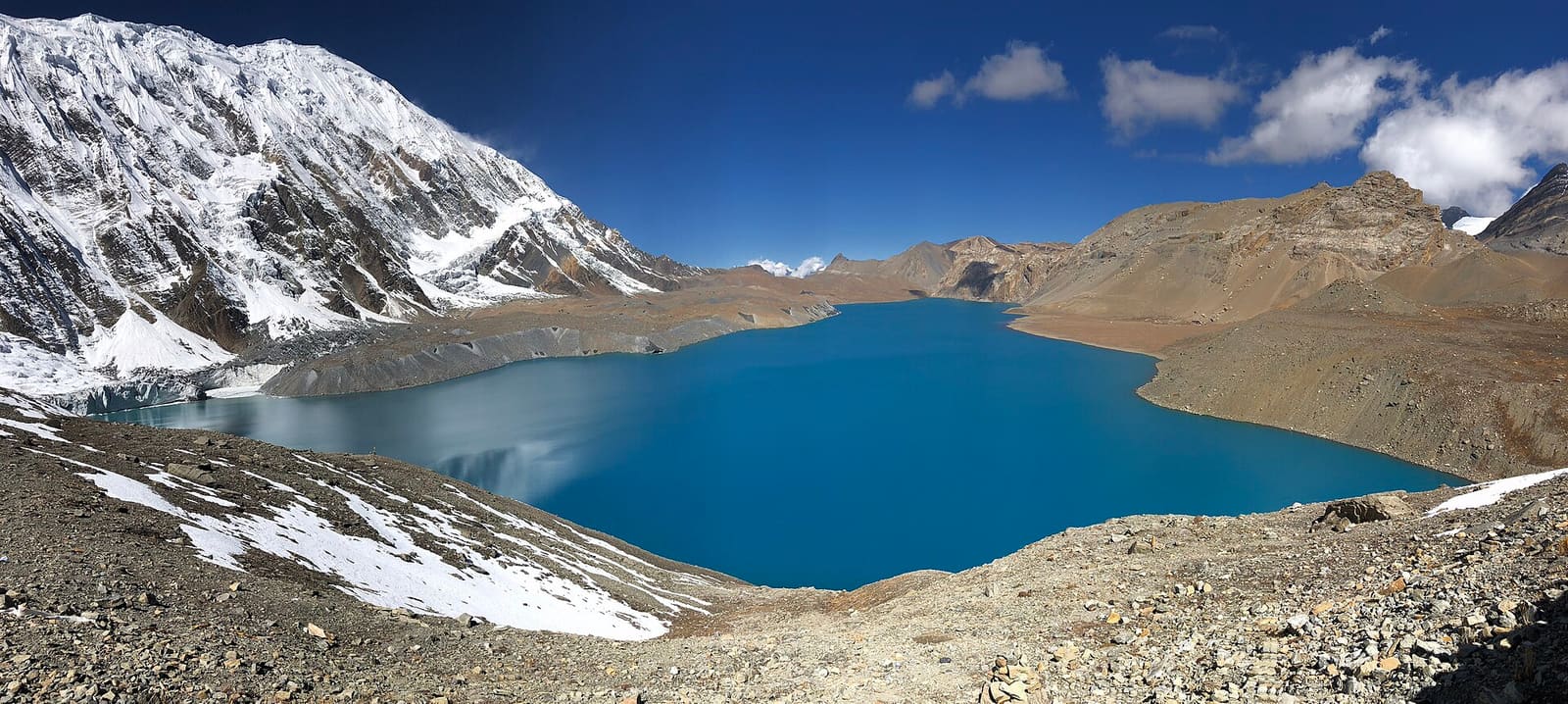
A snowflake is not a block of ice, but a structure of crystals with a huge number of faces and lots of air between them. When sunlight enters snow, it bounces from face to face again and again and comes out in every direction.
Sunlight contains all colours. Because snow scatters them all equally, what reaches your eyes is the full mix: white. The same happens with sea foam or sugar: they are made of transparent things, but they look white.
So why are glaciers blue?
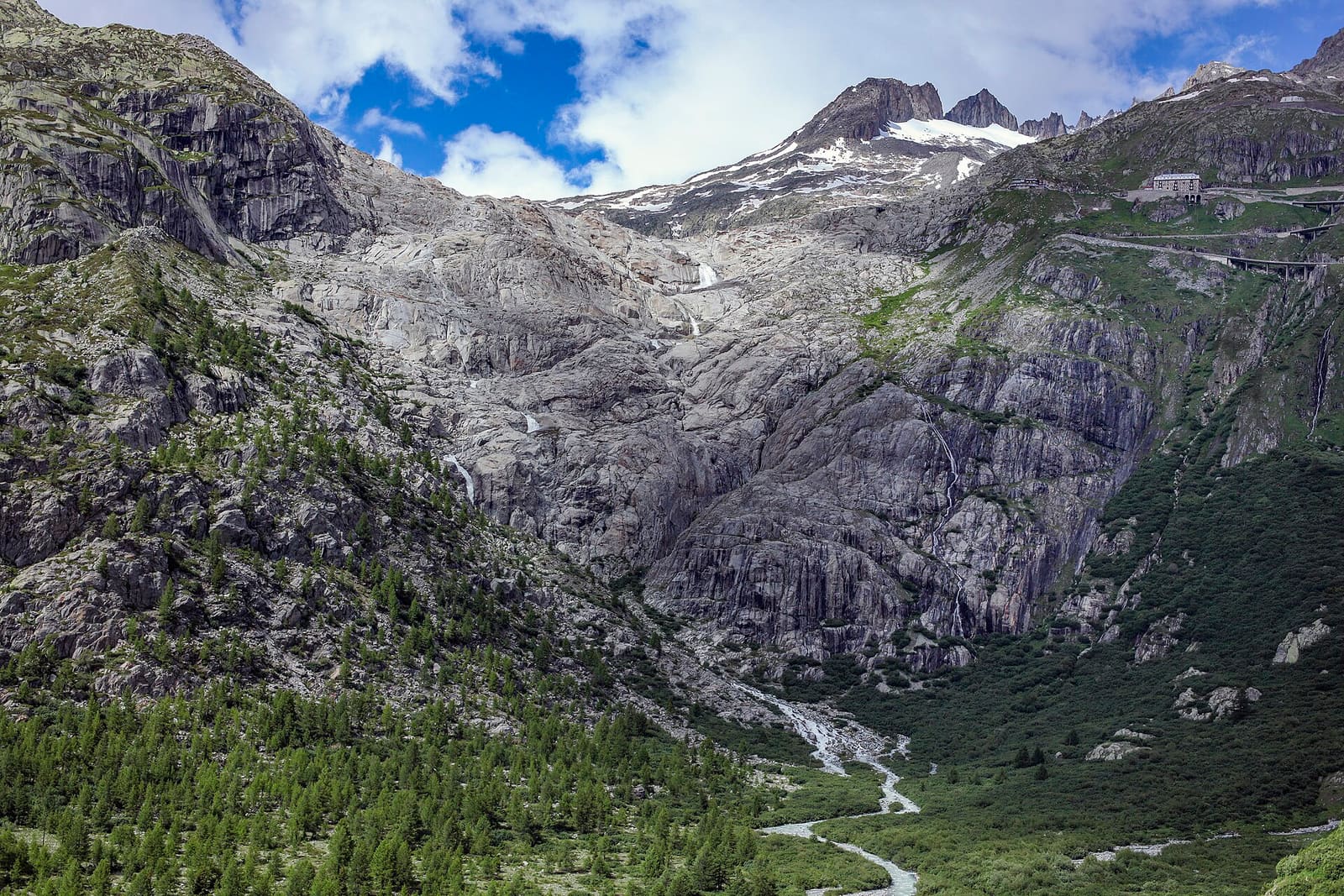
Over the years, snow compacts, loses its air and turns into glacier ice, which is much denser. In that ice, light travels further without bouncing, and frozen water absorbs slightly more of the red colours. What survives is blue.
That is why:
- Glacier crevasses and caves glow blue.
- If you dig a deep hole in snow, the bottom looks bluish.
Snow can also change colour because of algae: in summer pink patches appear. We explain it in red snow.
A practical consequence: protect your eyes
Fresh snow reflects up to 80–90% of sunlight (its albedo). Combined with the stronger radiation at altitude, it can burn the cornea and cause snow blindness, which is very painful. On snow and glaciers wear category 4 sunglasses or, at the very least, category 3 with good side protection.
The same albedo explains why, when snow disappears, the ground warms up faster. We look at it in why glaciers are melting.
Sources and references
This is original editorial content based on the sources cited. Spotted a mistake? Let us know and we will fix it under our corrections policy.