Why are glaciers melting and what will the consequences be?
A glacier is a balance between the snow it gains and the ice it loses. When the books come out in the red year after year, it retreats. We explain why this is happening almost everywhere and what it means for us.
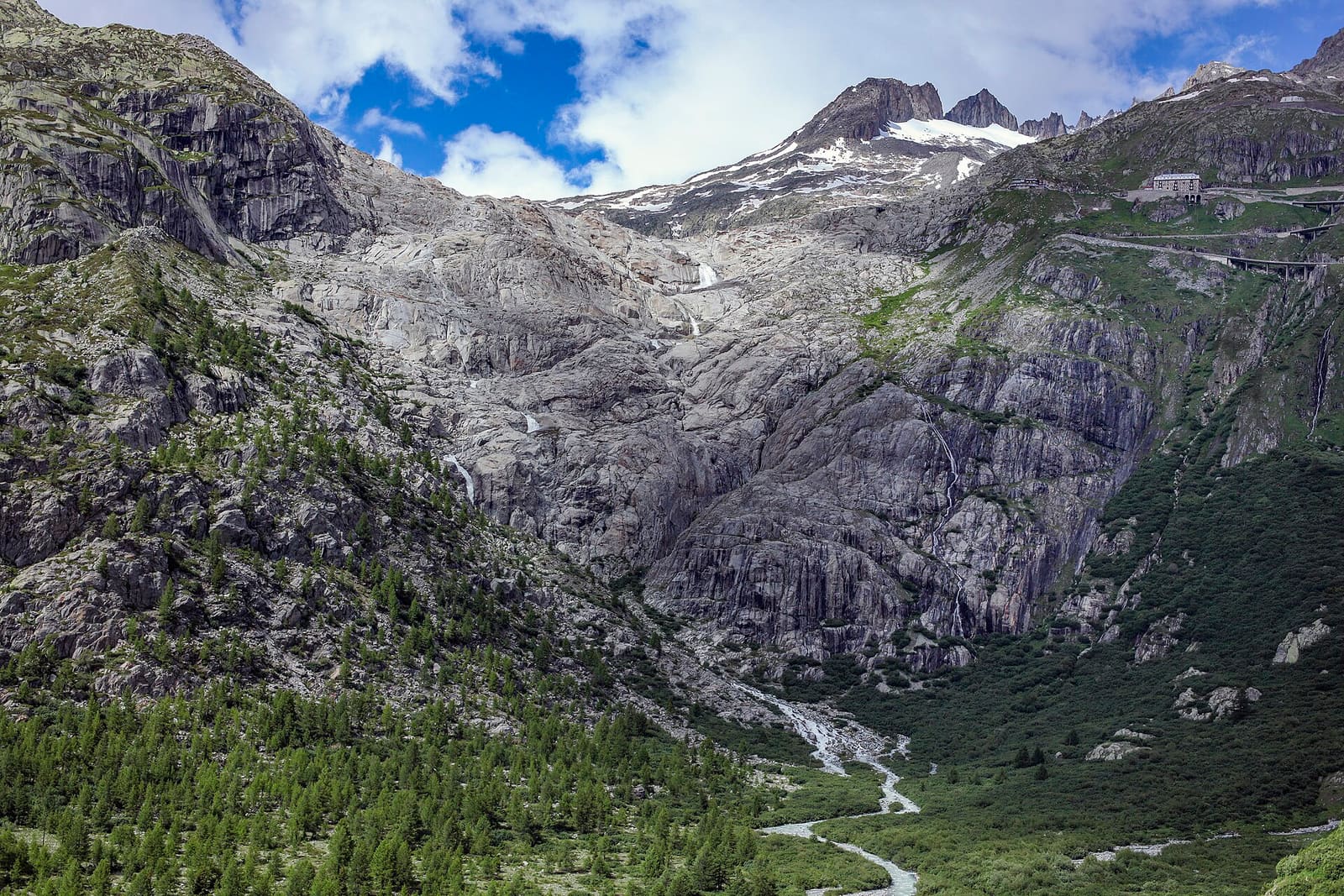
When people talk about climate change, glaciers are the most repeated image. There is a reason: they are one of the clearest and most visible indicators. But to understand why they are melting —and why it affects us even if we live far from the mountains— it is worth starting with the basics.
What a glacier is
A glacier is a mass of ice formed by snow accumulating and compacting over many years, which moves under its own weight. It has two zones:
- The accumulation zone, in the upper part, where each year more snow falls than melts.
- The ablation zone, in the lower part, where more is lost than gained (through melting, evaporation or calving).
The boundary between them is called the equilibrium line. As long as the gains at the top make up for the losses at the bottom, the glacier holds steady. If losses exceed gains for years, it thins and retreats.
Why they are losing ice
- Higher temperatures. More melt days, starting earlier and ending later. The equilibrium line rises and the ablation zone grows.
- Less snow, or snow falling as rain at altitudes where it used to snow.
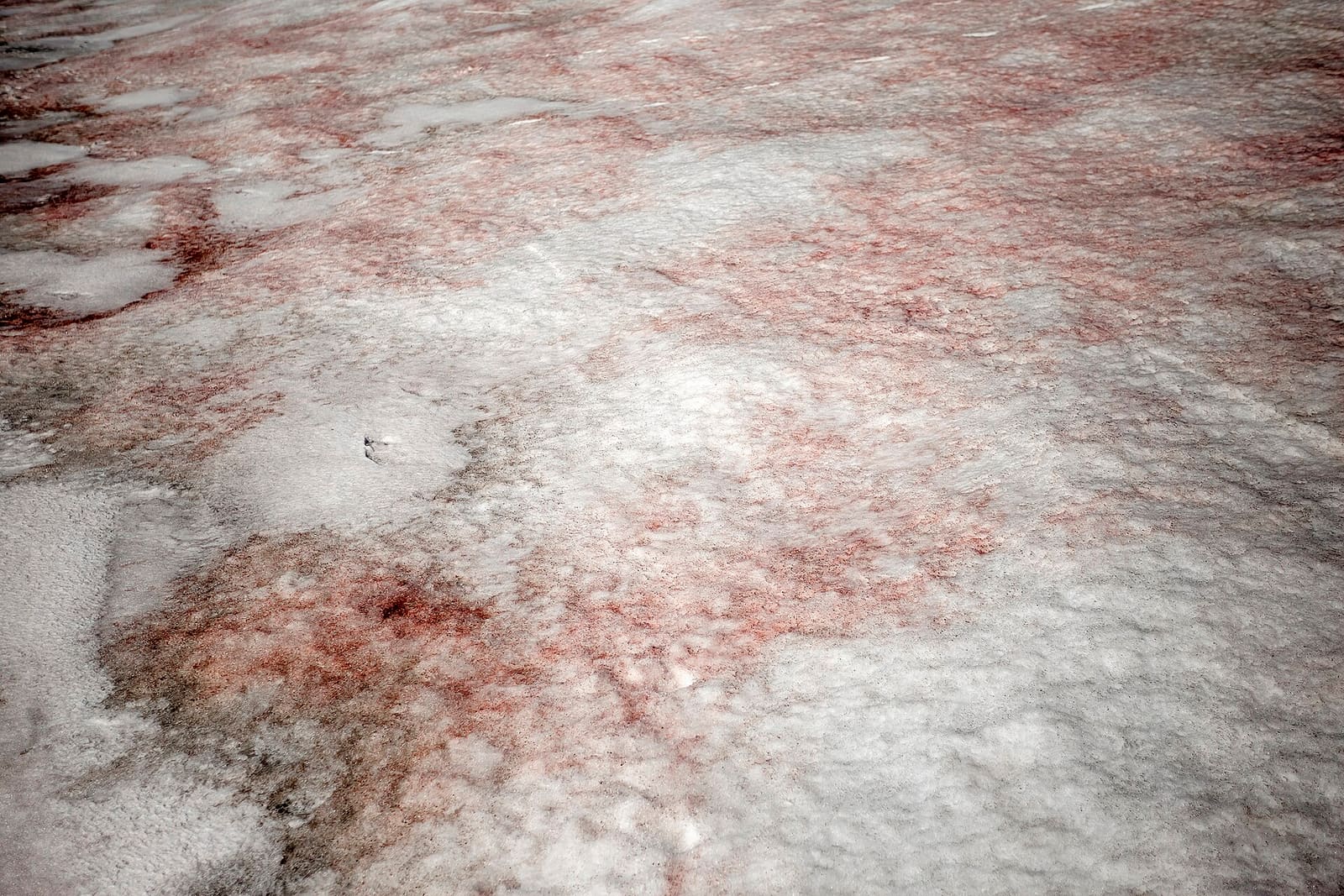
- Darker surfaces. Dust (including Saharan dust), soot and algae darken snow and ice, which then absorb more radiation. This is the albedo effect.
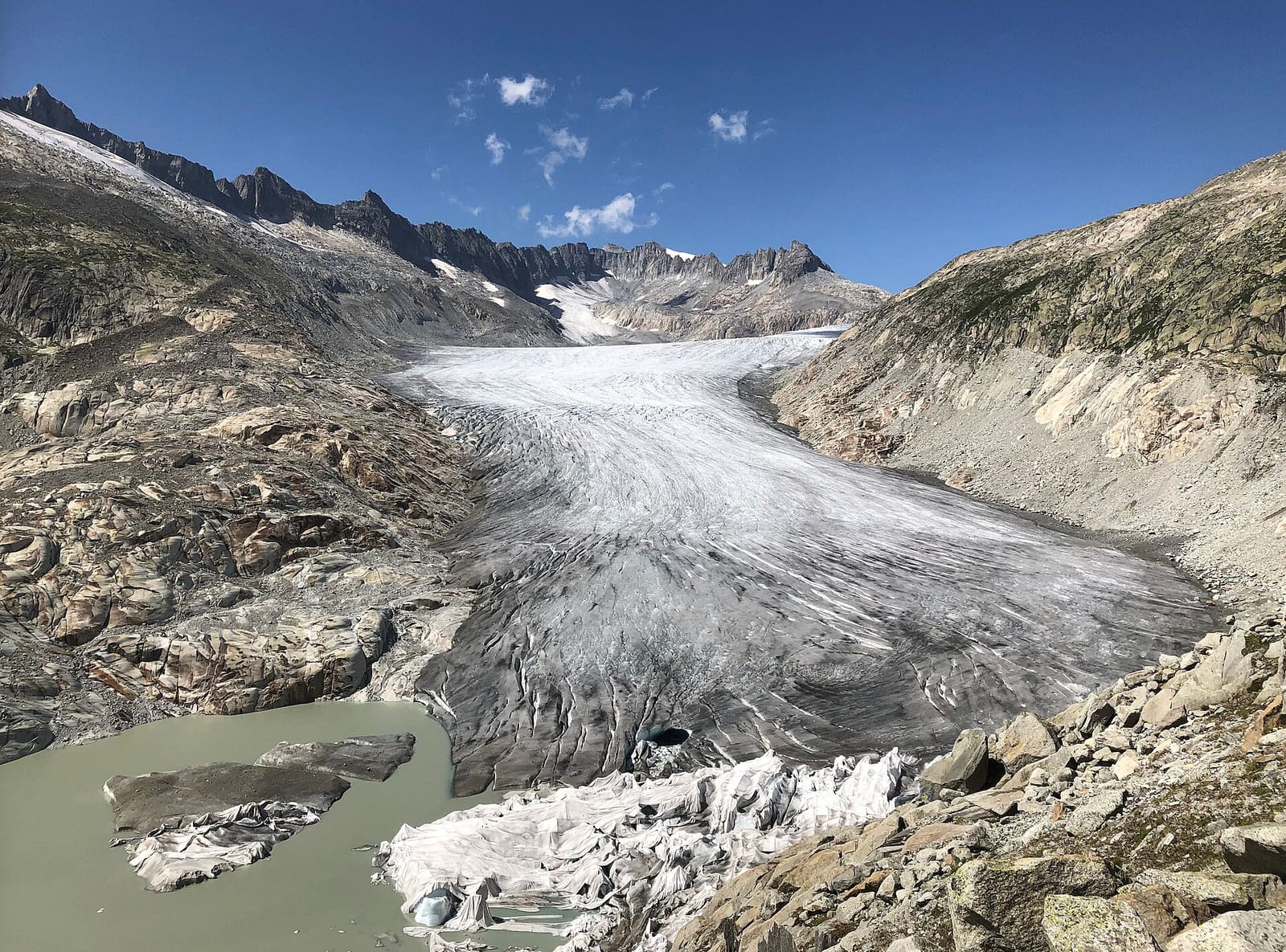
- Feedbacks. A thinner glacier sits at a lower altitude, where it is warmer; a glacier with lakes at its front melts faster through contact with the water.
A glacier responds with a delay: much of today’s retreat is the response to decades of warming already built up.
How it is measured
Glaciologists combine several methods:
- Glaciological: stakes driven into the ice and snow pits measured each season. This allows the annual mass balance to be calculated.
- Geodetic: comparing terrain models from aerial photography, satellites, laser scanning (LiDAR) or drones on different dates.
- Gravimetric: satellites such as GRACE detect large-scale mass changes through tiny variations in the gravity field.
The World Glacier Monitoring Service (WGMS) brings together measurement series from around the world. Its data show widespread losses in reference glaciers, decade after decade. A very detailed example is Switzerland, which we analyse in this article.
The consequences
Sea level
The ice from melting mountain glaciers ends up in the ocean. Together with Greenland, Antarctica and the expansion of water as it warms, it contributes to sea-level rise.
Water
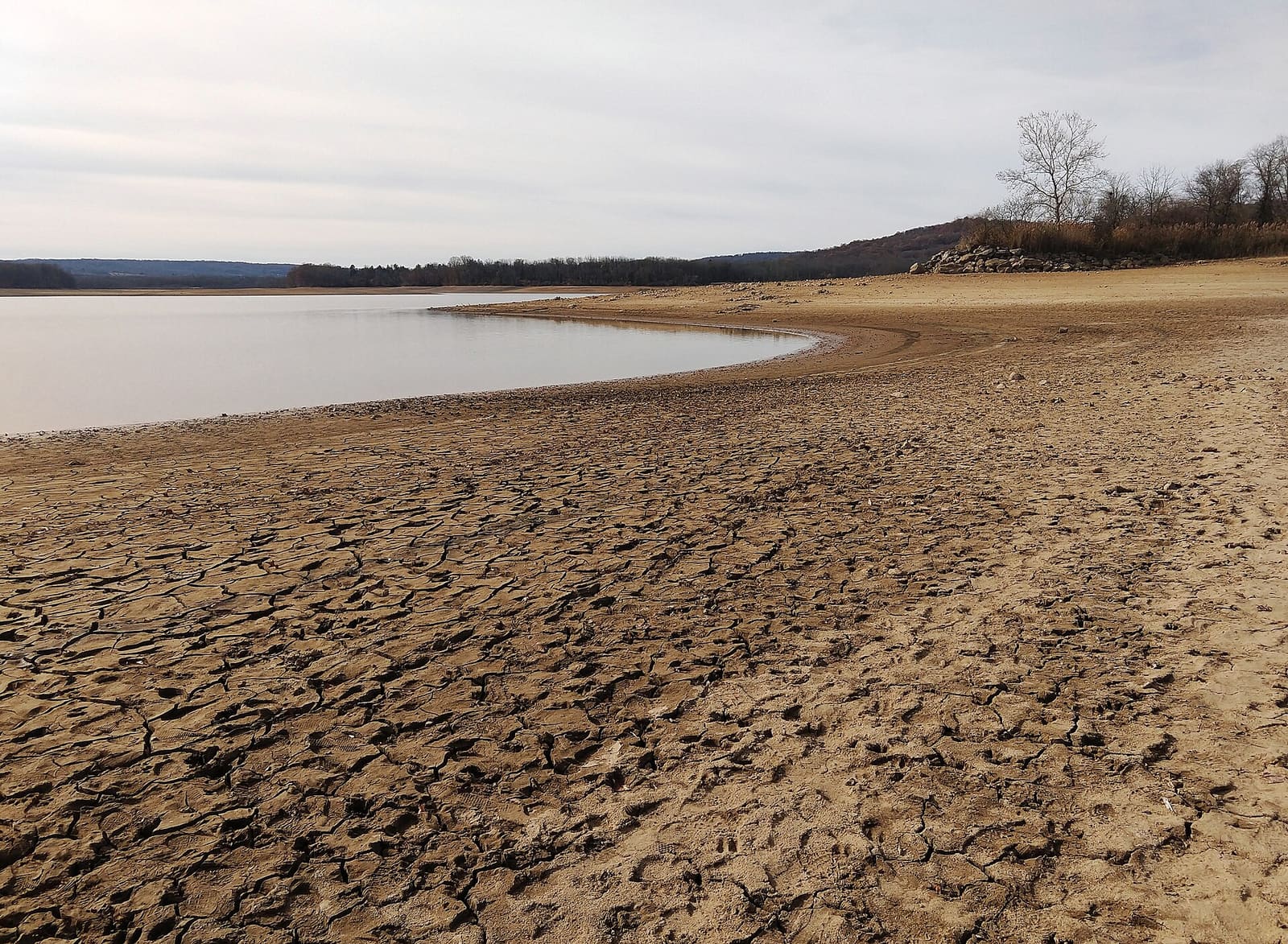
Many rivers depend on summer meltwater. At first, faster melting increases the flow; later, once the glacier has shrunk a lot, summer flow decreases. This is known as “peak water”. In regions such as the central Andes or parts of Asia, this affects water supply, agriculture and hydropower. We go into it in what would happen if snow disappeared from the great mountains.
Natural hazards
- Glacial lake outburst floods (GLOFs), such as the one from South Lhonak Lake, in Sikkim (India), in October 2023.
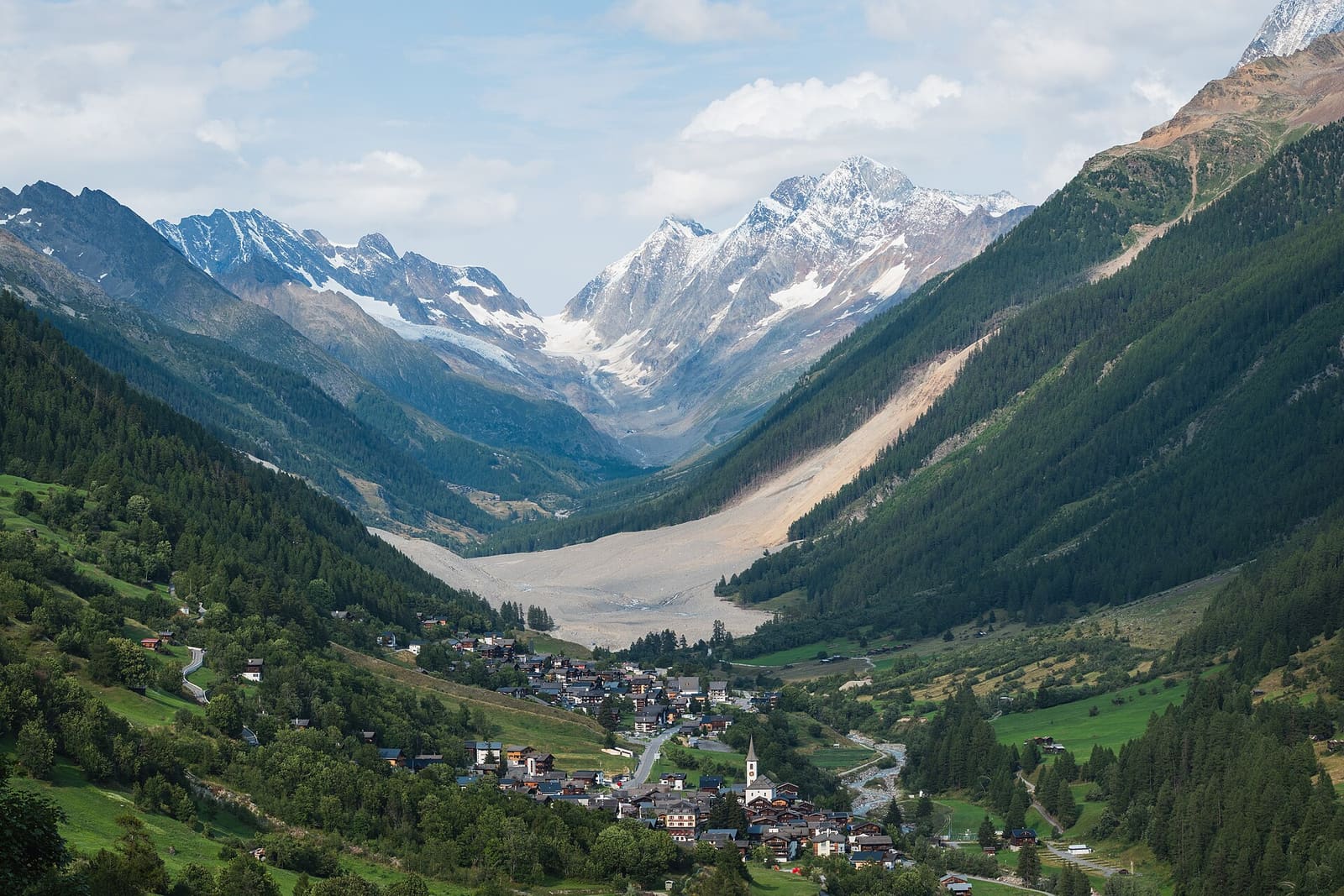
- Rockfalls and debris flows as slopes lose support and permafrost thaws. The extreme case of Blatten illustrates it.
Ecosystems, culture and economy
Species adapted to the cold water of glacial torrents, cultural landscapes, mountaineering routes, tourism… And symbolic cases such as Venezuela, which has run out of glaciers.
What lies ahead
A study published in 2023 in the journal Science (Rounce and colleagues) estimated that, even if global warming were limited to 1.5 °C, about half of the world’s glaciers —mainly the small ones— would disappear by 2100. With higher warming scenarios, the proportion would be much greater.
The hopeful part is that every tenth of a degree counts: the difference between scenarios translates into thousands of glaciers and enormous amounts of water that would be preserved. That is why the UN dedicated 2025 to the preservation of glaciers.
Frequently asked questions
Can glaciers recover?
A glacier can grow if for years it accumulates more snow than it loses, which happens in colder periods. With the current and projected climate, the overall trend is loss; slowing warming reduces how much ice is lost, but much of the retreat is already locked in.
Does covering glaciers with blankets work?
Reflective blankets can reduce melting locally, for example next to ski resorts, but they are expensive, need maintenance and are only feasible on very small areas. They are not a solution on the scale of a mountain range.
Sources and references
- World Glacier Monitoring Service (WGMS)
- Rounce et al. (2023), Science – Global glacier change in the 21st century
- IPCC – Special Report on the Ocean and Cryosphere
- UNESCO – International Year of Glaciers' Preservation 2025
This is original editorial content based on the sources cited. Spotted a mistake? Let us know and we will fix it under our corrections policy.