Swiss glaciers lose 5.5% of their volume in 2026: almost a fifth of the ice gone in five years
Little winter snow, heatwaves from May to September and the 0 °C isotherm above 4,000 metres for 76 days: the result is the second-worst year for Swiss glaciers since measurements began.
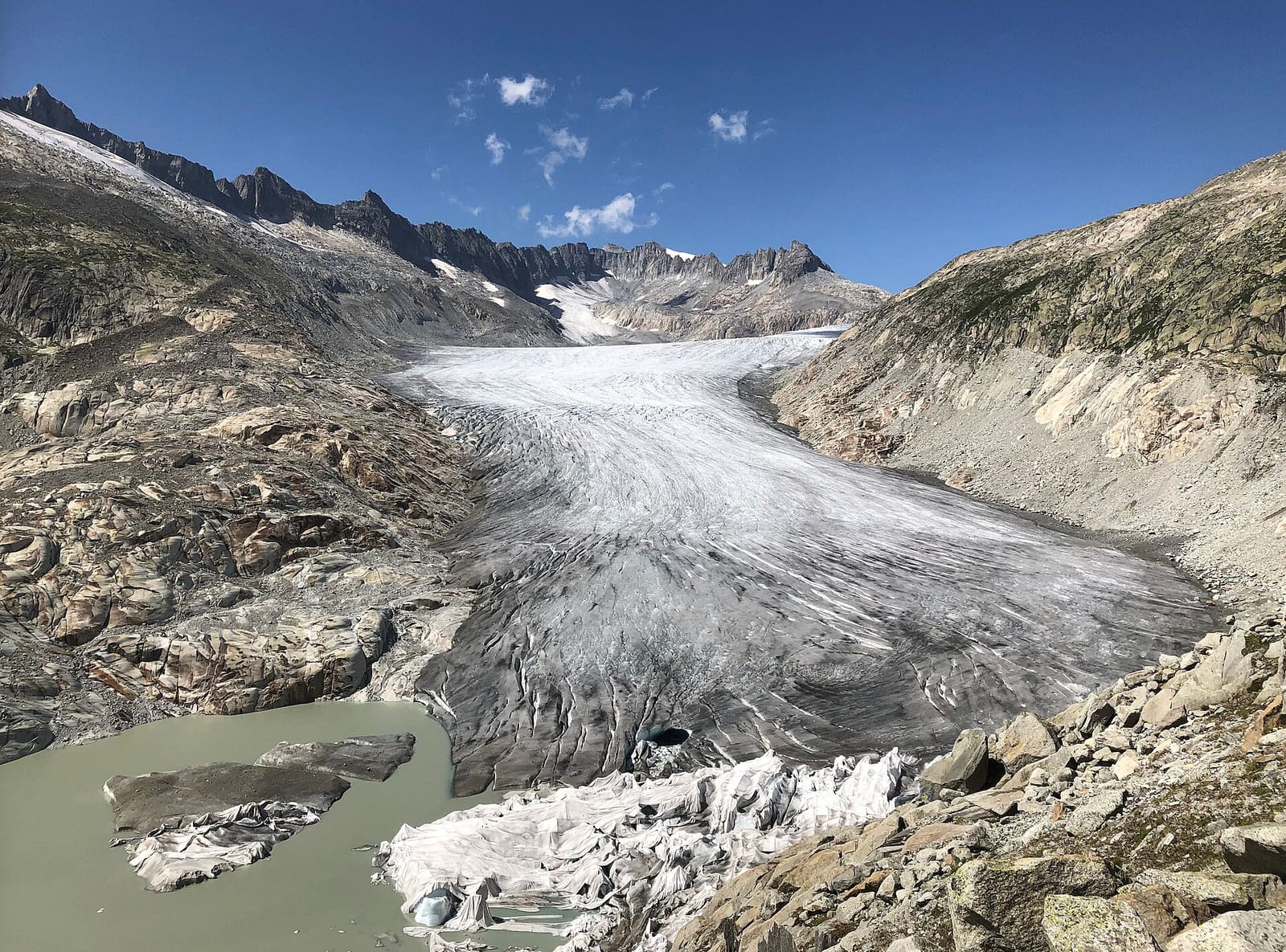
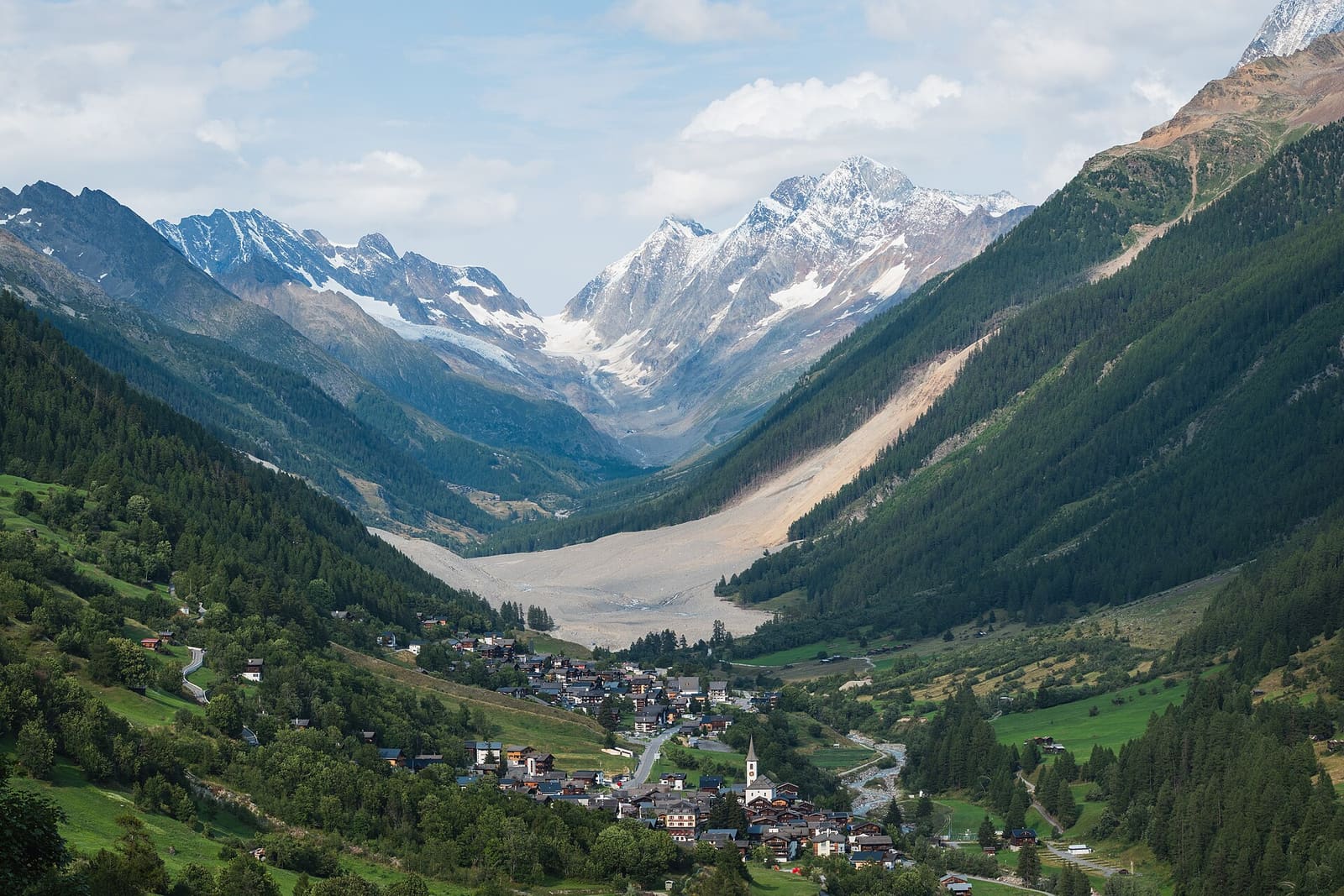
The numbers for Swiss ice are setting off alarms again. The annual report from the GLAMOS monitoring network and the Swiss Academy of Sciences (SCNAT), published in early October, puts the 2026 loss at 5.5% of the country’s glacier volume. It is the second-worst year since measurements began, behind only 2022.
Over the last five years, the ice volume of the Swiss Alps has fallen by almost 20%.
Why it was such a bad year
The explanation combines two familiar ingredients:
- A winter with very little snow at all altitudes, so glaciers reached summer almost without the protective layer that delays melting.
- Heatwaves from May to September. The 0 °C isotherm stayed above 4,000 metres for 76 days, a record and more than double the norm.
The so-called “glacier loss day” —the date when the winter snow has melted and the glacier starts losing old ice— came on 29 June, the second earliest on record after 26 June 2022.
There was one small relief: less Saharan dust arrived than in 2022 and some glaciers kept slightly more snow, which slowed melting a little.
Records on the big glaciers
- The average thickness of the glaciers fell by 2.5 to 4 metres.
- At the lowest measuring point on the tongue of the Aletsch, the largest glacier in the Alps, the ice lost 13 metres of thickness.
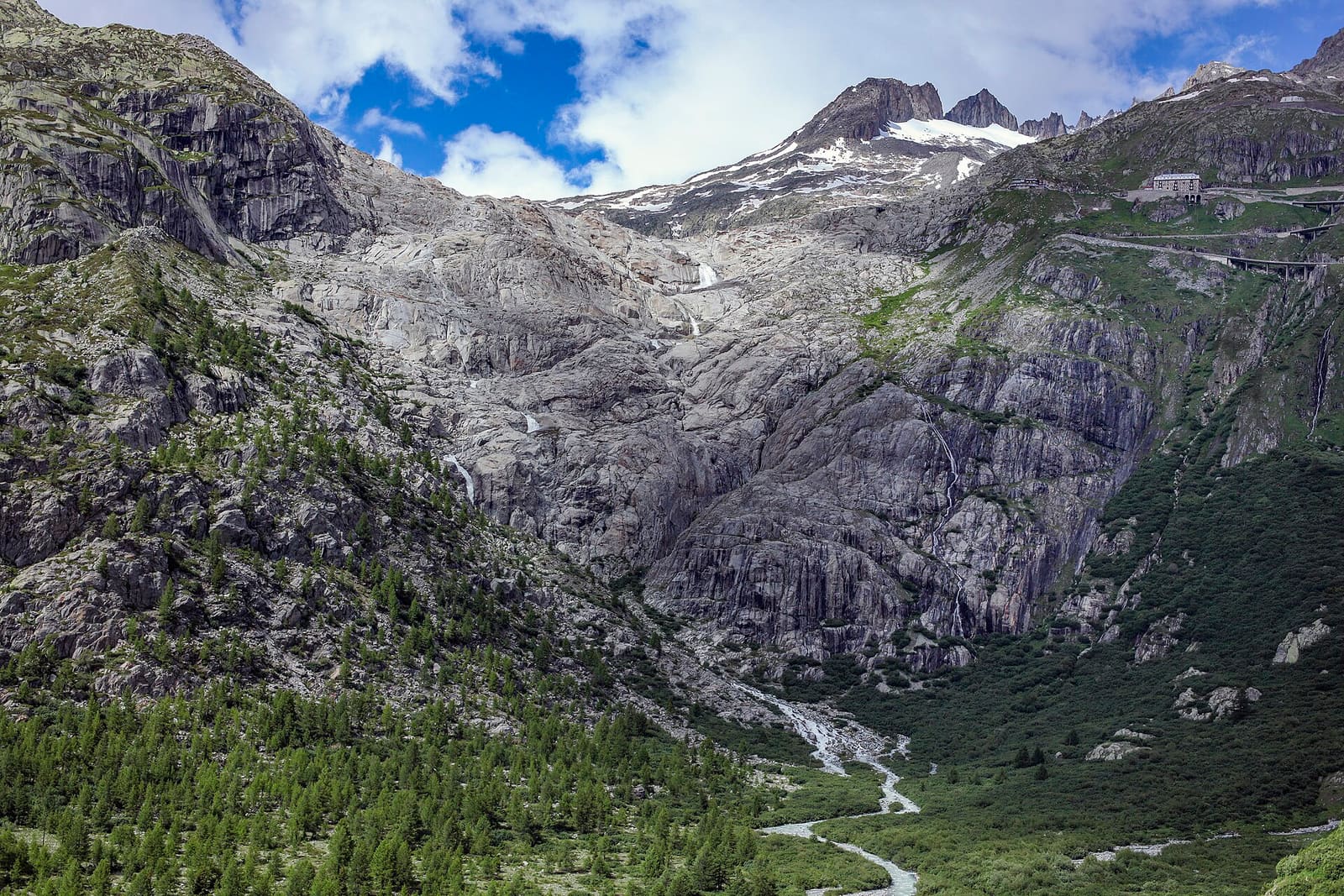
- The Aletsch, the Rhône and the Clariden recorded their biggest melt since measurements began.
Between July and September, Swiss glaciers released about 2,200 billion litres of water, more than four times the annual drinking water use of every household in the country.
Glaciologist Matthias Huss, head of GLAMOS, attributes the warming entirely to human-caused climate change.
Glaciers that disappear
Huss estimates that about 30 small glaciers may have vanished this summer. One of them, the Plattalva, in the canton of Glarus, was declared extinct in September. In the last 50 years, Switzerland has lost more than 1,000 glaciers, about 40% of the total.
Alpine glaciers have reached or are about to reach “peak water”: from then on, meltwater flow starts to decline. A 2025 study warned that, without drastic emission cuts, half of Alpine glaciers could disappear within 20 years.
Context
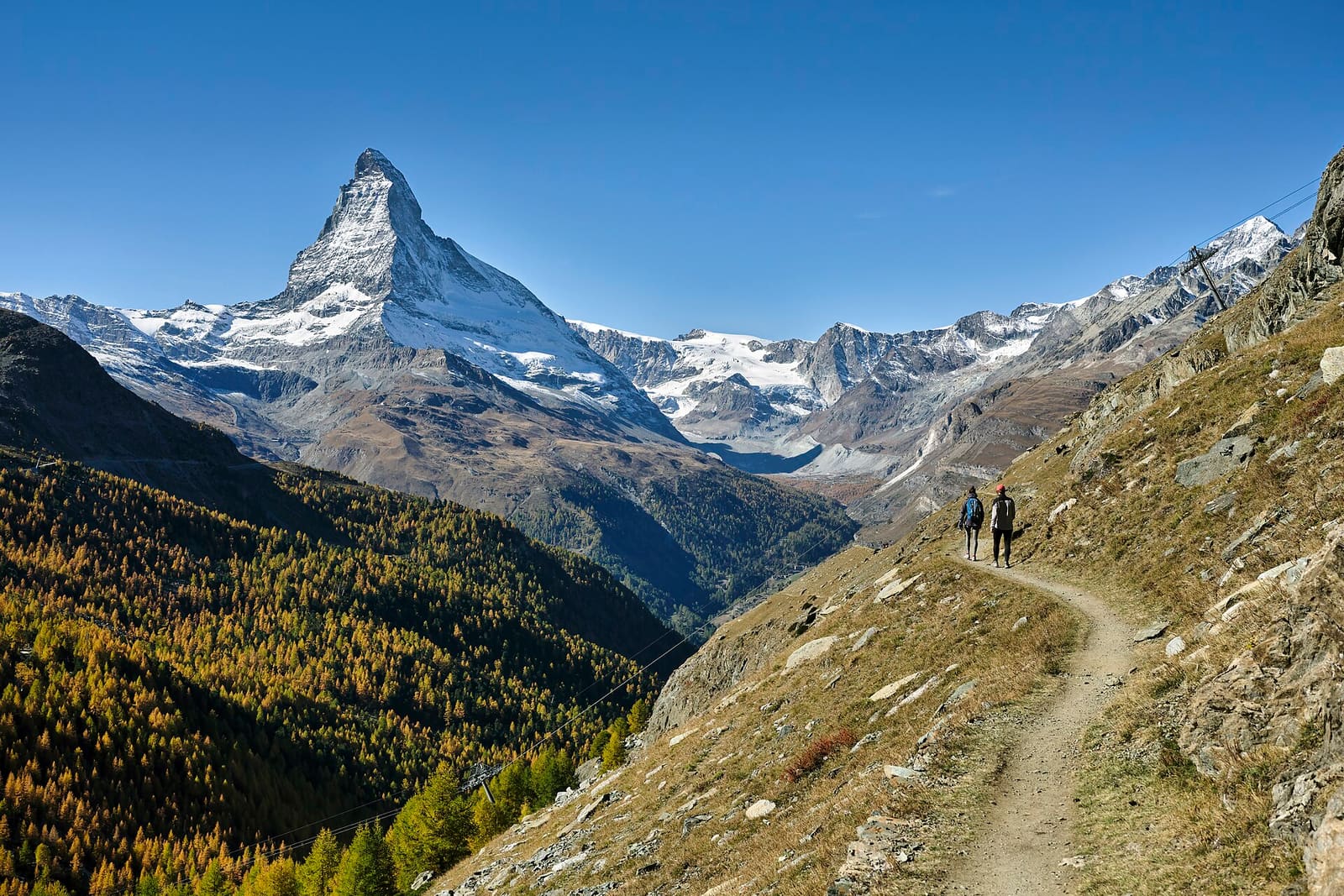
We had already reported the record losses of 2022 and 2023. With 2026, the trend is clear. If you want to understand the process, read why glaciers are melting. And for visitors, the practical message remains: glacier itineraries change from one year to the next, so check the current state of each route before setting off.
Sources and references
- Swissinfo – A fifth of Swiss Alpine ice has vanished in five years (01/10/2026)
- University of Fribourg – Swiss glaciers lose a further five per cent of their volume
- GLAMOS – Glacier Monitoring Switzerland
This is original editorial content based on the sources cited. Spotted a mistake? Let us know and we will fix it under our corrections policy.