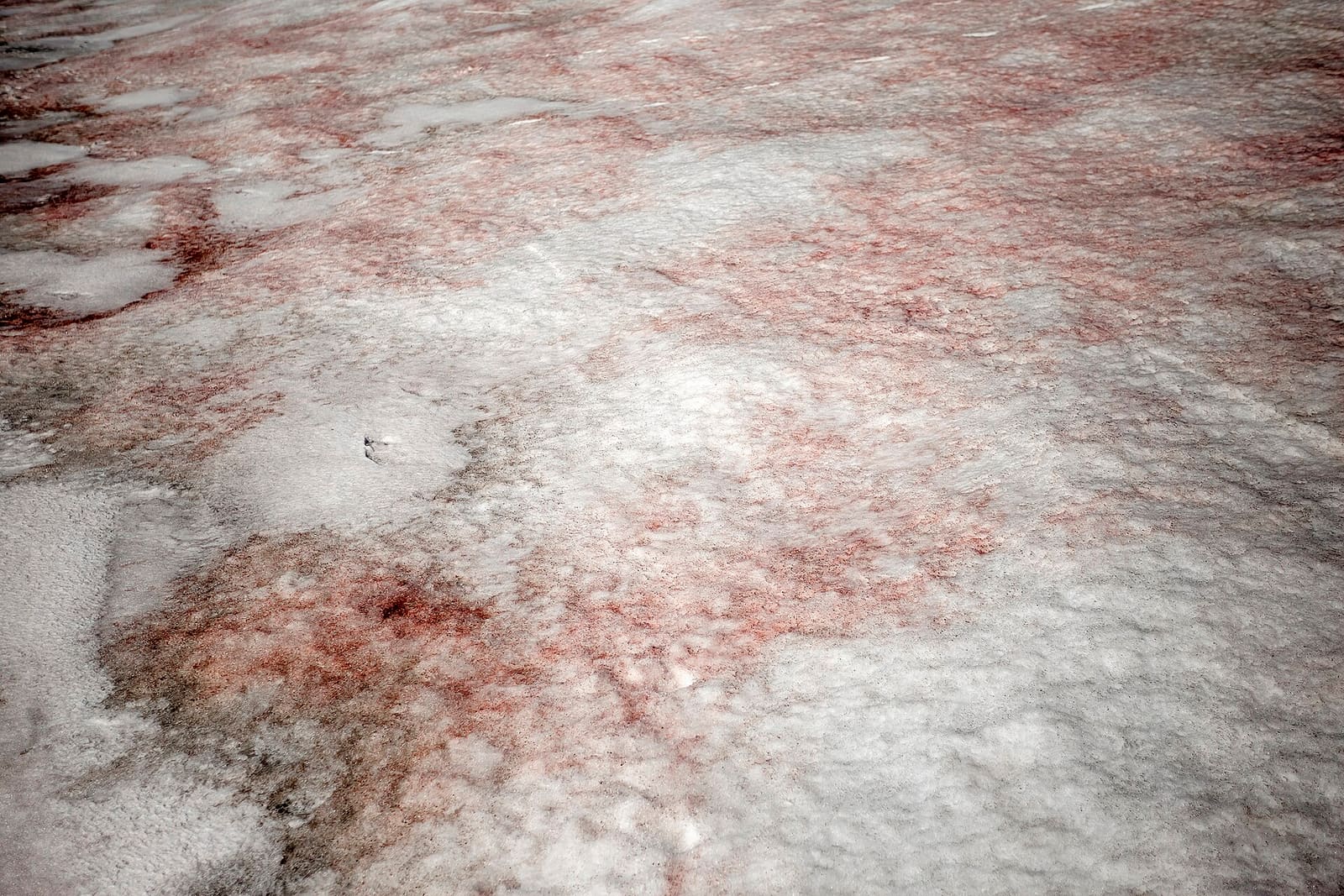
What would happen if snow disappeared from the great mountains
Snow is not just scenery: it is a natural reservoir that releases water when it is needed most. When it snows less or melts earlier, rivers, forests, wildlife and the economy of entire valleys change.
Imagine a reservoir that fills by itself in winter, empties little by little in spring and summer, and needs no dams. That is mountain snow. Its gradual disappearance —still far from total, but already measurable— changes much more than the picture-postcard look of the summits.
The planet’s water towers
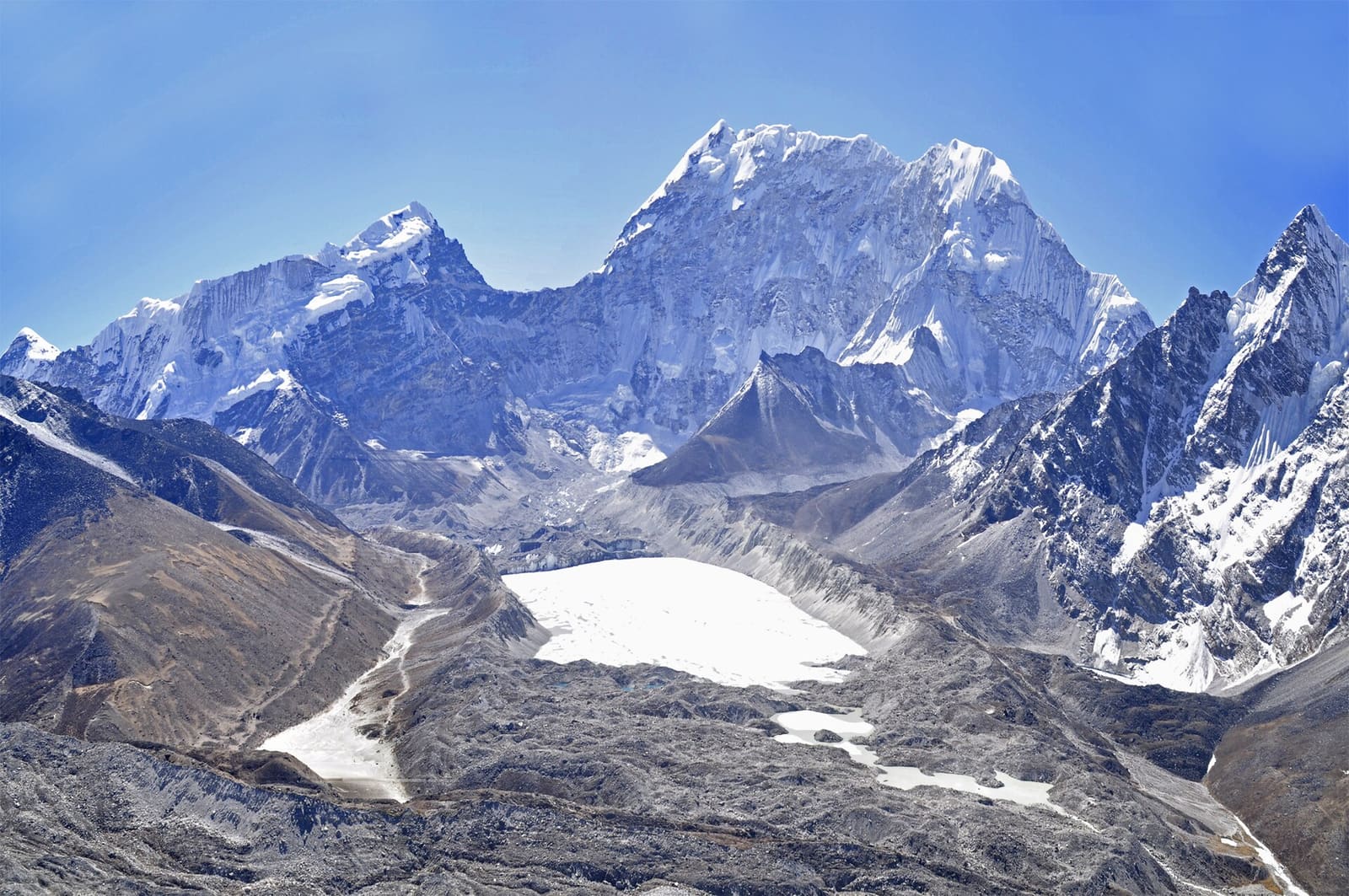
In 2020, an international team led by Walter Immerzeel published in Nature an analysis of the world’s “water towers”: mountain systems that store water as snow, glaciers and lakes, and release it towards the plains. They identified 78, on which around 1.9 billion people depend.
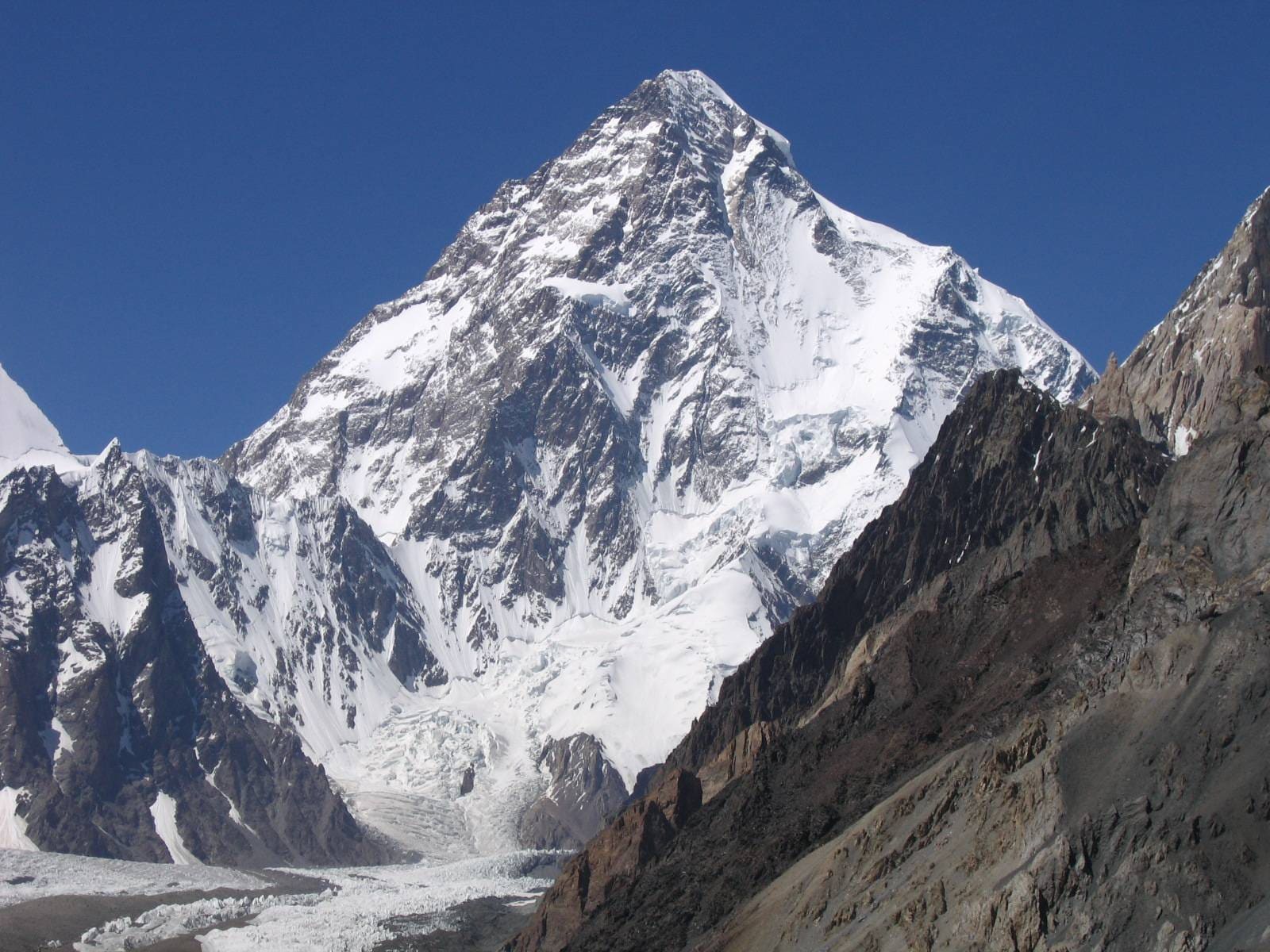
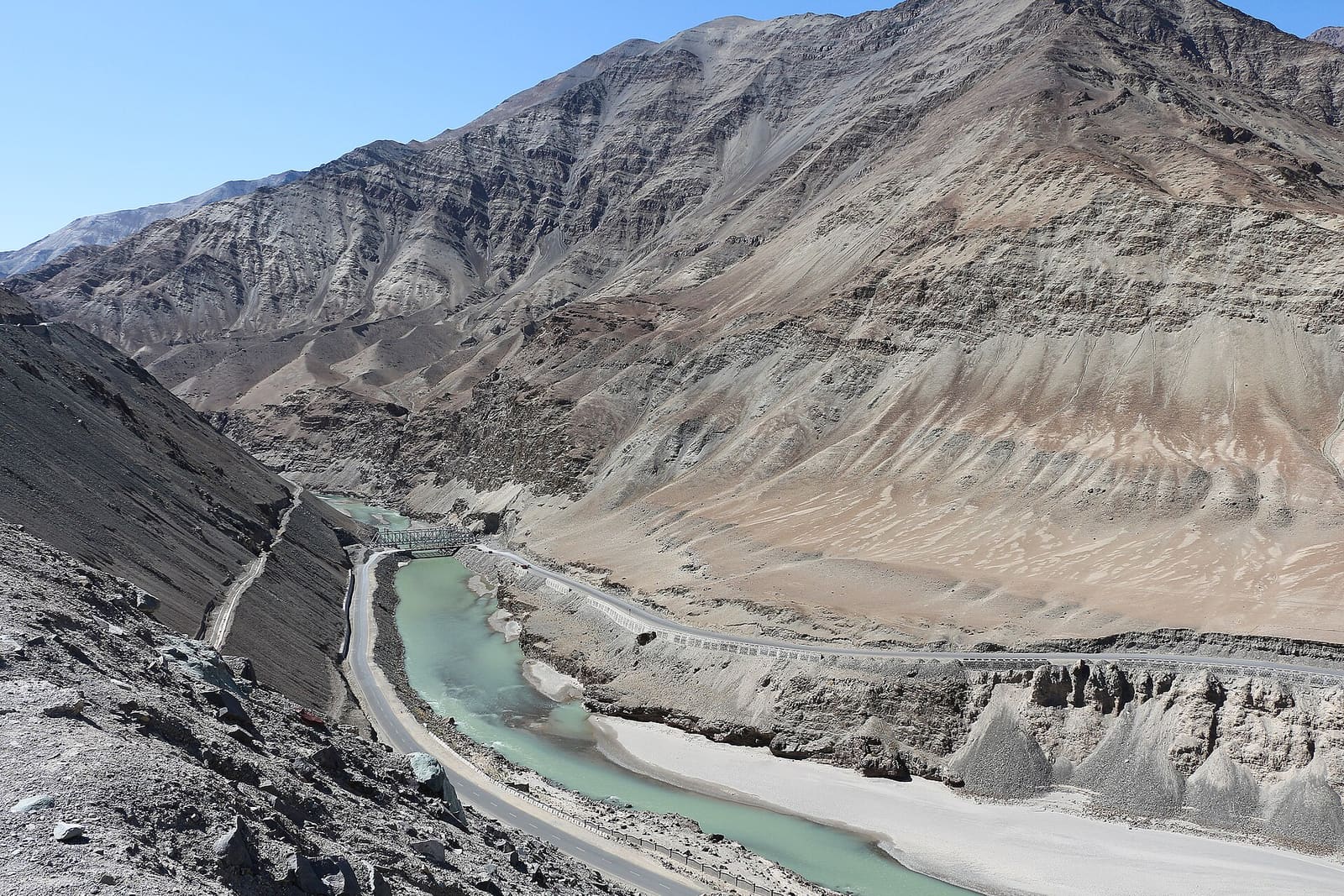
The most important and at the same time one of the most vulnerable turned out to be the Indus, which rises in the Himalaya, the Karakoram and the Hindu Kush. It is followed by systems such as the Tarim, the Amu Darya, the Ganges–Brahmaputra and the southern Andes.
What changes when there is less snow
1. Rivers change their calendar
With less snow, or with earlier melting, the peak flow comes earlier in spring and the river reaches late summer with less water, just when it is needed most for irrigation, drinking or electricity. In many basins, reservoirs were designed for the old regime.
2. Aquifers recharge less
Snow melts slowly and the water has time to soak in. Heavy rain, on the other hand, runs off quickly. Less snow can mean less recharge of groundwater.
3. Ecosystems fall out of sync
- Plants that flower earlier and are exposed to late frosts.
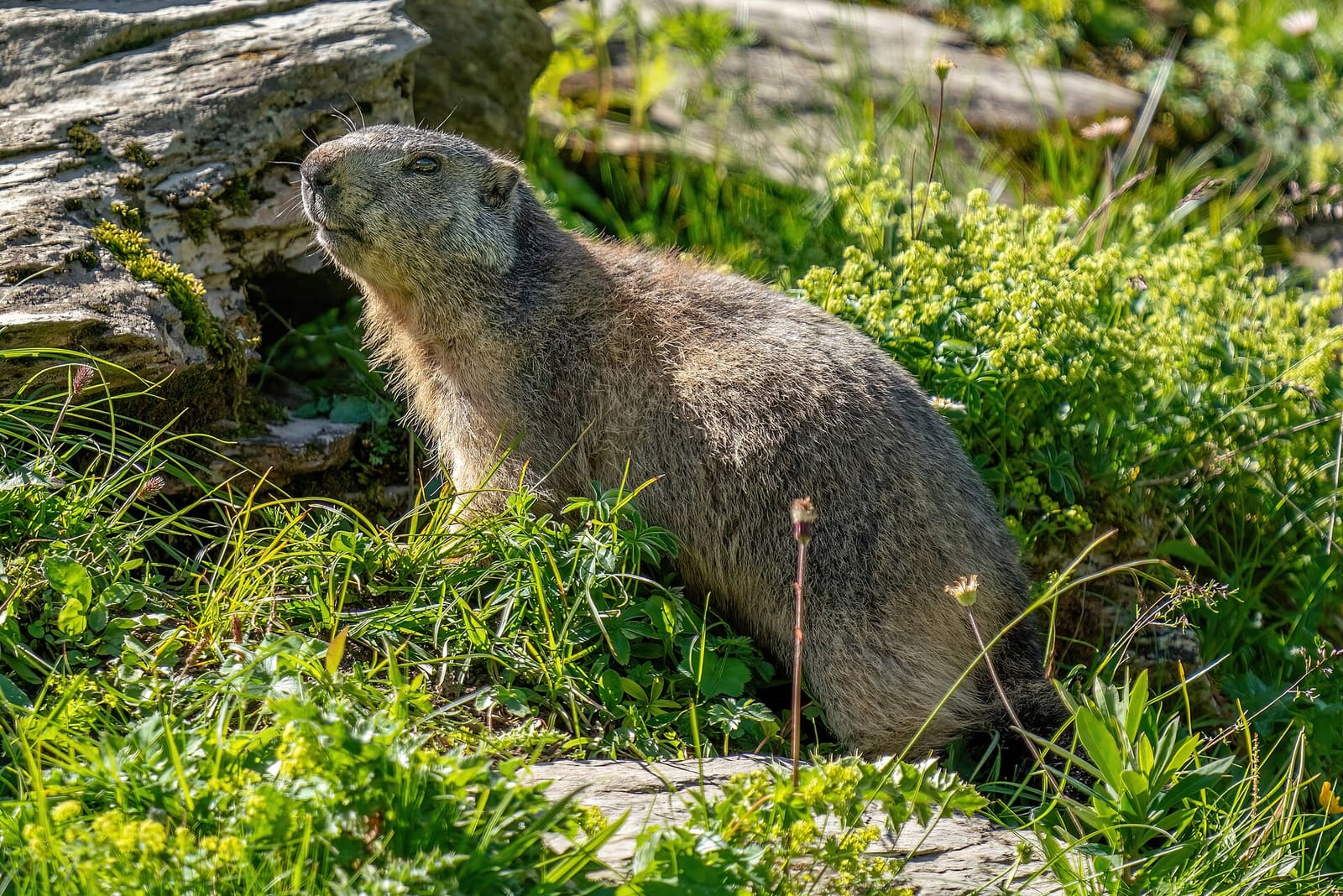
- Animals that turn white in winter, such as the mountain hare or the ptarmigan, end up white against a dark background and more visible to predators.
- High-mountain species move up until there is no “higher up” left.
4. The ground warms up earlier
Snow reflects most of the solar radiation. Without it, dark ground absorbs more energy and warms up, which in turn melts more snow. It is one of the reasons why many mountains are warming faster than the global average, as we explained when covering the 2024 record.
Snow works like insurance: it stores winter’s water to pay it out in summer.
The case of the Alps
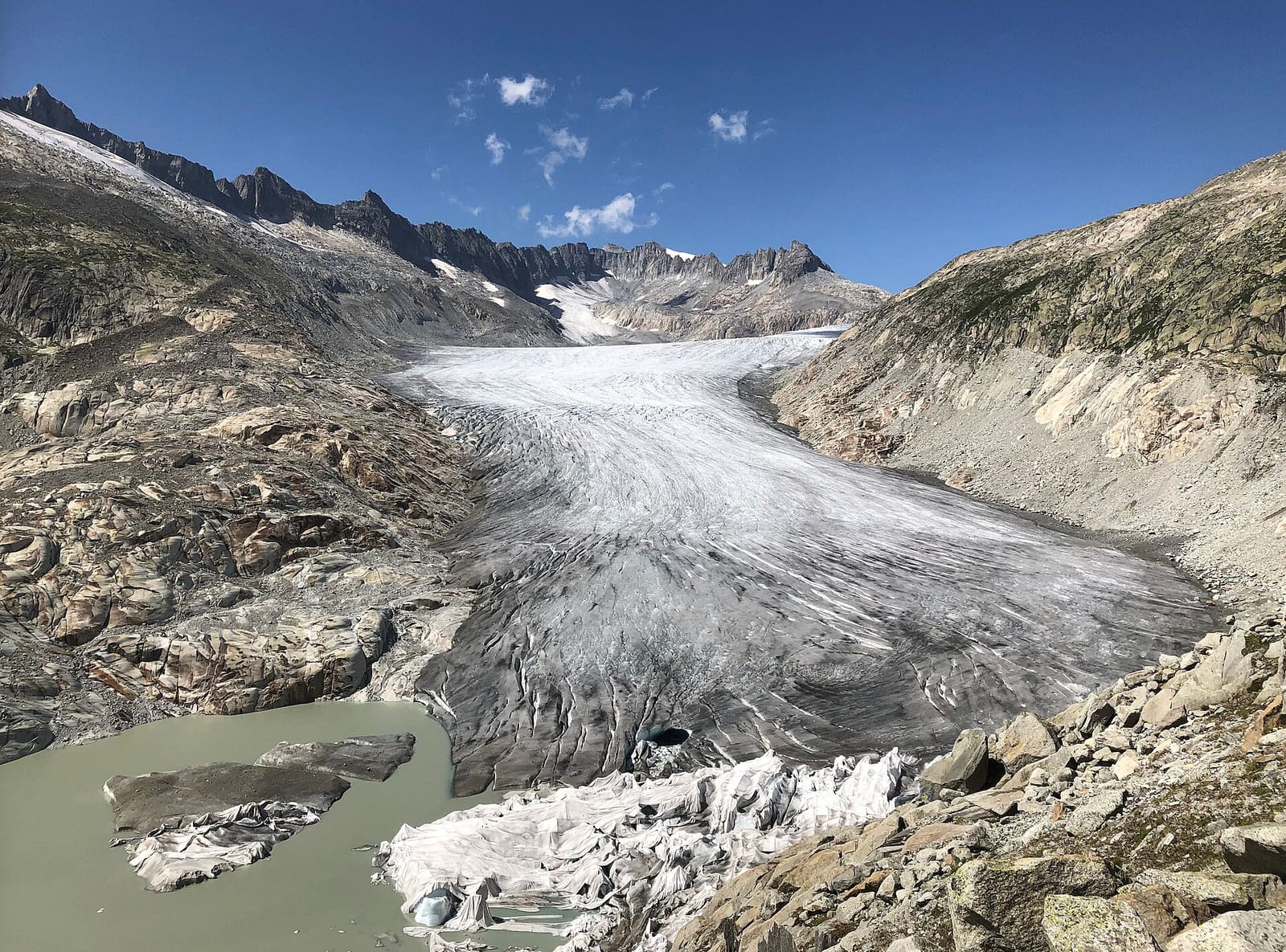
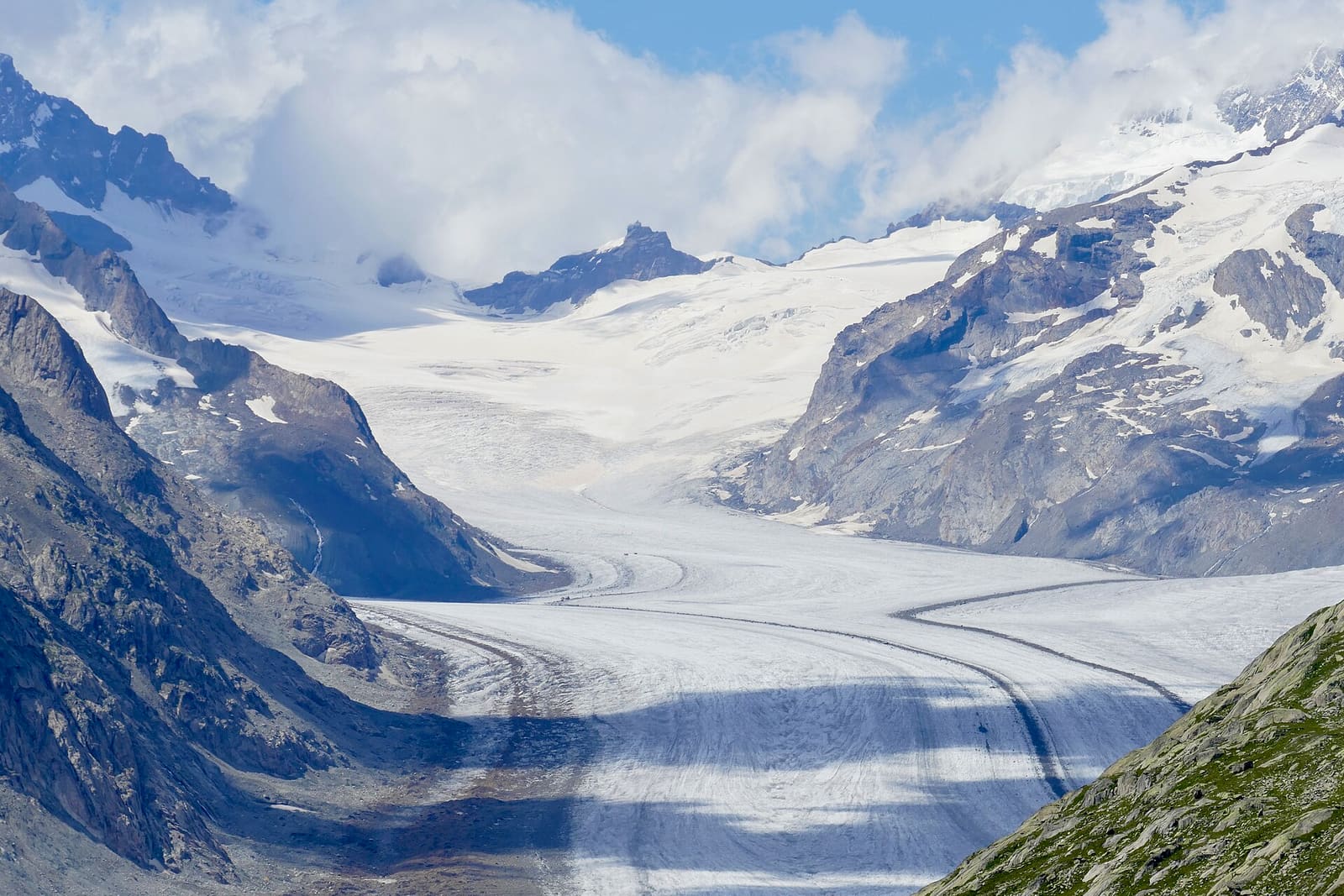
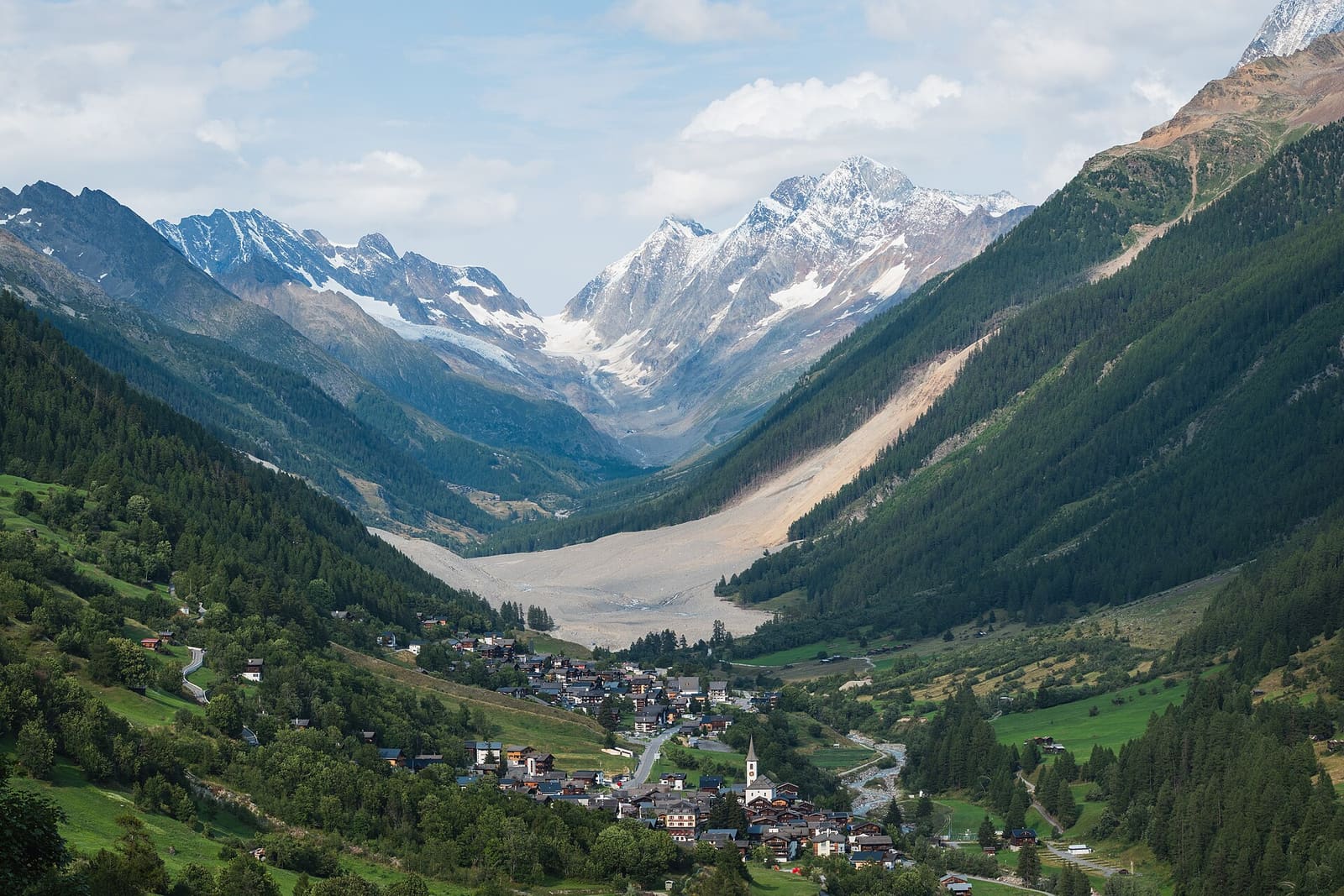
A study published in 2023 in Nature Climate Change reconstructed the duration of snow cover in the Alps over the last six centuries using juniper growth rings. Its conclusion: today’s snow cover lasts about a month less than the long-term average, an unprecedented decline over that period.
The consequences are already being felt in:
- Low- and mid-altitude ski resorts, which depend more and more on artificial snow, with its cost in water and energy.
- Mountain livestock farming, because of changes in pastures.
- Hydropower, which in countries such as Switzerland or Austria relies heavily on meltwater.
Could it disappear completely?
In the great ranges and at high altitude it will keep snowing even under the warmest scenarios. What is at stake is how much snow, how long it lasts and at what altitude. In mid-altitude mountains, such as many Mediterranean ranges, lasting snow could become exceptional in the coming decades if emissions are not reduced.
Adapting
- Water management: adapted reservoirs, saving, reuse.
- Restoring mountain wetlands and peatlands, which hold water.
- Diversifying the mountain economy beyond skiing.
And, above all, mitigation: how much snow we keep depends on how much warming we manage to avoid. If you want to know what is happening to permanent ice, read why glaciers are melting.
Sources and references
- Immerzeel et al. (2020), Nature – Importance and vulnerability of the world's water towers
- Carrer et al. (2023), Nature Climate Change – Snow cover duration in the Alps
- IPCC – Special Report on the Ocean and Cryosphere
This is original editorial content based on the sources cited. Spotted a mistake? Let us know and we will fix it under our corrections policy.