UN calls Nepal's glacier flood a 'defining moment' for the world
A wall of water more than 100 metres high swept through 60 kilometres of valley in seconds. Two months on, the UN's project services agency calls it one of the most destructive and deadliest climate-related disasters and urges rich countries to keep their promises.
Two months after the disaster, the United Nations has put figures —and words— to what happened in Nepal. The head of the United Nations Office for Project Services (UNOPS), Jorge Moreira da Silva, on Thursday described the flood triggered by a glacier collapse on 26 August as “one of the most destructive and deadliest climate disasters ever” and a “defining moment” for the country and the international community.
What happened
According to testimony gathered by the UN, the glacier collapse released a wall of water more than 100 metres high that moved at about 180 km/h and devastated 60 kilometres of valley within seconds. Images released by the organisation show damage in Nuwakot district, in the centre-north of the country.
The toll reported by the UN is devastating:
| Impact | Figure |
|---|---|
| Dead | More than 1,500 |
| Missing | 5,600 |
| People affected | About 100,000 (more than 30,000 children) |
| Bridges collapsed | More than 100 |
| Hydropower dams destroyed | 13 |
| Schools destroyed | 23 |
| Debris and sediment | About 2.2 million tonnes |
The lack of bridges has cut off entire communities: a journey that used to take minutes can now take twelve hours on foot.
“We are not dealing with a normal flood,” Moreira da Silva said after visiting UNOPS teams on the ground.
The bill
Recovery needs are estimated at 4.8 billion dollars, around 10% of Nepal’s GDP. An emergency appeal sought 50 million for immediate aid and has so far raised 24.5 million. The government is preparing a damage assessment and reconstruction plan with support from the UN and multilateral banks, and plans a donor conference.
A matter of climate justice
Nepal produces around 0.08% of the world’s greenhouse gas emissions. The UNOPS chief reminded developed countries of the goal of mobilising 1.3 trillion dollars a year in climate finance for developing countries by 2035, and called for deep emission cuts to keep the 1.5 °C goal alive. “Perception is not enough. We need a strong commitment,” he said.
Why these floods happen
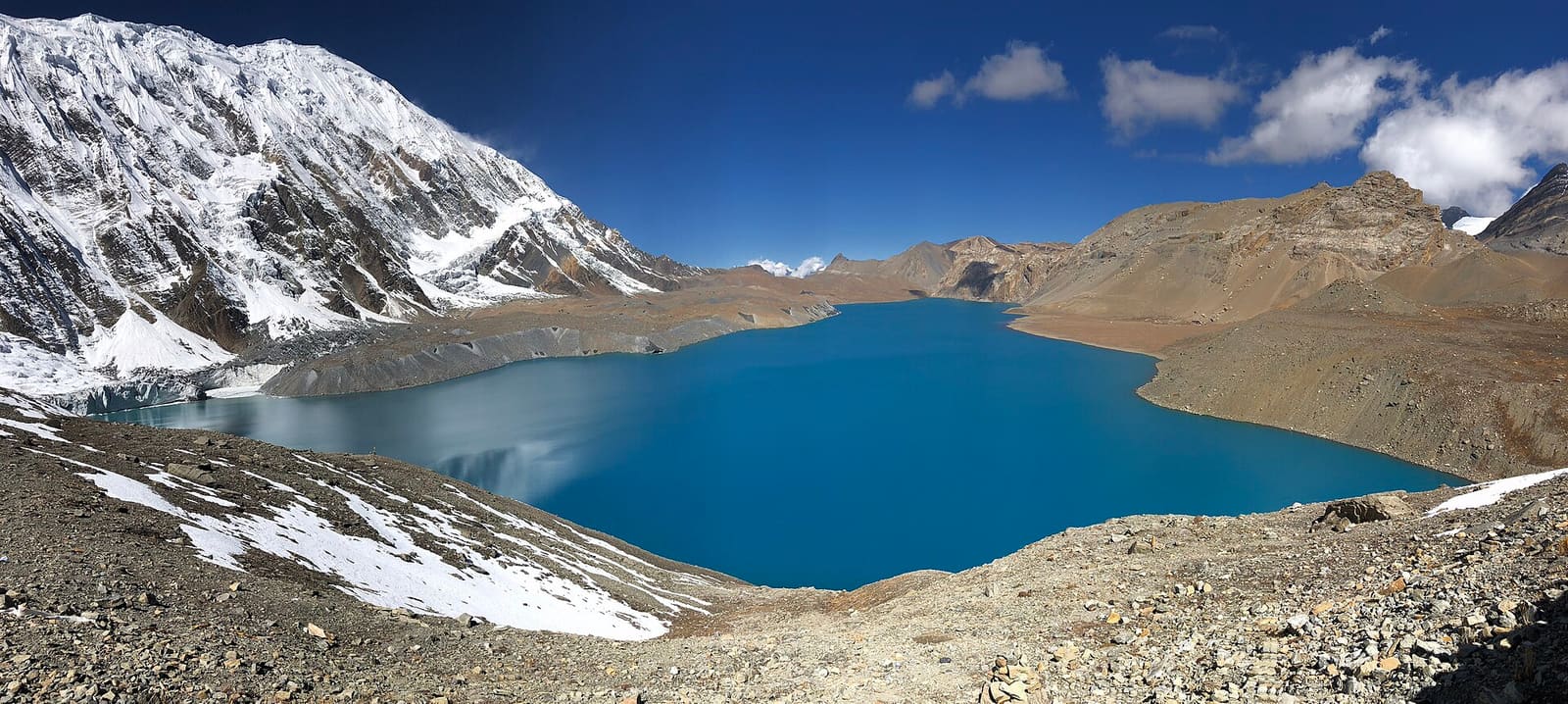
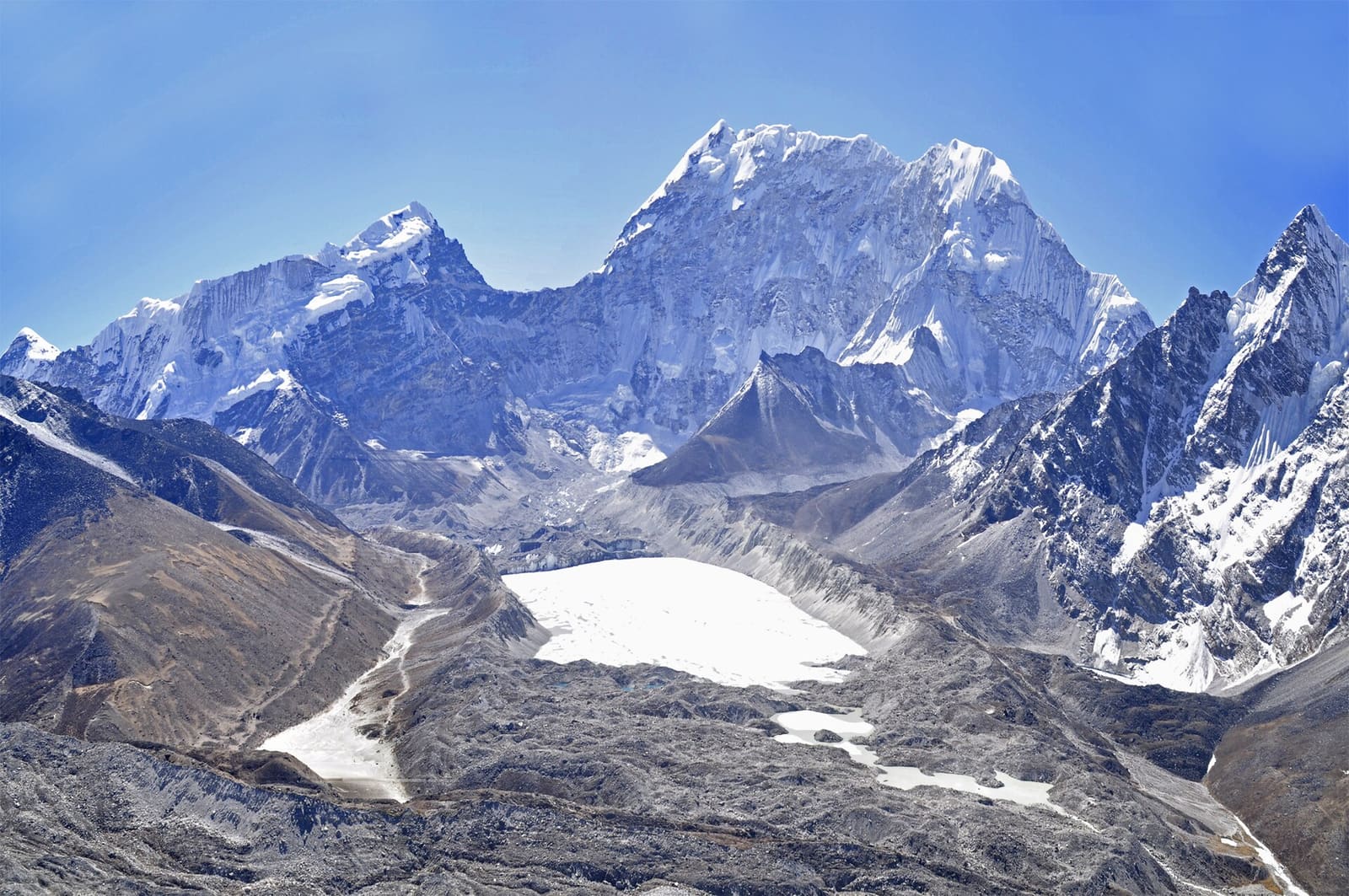
Glacier floods —known as GLOFs (glacial lake outburst floods)— occur when a glacial lake overflows or breaches its moraine or ice dam, or when a mass of ice collapses. Glacier retreat is multiplying the number and size of such lakes in the Himalaya. We explain it in why glaciers are melting, and the Swiss case of Blatten shows how monitoring and early warning can save lives.
The UN insists that reconstruction must include early warning systems and climate-resilient infrastructure: bridges, dams and schools designed for the new reality.
Sources and references
- UN News – Nepal's deadly glacier flood a 'defining moment' (22/10/2026)
- UNOPS – United Nations Office for Project Services
This is original editorial content based on the sources cited. Spotted a mistake? Let us know and we will fix it under our corrections policy.