Everest: higher fees, waste bags and new demands on climbers
The permit for the south side rose from 11,000 to 15,000 dollars, climbers must carry down their own waste and experience requirements are being discussed. We review the measures trying to bring order to the world's most famous mountain.
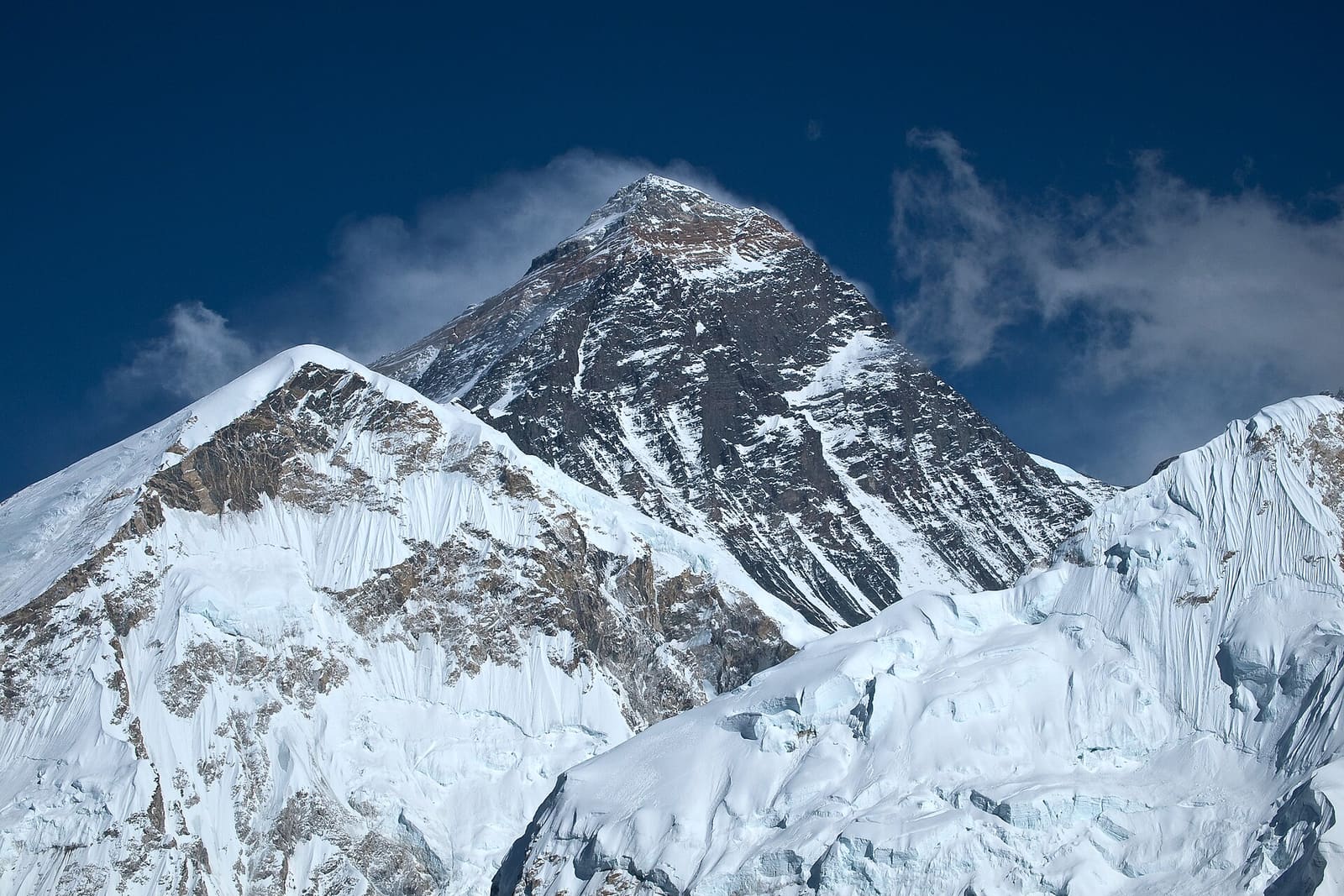
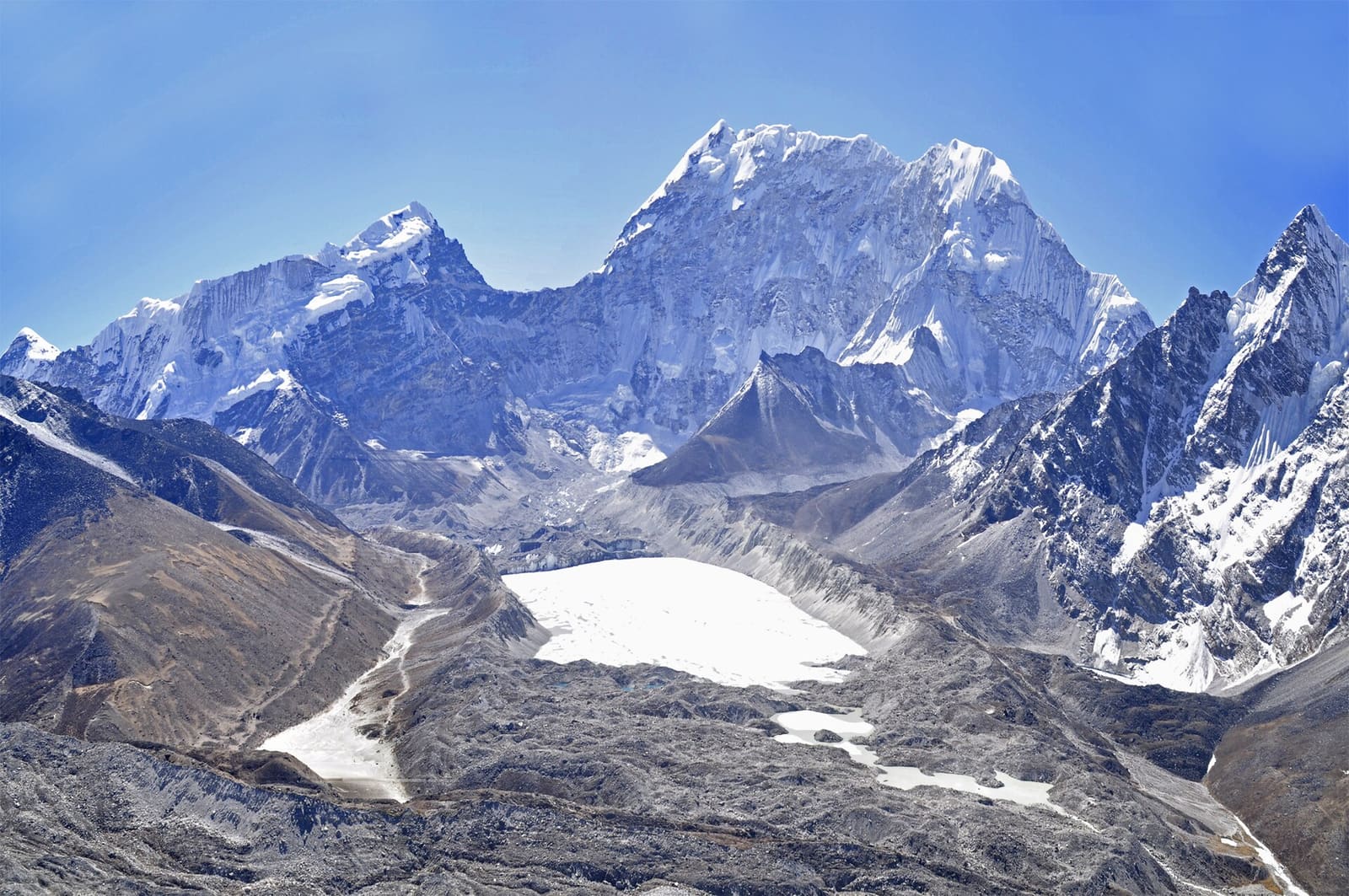
Every spring, hundreds of climbers and an even larger number of Sherpas, cooks and porters settle into Everest Base Camp, at about 5,300 metres. Images of queues on the summit ridge have gone around the world and fuelled an uncomfortable question: can the mountain still be managed the way it was twenty years ago?
Nepal has responded with a package of measures combining money, the environment and safety.
1. A more expensive permit
The fee (or royalty) each foreign climber pays to climb Everest by the normal Nepalese route in the spring season rose from 11,000 to 15,000 dollars, effective from September 2025. Fees for autumn and winter, much quieter seasons, were also revised upwards.
The permit is only part of the total cost of an expedition, which in practice is usually several times higher once logistics, oxygen, support staff and insurance are added. The increase has a double stated goal: to raise public revenue and, according to its supporters, to discourage those who arrive without enough preparation.
2. Bringing down what you produce
At high altitude there is no natural way to get rid of human waste: the cold preserves it for years. Since the 2024 season, the local authority in the Khumbu region has required climbers to use special bags to collect their faeces at the high camps and bring them down to Base Camp. The bags contain products that solidify the waste and reduce odour.
It is an unglamorous measure, but it has a direct effect on water quality and the hygiene of camps shared by hundreds of people every season.
3. Rubbish and deposits
For years, teams have had to leave a deposit that they only get back if they bring down a certain amount of rubbish. In addition, the Nepalese army and local organisations have run clean-up campaigns that have removed tonnes of waste and even the remains of climbers who died in previous years.
Rubbish is not the only trace: scientific research has found microplastics near the summit, largely from technical gear itself.
4. Mandatory experience?
In recent years Nepal has debated an additional requirement: having first climbed at least one mountain over 7,000 metres in the country in order to qualify for an Everest permit. The proposal aims to reduce the number of people without high-altitude experience, one of the causes cited for the traffic jams and some accidents.
Whether it is finally applied depends on the legislative process and its implementing regulations, so check official information before planning.
High altitude does not forgive a lack of experience: the difference between a summit and an impossible rescue can be a matter of hours.
Why preparation matters
Above about 8,000 metres, in the so-called death zone, the body cannot acclimatise: it only deteriorates. Problems such as high-altitude cerebral or pulmonary oedema can appear even in strong people. We explain it in what happens to your body above 3,000 metres.
What the rules do not solve
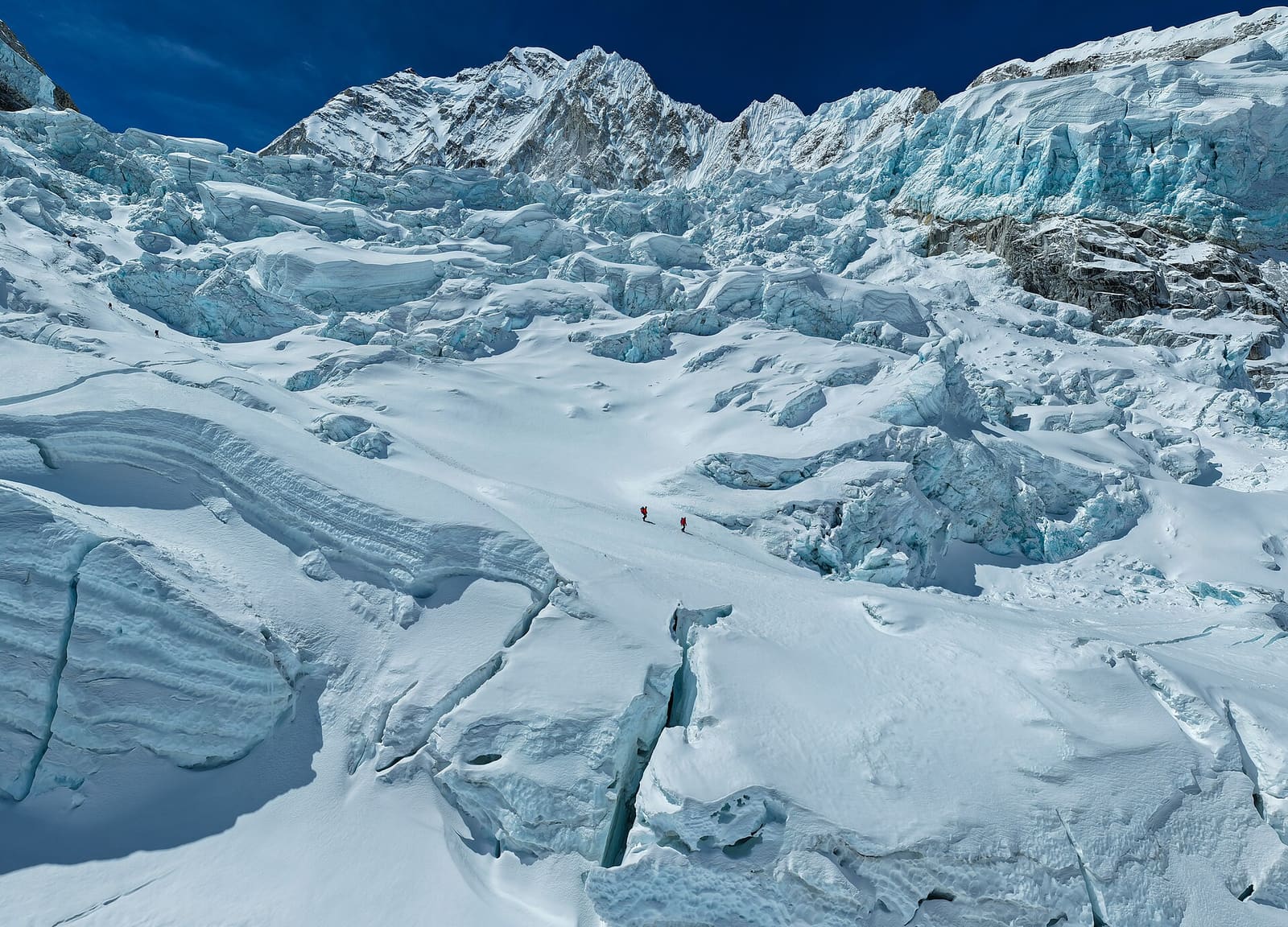
No measure removes Everest’s objective hazards: the Khumbu Icefall, changes in the weather, wind on the ridge or exhaustion. And there is an underlying issue the rules barely address: economic dependence on a short season and the risk borne by local workers, who are the ones crossing the dangerous areas most often.
Everest remains one of the most dangerous mountains in the world for reasons different from, say, K2 or Annapurna. Understanding that is the first step towards seeing it with more than fascination.
Sources and references
This is original editorial content based on the sources cited. Spotted a mistake? Let us know and we will fix it under our corrections policy.