The wildest rivers in the world and where they begin
Some rise on a glacier in Tibet, others at a lost spring in the Andes whose title two mountains dispute. Ten rivers that are still wild, told from their source.
A river is a story that starts at a specific point: a spring, a lake, the tongue of a glacier. Sometimes that point is so remote that for centuries nobody knew where it was. These ten rivers keep something increasingly rare: the strength of a channel that has barely been tamed.
1. The Amazon: the giant with a disputed source
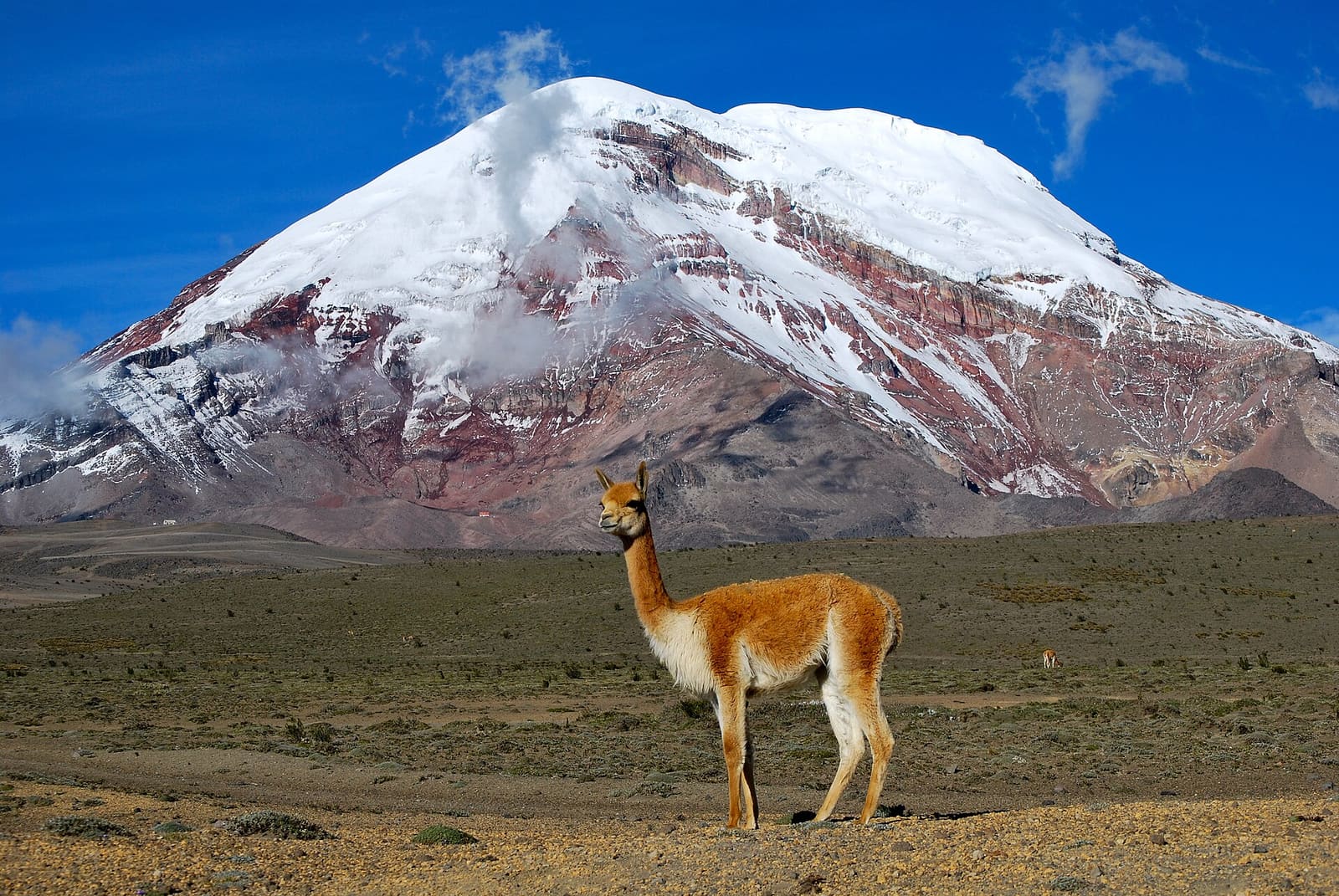
It is the river with the greatest flow on the planet: it delivers around a sixth of all the fresh water that rivers pour into the oceans. It rises in the Peruvian Andes, but where exactly? For decades a source on Nevado Mismi (Apurímac basin) was accepted. A study published in 2014 proposed that the Mantaro river provides an even longer course. The debate remains open and depends on how you measure.
2. The Nile: the most famous search
By the traditional measurement, the Nile is the longest river in the world, at about 6,650 km. The search for its source obsessed 19th-century explorers. Today its most remote headwaters are considered to lie in the Kagera river basin, in the mountains of Rwanda and Burundi, before it reaches Lake Victoria.
3. The Congo: the deepest river
The Congo crosses the equator twice and flows through the second-largest tropical rainforest in the world. In its lower course, its rapids hide trenches more than 200 metres deep, the greatest ever measured in a river. It rises on the plateaus of Zambia (the Chambeshi river) and the Katanga region.
4. Yarlung Tsangpo / Brahmaputra
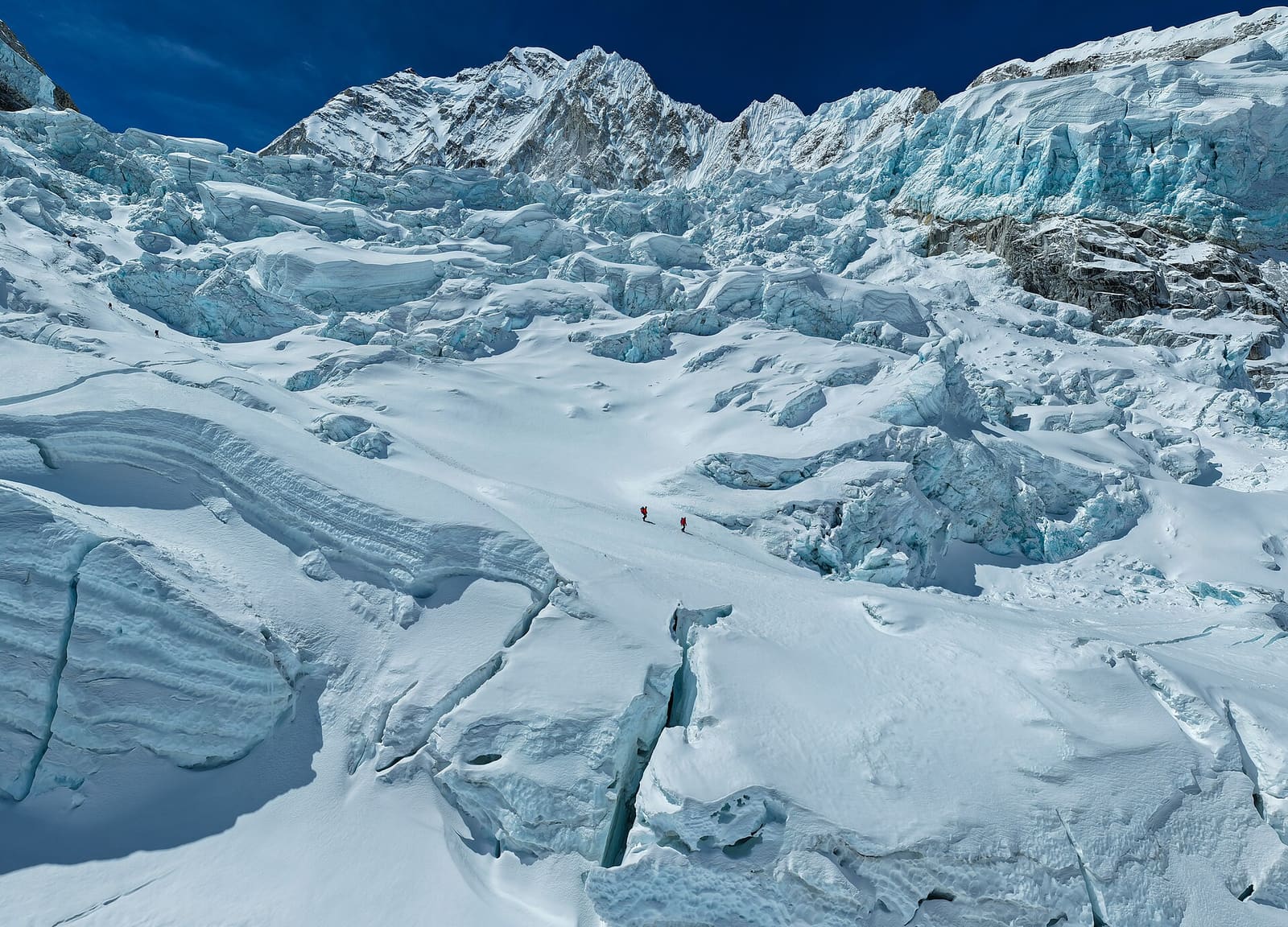
It rises near Mount Kailash, in Tibet, above 5,000 metres. It crosses the plateau and plunges through the Yarlung Tsangpo Grand Canyon, one of the deepest on Earth, before entering India as the Brahmaputra. Some of its sections are among the hardest in the world for kayaking.
5. The Mekong
It rises on the Tibetan Plateau, in China’s Qinghai province, and flows through six countries. It supports one of the largest freshwater fisheries on the planet. Dams built along its upper and middle course are changing its flow and sediment regime.
6. The Zambezi
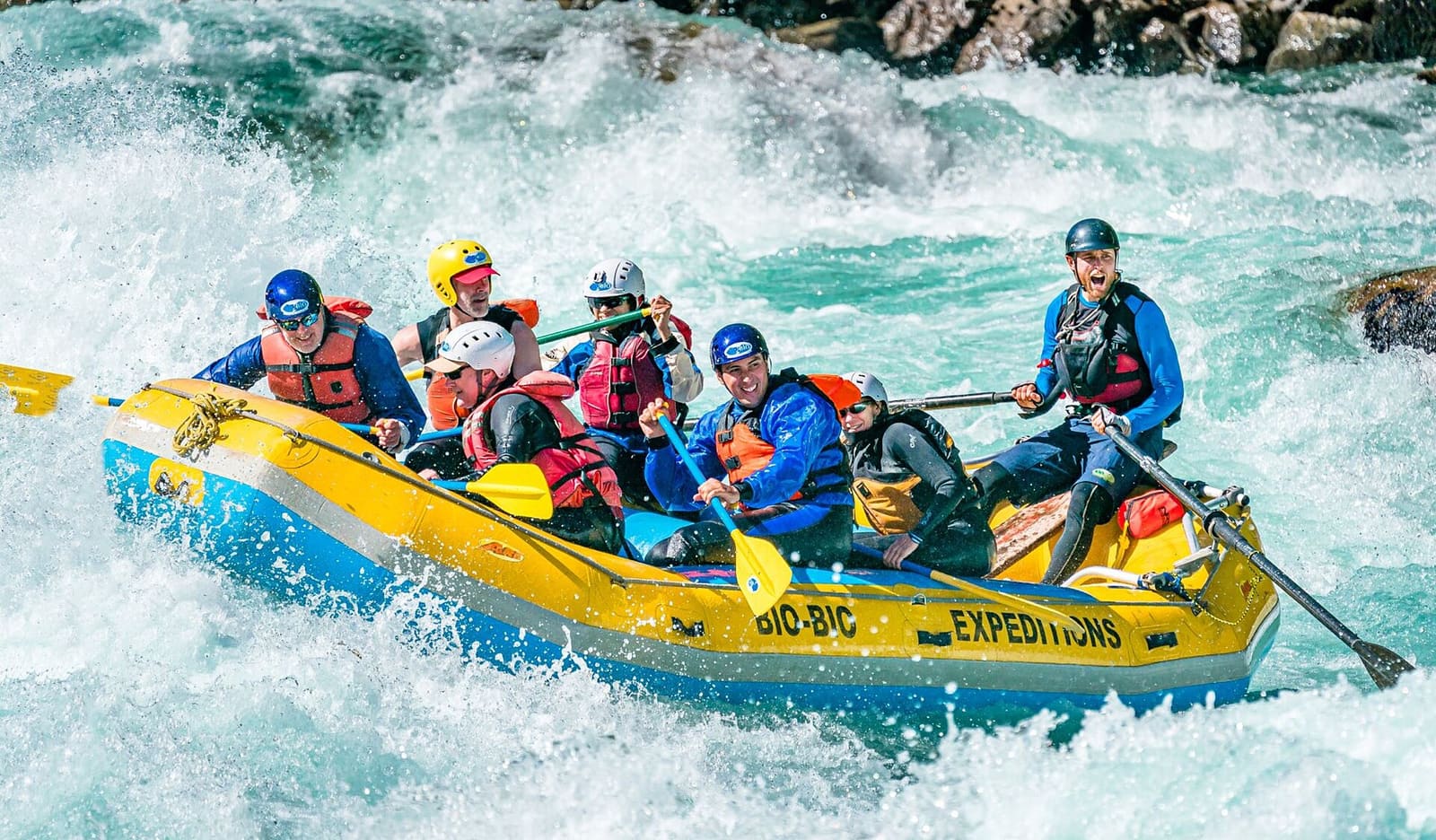
It rises in a wetland in north-western Zambia and forms Victoria Falls (Mosi-oa-Tunya, “the smoke that thunders”), one of the most spectacular waterfalls in the world. Its rapids downstream are a classic rafting destination.
7. The Colorado
It rises in the Rocky Mountains of Colorado (USA) and carved the Grand Canyon. It is an example of an overexploited river: between dams and extraction for irrigation and cities, in most years it barely reaches its mouth in the Gulf of California.
A wild river is not just a river without dams: it is a river that still reaches the sea.
8. Futaleufú (Chile and Argentina)
It rises in lakes on the Argentine side, around Los Alerces National Park, and crosses into Chile with almost unreal turquoise water. It is one of the most renowned rafting destinations in the world for the power of its rapids.
9. Tara (Montenegro)
In Europe, the Tara canyon is one of the deepest on the continent, with walls over a thousand metres high. It rises in the mountains of northern Montenegro and is a World Heritage Site within Durmitor National Park.
10. Sun Kosi (Nepal)
Its name is often translated as “river of gold”. It rises in Tibet and flows down into Nepal from the Himalaya. It is famous for multi-day raft descents through remote valleys.
Rivers in danger
According to international studies, only a minority of the world’s great rivers flow freely along their entire length. Dams, water extraction, pollution and climate change are transforming many of them. Europe has committed to restoring thousands of kilometres of free-flowing rivers, as we explain in the nature restoration law.
And much of that water depends on mountain snow and ice: what would happen if the snow disappeared.
Sources and references
- U.S. Geological Survey (USGS) – Water Science
- National Geographic Society – Rivers
- WWF – Free-flowing rivers
This is original editorial content based on the sources cited. Spotted a mistake? Let us know and we will fix it under our corrections policy.