Venezuela runs out of glaciers: how the last ice of the Venezuelan Andes disappeared
The Sierra Nevada de Mérida once had at least six glaciers. By 2024 the last one —Humboldt— had shrunk into a small ice field. Venezuela thus became the first country in modern times to lose all its glaciers.
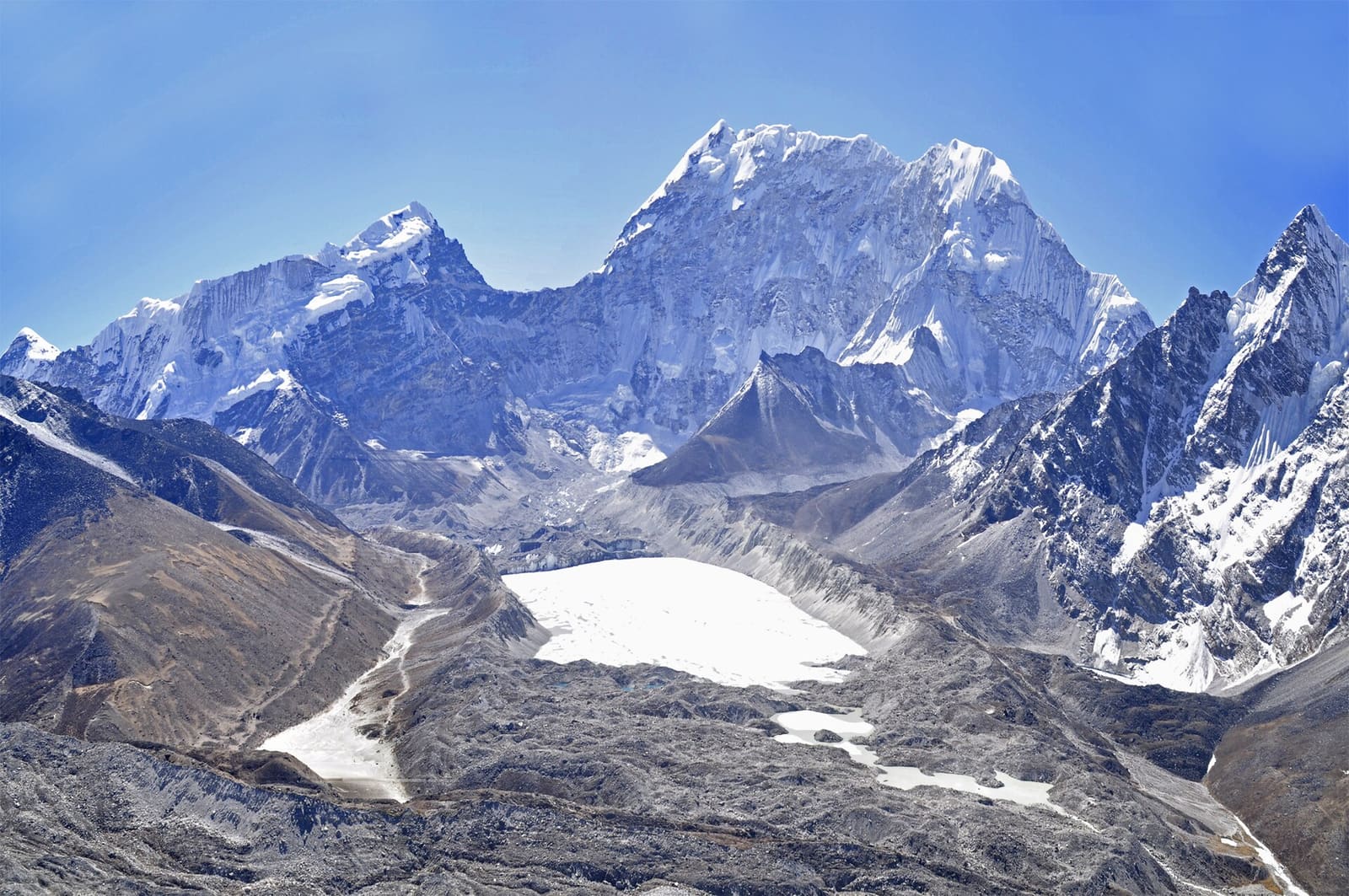
For centuries, the summits of the Sierra Nevada de Mérida shone with ice just a few degrees from the equator. Today that shine is history. In 2024, scientists monitoring the Humboldt glacier, Venezuela’s last, concluded that it no longer met the conditions to be called a glacier: it had shrunk to less than two hectares, an area equivalent to a couple of football pitches.
With that, according to the International Cryosphere Climate Initiative (ICCI), Venezuela became the first country in modern times to lose all its glaciers.
When does a glacier stop being a glacier?
There is no single universal threshold, but glaciologists usually require two things: a sufficient mass of ice and ice that moves under its own weight. Below a certain size, the ice no longer flows: it remains as a static remnant that only melts. This is sometimes called an ice field or dead ice.
Humboldt crossed that line. Some ice may remain for a few more years, but it no longer works as a glacier.
A countdown that began decades ago
The Sierra Nevada de Mérida once had at least six glaciers. According to researchers in the region, five of them had disappeared before 2011. Since then, Humboldt —on the peak of the same name, about 4,900 metres high— was the last survivor.
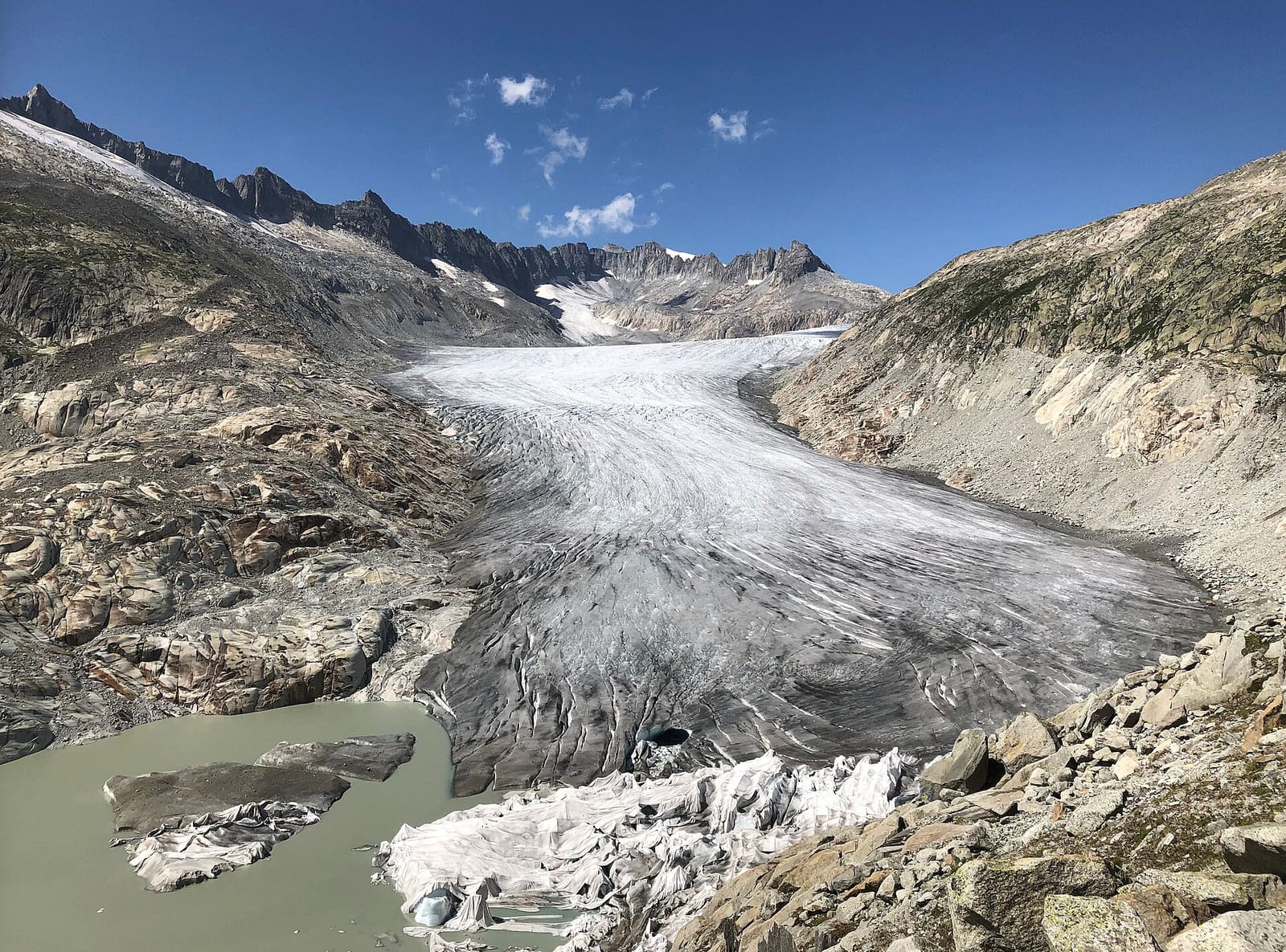
At the end of 2023, a geotextile blanket was laid over part of the ice to try to slow the melting, a measure criticised by scientists and environmentalists for its limited effectiveness at that scale and the risk of leaving microplastics in the environment.
Why tropical glaciers are so fragile
Glaciers near the equator live in a very delicate balance:
- There is no winter to replenish their mass: the temperature is similar all year round.
- The equilibrium line —the altitude above which the glacier gains more ice than it loses— is very high. A small rise in that line puts the whole glacier in the loss zone.
- Solar radiation is intense all year.
That is why the tropical glaciers of the Andes (Peru, Bolivia, Ecuador, Colombia) are considered among the most vulnerable on the planet. Those of East Africa, such as on Kilimanjaro or Mount Kenya, are also retreating.
Who could be next?
Various studies point out that other countries with small glacier areas could follow the same path in the coming decades. Colombia, Slovenia and Indonesia (with the glaciers of Papua) often appear on those lists. These are projections, not certainties: they depend on how emissions evolve and on local conditions.
A disappearing glacier is not just one less landscape: it is a climate archive thousands of years old that is lost.
Beyond the scenery
In Venezuela, the contribution of these glaciers to drinking water was small compared with other Andean countries. Their value was above all scientific, cultural and symbolic: a visible indicator of what is happening in all tropical mountains.
In countries such as Peru or Bolivia, on the other hand, the melting does have direct implications for water supply in the dry season. We explain it in what would happen if snow disappeared from the great mountains.
What remains to be done
Humboldt’s disappearance cannot be reversed on human timescales. What is at stake is the future of the thousands of glaciers that still exist. The UN dedicated 2025 to glacier preservation precisely to underline this: every tenth of a degree of warming avoided means ice that is saved.
Sources and references
- International Cryosphere Climate Initiative (ICCI)
- University of Los Andes (Venezuela)
- World Glacier Monitoring Service (WGMS)
This is original editorial content based on the sources cited. Spotted a mistake? Let us know and we will fix it under our corrections policy.