Swiss glaciers chain together years of record losses: what the measurements say
Measurement campaigns by the Swiss glacier monitoring network document the biggest losses since records began. We explain what the numbers mean and why they matter beyond Switzerland.
For more than a century, Swiss glaciologists have climbed onto the glaciers every autumn to drive in stakes, dig snow pits and measure how much ice has been gained or lost. Few mountain data series in the world are so long or so dense. So when those measurements show a sudden jump, it is worth paying attention.
Campaigns by the GLAMOS network (Glacier Monitoring Switzerland) documented in 2022 a loss of about 6% of the country’s glacier volume, and in 2023 a further 4%. In just two seasons, Switzerland lost about a tenth of its ice: as much as in the three decades from 1960 to 1990, according to the comparison published by the monitoring network itself and by the Swiss Academy of Sciences.
What “losing 10%” means
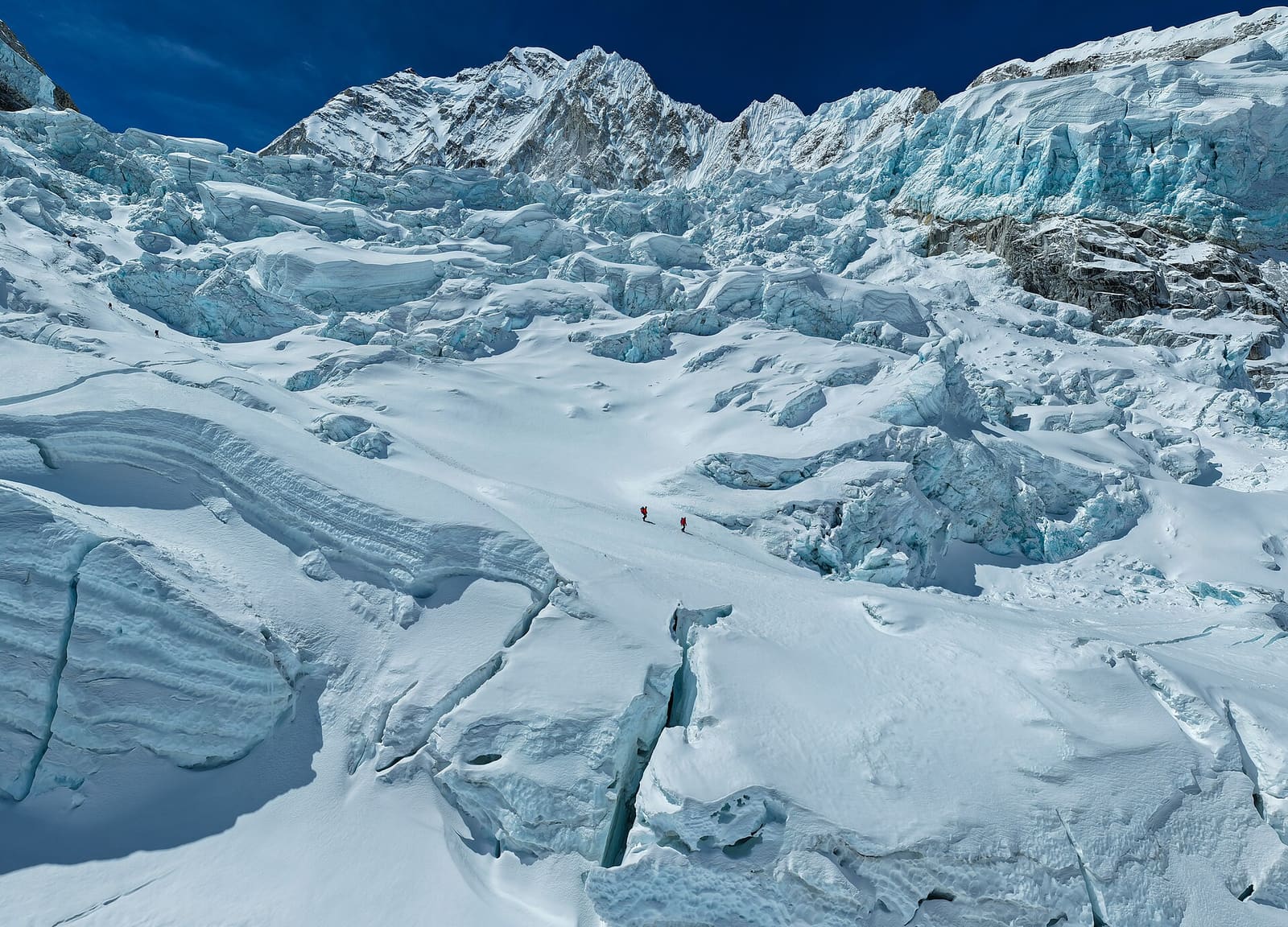
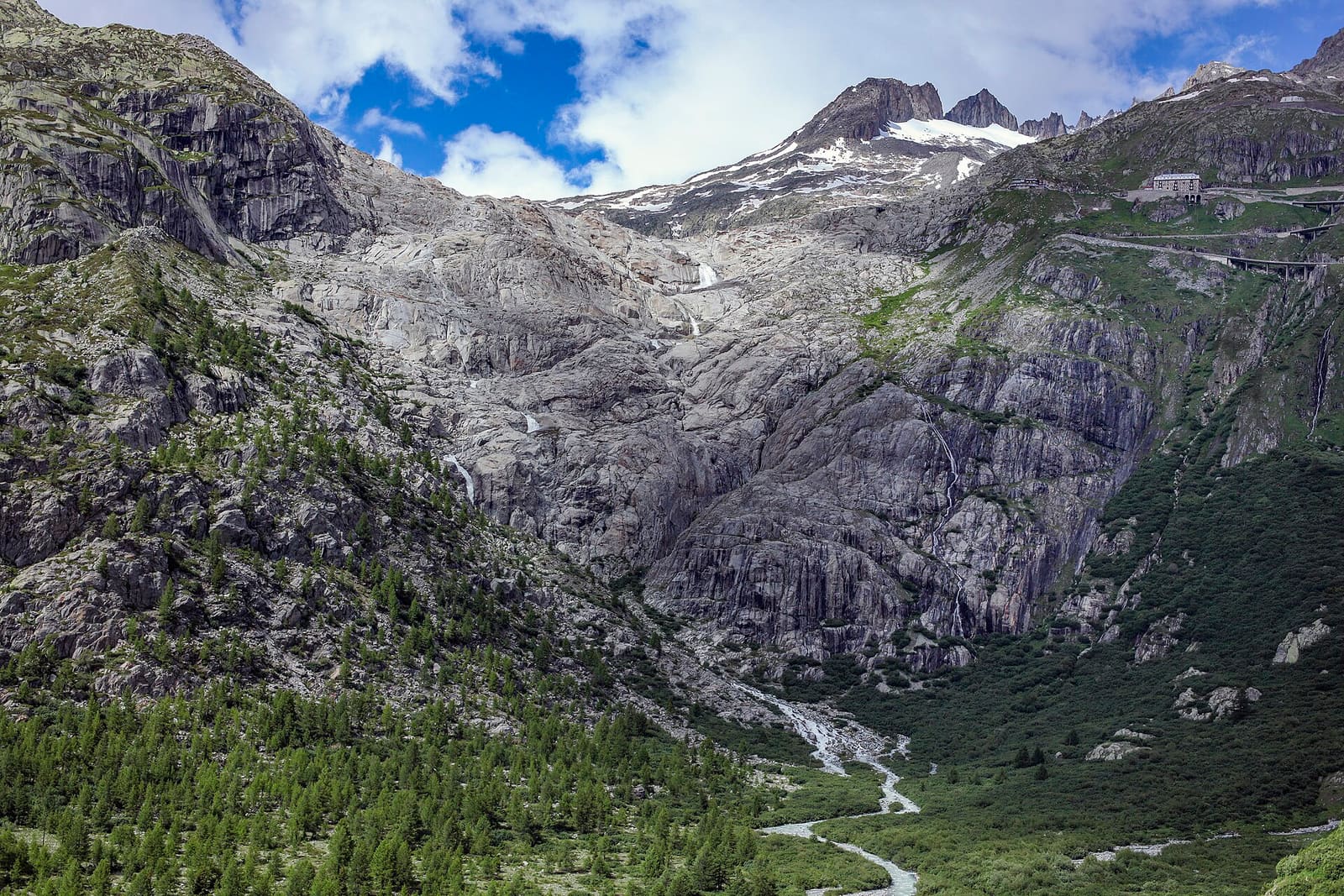
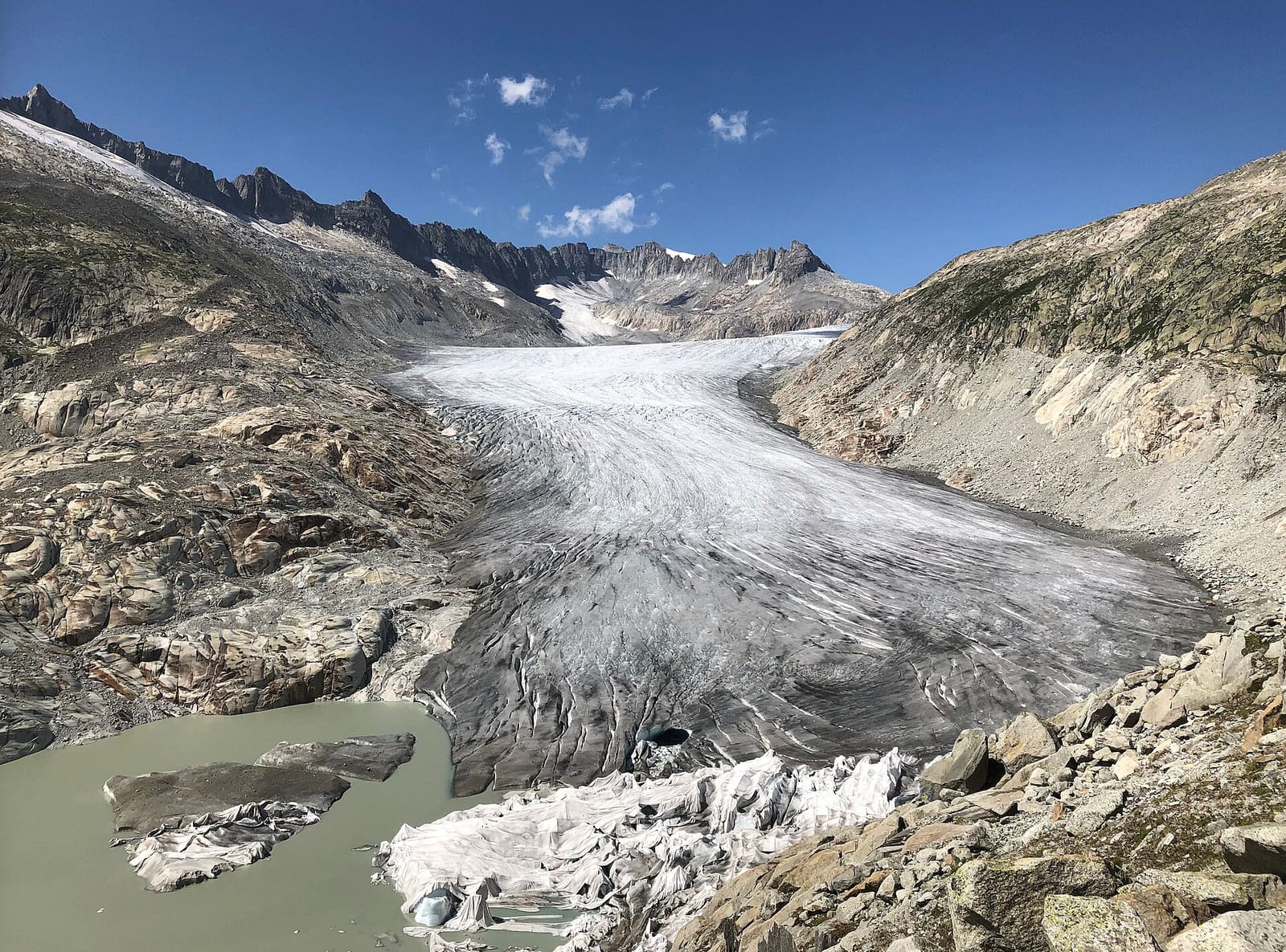
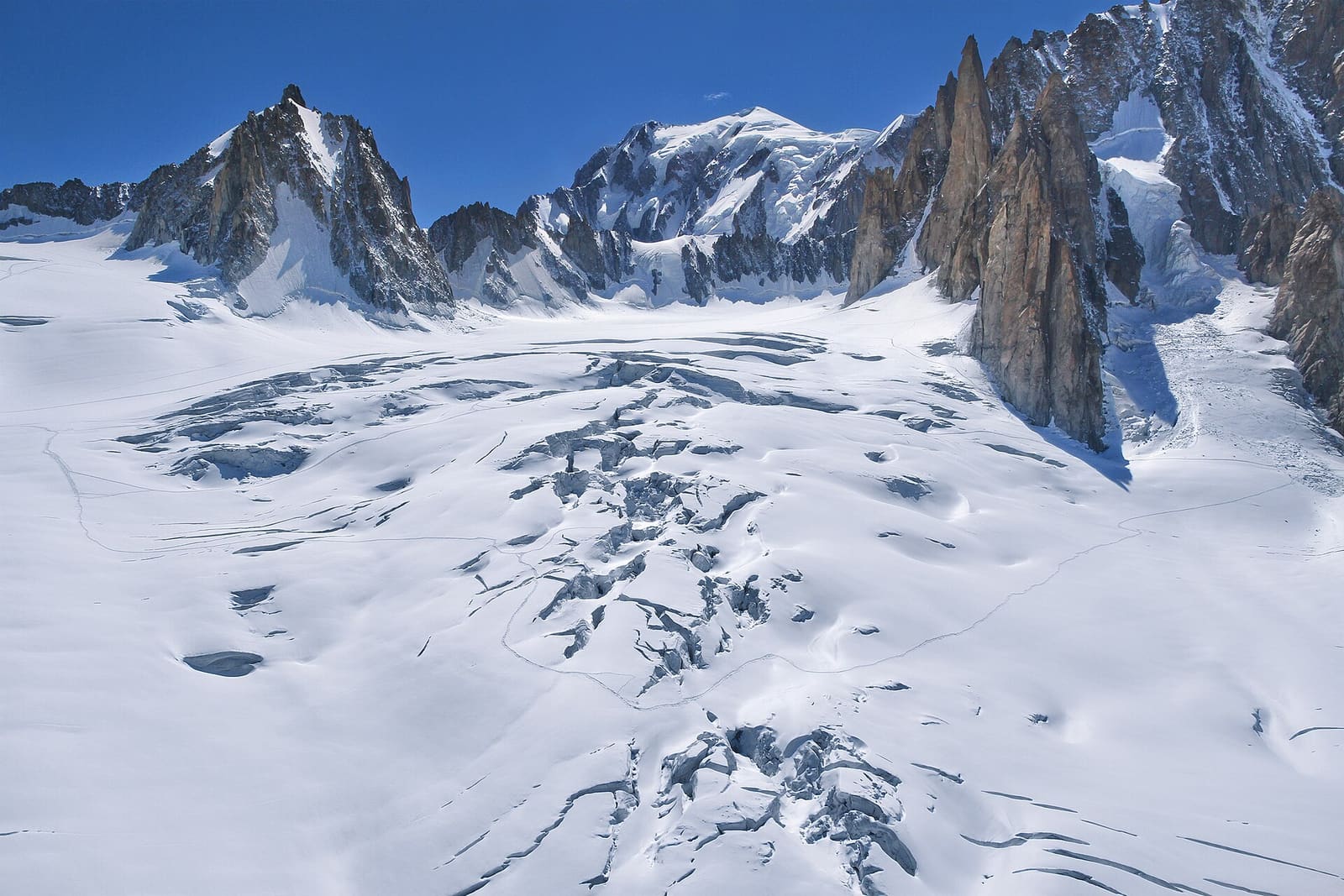
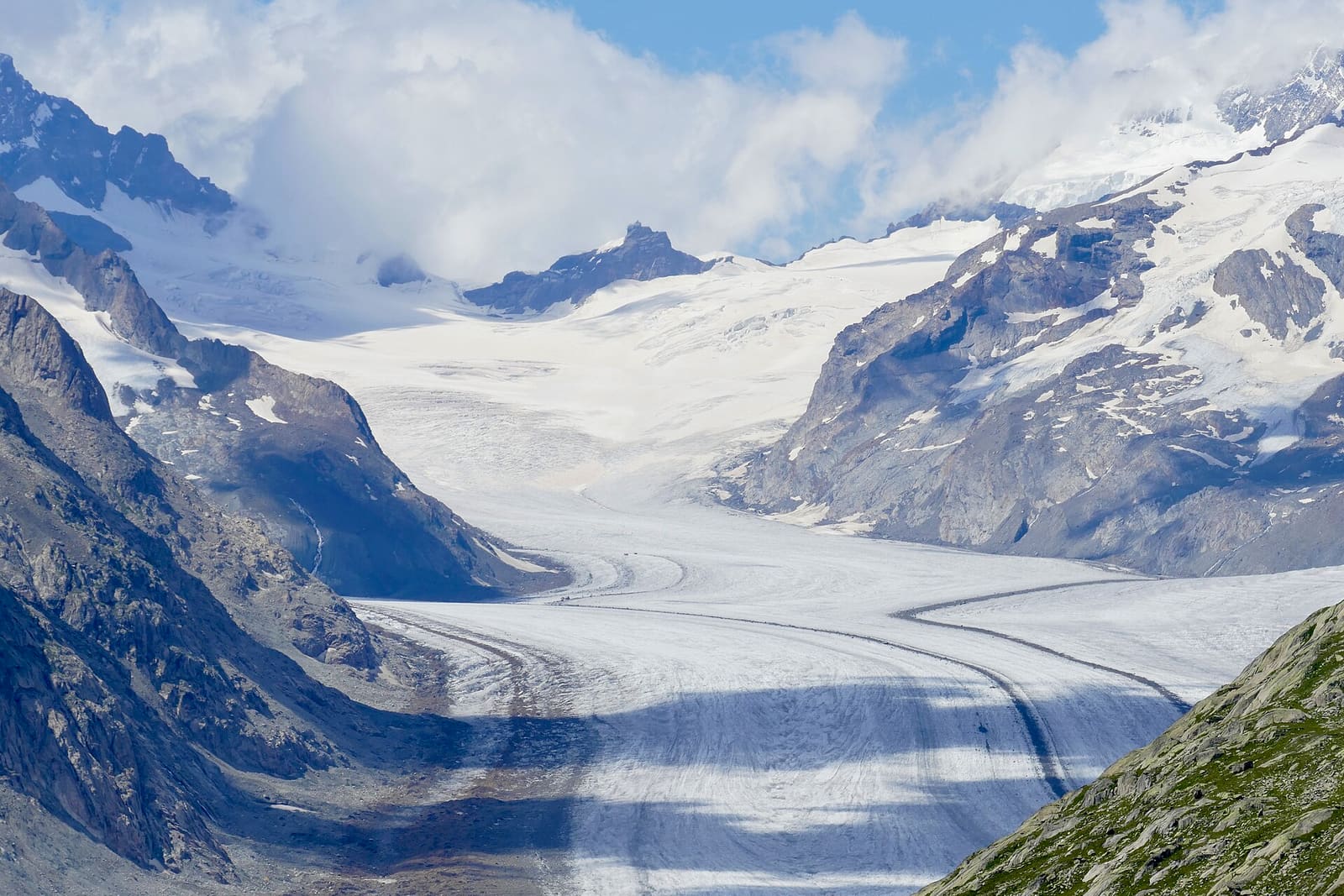
The figure does not refer to the area we see from a viewpoint, but to volume: the thickness of the ice multiplied by its extent. A glacier can keep almost the same outline from a distance while thinning by several metres in one summer.
Two types of measurement are combined to estimate it:
- Glaciological method: stakes and soundings at specific points on the glacier, checked every season.
- Geodetic method: comparing digital terrain models obtained from flights, satellites or drones on different dates.
If you want to understand the process in detail, we explain it in why glaciers are melting and what the consequences will be.
Why the loss sped up
Specialists point to a combination of factors that coincided:
- Low-snow winters. Accumulated snow protects the ice during spring and early summer. Without it, the ice is exposed earlier.
- Very hot summers. Prolonged heatwaves push the 0 °C isotherm far above the summits for days.
- Saharan dust. Several episodes deposited dust on the snow; a darker surface absorbs more solar radiation and melts sooner.
“Glaciers are slow thermometers: what we see today is the cumulative response to decades of warming.”
A common idea in glaciology outreach
What is changing in the Alps
The retreat is not just a matter of scenery. It has very concrete effects:
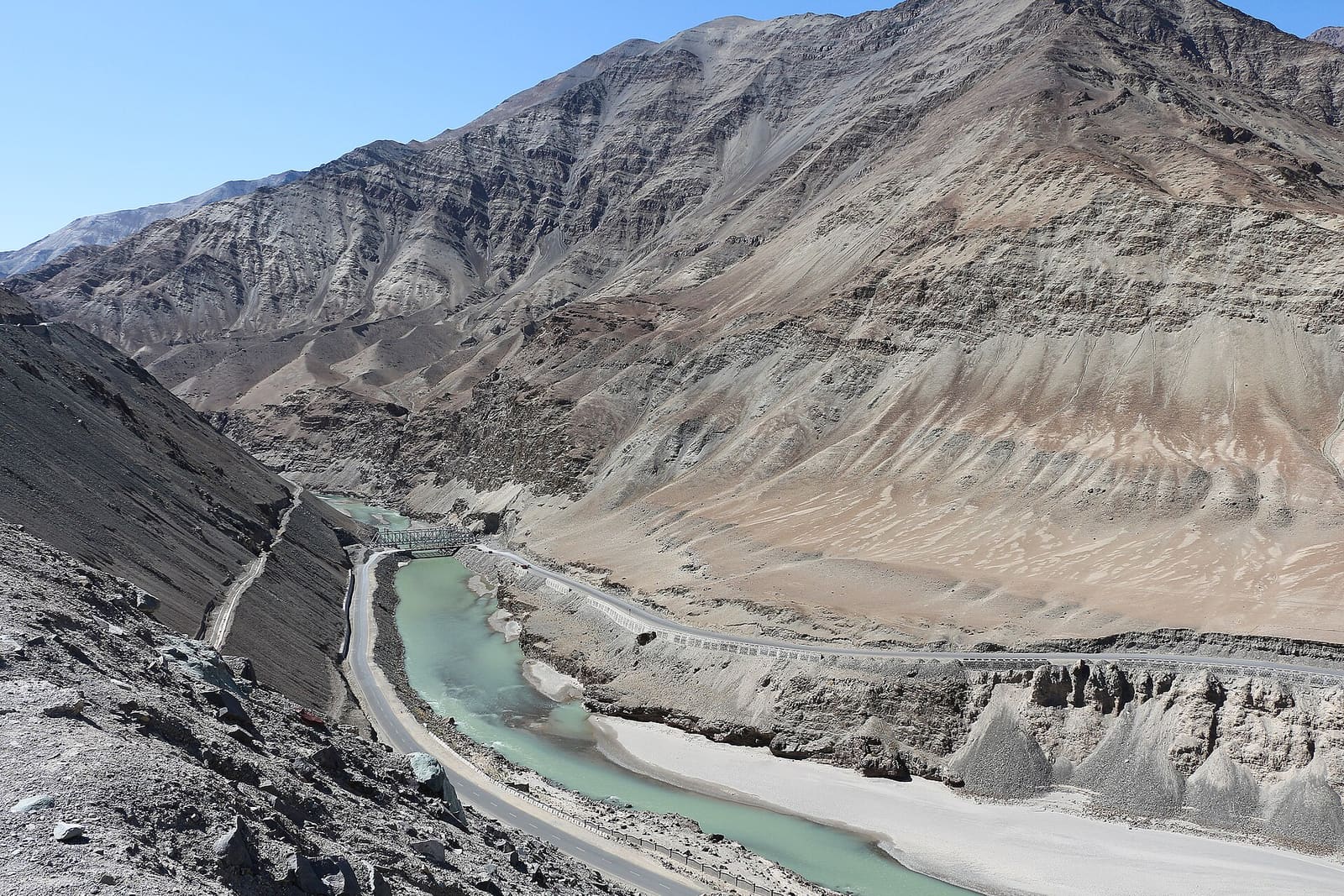
- Water. In summer, meltwater feeds rivers such as the Rhône and the Rhine. In the medium term, less ice means less flow in the driest months.
- Natural hazards. Thawing permafrost and slopes losing the “support” of the ice favour rockfalls. The collapse of the Birch glacier onto the village of Blatten in 2025 is an extreme example we review in this article.
- Mountaineering. Classic routes are changing character: more loose rock, bigger bergschrunds and longer approaches.
- Borders. Even some boundary lines drawn along glacial watersheds have had to be revised, as around the Matterhorn.
A global problem under a Swiss magnifying glass
Switzerland is not an isolated case: the World Glacier Monitoring Service (WGMS) records widespread mass loss in reference glaciers around the world. The difference is that the Swiss network offers exceptional resolution and continuity, making it a kind of “laboratory” for understanding what is happening in other ranges.
The UN declared 2025 the International Year of Glaciers’ Preservation, to draw attention to their role as a freshwater reserve. For those who travel in the mountains, the practical message is more immediate: today’s glaciers are not those of guidebooks from twenty years ago, and you should check the current state of each itinerary before setting off.
What to watch in the coming years
The next campaigns will show whether 2022 and 2023 were exceptional peaks or the start of a sustained pace. Either way, climate models agree that, even with major emission cuts, a significant part of today’s Alpine ice will not survive this century. The scale of that loss, however, depends on the decisions made now.
Sources and references
- GLAMOS – Glacier Monitoring Switzerland
- World Glacier Monitoring Service (WGMS)
- Swiss Academy of Sciences (SCNAT)
This is original editorial content based on the sources cited. Spotted a mistake? Let us know and we will fix it under our corrections policy.