Blatten, the Swiss village buried by a glacier: what we know and what it teaches
In May 2025 a huge flow of ice, rock and mud almost completely destroyed the village of Blatten, in the Lötschental. A preventive evacuation avoided a far greater tragedy. We look at what happened and why it is a warning for the whole of the Alps.
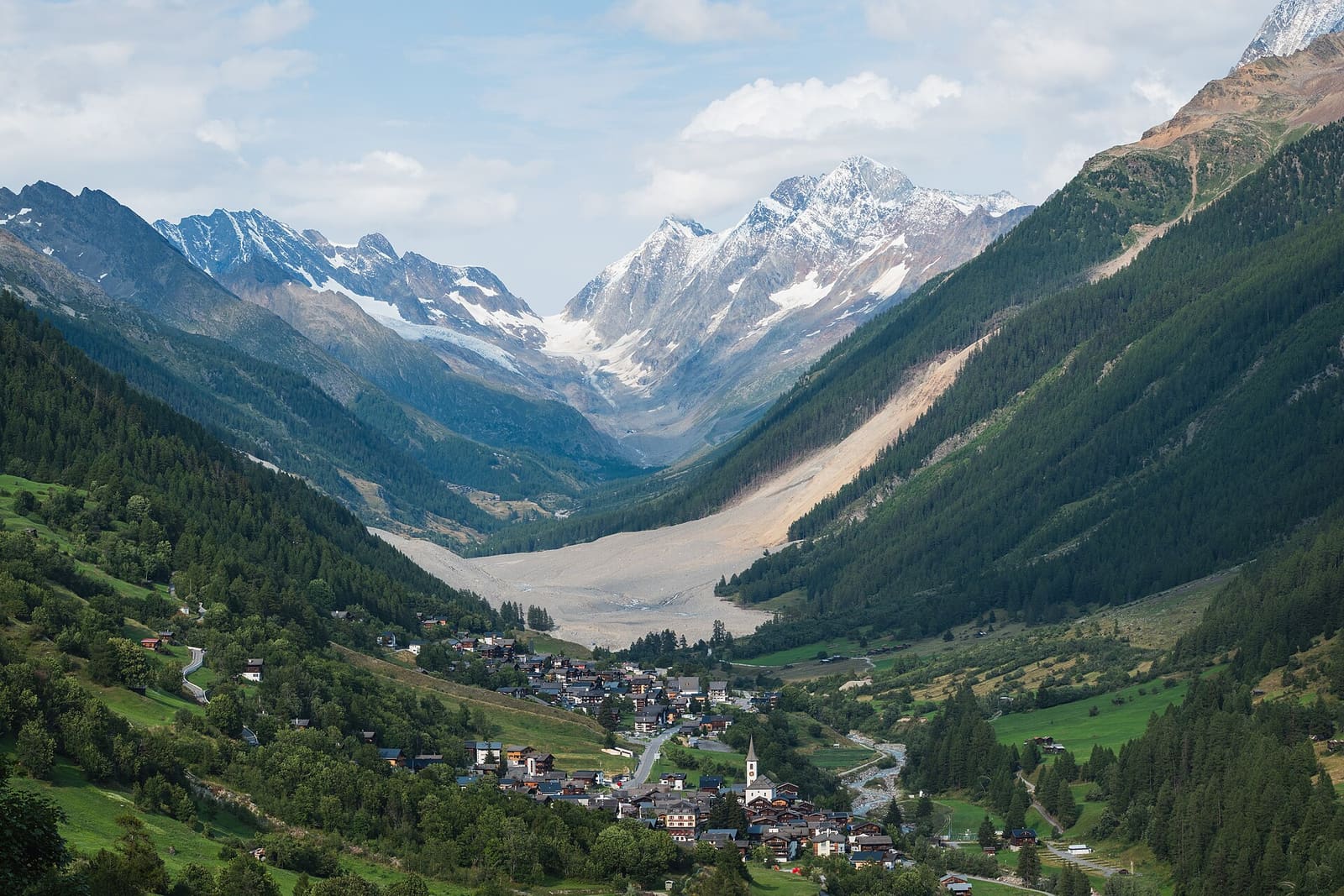
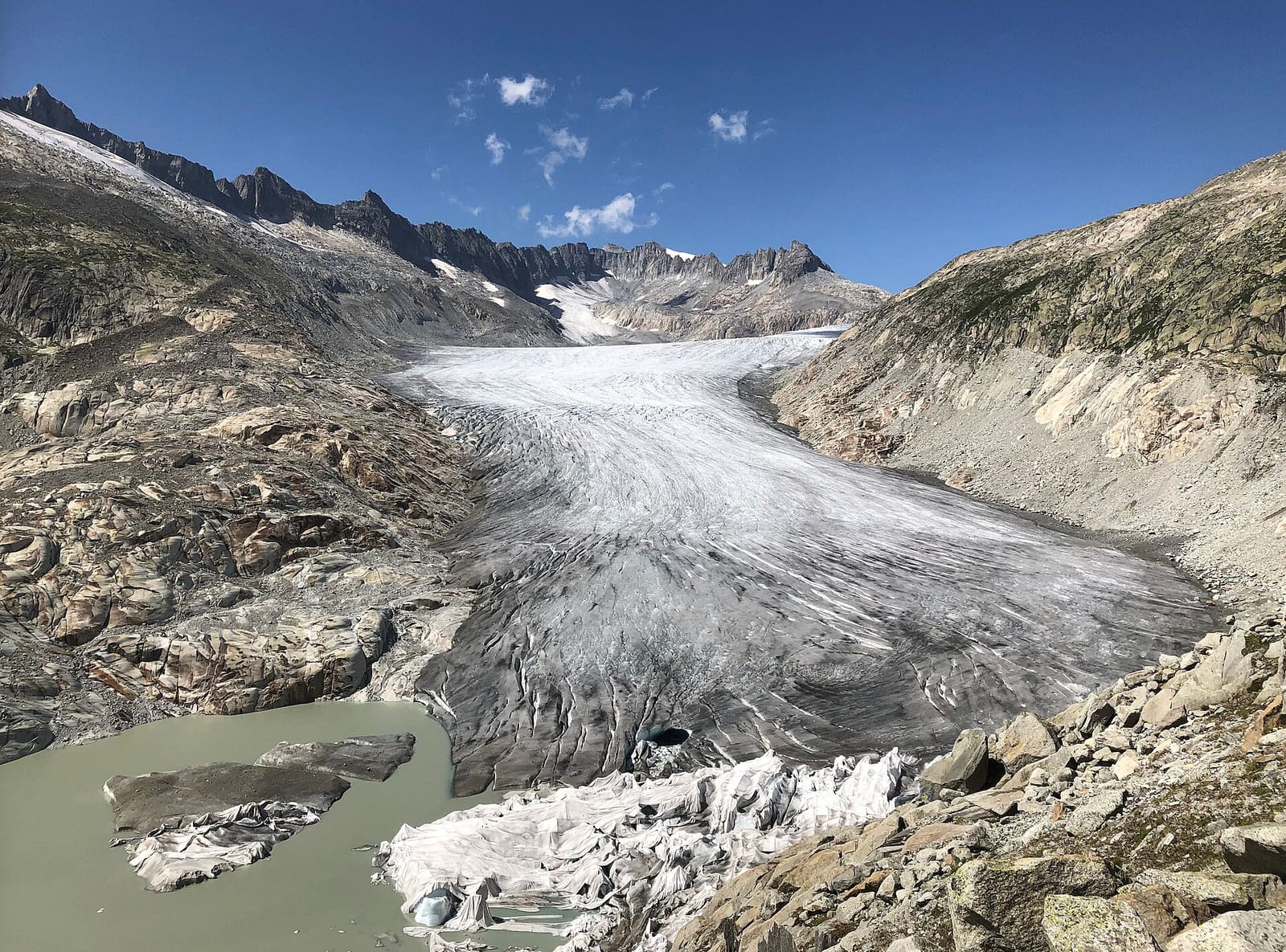
Some images sum up an era. An Alpine village with centuries of history vanishing beneath a grey tongue of ice and stone is one of them. On 28 May 2025, the Birch glacier, above the village of Blatten in the Swiss Lötschental valley, collapsed. The resulting debris flow buried most of the village.
What could have been one of the worst Alpine disasters in decades ended, according to the authorities, with one person missing. The reason has a name: monitoring and a timely evacuation.
How it came to collapse
In the preceding weeks, monitoring services detected increasingly frequent rockfalls on the Kleines Nesthorn, the mountain above the glacier. That material kept falling onto the Birch glacier and overloading it. A glacier with millions of tonnes of rock on top behaves differently: it deforms, speeds up and can break apart.
Sensors recorded growing movement and, around 19 May, the authorities ordered the evacuation of Blatten’s roughly 300 residents, along with their livestock. Nine days later, the glacier front gave way.
A lake where there was a river
The debris blocked the bed of the Lonza river and a lake formed upstream. For days the worry shifted: that the water would overflow or suddenly burst through the dam and flood the villages downstream. Preventive evacuations were extended and warning systems installed.
This chain —rockfall, collapse, damming, possible flood— is typical of the cascading hazards of high mountains, and it is one of the scenarios that most concerns specialists.
Was it climate change?
The honest answer is nuanced. Specialists pointed out that any single event always has local factors: geology, slope, how fractured the rock is. But they also stressed a clear context:
- Thawing permafrost, the frozen ground that acts as “cement” in many Alpine rock faces, makes slopes more unstable.
- Glaciers that are thinning no longer buttress the valley walls.
- The frequency of rockfalls in the high Alps has increased in recent decades.
In other words: not every collapse can be blamed directly on warming, but warming makes such events more likely. We explain it in detail in why glaciers are melting.
Monitoring did not prevent the material disaster, but it did prevent the human one. That is the main lesson of Blatten.
What changes for anyone heading into the mountains
Blatten happened in an inhabited valley, but the same dynamics affect huts, trails and high-mountain routes:
- Check local warnings. Many cantons, regions and parks publish temporary trail closures because of rockfall risk. Respect them even if the day looks perfect.
- Avoid stopping below glacier fronts and active rock faces, especially in the hottest hours.
- Ask at the hut about the current state of the route: itineraries from ten years ago may have changed completely.
- Keep an eye on the water: glacial lakes and torrents can rise suddenly after hot days or storms.
To rebuild or not to rebuild
The disaster opened a debate the Alps will face again: where and how to rebuild? The Swiss authorities announced support for residents and ground studies before making any decision. It is a difficult conversation, because it mixes identity, economics and risk management, and because it will not be the last.
To understand the broader context of ice retreat in Switzerland, read our analysis of the record losses of Swiss glaciers.
Sources and references
- Canton of Valais – Official statements
- Swiss Federal Office for the Environment (FOEN/BAFU)
- WSL Institute for Snow and Avalanche Research (SLF)
This is original editorial content based on the sources cited. Spotted a mistake? Let us know and we will fix it under our corrections policy.