Longyearbyen, the Arctic town where melting ice is already polluting the water and cracking homes
At 78° north, Svalbard's main town is living Arctic warming first-hand: tap water unfit to drink, homes made uninhabitable by thawing permafrost, avalanches and tour guides changing their routes.
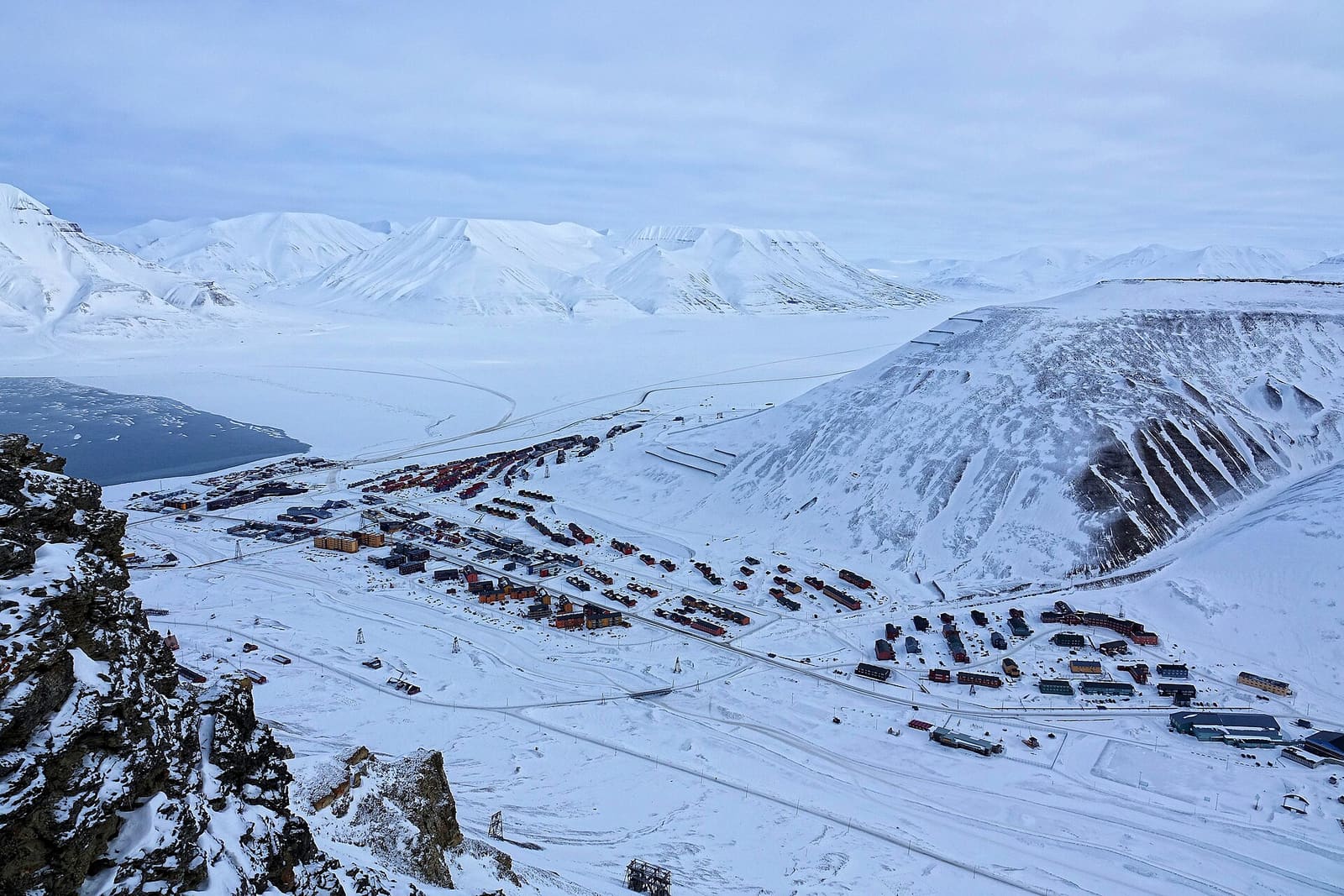
In Longyearbyen, the main settlement of Norway’s Svalbard archipelago, climate change is not a projection: it is a routine. Its roughly 2,600 inhabitants have spent weeks filling containers at a filtered-water tank installed in the supermarket, because the authorities advise against drinking tap water. A long report published by Infobae tells the story.
Water with metals
The cause is unexpected: heavy metals in the rocks beneath the town have got into the water supply. The mayor, Terje Aunevik, has proposed separating drinking water from general household water, while some residents complain about how slowly the problem is being solved.
Svalbard, at 78° north, is one of the fastest-warming places on the planet: some estimates put the rate at up to seven times the global average. More than half the archipelago is covered by glaciers.
Glaciers dying slowly
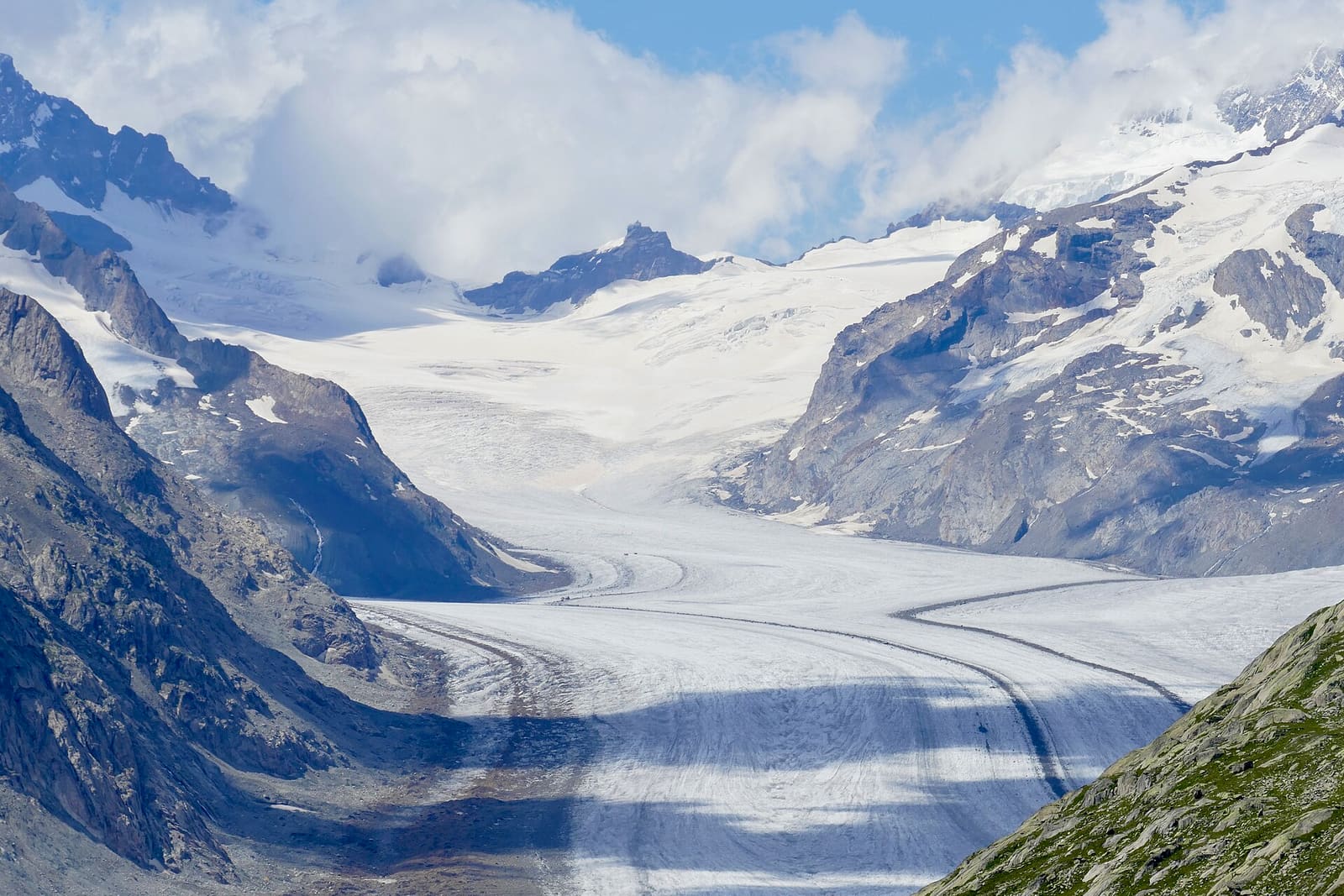
Glaciologist Andy Hodson, of the UNIS university centre, describes the Foxfonna glacier, about 15 km from town, as one that “is slowly dying”: it is losing between 1 and 4 metres of thickness a year. In the last two years, ten glacier fronts in Svalbard have retreated completely onto dry land, and the summer of 2024 took away the equivalent of 1% of all the ice in the archipelago.
Homes on moving ground
Much of Longyearbyen is built on permafrost, permanently frozen ground. As it thaws, it loses strength: cracks appear in walls, foundations are damaged and some homes have become uninhabitable, in a town already short of housing. Architect Ingvild Sæbu Vatn suggests building foundations down to solid rock, though she warns it is not an automatic fix.
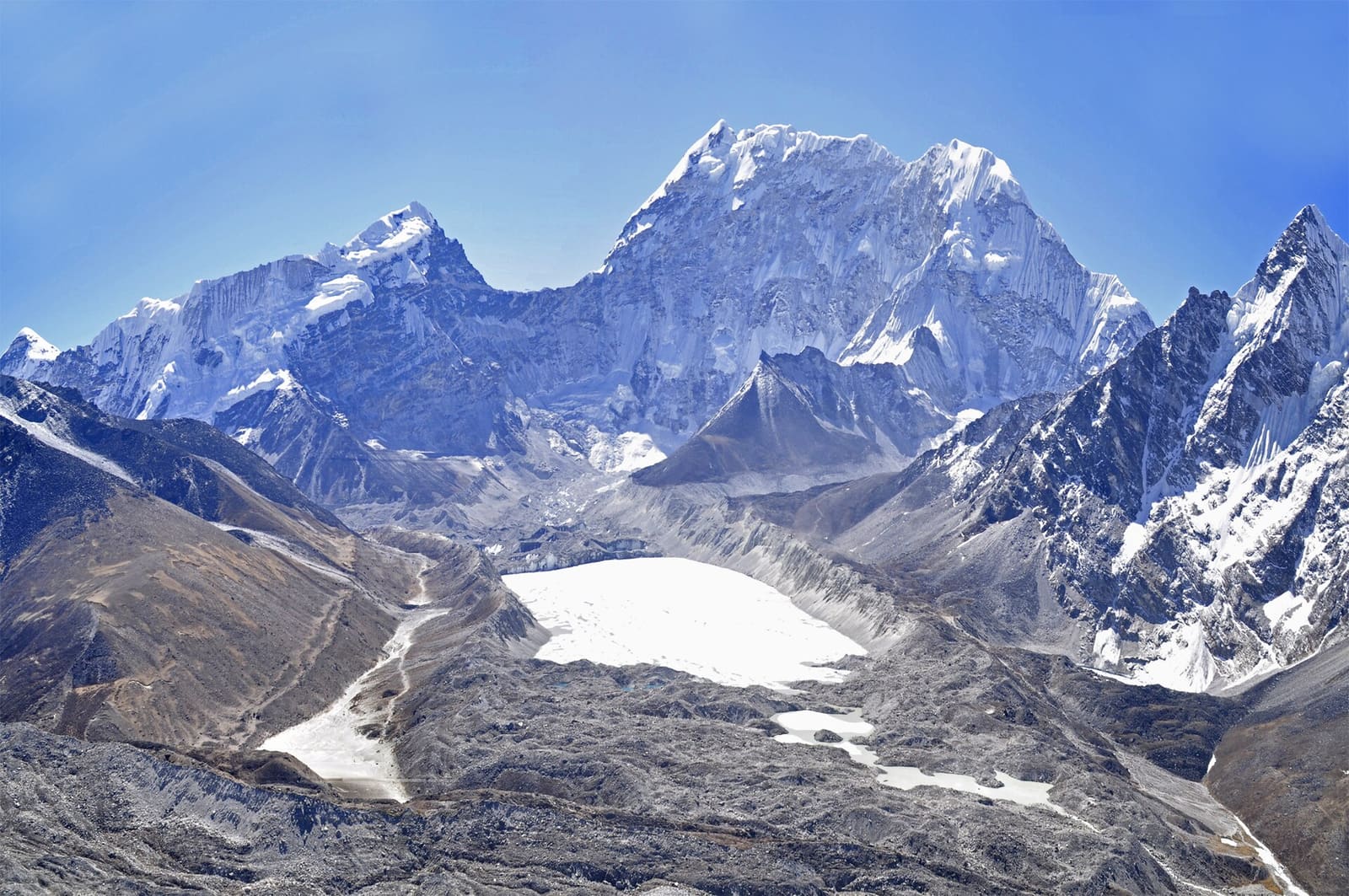
What happens in the Arctic does not stay in the Arctic: it is a preview of changes coming to other mountains.
Avalanches and tourism
The town remembers the December 2015 avalanche, which buried homes at the foot of Mount Sukkertoppen and killed two people. Today there are snow fences and barriers, and houses in exposed areas have been demolished, with a warning system fed by weekly observations from UNIS’s Arctic Safety Centre.
Tourism is adapting too: guides have had to take snowmobiles about 11 km out of town to find enough snow and have changed fjord routes because of the risk of ice calving. A new authorisation system for tour operators, with stricter assessment of climate risks, is planned for 2027.
The common thread
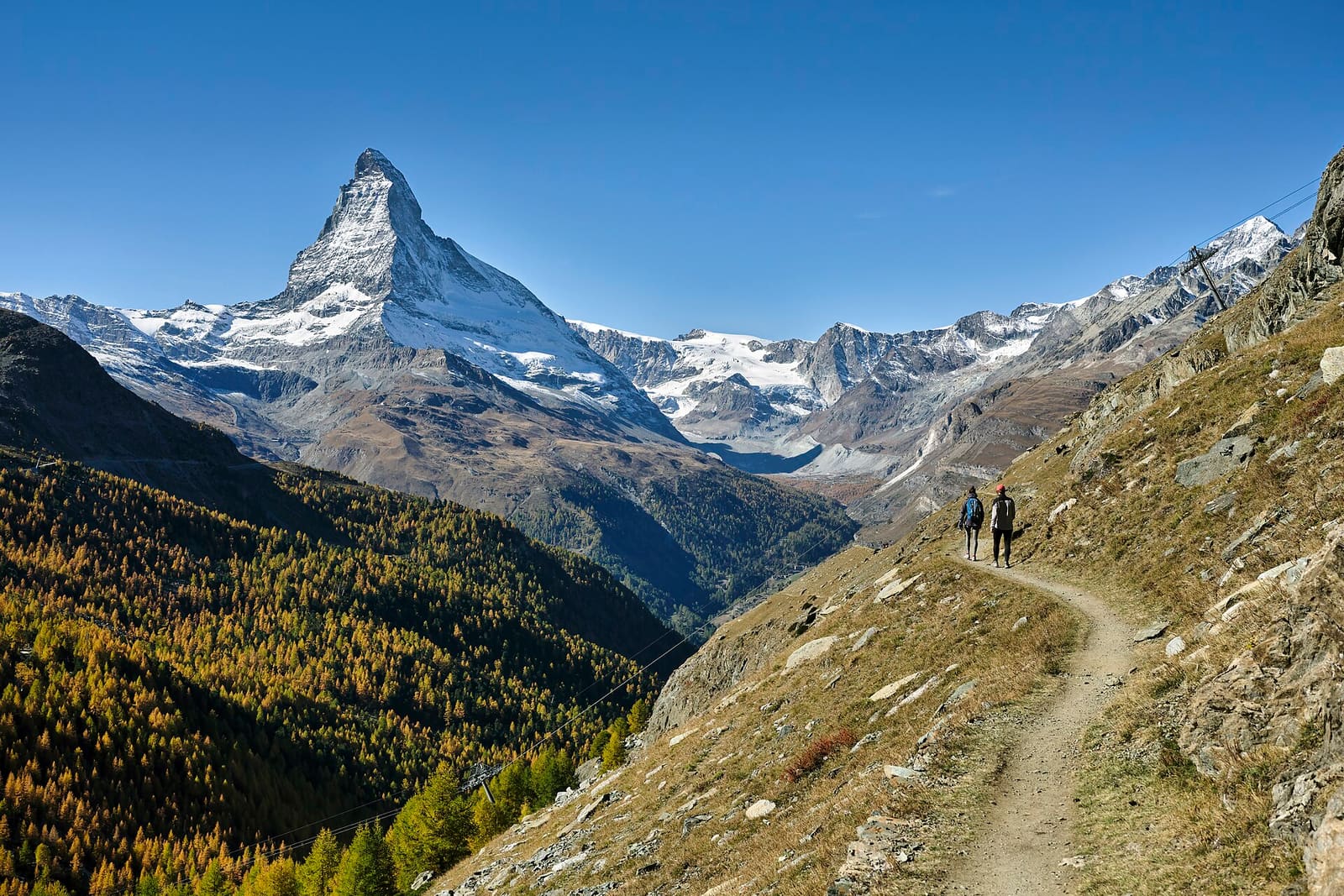
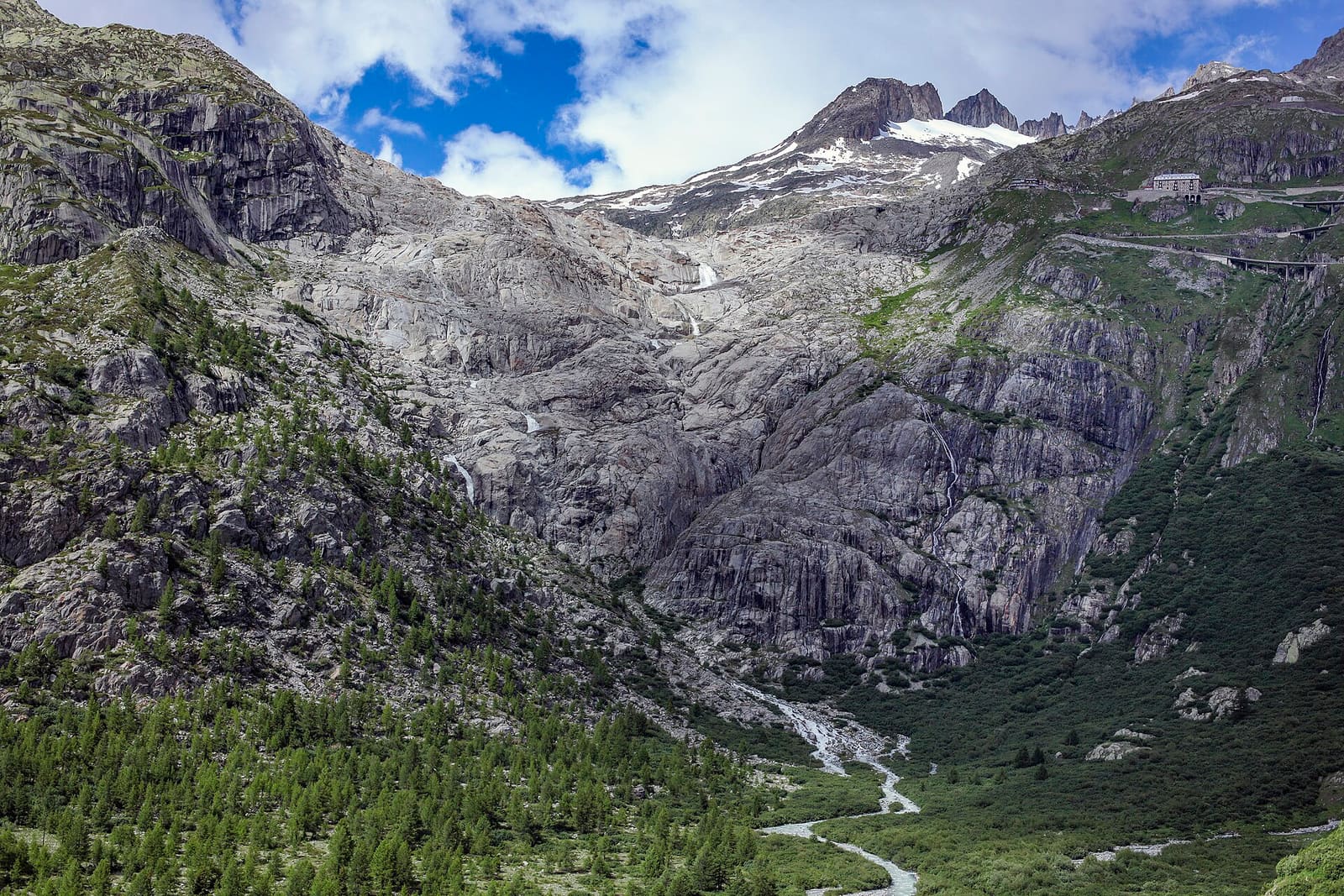
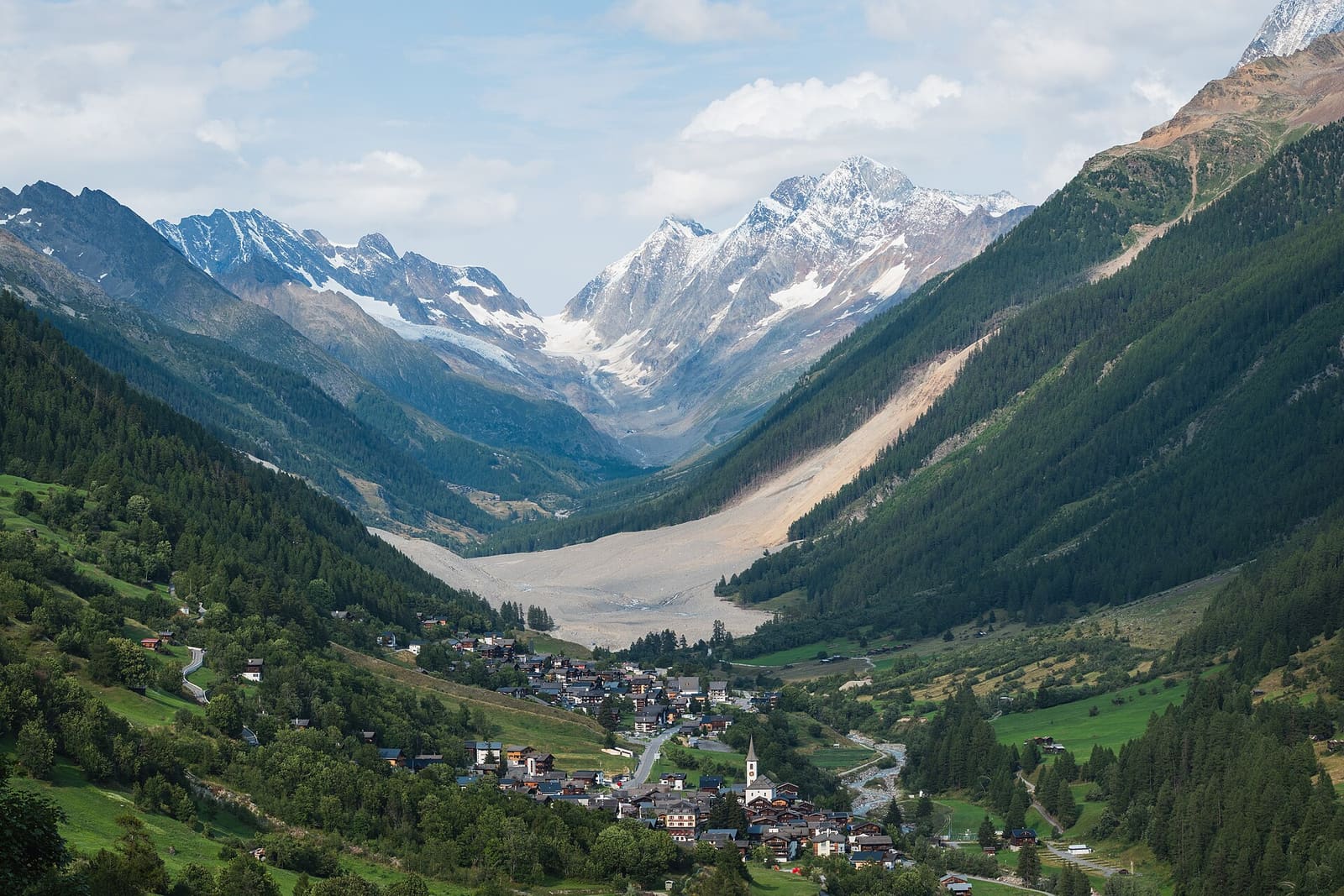
From Svalbard to the Alps, the symptoms repeat: retreating glaciers, thawing frozen ground and new risks for those who live and travel in the mountains. We see it this very week with the Swiss glacier losses of 2026 and explain it in what would happen if snow disappeared from the great mountains.
Sources and references
- Infobae – El drama climático que vive un pueblo de Europa (22/10/2026)
- UNIS – The University Centre in Svalbard
- Norwegian Polar Institute
This is original editorial content based on the sources cited. Spotted a mistake? Let us know and we will fix it under our corrections policy.