2024, the first year above 1.5 °C: what it does and does not mean for the Paris Agreement
The European Copernicus service ranked 2024 as the warmest year on record and the first to exceed the 1.5 °C threshold. Have we already broken the Paris Agreement? Not exactly. Here is why.
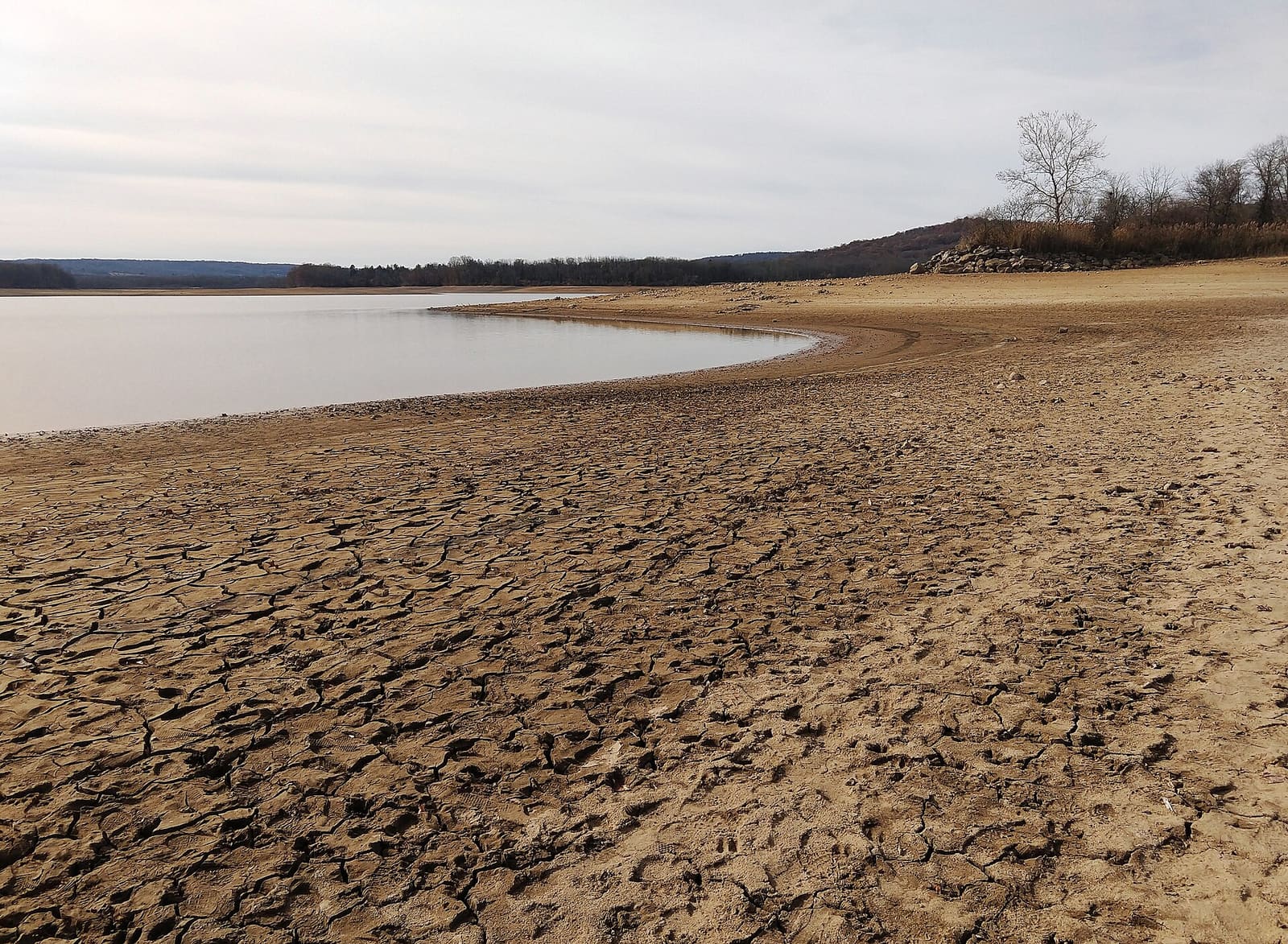
In January 2025, the Copernicus Climate Change Service (C3S), the European Earth observation programme, confirmed what many monthly figures had anticipated: 2024 was the warmest year on record and the first in which the global average temperature was more than 1.5 °C above the pre-industrial period (1850–1900). The figure came in at around 1.6 °C.
The number 1.5 is well known because it appears in the 2015 Paris Agreement. Hence the immediate question: have we broken it?
The short answer: not yet, but we are getting close
The goal of the Paris Agreement —to keep warming “well below” 2 °C and to pursue efforts to limit it to 1.5 °C— refers to long-term warming, which scientists assess using averages of about 20 years. A single year can be above the line because of natural variability; for example, an El Niño episode, which warmed much of 2023 and 2024.
That said, a year exceeding the threshold is a clear sign that the long-term average is approaching it. Various estimates put the crossing of the long-term 1.5 °C mark sometime in the next decade unless emissions fall quickly.
Why every tenth of a degree matters
The difference between 1.5 and 2 °C may seem small. It is not. According to the IPCC, that half degree translates into:
- More frequent and more extreme heatwaves.
- Greater loss of glaciers and seasonal snow.
- More risk to sensitive ecosystems such as coral reefs.
- More impacts on water and agriculture in vulnerable regions.
Mountains on the front line
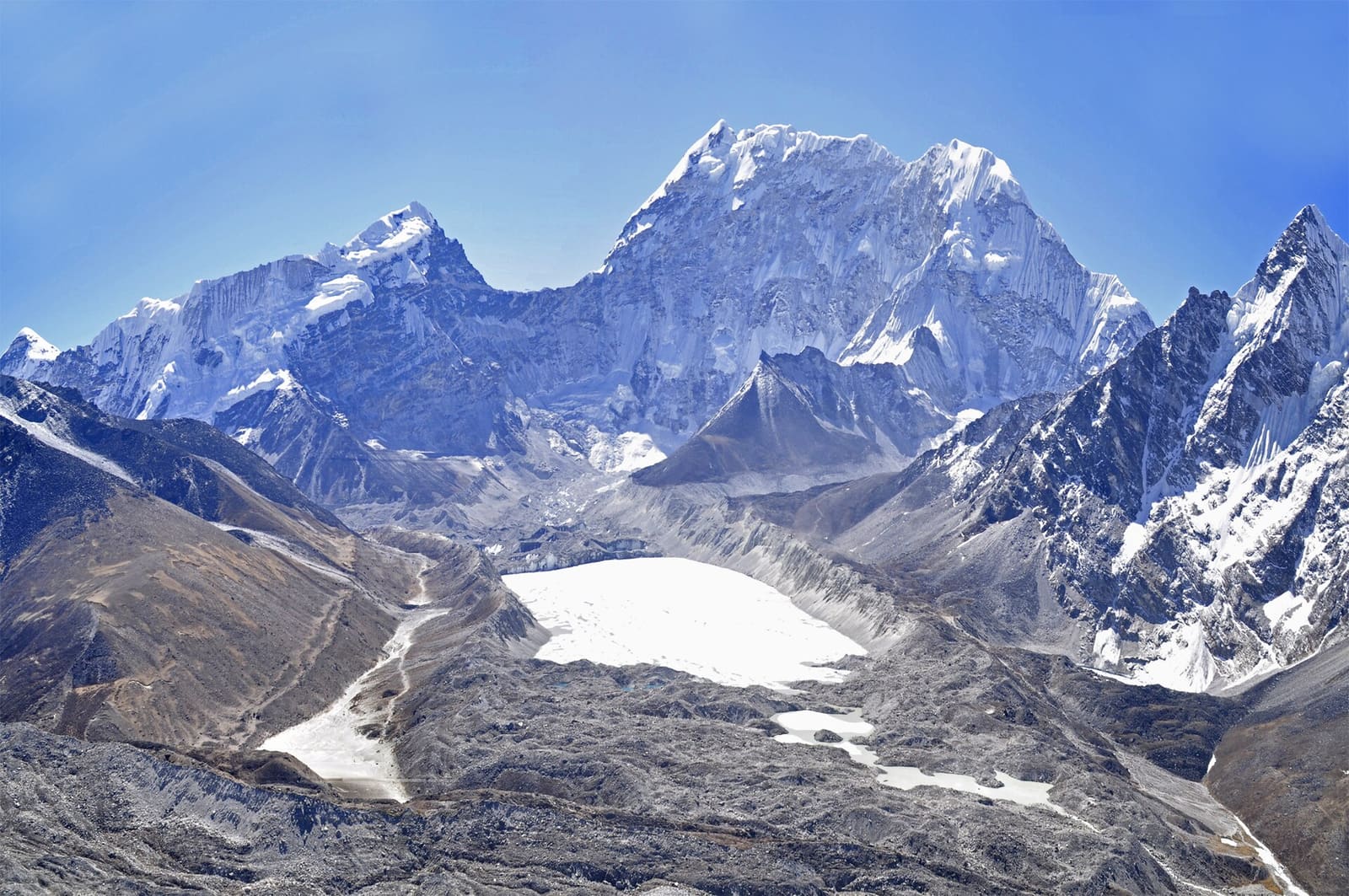
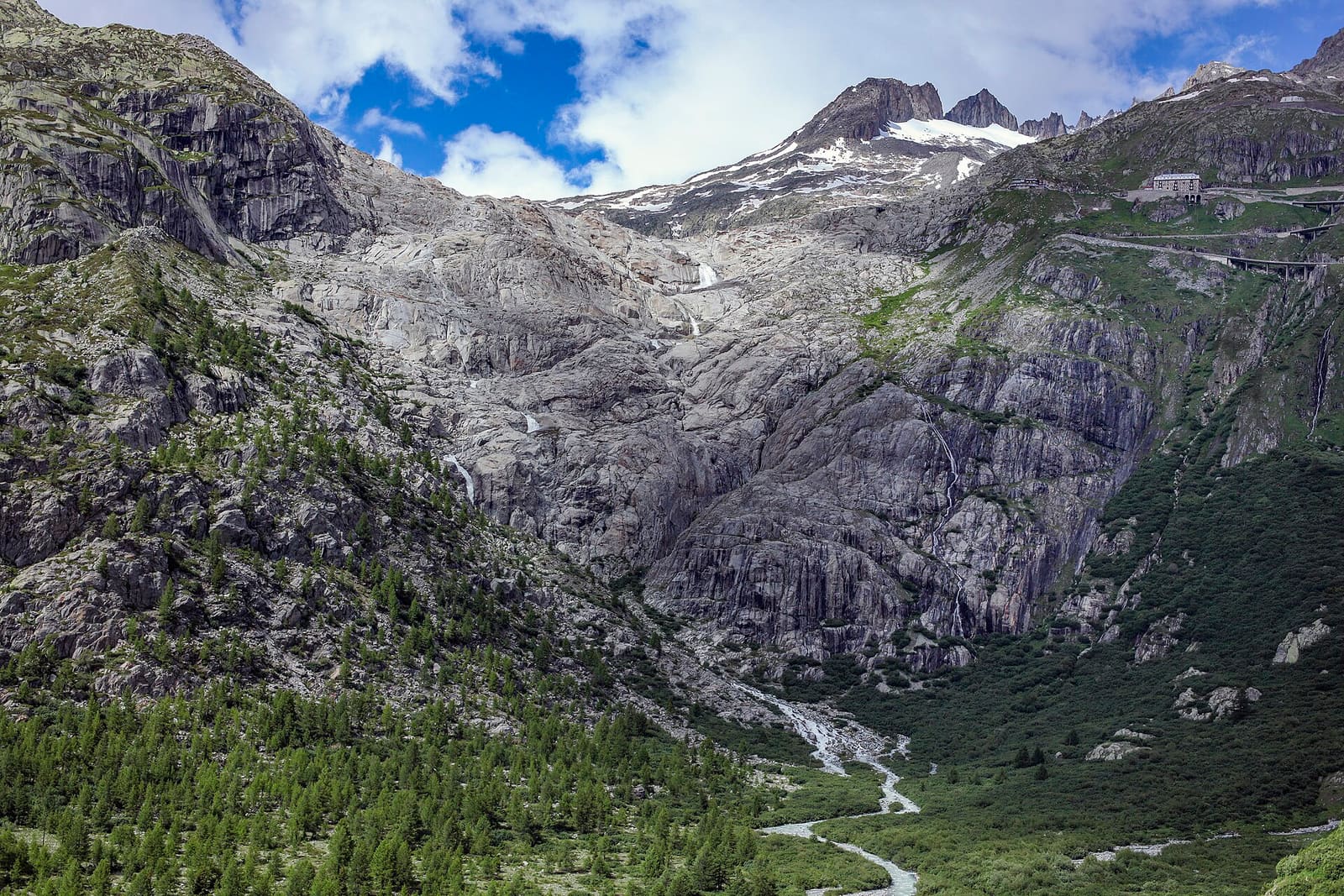
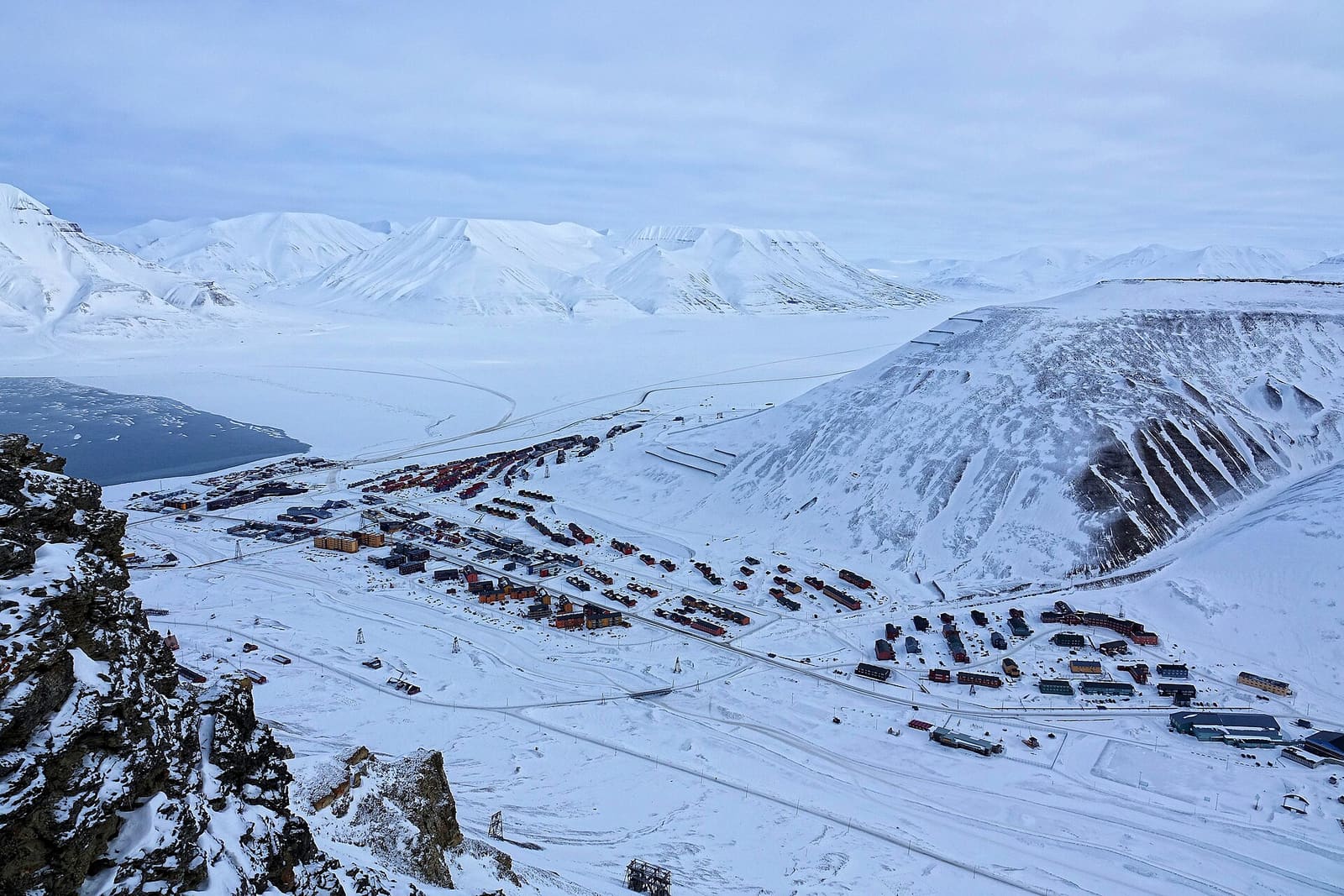
Mountain regions are among the fastest-warming areas in many parts of the world. The reasons include the albedo feedback: when snow disappears, the surface becomes darker, absorbs more energy and warms further, which in turn melts more snow.
In the Alps, the Andes or the Himalaya this shows up in visible ways:
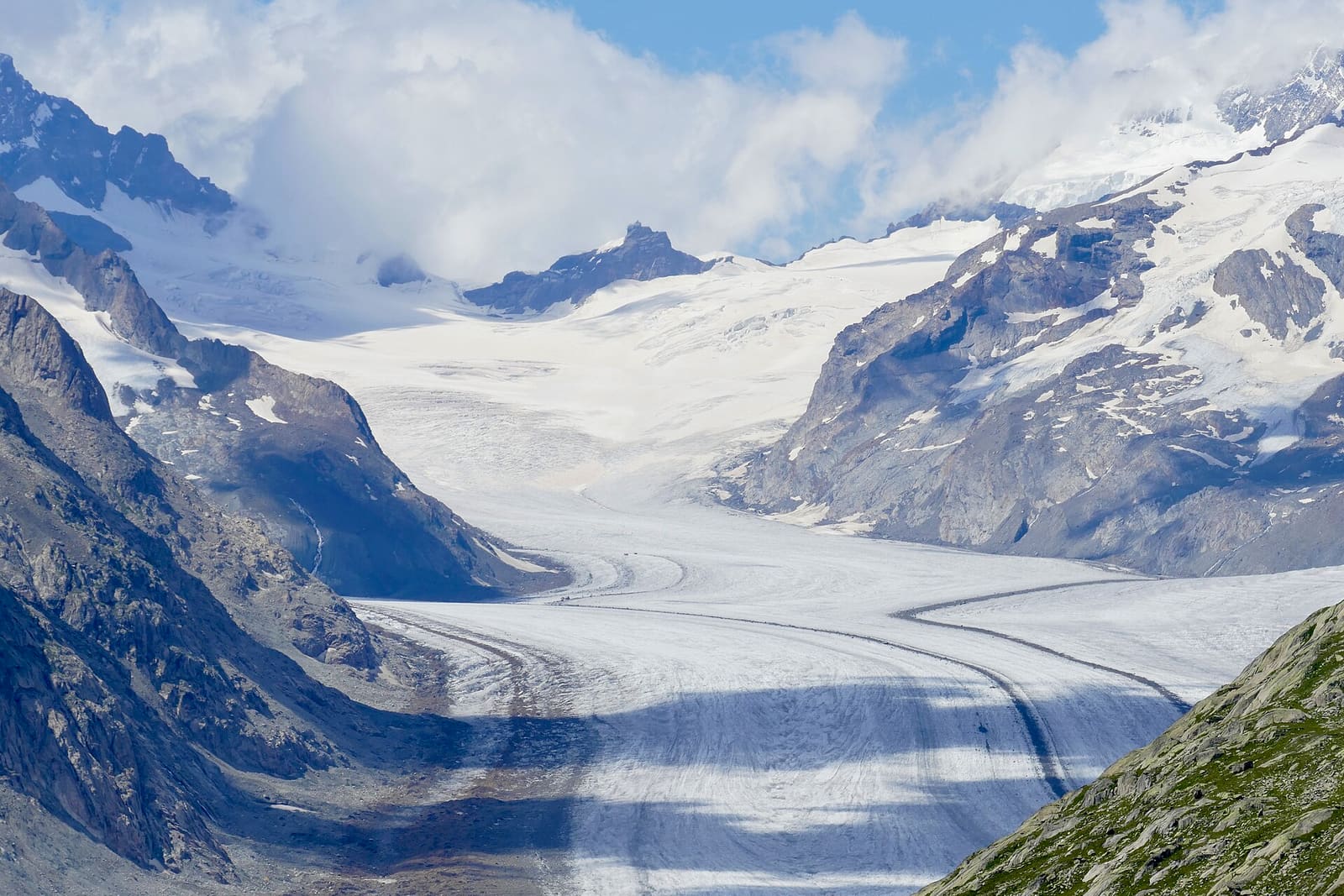
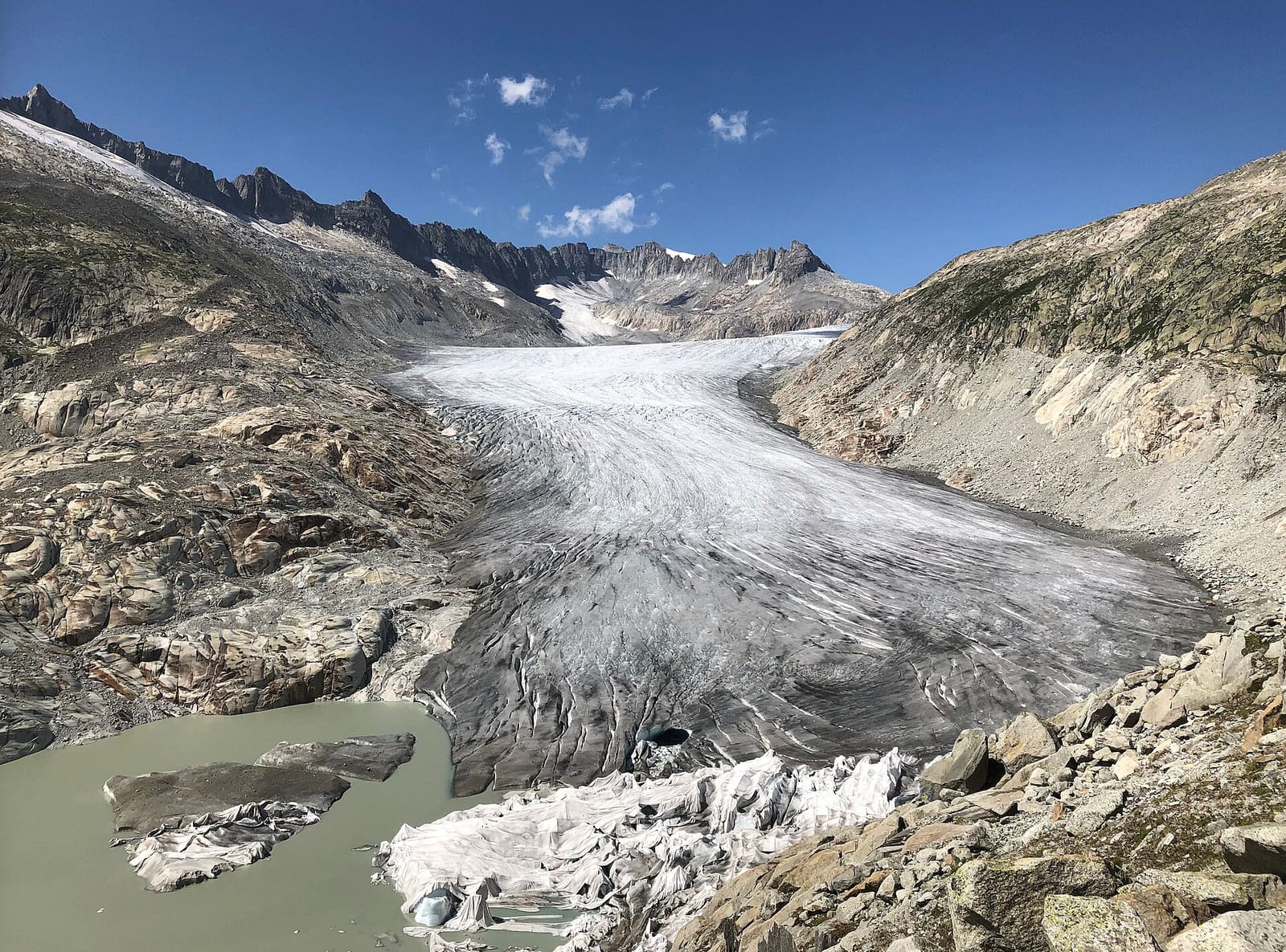
- Glaciers losing thickness year after year (we look at it in detail in the Swiss case).
- Shorter snow seasons and a higher snow line.
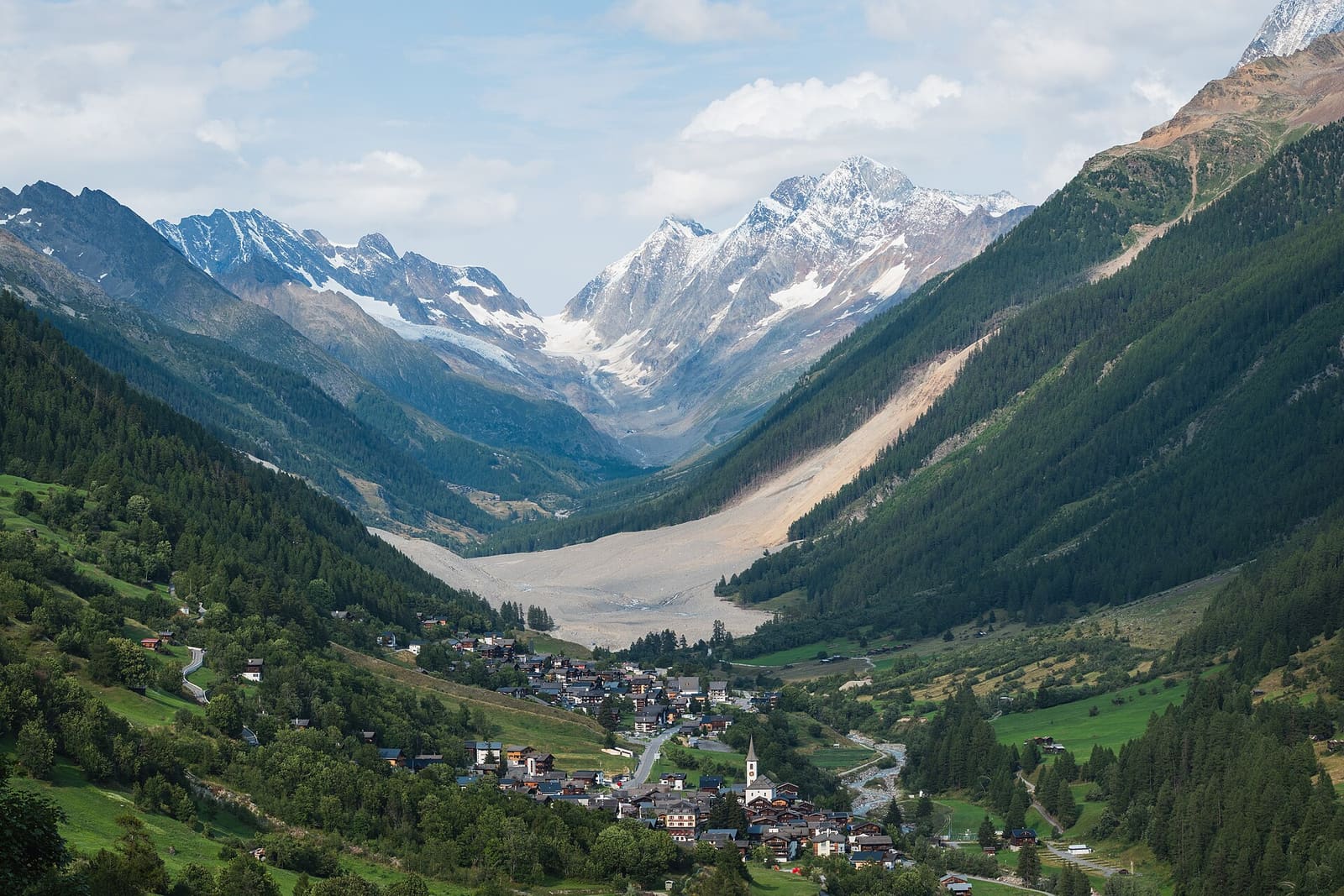
- Greater slope instability as permafrost thaws.
- Changes in flowering and in the altitude range of plants and animals.
Mountains work as an early-warning system: what happens there foreshadows changes in the water of the valleys below.
What can be done
Future warming depends above all on cumulative emissions of greenhouse gases. Cutting them quickly remains the decisive lever. Locally, adaptation also matters: water management, natural hazard plans in the mountains or diversifying the economy of ski resorts.
If you want to understand what it would mean for the water of billions of people, read what would happen if snow disappeared from the great mountains.
How to read the next headlines
Every year you will see headlines like “the warmest month” or “new record”. To interpret them correctly, ask three questions:
- Compared with which period? (pre-industrial, 1991–2020…)
- Is it a monthly figure, an annual one or a long-term average?
- Who measures it? (Copernicus, NASA, NOAA, the WMO and national services usually agree on the trend even if they differ by tenths of a degree.)
Sources and references
- Copernicus Climate Change Service (C3S) – Global Climate Highlights
- World Meteorological Organization (WMO)
- IPCC – Sixth Assessment Report
This is original editorial content based on the sources cited. Spotted a mistake? Let us know and we will fix it under our corrections policy.