10 natural places that could change radically this century
Some landscapes that seem eternal today could look very different by the end of the century. We review ten places where scientists are already measuring profound changes, separating what has been observed from what is projected.
This article is not a list of “doomed” places. It is a selection of landscapes where scientists are already observing major changes and where projections point to profound transformations before 2100. We keep the two apart, because the future of many of them still depends on decisions being made now.
1. The Great Barrier Reef (Australia)
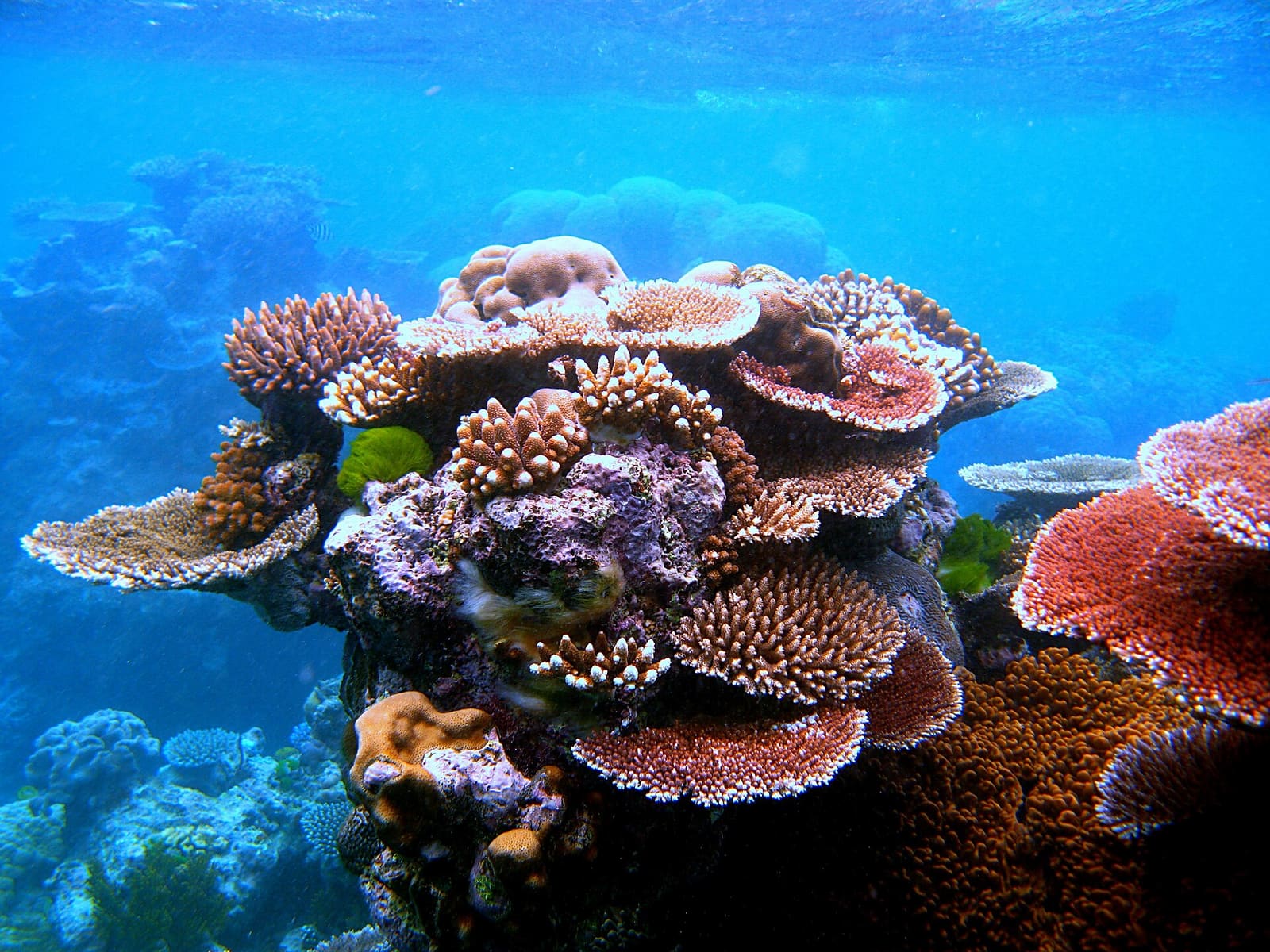
Observed: several mass bleaching events since 2016, when water that is too warm makes corals expel the algae that give them colour and food. Projected: with warming of 2 °C or more, tropical coral reefs would suffer very severe losses according to the IPCC. The reef can recover between events, but if they become ever more frequent, there is no time.
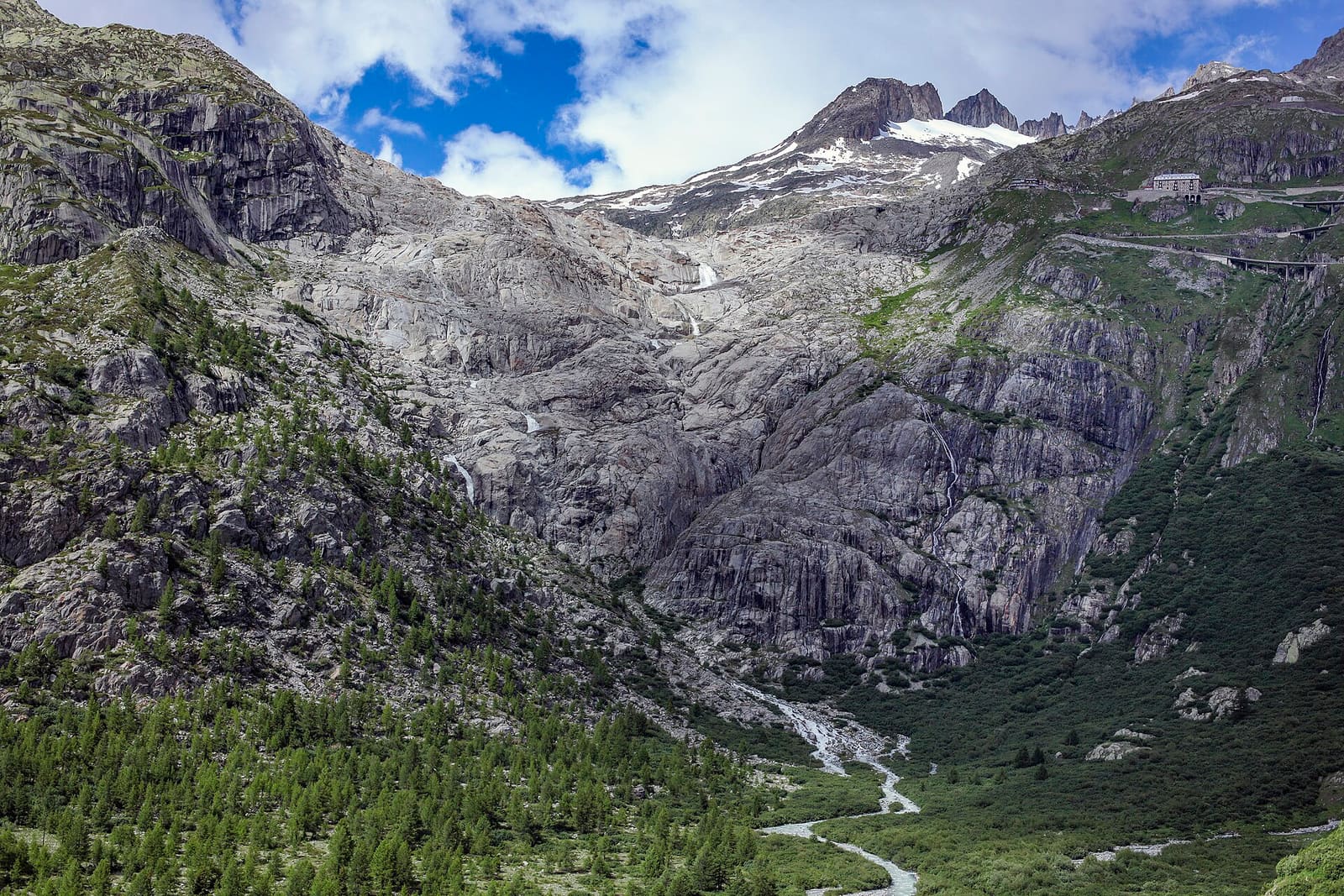
2. The glaciers of the Alps
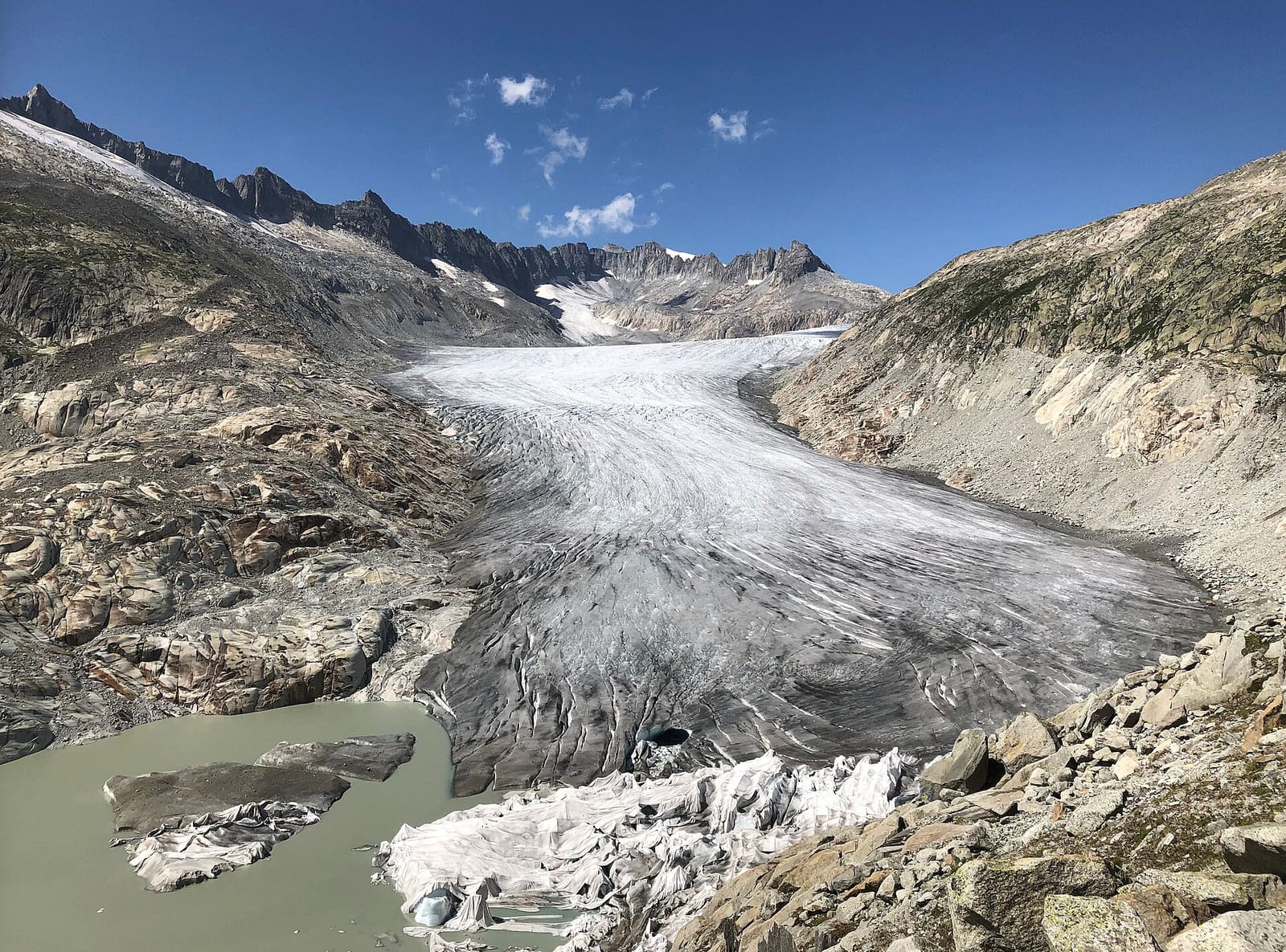
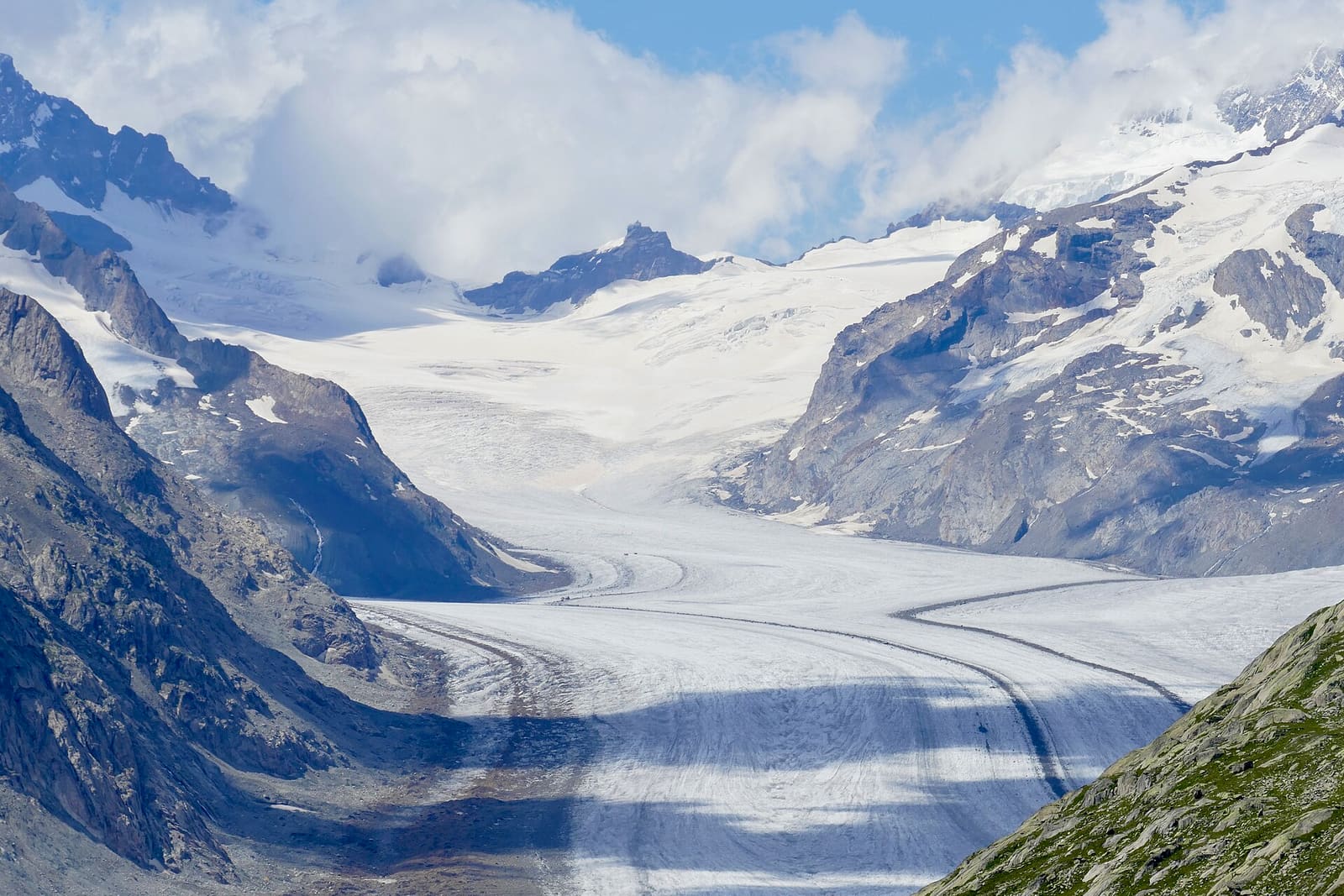
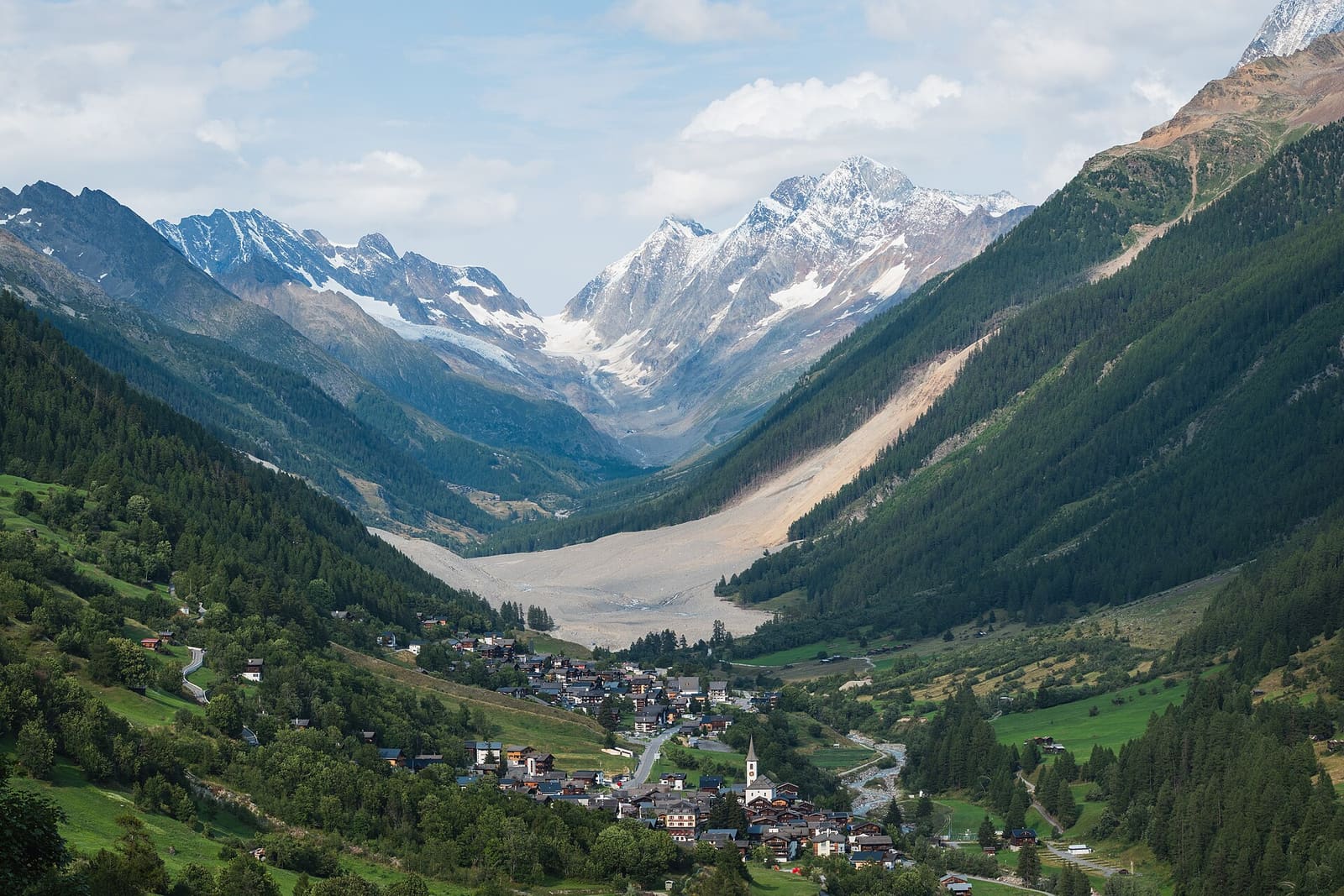
Observed: record volume losses in recent years, like those documented in Switzerland. Projected: much of today’s Alpine ice would disappear by the end of the century even with sharp emission cuts; the exact amount depends on the scenario.
3. The ice of Kilimanjaro (Tanzania)
Observed: the summit ice fields have shrunk dramatically since the early 20th century. Projected: various studies suggest they could disappear in the coming decades. Both temperature and changes in humidity and radiation play a role here.
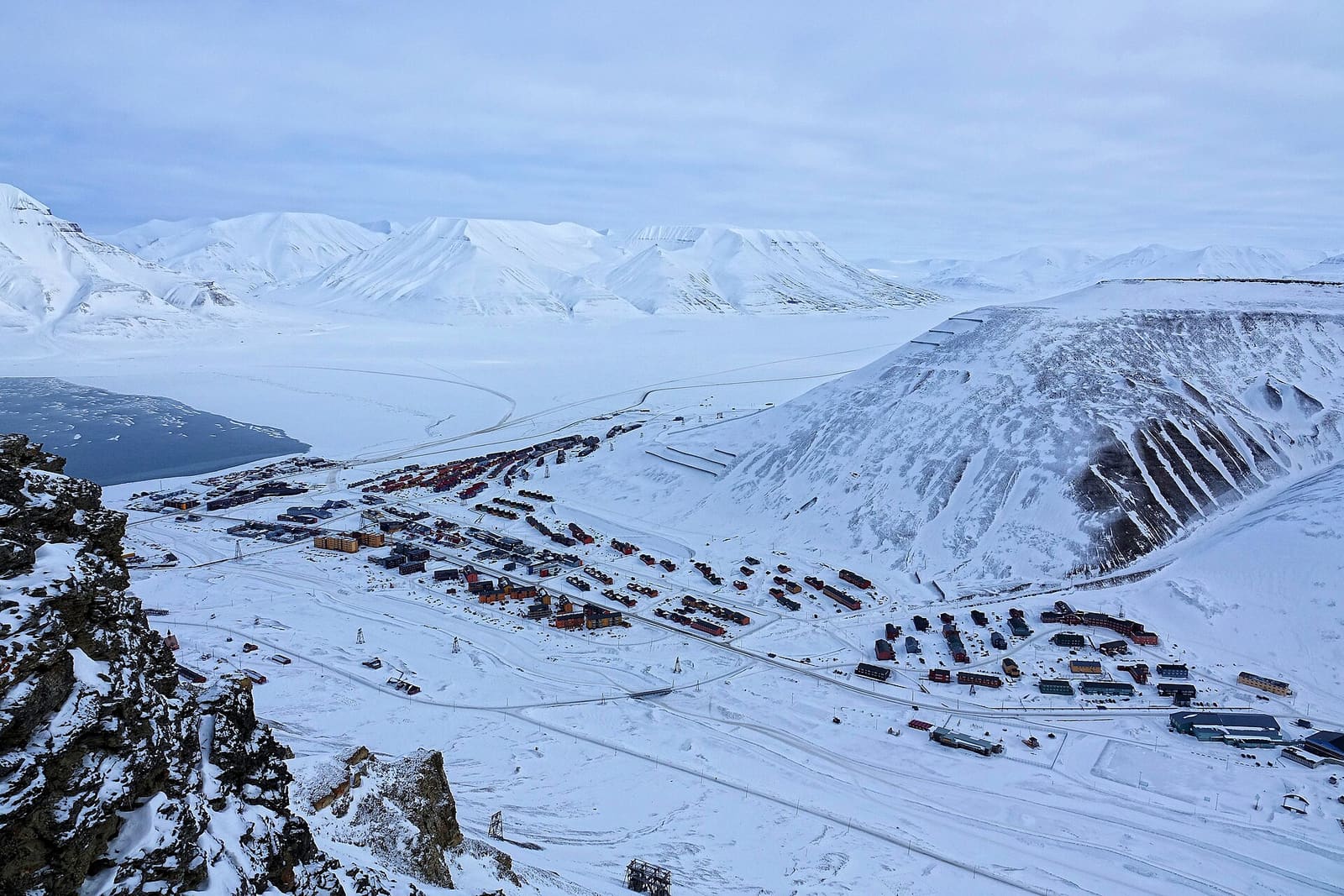
4. Arctic sea ice
Observed: the minimum ice extent in September has fallen markedly since satellite records began (1979), and the ice is younger and thinner. Projected: practically ice-free Arctic summers before mid-century under high-emission scenarios, according to various models.
5. The Amazon
Observed: deforestation, wildfires and recent extreme droughts. Projected: some scientists warn of a possible tipping point beyond which parts of the rainforest could turn into drier, more open ecosystems. The exact threshold is debated.
A tipping point is a change that, once triggered, feeds itself and is very hard to reverse.
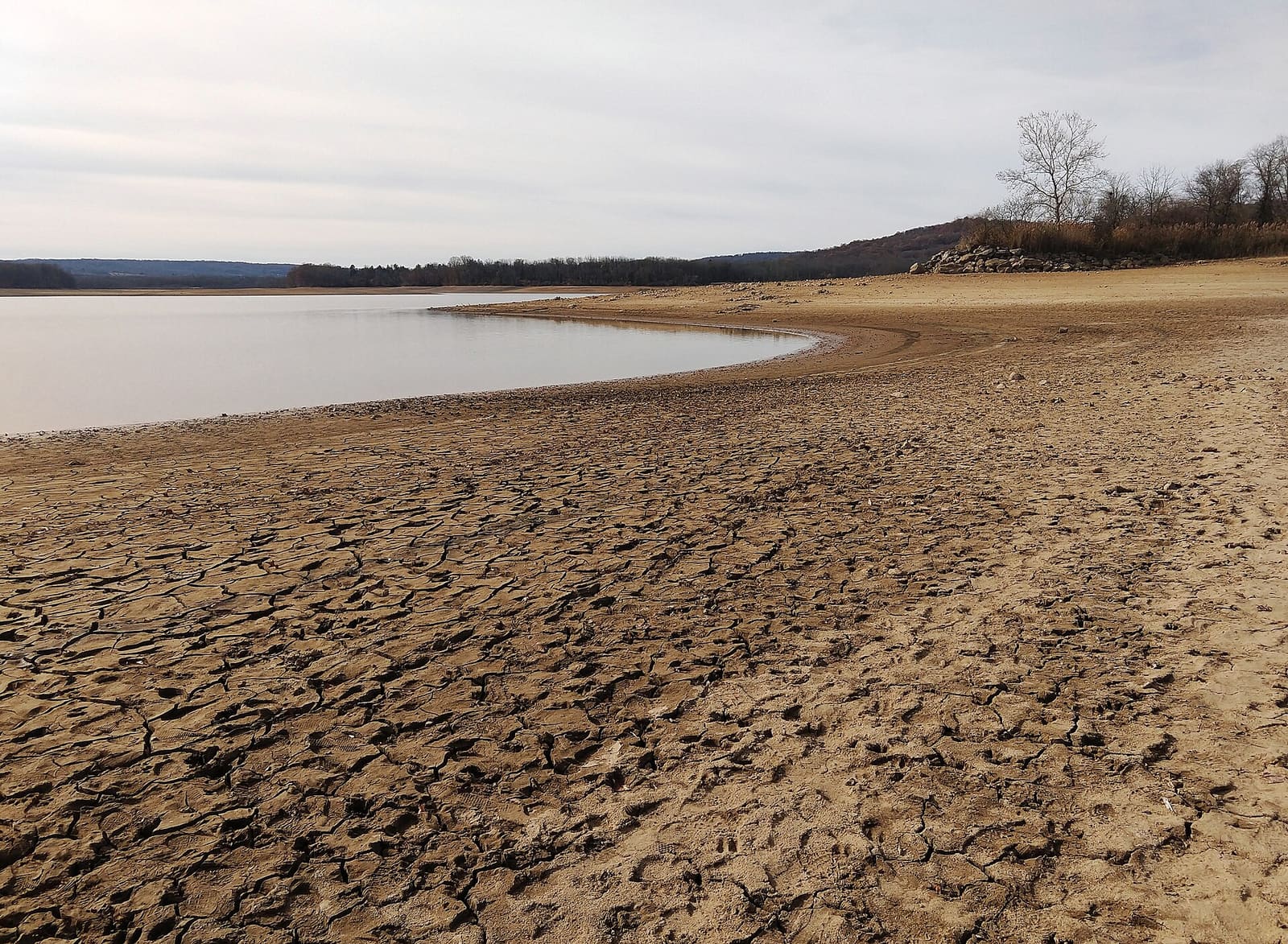
6. The Dead Sea (Israel, Jordan, West Bank)
Observed: its level is dropping by about a metre a year, mainly because water from the Jordan river is diverted and because of industry. Thousands of sinkholes are appearing on its shores. Here the change is more about water management than climate.
7. Doñana (Spain)
Observed: overexploitation of the aquifer and droughts have drastically reduced its lagoons and marshes in some recent years. UNESCO has expressed concern about the state of this World Heritage Site. At stake: one of Europe’s most important wetlands for migratory birds.
8. The Sundarbans (India and Bangladesh)
The largest mangrove forest in the world, home to the Bengal tiger. Observed and projected: sea-level rise, salinisation and cyclones are affecting the islands and ecosystems of the delta.
9. The Andean páramos
High-mountain ecosystems in Colombia, Ecuador, Venezuela and Peru, with unique plants such as the frailejones, which grow very slowly. They work like sponges regulating the water supply of entire cities. Projected: rising temperatures would push species upwards, shrinking their area.
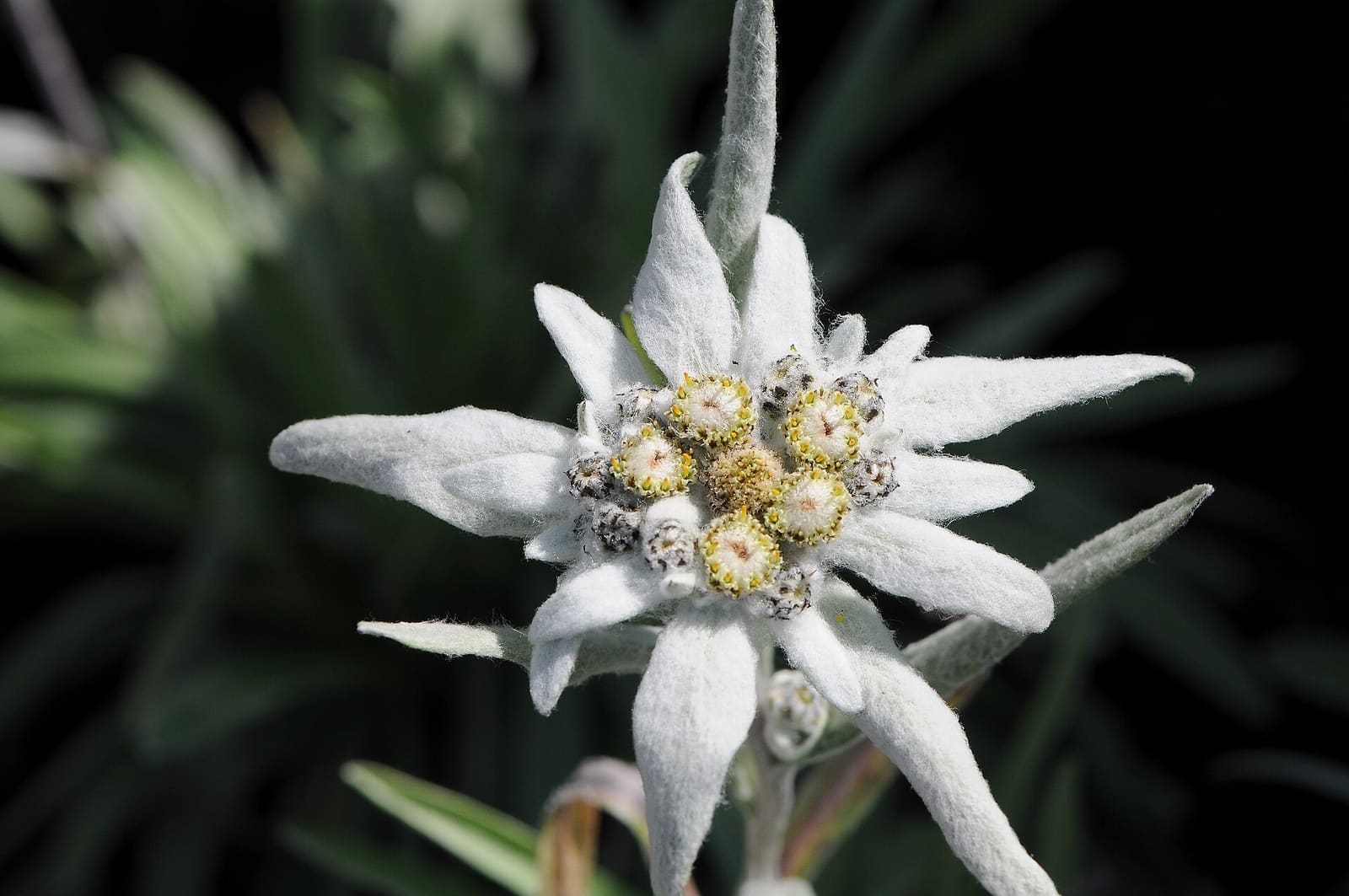
10. The summits of temperate mountains
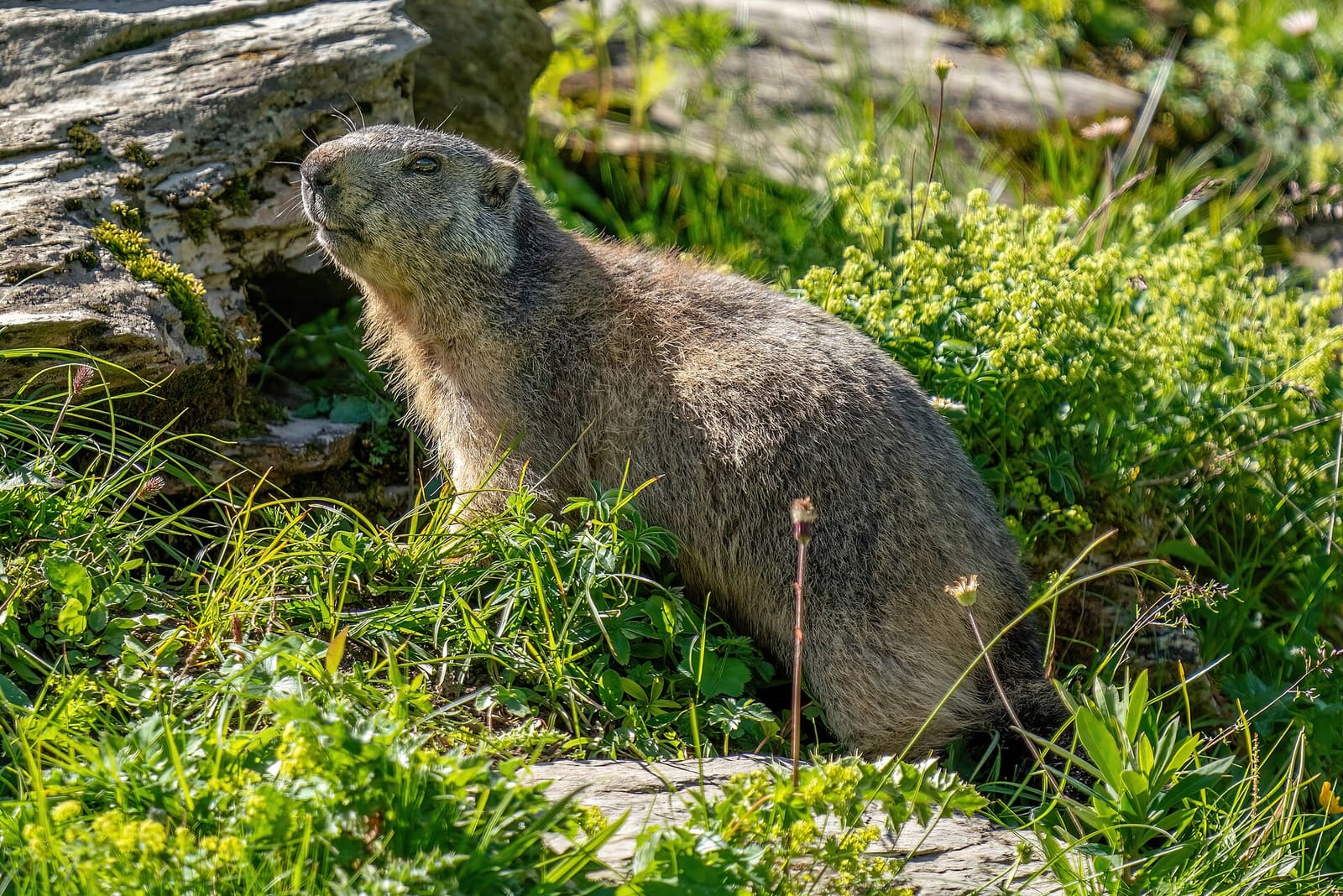
On summits in Europe and other ranges, scientists are documenting the arrival of plants from lower altitudes and the retreat of high-mountain species such as edelweiss. Summits are islands: when a species runs out of “higher up”, it has nowhere to go.
What is not written yet
For almost all of these places, the scale of change depends on the level of global warming and on local management (water, deforestation, protection). The 2024 record is a reminder that the margin is narrowing, but also that every tenth of a degree and every protected hectare counts.
Sources and references
- Australian Institute of Marine Science (AIMS)
- IPCC – Sixth Assessment Report
- National Snow and Ice Data Center (NSIDC)
- UNESCO – World Heritage and climate change
This is original editorial content based on the sources cited. Spotted a mistake? Let us know and we will fix it under our corrections policy.