What to do if a wildfire catches you while hiking
A wildfire can move faster than you can walk, especially uphill. Reading the wind and the terrain, raising the alarm early and choosing the right escape route can save lives.
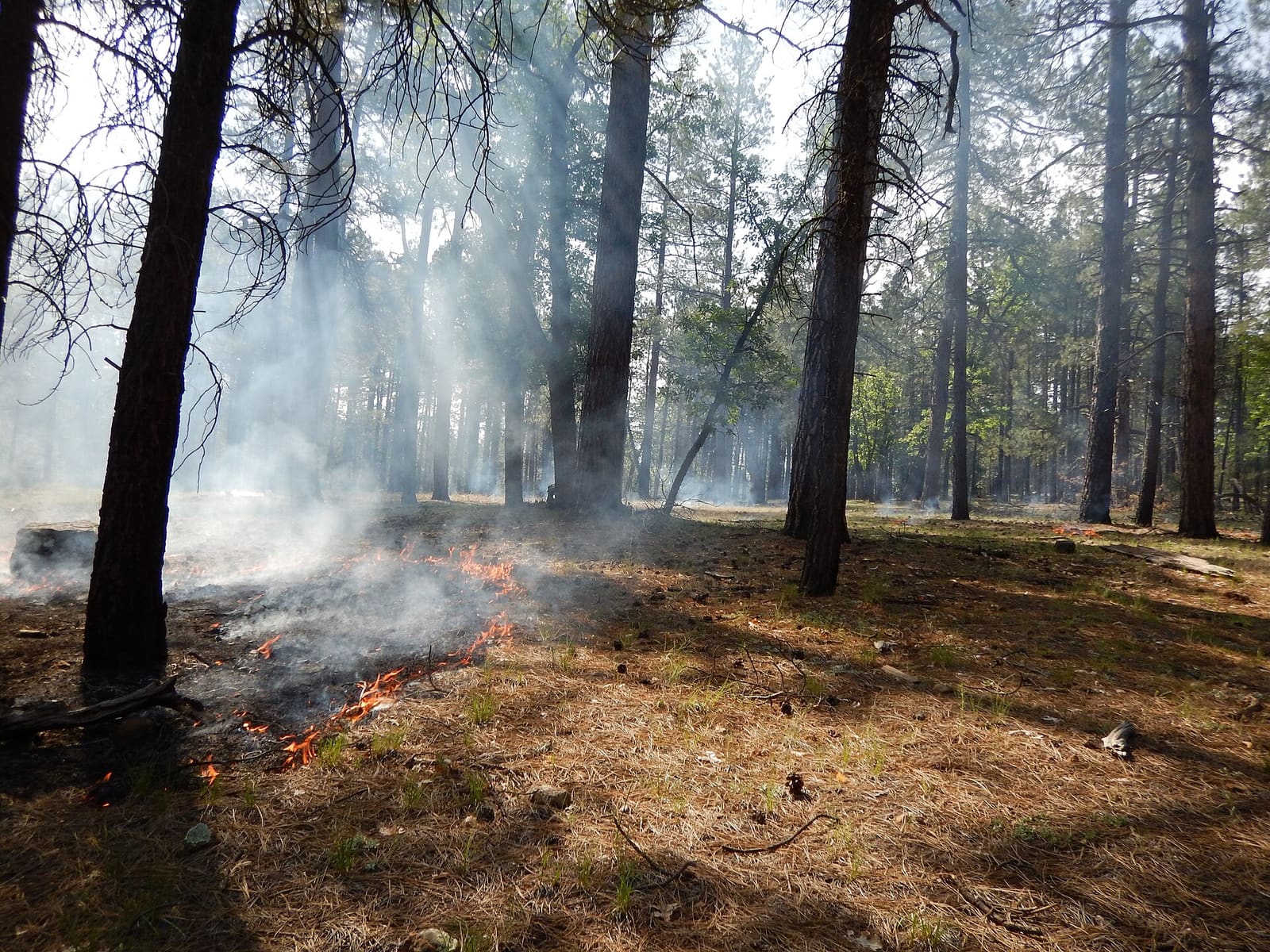
Every summer, wildfires force parks to close, villages to be evacuated and roads to be cut. For hikers, the chance of being trapped is low, but the consequences can be serious. Prevention and a few clear ideas make all the difference.
Before you go: risk and restrictions
- Check the fire danger index and any restrictions in force in the area: in high-risk periods, many regions and parks limit access, ban fires (including stoves) or close tracks.
- Remember the 30-30-30 rule, widely used in prevention: temperatures over 30 °C, relative humidity under 30% and wind over 30 km/h. When all three conditions occur, a fire can become very hard to control.
- On days of extreme risk, choose another activity or short routes close to open areas and exit routes.
- Tell someone your itinerary.
If you see smoke or fire
- Call emergency services immediately (112 in Europe). Do not assume someone else has already done it. Say where you are, what you see, which way the smoke is going and whether anyone is in danger. If you can, share your location from your phone.
- Move away early. Do not stay to watch or take photos: fire behaviour can change within minutes.
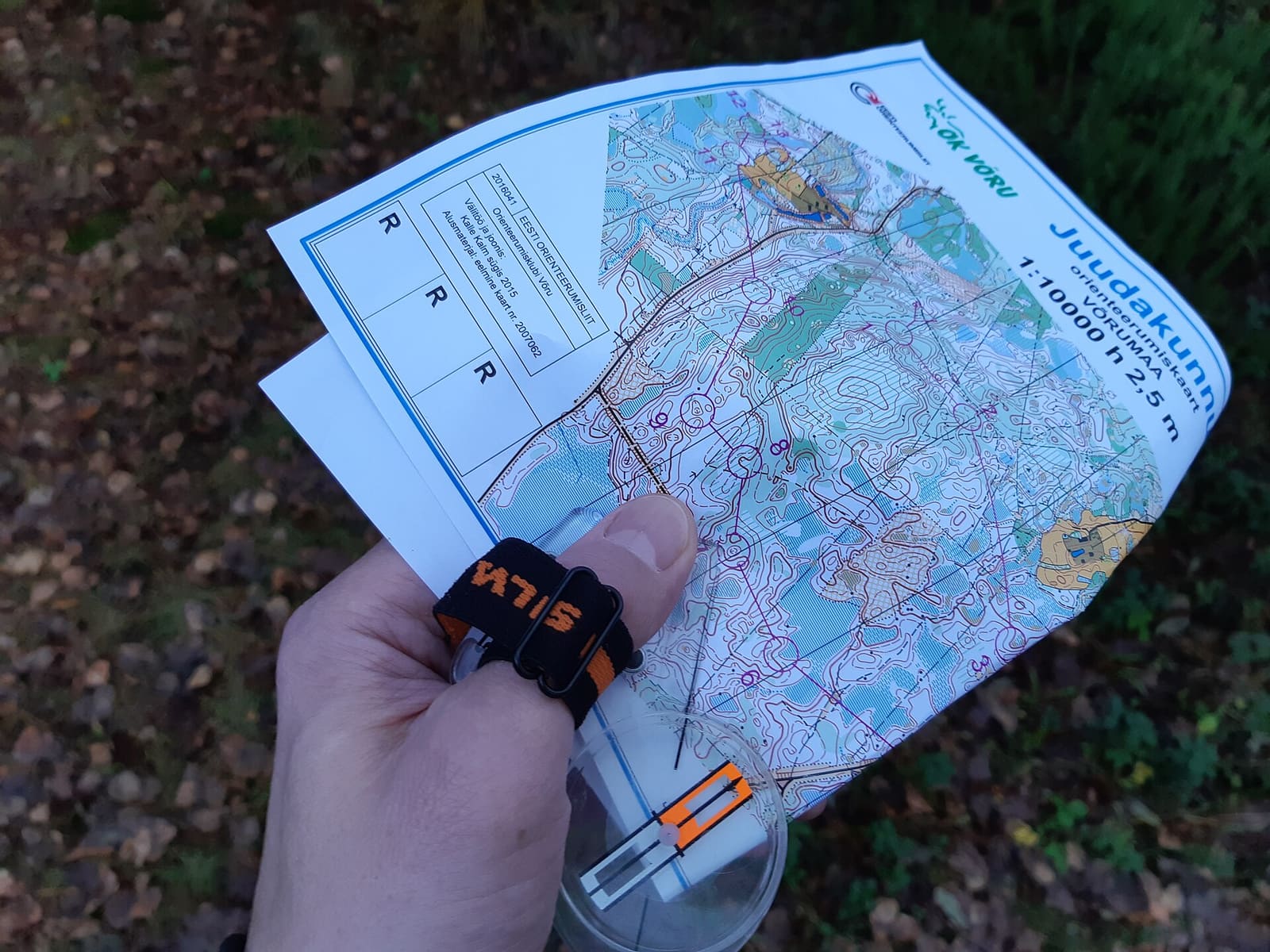
- Watch the wind and the terrain to decide which way to go.
Which way to move
- Never uphill if the fire is below you: on a slope, fire speeds up as it climbs because it preheats the vegetation above it.
- Never in the direction the wind is pushing the fire. Move sideways to its advance or towards areas the fire has already burnt, if you can reach them safely.
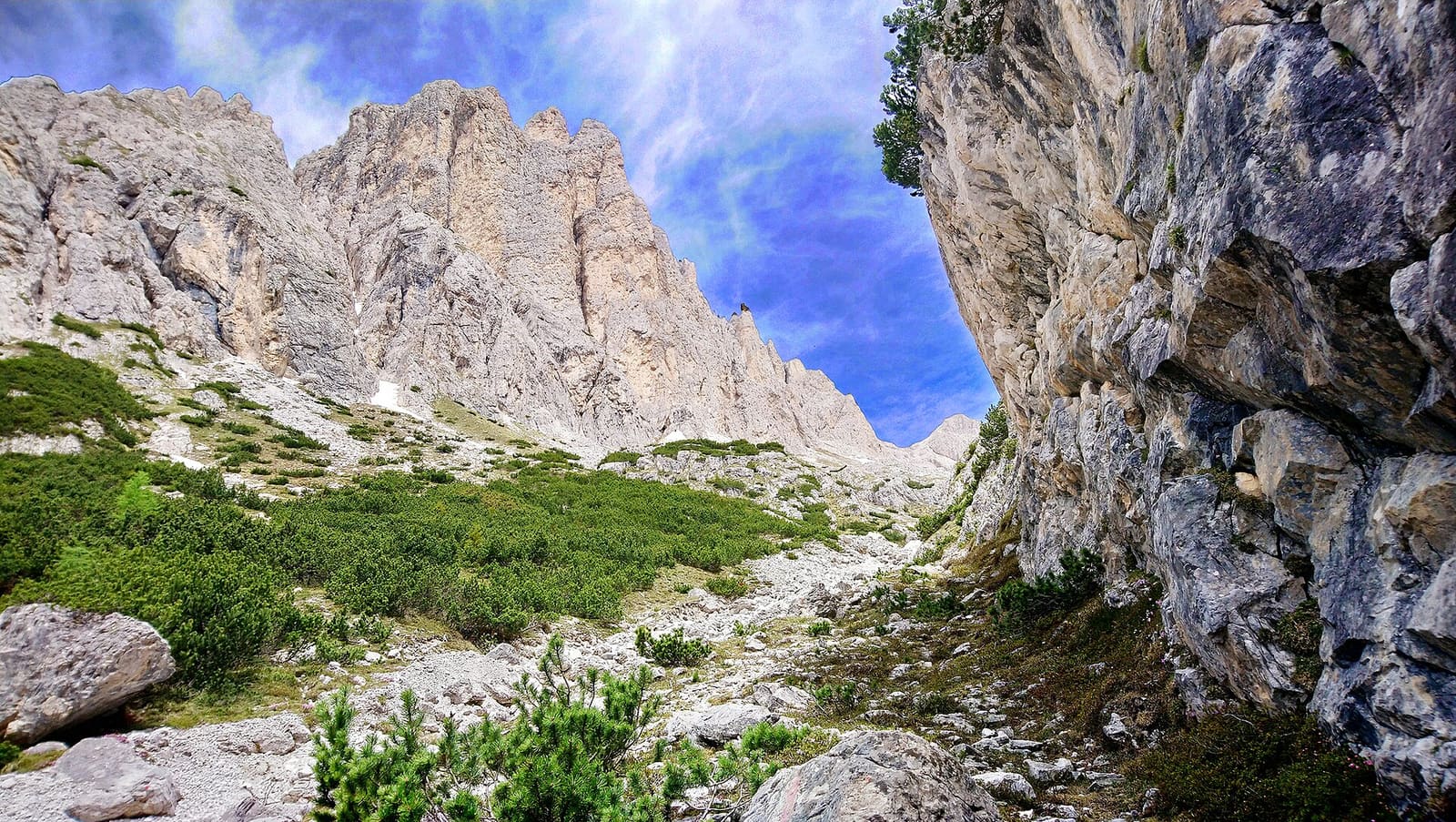
- Avoid narrow gullies, ravines and natural chimneys: they channel hot air and smoke.
- Look for areas with little fuel: wide tracks, firebreaks, mown meadows, rocky areas, reservoirs or wide rivers, already burnt areas.
In a wildfire, the terrain is in charge: what is a handy shortcut on a hike can be a trap.
If the fire reaches you
- Protect your airways with a damp cotton cloth. Smoke is as dangerous as the flames.
- Cover exposed skin. Clothing made of natural fibres (cotton, wool) is better than many synthetics, which can melt.
- Look for a refuge with little fuel: a rocky area, a hollow without vegetation or water (a wide river or lake, not a stream surrounded by vegetation).
- Lie down on the ground if the fire front passes close by: the air is less hot and there is less smoke at ground level.
- Stay calm and do not try to cross the line of flames unless the area on the other side has already burnt and the front is very narrow.
Afterwards
- Follow the instructions of firefighting crews and civil protection.
- Do not go back into burnt areas: weakened trees can fall and the ground can keep burning beneath the surface.
- Drink water and watch for signs of smoke inhalation (dizziness, severe headache, difficulty breathing).
Prevention is your job too
Most wildfires are human-caused, whether deliberately or through negligence. Some basic rules:
- Do not light fires outside authorised areas, not even with a stove when it is forbidden.
- Do not throw away cigarette butts or glass.
- Do not park your car on dry grass: the exhaust can ignite the vegetation.
Wildfires are also changing with the climate. If you are interested in the context, read the natural places that could change radically this century.
Sources and references
- Spanish Ministry for the Ecological Transition (MITECO) – Wildfires
- Spanish Civil Protection
- U.S. National Park Service – Wildfire safety
This is original editorial content based on the sources cited. Spotted a mistake? Let us know and we will fix it under our corrections policy.