How to prepare your first mountain hike without making the most common mistakes
Choosing a route that suits you, estimating times properly, checking the forecast and knowing when to turn back. Everything you need so your first mountain outing is the start of something, not a bad memory.
Your first mountain hike feels a bit like an exam: you do not really know what pace you will keep, how tired you will get or whether you have packed what you need. The good news is that almost every problem beginners face can be foreseen at home. This guide brings together the essentials so your first outing is safe and, above all, enjoyable.
1. Choose a route that suits you (and is a bit below your level)
The most common mistake is choosing a route from a photo. To start, look for:
- A moderate distance: between 5 and 10 km.
- Little ascent: less than 500 metres in total.
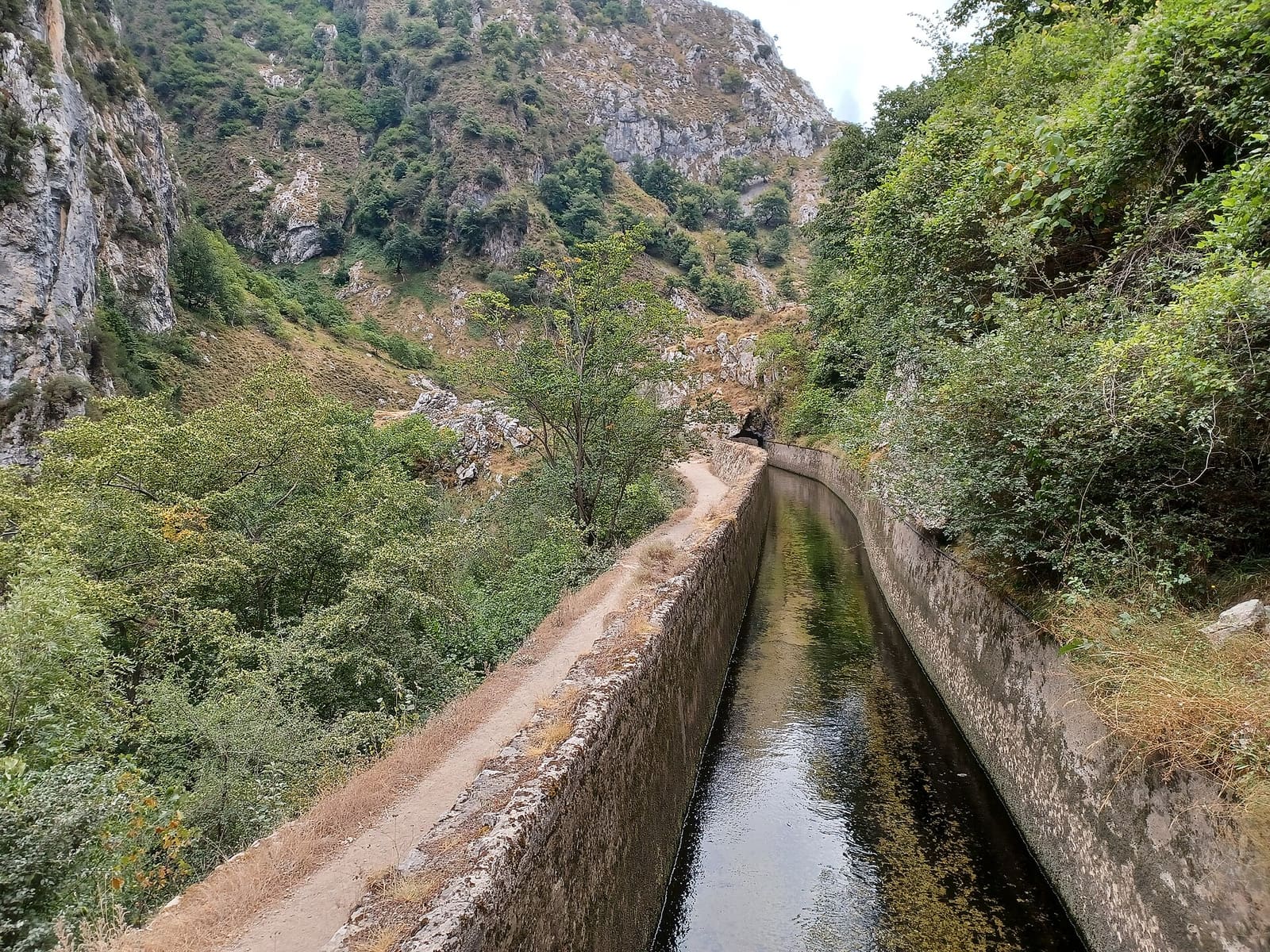
- A waymarked trail: in Europe, for example, official short-distance trails (PR) or local trails (SL).
- No technical sections: no scrambling, ridges or exposed areas.
- Escape routes: you can come back the same way or cut it short.
Many federations and parks publish information using rating systems such as MIDE, which scores the environment, the route-finding, the terrain and the effort. Learn to read it: it will tell you much more than the number of kilometres.
2. Estimate the time sensibly
A classic guideline (inspired by what is known as Naismith’s rule) is:
| Item | Rough time |
|---|---|
| Walking on the flat | 4 km per hour |
| Climbing | 1 hour for every 600 m of ascent |
| Steep descents | Add time: going down is slower than it seems |
| Breaks | Add at least 10 minutes per hour |
If you are just starting, also add a margin of 20–30%. If the result is five hours, plan for a six- or seven-hour day.
3. Check the mountain forecast, not the city one
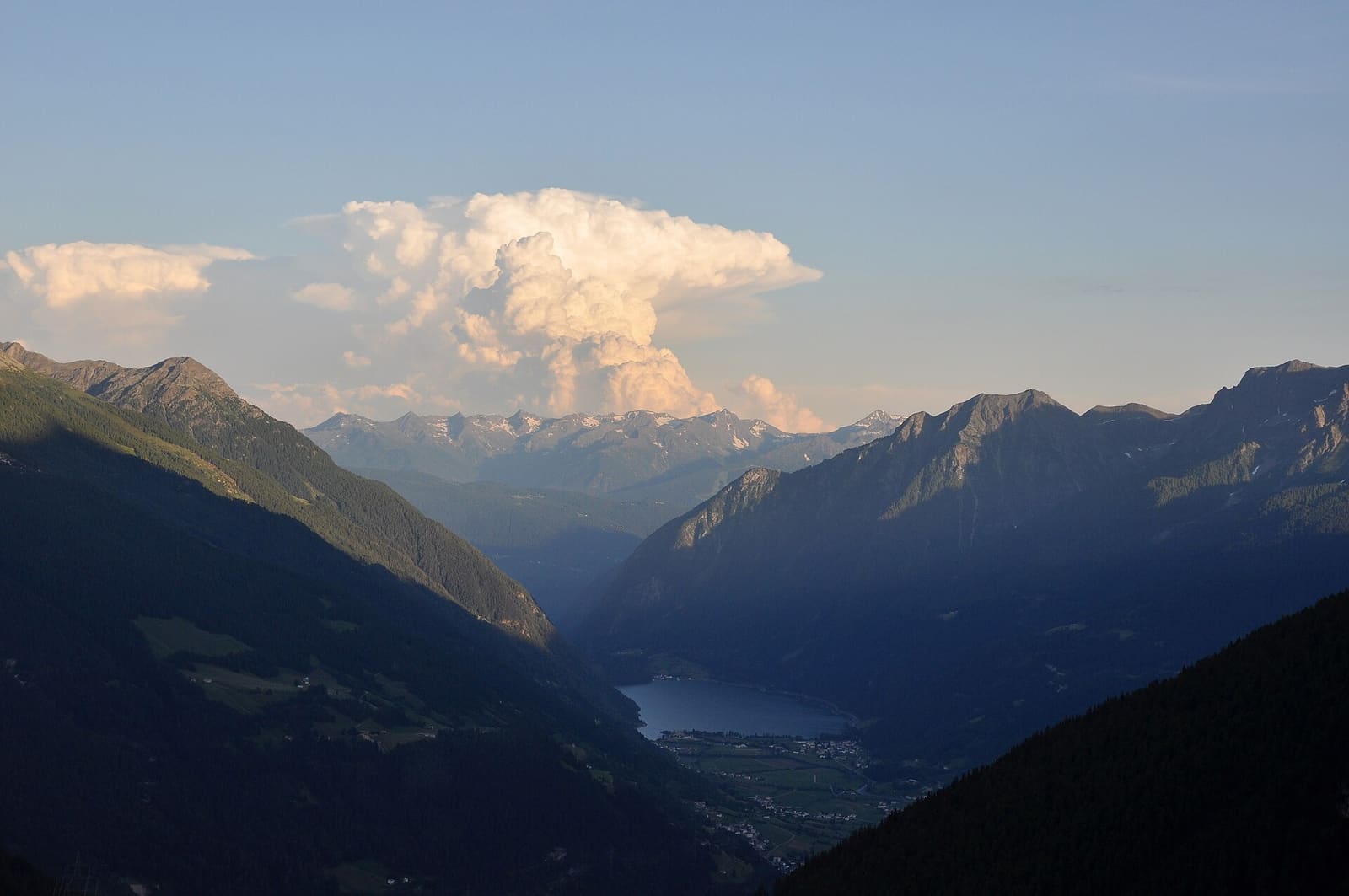
The weather in the mountains can be very different from the valley. Check your national weather service’s specific mountain forecast (in Spain, AEMET’s forecasts by massif). Look at:
- The probability of thunderstorms (especially in summer afternoons).
- Wind at altitude.
- Temperature and wind chill.
- The 0 °C isotherm in cold periods.
If storms are expected, start earlier or change your plans. We explain how to read the sky in how to tell if a storm is coming.
4. Pack a simple but complete backpack
For a day hike you do not need to carry half your house, but you do need the basics:
- Enough water (we work it out in how much water to carry).
- Energy-rich food that is easy to eat.
- Layers: something warm and a windproof or rain jacket, even if it is sunny. More details in how to dress in layers.
- Sun protection: cap, sunglasses and sunscreen.
- A charged phone and, ideally, a power bank.
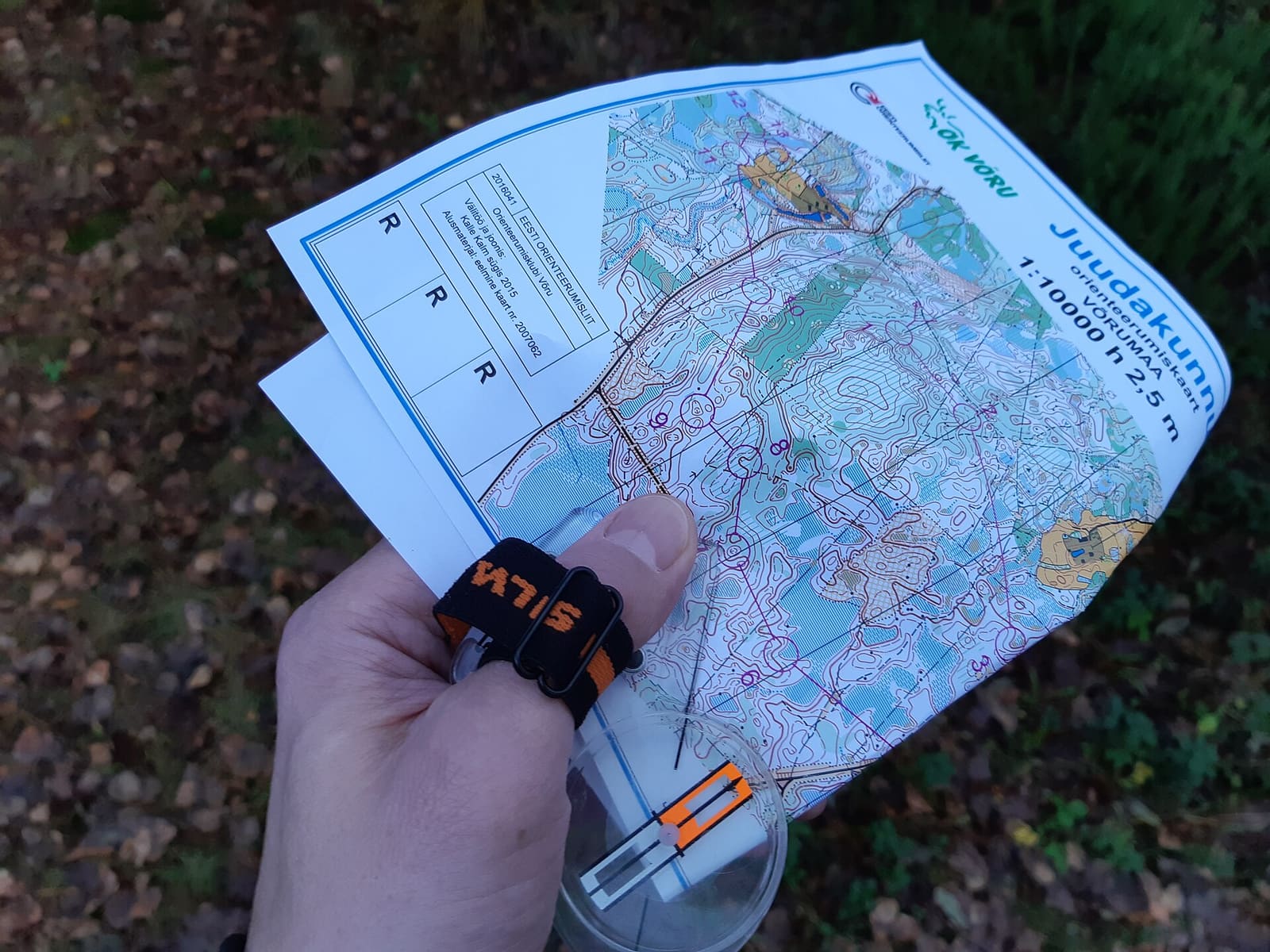
- A map or downloaded track to use offline.
- A minimal first-aid kit: blister plasters, painkillers, a bandage.
- A headlamp, in case the return takes longer.
5. The most common beginner mistakes
- Starting late. In summer, an early start avoids the heat and afternoon storms.
- Going too fast at the beginning. If you cannot talk while climbing, slow down.
- Wearing brand-new footwear. It is the fastest route to blisters.
- Not drinking or eating until you are thirsty or hungry. Drink and eat little and often.
- Insisting on reaching the summit. The summit is optional; getting back is mandatory.
- Not telling anyone. Let someone know where you are going and when you plan to be back.
- Relying only on your phone. Batteries run out and signal fails. Learn the basics of navigation in this guide.
The turnaround time is the most underrated safety tool: decide at home what time you will turn back, wherever you have got to.
6. During the hike
- Take a short break every hour to drink, eat something and check the map.
- Pay attention at junctions and look back now and then: the way back looks different.
- Respect the waymarking, livestock and gates. Do not leave the trails in protected areas.
- Carry out your rubbish, including organic waste such as fruit peel.
7. Afterwards
When you get back, think about what you did not need and what you were missing. That little reflection is the best way to improve hike by hike. Once you feel comfortable, you can go longer, add more climbing or try a spectacular route that needs no professional experience.
In an emergency in Europe, call 112. If you have doubts about a specific route, ask at the park office or the mountain hut: nobody knows the terrain better.
Frequently asked questions
How many kilometres should my first hike be?
Between 5 and 10 kilometres with less than 500 metres of ascent is a good guideline for someone of average fitness. What matters is that the route leaves you room to enjoy it and get back with energy to spare.
Do I need mountain boots to start?
Not necessarily. For well-marked, dry trails, hiking shoes or trail shoes with a good sole are enough. The essential thing is that they are not brand new: break them in on short walks first.
What do I do if the weather turns halfway through?
Turning back is almost always the best decision. That is why it is worth setting a turnaround time and checking the mountain forecast before you go.
Sources and references
- Spanish Mountain Sports and Climbing Federation (FEDME)
- AEMET – Mountain forecast
- MIDE hiking information method
This is original editorial content based on the sources cited. Spotted a mistake? Let us know and we will fix it under our corrections policy.