How much water to carry on a mountain hike: how to calculate it by duration, heat and effort
Running out of water ruins a hike; carrying twice what you need does too. Here is a practical guideline, how to adjust it to your situation and when you can trust natural water sources.
Water is probably the heaviest thing in your pack on a day hike, and also the most important. Carrying too little can turn an outing into an ordeal; carrying too much wears you out early. There is no universal figure, but there is a sensible way to work it out.
The basic guideline
For an adult walking at a moderate pace in mild temperatures, a widely used rough guideline is:
Around half a litre of water for every hour of activity.
A four-hour hike would mean about two litres. Then adjust from there.
What increases your needs
| Factor | Rough adjustment |
|---|---|
| Heat (over 25 °C) or direct sun | Add 50 % to 100 % |
| Lots of climbing or a fast pace | Add more |
| Altitude (dry air, faster breathing) | Add more |
| Dry wind | Add more |
| Heavy sweating (everyone is different) | Add more |
| Cold and an easy pace | Slightly less may do, but keep drinking |
On hot summer days it is not unusual to need a litre an hour or more. Older people, children and people with certain health conditions are more vulnerable to dehydration and heatstroke.
How to drink
- Little and often: a few sips every 15–20 minutes works better than gulping a lot at once.
- Start hydrated: drink before you set off.
- Do not wait until you are thirsty, especially at altitude or in the cold, when the feeling of thirst fades.
- Electrolytes: on long, hot hikes with lots of sweating, add sodium (sports drinks or electrolyte tablets). Drinking only large amounts of plain water for many hours can backfire.
Warning signs
Dehydration: intense thirst, dry mouth, little dark urine, headache, disproportionate tiredness, dizziness.
Heatstroke (emergency): confusion, very hot skin, nausea, fainting. Move the person into the shade, cool them with water and call emergency services (112 in Europe).
Can I drink from springs and streams?
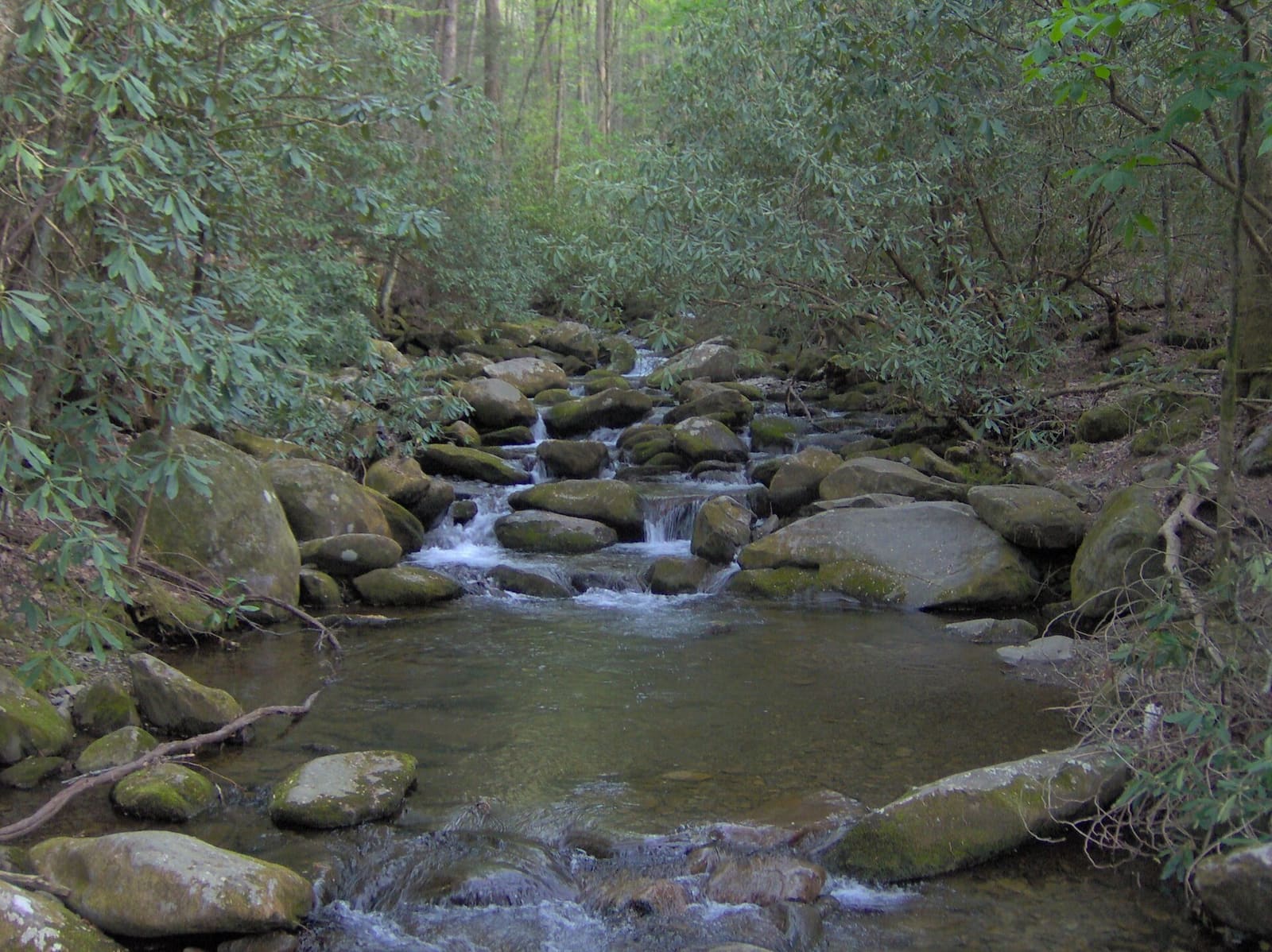
It depends. A spring signposted as drinkable or a monitored source is reliable. Water from streams and lakes, however crystal-clear it looks, may contain:
- Bacteria and protozoa (such as Giardia), often from livestock or wildlife.
- Pollution from human activity upstream.
If you are going to drink untreated water, treat it:
- Filters: remove bacteria and protozoa; some also remove viruses.
- Tablets or drops (chlorine, chlorine dioxide): lightweight; they need a waiting time.
- Boiling: the most reliable method; requires a stove and fuel.
- UV purifiers: fast, but need clear water and a battery.
Plan your water points
- Check the map or route description for reliable springs and at which kilometre.
- Ask at the hut or park office whether they are still flowing: in summer many dry up.
- If you depend on a spring, carry enough water in case it is dry.
How to carry it
- Bottles or flasks: easy to keep track of.
- Hydration system (bladder with a tube): lets you drink without stopping, but it is hard to know how much is left.
- Balance the weight: water close to your back and centred.
If you are preparing your first outing, you will find the rest of the planning in how to prepare your first mountain hike. And if you are sleeping out, the maths changes: we explain it in what to pack for a night in the mountains.
Sources and references
- Wilderness Medical Society – Clinical practice guidelines
- World Health Organization – Drinking water
- U.S. CDC – Water treatment for backcountry
This is original editorial content based on the sources cited. Spotted a mistake? Let us know and we will fix it under our corrections policy.