How to start running in the mountains: a trail running guide for beginners
Running on trails is not road running with a different view: technique, pace and training all change. This is how to get into trail running without getting injured and enjoy it from day one.
Trail running —running on trails and in the mountains— has gone in just a few years from a niche discipline to filling race calendars all over the world. It attracts people with its freedom, its landscapes and a very welcoming community. But it also injures many people who arrive from road running in a hurry.
First of all: forget about pace
On the road, pace per kilometre is everything. In the mountains, a kilometre can take five minutes or twenty depending on the climb and the terrain. That is why many trail runners train by time and feel, or by total elevation gain.
How to progress without getting injured
- Start on easy tracks and trails, with little climbing and good footing.
- Mix running and walking. On steep climbs, power hiking is more efficient than jogging slowly. Even elite runners do it.
- Increase volume little by little. A common guideline is not to increase your weekly hours or kilometres too much at once; listen to your body.
- Work on strength in your legs, ankles and core: it is the best prevention on uneven terrain.
- Rest: downhills put a heavy load on your muscles and need recovery.
Basic technique
Uphills
- Short, frequent steps.
- Body leaning slightly forward from the ankles.
- On steep slopes, hands on your thighs or use poles.
Downhills
- Eyes ahead, two or three steps in front.
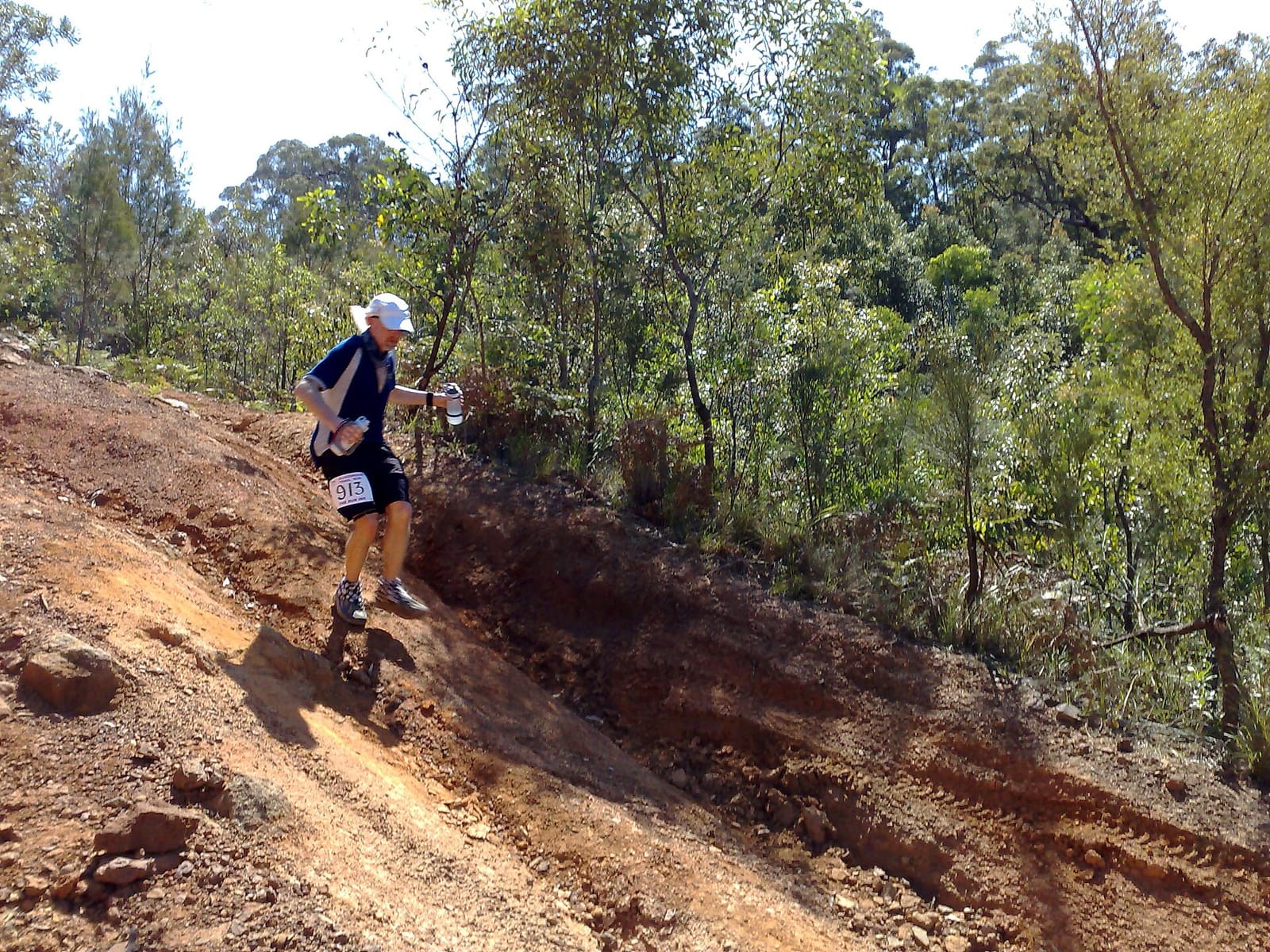
- Short, quick steps, with your weight over your feet, without leaning back.
- Arms out for balance.
- Control your speed before bends and on loose ground.
Downhill running can be trained: it is where you gain the most… and where you fall the most.
Basic gear
- Trail shoes: a lugged sole for grip; cushioning and drop depend on the person.
- A hydration vest or pack with room for water and some clothing.
- A light windproof jacket, always.
- Cap, sunglasses and sunscreen.
- Folding poles, for routes with lots of climbing.
- A charged phone and the route track.
Many races require mandatory gear: emergency blanket, whistle, waterproof jacket, headlamp, your own cup… It is a good checklist even for training.
Safety: running light does not mean running unprotected
When you run you move faster and wear less clothing, so a mishap (a twisted ankle, fog, a storm) leaves you more exposed than a hiker. So:
- Tell someone your route and your return time.
- Always carry a warm layer and an emergency blanket.
- Check the forecast and learn to recognise a storm in the mountains.
- Work out your water carefully: here is how.
Your first race
- Choose a short distance (10–20 km) with moderate climbing.
- Check the race profile and the cut-off times.
- Test everything you will use in training: shoes, vest, gels or food.
- Start slower than your body wants.
Trail etiquette
- Give way to people climbing on narrow sections.
- Do not cut switchbacks: it erodes the ground.
- Carry your wrappers home: not a single gel on the ground.
- Say hello: in the mountains, we all share the path.
Trail running is a gateway to other mountain sports. If verticality tempts you, see how climbing grades work.
Sources and references
- ITRA – International Trail Running Association
- FEDME – Mountain running
- World Athletics – Trail running
This is original editorial content based on the sources cited. Spotted a mistake? Let us know and we will fix it under our corrections policy.