What to pack for a night in the mountains: the checklist that actually works
Sleeping in the mountains completely changes the experience of a route. We tell you which gear is essential, what you can leave at home and how to pack it so your backpack weighs no more than it needs to.
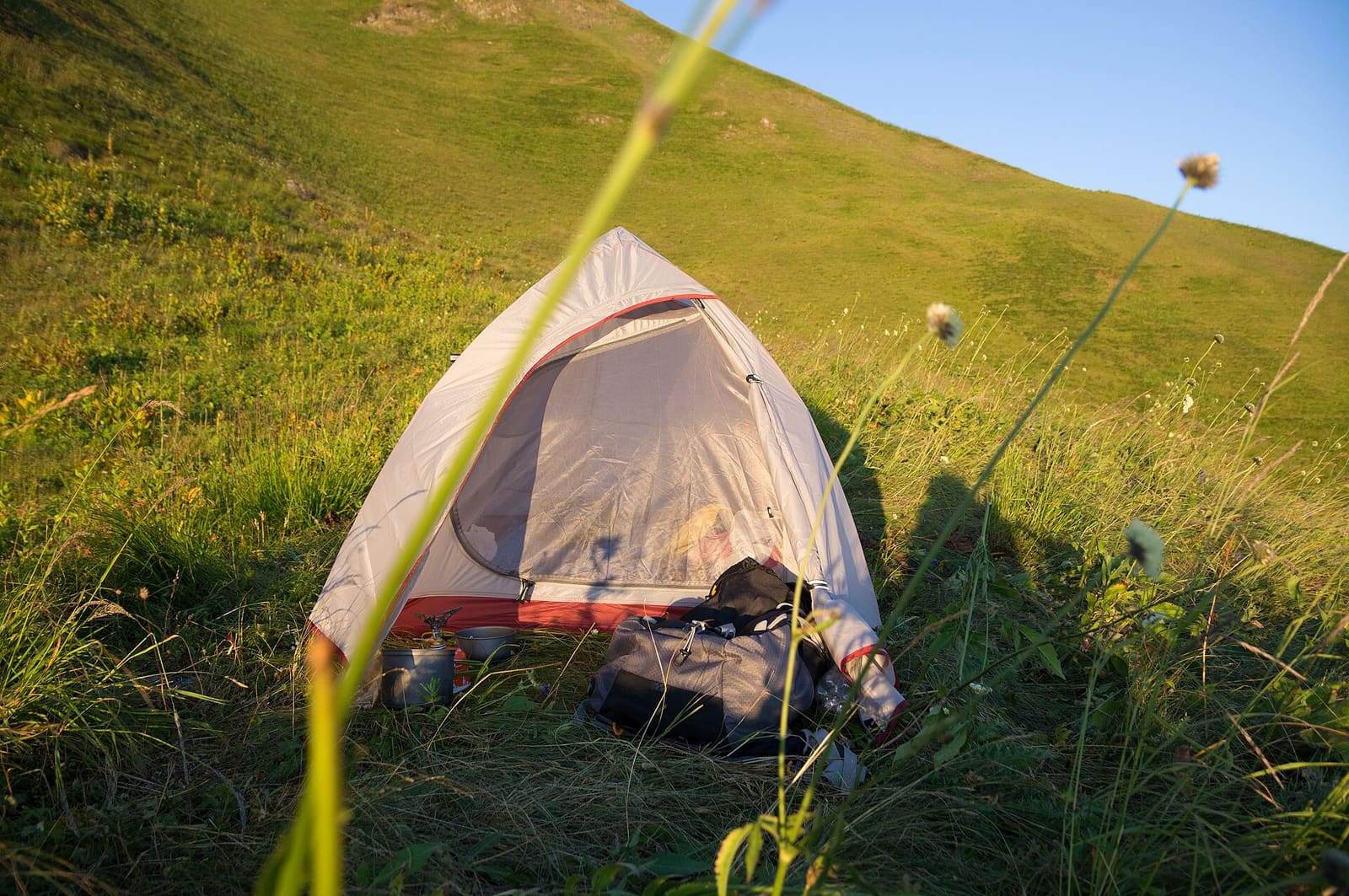
Spending a night in the mountains is one of those experiences that turns a hike into a memory. Watching night fall from a pass, waking up before anyone else or gazing at a sky free of light pollution more than makes up for the extra weight. But that weight has to be chosen well.
First of all: check the rules. In many national parks and protected areas, wild camping is banned or limited to certain zones, times or altitudes, and sometimes only bivouacking (sleeping in the open without pitching a tent) is allowed between sunset and sunrise. The rules vary from place to place.
1. The sleep system
It is the heaviest part and the most important for a good night’s sleep.
- Sleeping bag. Choose one whose comfort temperature matches the expected minimum. In this guide we explain how to read temperature ratings.
- Sleeping mat. Its ability to insulate you from the ground is expressed as an R-value: the higher it is, the more it insulates. In summer a low R is enough; in spring, autumn or on snow you will need a higher one.
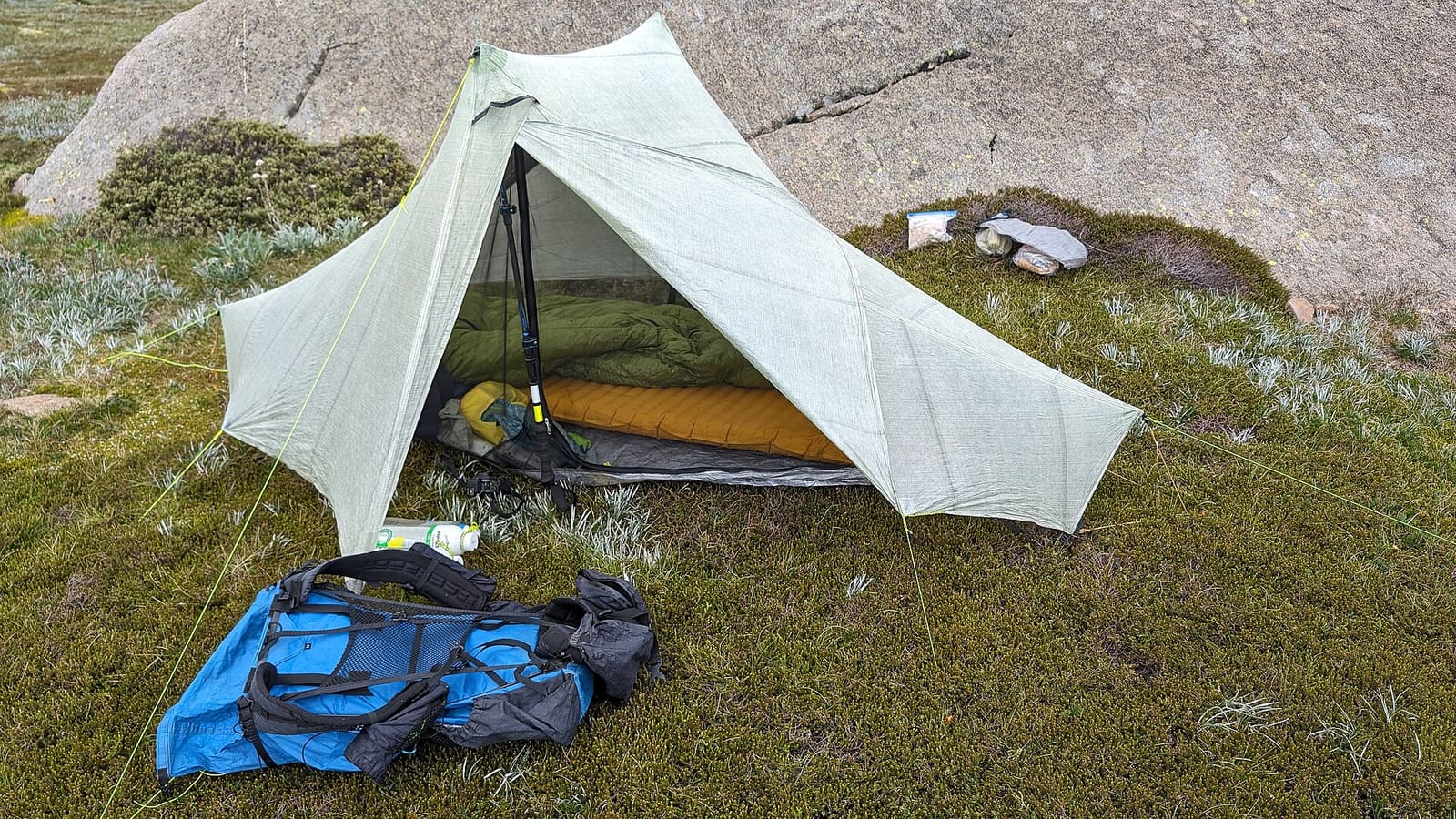
- Shelter. A light tent, a bivvy bag (a breathable cover for your sleeping bag) or a staffed hut. If you sleep in a hut, book ahead.
Many people blame the sleeping bag for a bad night when the problem was the mat.
2. Clothing: layers, not bulk
At night the temperature drops a lot, especially at altitude and under clear skies. Bring:
- A dry thermal layer just for sleeping (top and leggings).
- A fleece or light down jacket.
- A hat and thin gloves, even in summer in the high mountains.
- Dry spare socks.
- Your waterproof jacket.
We explain the full system in how to dress in layers.
3. Cooking and food
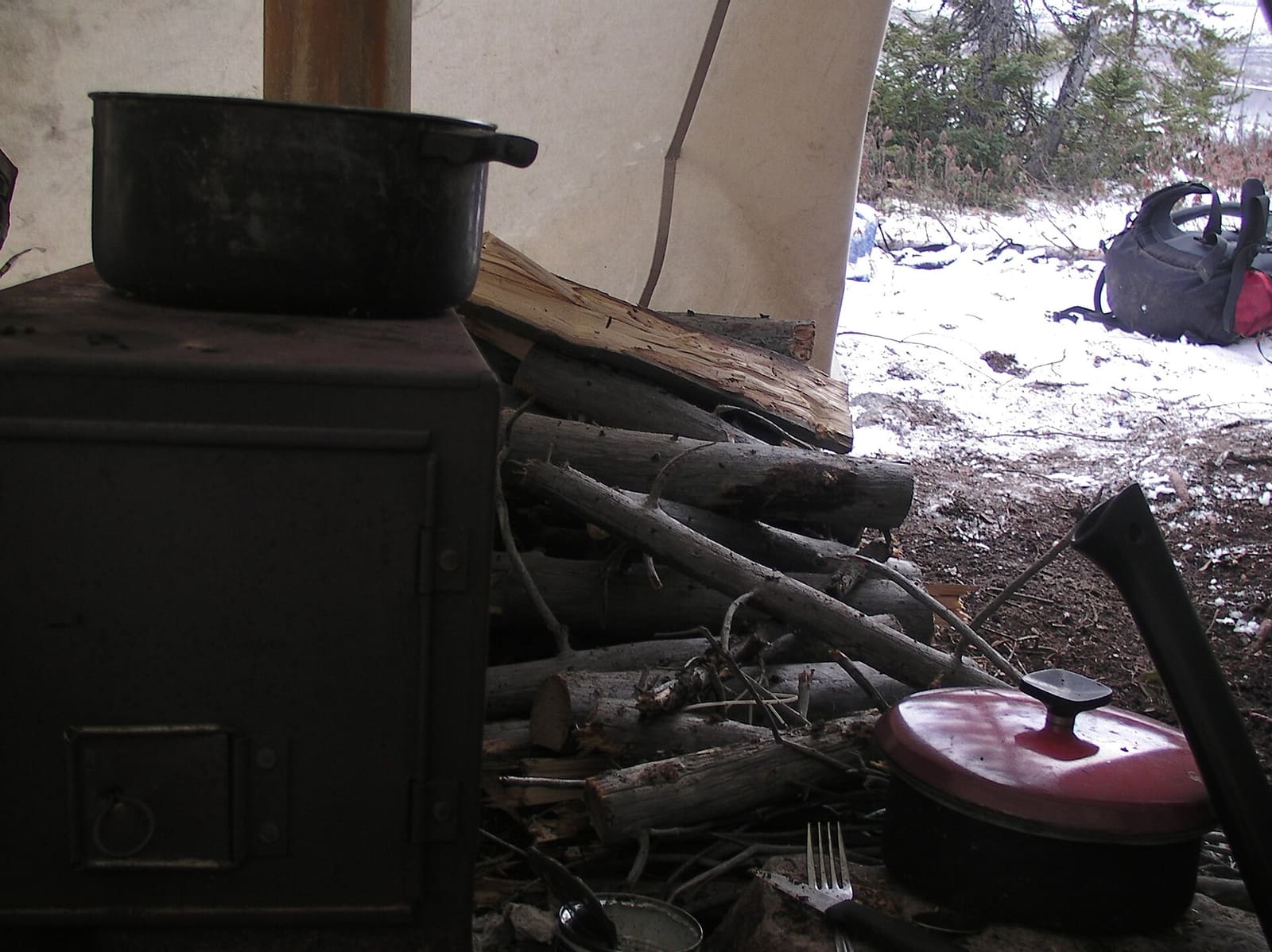
- A small stove with a gas canister (and check there is gas left).
- Pot, long spoon, spare lighter.
- An easy hot dinner (freeze-dried meals, quick pasta, couscous) and a simple breakfast.
- Snacks for the next day’s route.
Check the fire risk: in dry periods, many areas ban any kind of fire, including stoves in certain zones.
4. Water
If there are reliable springs or streams, carry a water treatment system (filter, tablets or boiling) and do not carry everything from the start. If there are none, work out water for the afternoon, dinner, the night, breakfast and the route back. You will find the guidelines in how much water to carry.
5. Safety and navigation
- A headlamp with charged batteries (and spares).
- Phone and power bank.
- A map or downloaded track and, if you know how to use it, a compass.
- A first-aid kit a bit more complete than on a day hike.
- An emergency survival blanket.
- A whistle.
6. Hygiene and minimal impact
- Bags for all your rubbish.
- A small trowel or system to bury human waste away from water and paths (or bags to carry it out where that is mandatory).
- Do not use soap directly in rivers or lakes.
- Sleep on already trampled ground or rock, never on fragile vegetation, and at a distance from water.
How to distribute the weight in your pack
- Bottom: the sleeping bag and night clothes (what you do not need during the day).
- Middle and close to your back: the heaviest items (water, food, stove).
- Top: jacket, first-aid kit and anything you may need quickly.
- Pockets: map, sunscreen, snacks, headlamp.
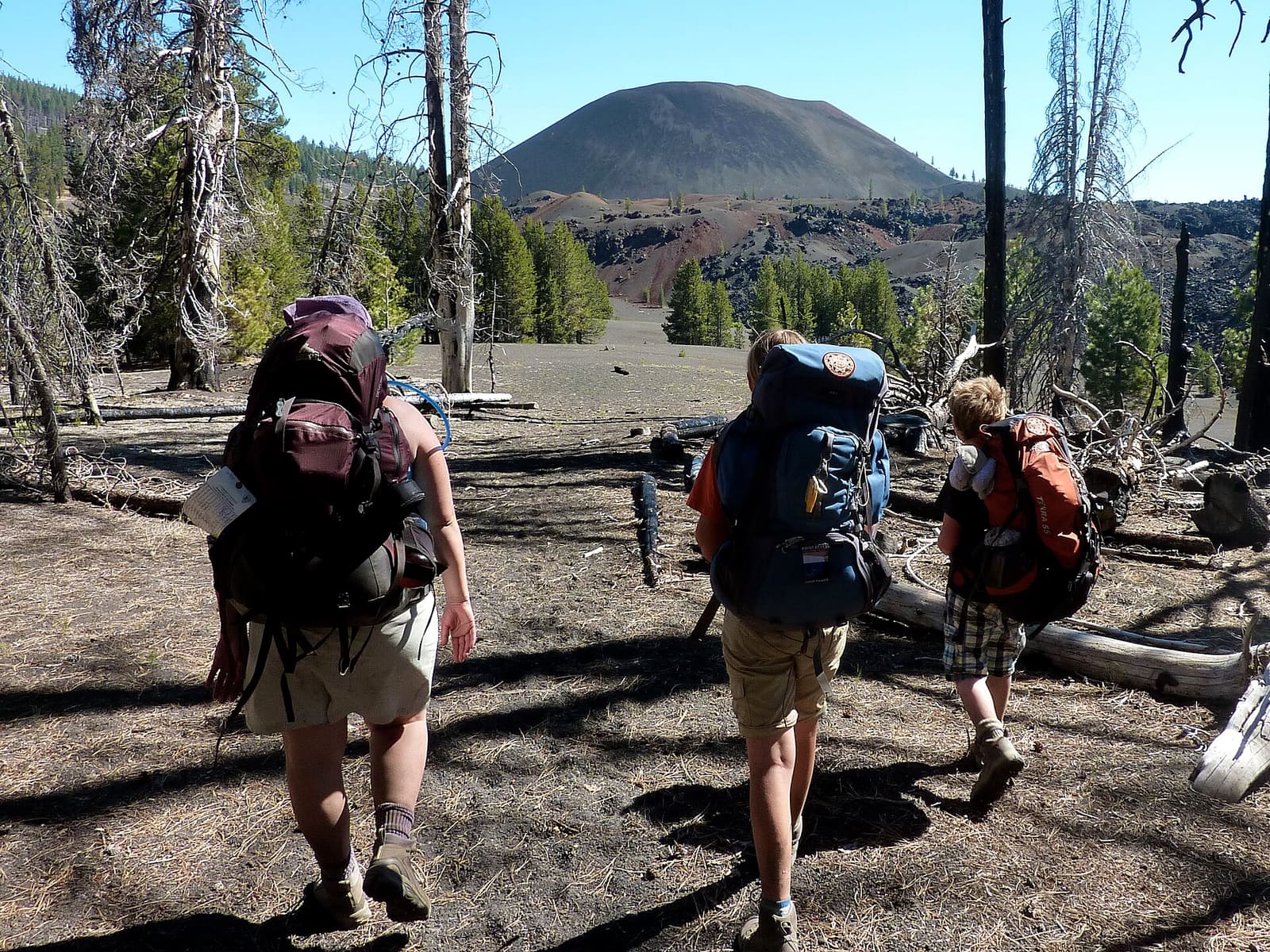
A good target for one night is a fully loaded pack of no more than 20% of your body weight. If you are over, review it: there are almost always “just in case” items that are not safety gear.
Before you go
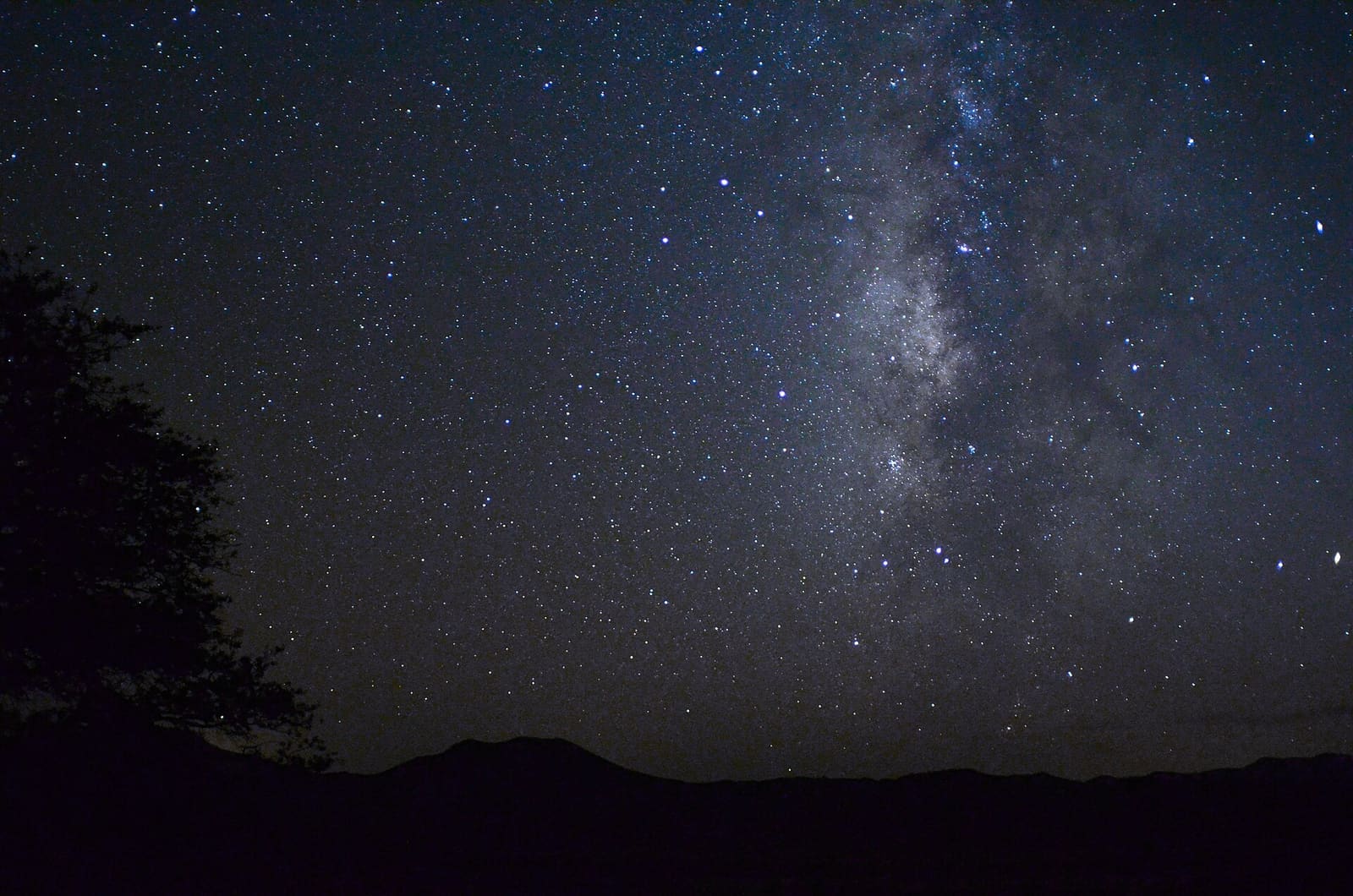
Test everything at home: pitch the tent, light the stove, check the headlamp. Tell someone your itinerary and where you plan to sleep. And if the night promises to be clear, you might like to know where the best skies in the world are.
Sources and references
This is original editorial content based on the sources cited. Spotted a mistake? Let us know and we will fix it under our corrections policy.