The best places in the world to see the stars far from light pollution
More than a third of humanity cannot see the Milky Way from home. These are the places where the sky is still as it was centuries ago, and how to make the most of them even without a telescope.
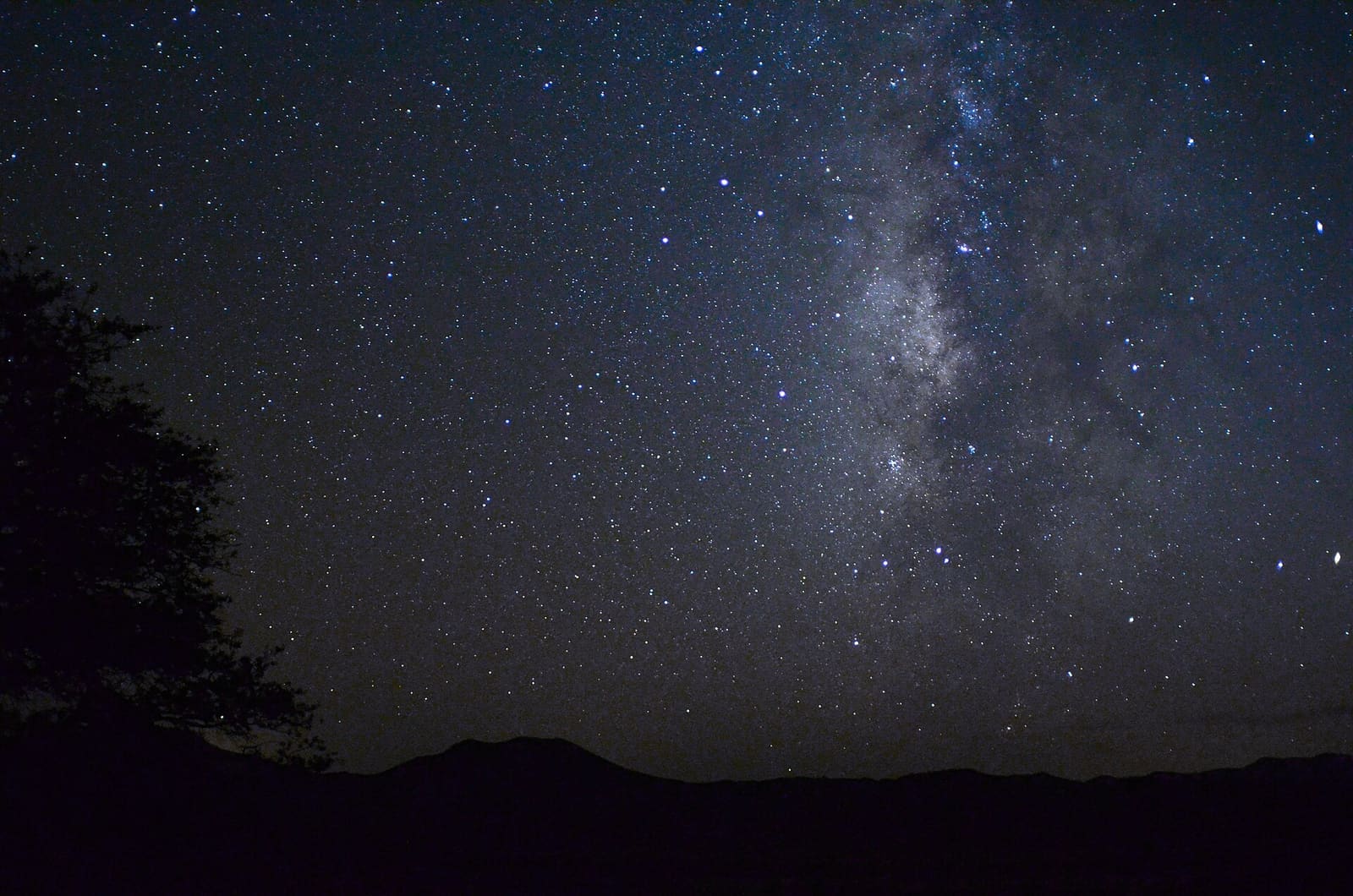
For almost all of human history, looking up at night meant seeing thousands of stars and the milky band of the Milky Way. Today it is a privilege. According to the New World Atlas of Artificial Night Sky Brightness, published in 2016, more than a third of humanity can no longer see the Milky Way from where they live, and in Europe the proportion is much higher.
The good news: spectacular skies still exist, and many are protected.
What makes a good sky
- Darkness: far from cities and their glow.
- Altitude: less atmosphere above you, less humidity and dust.
- Stable air: less turbulence, sharper stars.
- Many clear nights a year.
That is why the great observatories sit on mountains and in deserts.
The most spectacular skies
1. Atacama Desert (Chile)
One of the driest places on the planet, with hundreds of clear nights a year. It hosts major international observatories. San Pedro de Atacama is the usual base for astronomy tours.
2. La Palma (Canary Islands, Spain)
Since 1988 it has had a sky protection law regulating outdoor lighting. The Roque de los Muchachos hosts one of the most important observatories in the northern hemisphere. The island is a Starlight Reserve.
3. Teide (Tenerife, Spain)
Above the sea of clouds, Teide National Park offers extraordinary nights and is home to the Teide Observatory.
4. Mauna Kea (Hawaii, USA)
Over 4,200 metres high in the middle of the Pacific. The summit is a sacred place in Hawaiian culture and night-time access is regulated; the visitor centre, lower down, offers public stargazing.
5. NamibRand (Namibia)
It was the first International Dark Sky Reserve recognised in Africa. Desert, dunes and a sky practically free of artificial light.
6. Aoraki Mackenzie (New Zealand)
One of the great dark-sky reserves of the southern hemisphere, next to Mount Cook (Aoraki). The Magellanic Clouds and the galactic centre steal the show.
7. Jasper (Canada)
One of the world’s largest dark-sky parks, in the Canadian Rockies, with occasional auroras.
8. Pic du Midi (Pyrenees, France)
Its observatory, at almost 2,900 metres, presides over an International Dark Sky Reserve in the French Pyrenees.
9. Montsec (Catalonia, Spain)
A Starlight destination with a centre for observing the universe and activities for all audiences.
10. Remote mountain valleys
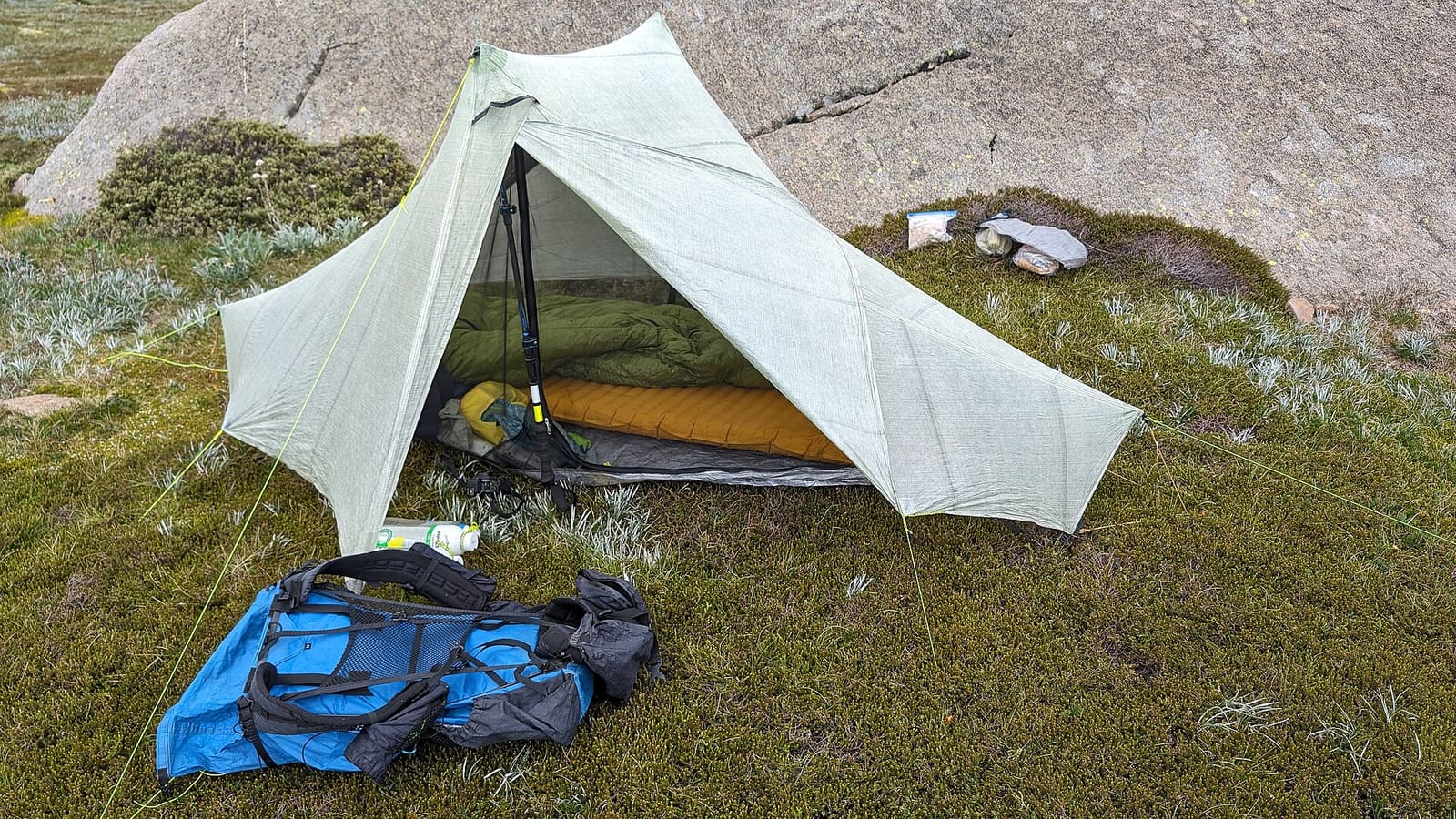
Many huts and valleys far from big cities offer excellent skies without having to travel far. A night in the mountains is the perfect excuse: check what to pack for a night outdoors.
To enjoy a dark sky you do not need a telescope: you need darkness, patience and a pair of binoculars.
Starlight and DarkSky reserves
Two international systems certify quality skies:
- DarkSky International (formerly the International Dark-Sky Association): dark-sky reserves, parks and communities.
- The Starlight Foundation, promoted by the Instituto de Astrofísica de Canarias: Starlight reserves and tourist destinations.
How to observe better
- Choose moonless nights or a new moon.
- Let your eyes adapt for 20–30 minutes without looking at screens or white lights.
- Use red light on your headtorch: it does not ruin your night vision.
- Wrap up more than you think: when you are standing still, the cold bites.
- The Milky Way is most spectacular in the northern hemisphere between spring and late summer, when the galactic centre is visible.
- A sky-map app will help you recognise constellations and planets.
Light pollution, an environmental problem
Artificial light at night does not just steal our stars: it disorients migrating birds and insects, disrupts the cycles of many species and wastes energy. Lighting only what is needed, pointing downwards and using warm light is a simple measure with big benefits.
If what happens in the sky fascinates you, carry on with the most impressive natural phenomena you can see with your own eyes.
Sources and references
- Falchi et al. (2016), Science Advances – New world atlas of artificial night sky brightness
- DarkSky International
- Starlight Foundation
- Instituto de Astrofísica de Canarias (IAC)
This is original editorial content based on the sources cited. Spotted a mistake? Let us know and we will fix it under our corrections policy.