10 spectacular routes around the world that need no professional experience
You do not need to be a mountaineer to walk beside glaciers, peer into a fjord or circle the Tre Cime di Lavaredo. Ten routes any hiker with reasonable fitness and common sense can do.
Some landscapes seem reserved for mountaineers, and yet they lie at the end of a good trail. This list brings together ten routes that require no climbing technique or professional training, just reasonable fitness, good planning and respect for the mountains.
A warning before we start: the figures are approximate. Distances and ascent change with the variant, and conditions (snow, heat, wind, closures) can completely transform the difficulty. Always check official information before you go.
1. Caminito del Rey (Málaga, Spain)
- Approximate distance: about 8 km one way (including the access path).
- Why it is special: walkways hanging over the Gaitanes gorge.
- Keep in mind: you need a timed ticket, a helmet is mandatory and there is a minimum age. It closes in strong wind or rain. Not suitable if you suffer badly from vertigo.
2. Cares Trail (Picos de Europa, Spain)
- Approximate distance: 12 km each way.
- Why it is special: a path carved into a gorge with vertical walls.
- Keep in mind: unprotected drops and the return doubles the distance. We go into detail in our fact sheet.
3. Cola de Caballo via the Ordesa meadow (Huesca, Spain)
- Approximate distance: about 17 km there and back.
- Why it is special: the glacial valley of Ordesa, its beech woods and a succession of waterfalls up to the Cola de Caballo (“Horsetail”) falls, at the foot of Monte Perdido.
- Keep in mind: in peak season car access is regulated and a bus is used. Moderate but sustained ascent.
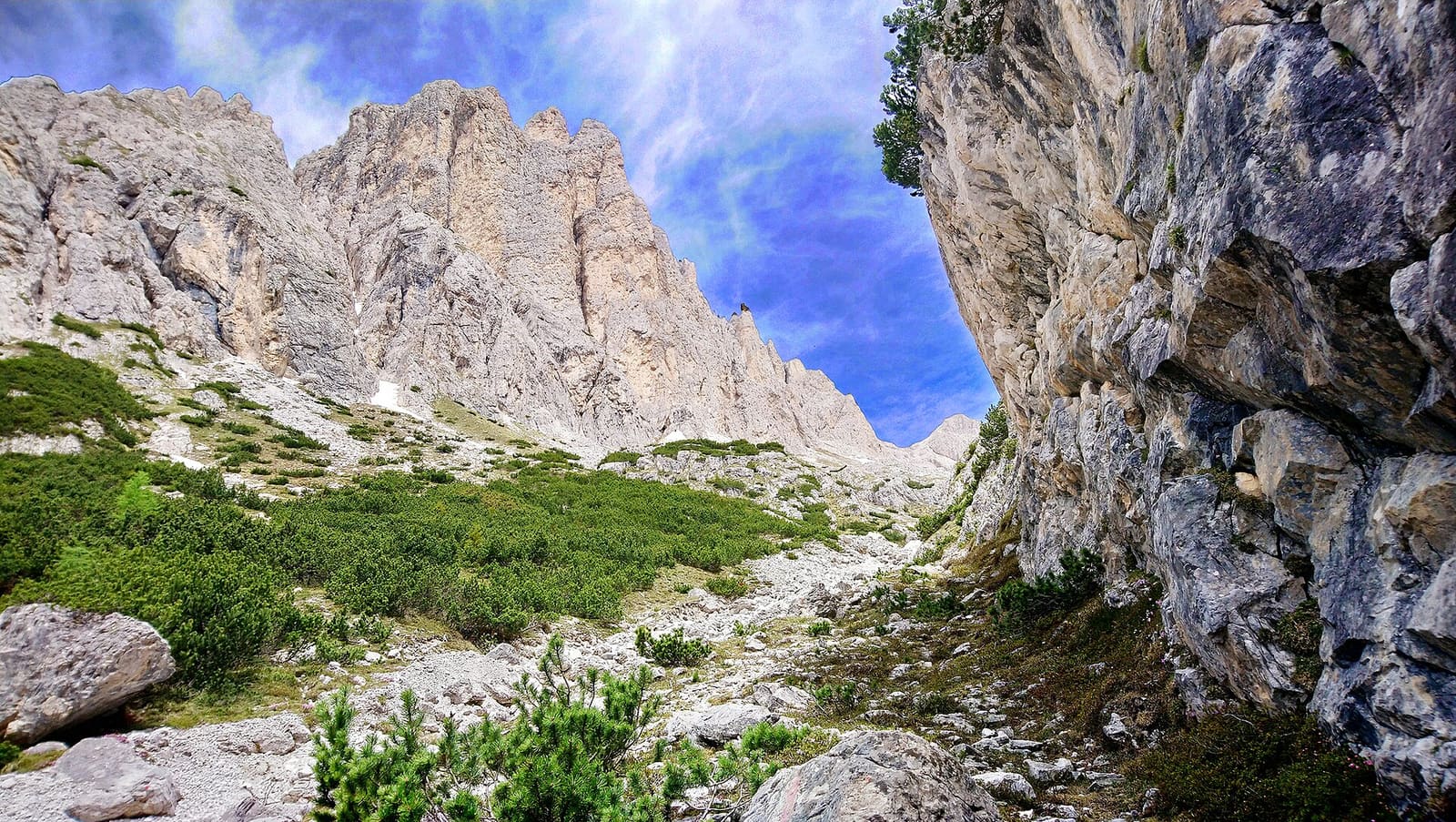
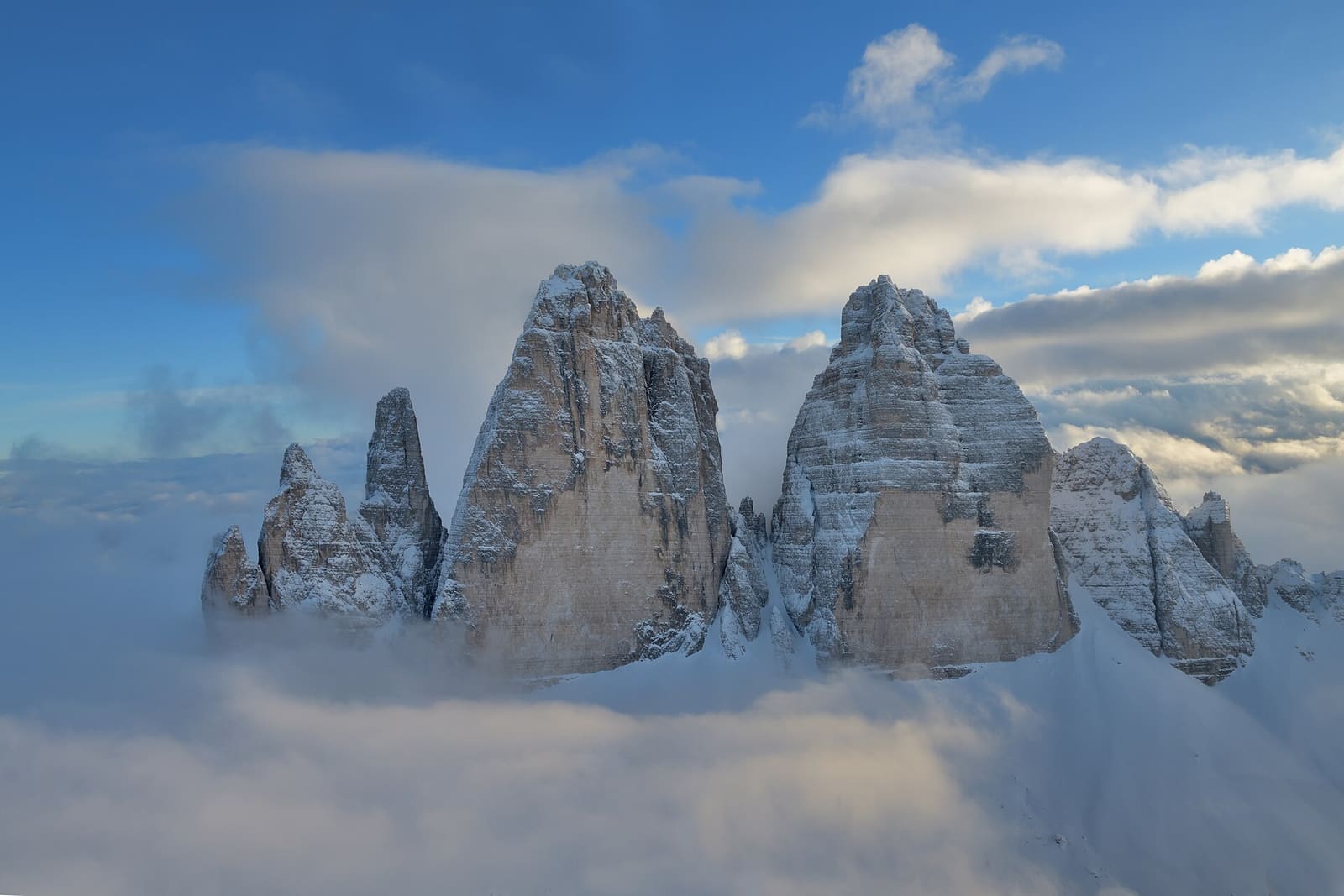
4. Tre Cime di Lavaredo (Dolomites, Italy)
- Approximate distance: about 10 km as a loop.
- Why it is special: a circuit around the three most famous rock towers in the Dolomites.
- Keep in mind: road access is by toll and fills up early in summer. The altitude is close to 2,400 m: the weather changes quickly.
What makes a route accessible is not just the trail, but the conditions on the day you do it.
5. Preikestolen (Norway)
- Approximate distance: about 8 km there and back.
- Why it is special: a rock platform that drops about 600 metres straight down into the Lysefjord.
- Keep in mind: the edge is unprotected. Off season (autumn to spring) the ground can be icy and daylight is short.
6. Lake Agnes Tea House (Banff, Canada)
- Approximate distance: about 7 km there and back from Lake Louise.
- Why it is special: emerald lakes and a historic tea house in the middle of the mountains.
- Keep in mind: this is bear country: learn what to do if you meet one. The car park fills up very early.
7. Laguna Torre (El Chaltén, Argentina)
- Approximate distance: about 18 km there and back.
- Why it is special: a glacial lagoon at the foot of Cerro Torre, one of the most impressive spires in the world.
- Keep in mind: Patagonian wind and sudden weather changes. Moderate ascent.
8. Tongariro Alpine Crossing (New Zealand)
- Approximate distance: about 19 km one way.
- Why it is special: craters, emerald lakes and active volcanic landscapes.
- Keep in mind: it is long and exposed to the weather; the park recommends preparing as for a mountain day. There are parking and transport rules.
9. Sentiero Azzurro (Cinque Terre, Italy)
- Approximate distance: about 12 km between Monterosso and Riomaggiore.
- Why it is special: a coastal path between colourful villages perched above the sea.
- Keep in mind: some sections require an access card and others may be closed because of landslides. Very hot in summer.
10. Mist Trail to Vernal Fall (Yosemite, USA)
- Approximate distance: about 5 km there and back.
- Why it is special: a climb up granite steps beside a waterfall, with rainbows on sunny days.
- Keep in mind: the steps are wet and slippery; do not go near the river above the waterfall.
Before any of them
- Check access, bookings and closures on the official website.
- Start early: you will avoid heat, storms and crowds.
- Bring water, layers and food, even if it seems like a short outing.
- Respect your limits and those of your group.
If you are just starting out, first read how to prepare your first mountain hike. And if you are looking for a multi-day challenge, the Tour du Mont Blanc is the natural next step.
Sources and references
- Caminito del Rey – Official website
- Ordesa y Monte Perdido National Park
- Parks Canada – Banff
- Department of Conservation (New Zealand)
This is original editorial content based on the sources cited. Spotted a mistake? Let us know and we will fix it under our corrections policy.