The Torres del Paine W Trek: the Patagonian traverse you need to plan months ahead
Glaciers, turquoise lakes and the three granite towers at sunrise. The W is one of the most spectacular treks in the world, but you need to book well in advance and respect the Patagonian wind.
Route fact sheet
W Trek (Torres del Paine)
Chile · Magallanes Region, Patagonia
Indicative figures. Distances, elevation gain and times vary with variants, trail conditions and weather. Always check official information and the forecast before you set off. Official source: CONAF – National Forest Corporation (Chile).
- Distance
- 75 km
- Elevation gain
- 2,800 m
- Duration
- 4–5 days
- Difficulty
- Moderate
- Route type
- Multi-stage trek
- Best season
- October to April (austral summer); December–February is peak season
Highlights
- Base Las Torres viewpoint, at the foot of the three granite towers
- The French Valley and its hanging glaciers
- Grey Glacier and the icebergs in its lake
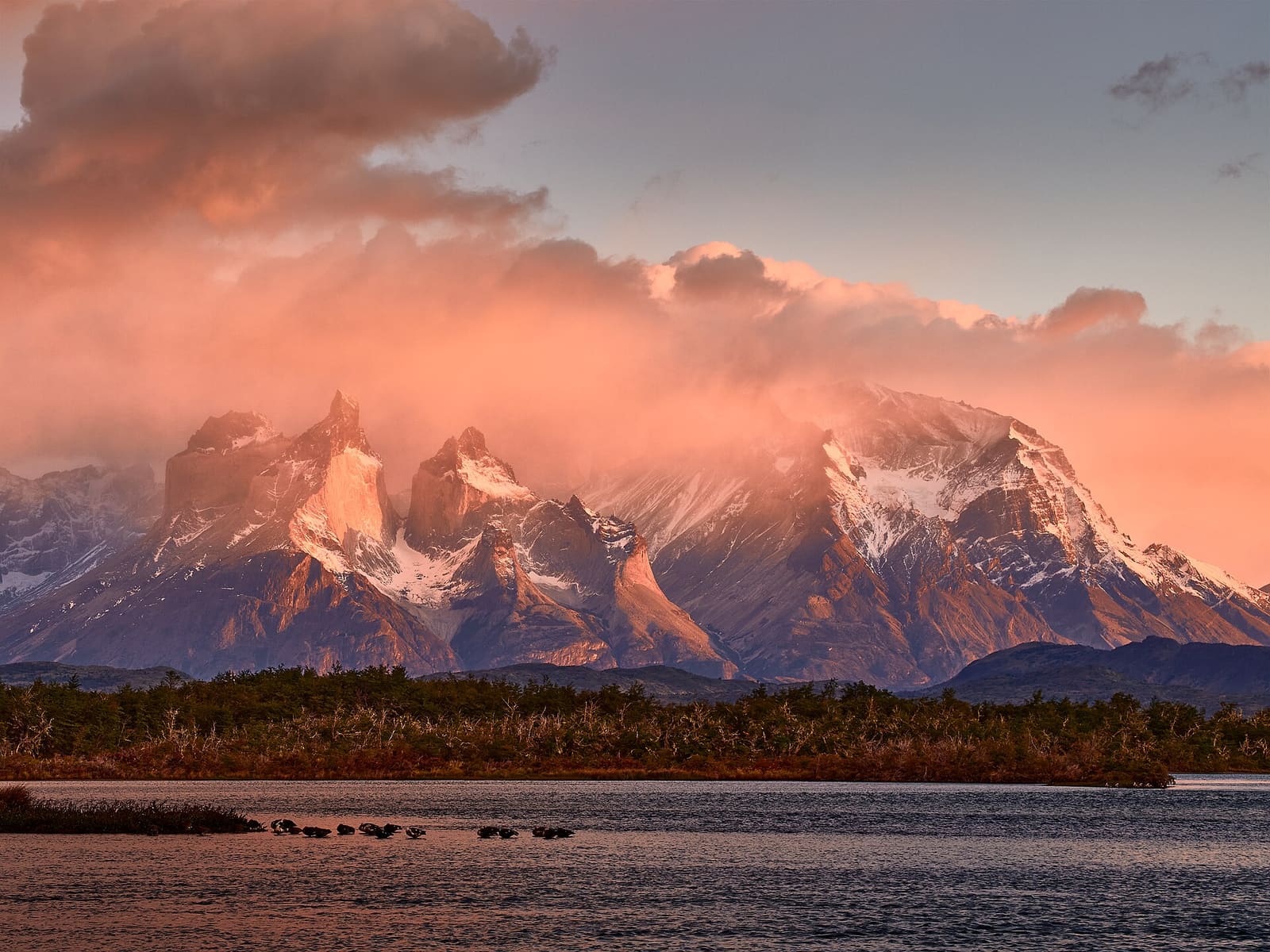
- Lake Nordenskjöld and the Cuernos del Paine
Precautions
- Very strong, gusty wind: it can knock you off balance on exposed sections.
- Sudden weather changes within hours, with rain and cold even in summer.
- The final climb to the Las Torres viewpoint is steep and rocky.
- Fires are forbidden outside designated areas: the park has suffered serious wildfires.
- Respect any trail cut-off times set by the park.
Recommended gear
- Good-quality waterproof jacket and trousers
- Warm layers and a hat (in summer too)
- Trekking boots and poles
- A wind-resistant tent if you camp at paid campsites
- Bags to carry out all your rubbish
Gallery
-

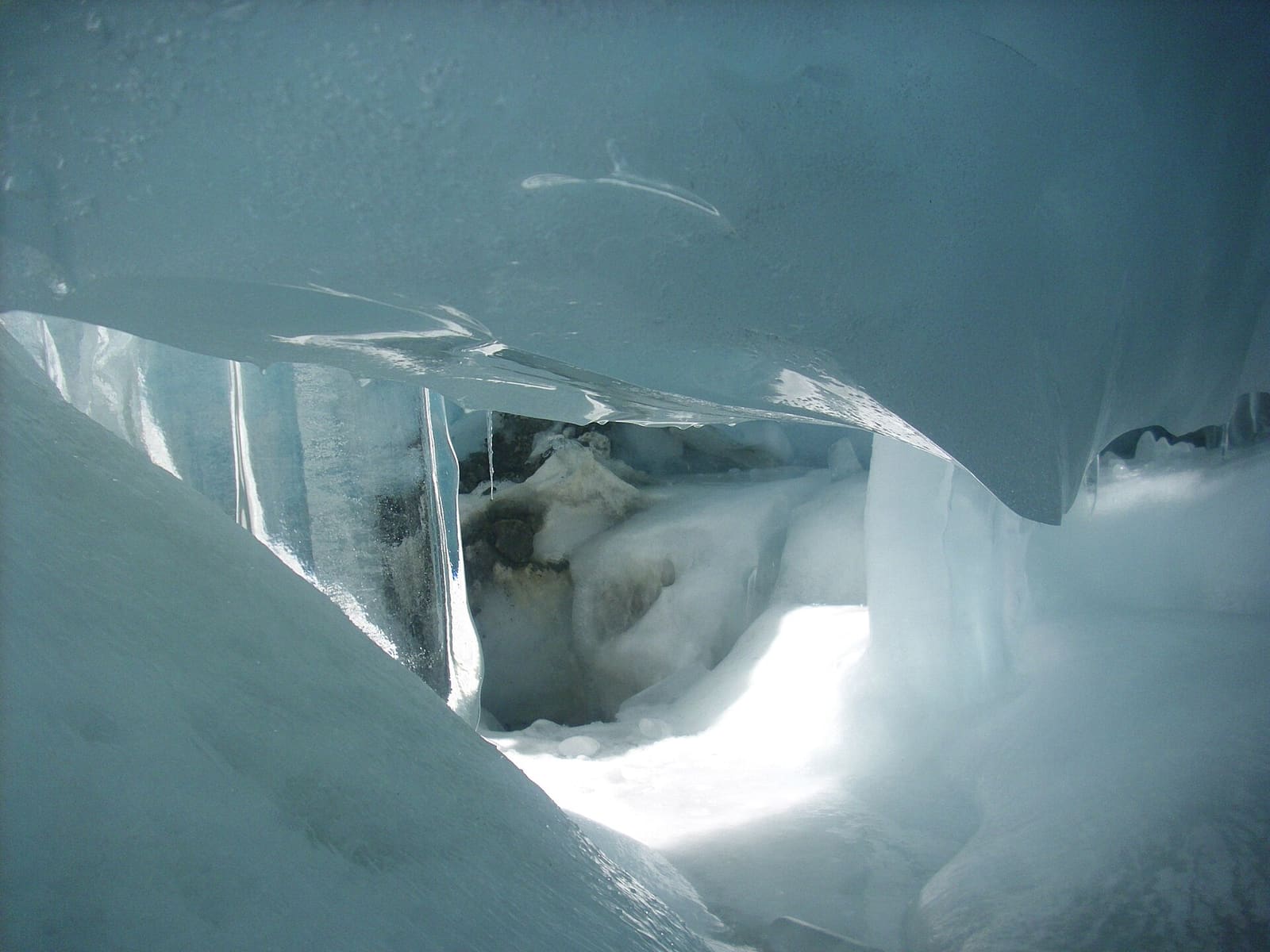
The front of Grey Glacier. -

The French Valley. -

The Cuernos above Lake Nordenskjöld.
Few places pack so much beauty into so little space as Torres del Paine National Park, in Chilean Patagonia. The W Trek —named after the shape it draws on the map— visits its three great jewels: the Towers, the French Valley and Grey Glacier. It is within reach of hikers used to long routes, but it demands something often forgotten: planning.
The essentials
- Distance: between 70 and 80 km depending on variants, start and finish.
- Duration: usually 4–5 days.
- Difficulty: moderate; no technical sections, but long days, steep climbs and wind.
- Accommodation: campsites and refugios with mandatory booking.
It is usually walked from east to west (or the other way round), with transfers by bus and on the Lake Pehoé catamaran.
Bookings come first
In Torres del Paine wild camping is not allowed. To spend the night on the route you need a booking at the campsites or refugios, run by different concessions and by CONAF. In peak season, places sell out far in advance. Without a booking you will not be able to do the trek with overnight stays, so this is the first step, even before buying flights.
Rules, prices and operators change from one season to the next: always check the official information from the park and CONAF.
Suggested itinerary (east → west)
- Day 1: Access to the Las Torres sector and climb to the Base Las Torres viewpoint. Many go at sunrise to see the towers turn red.
- Day 2: Walk along Lake Nordenskjöld, with the Cuernos del Paine ahead.
- Day 3: Into the French Valley, with hanging glaciers and ice avalanches that sound like thunder.
- Day 4: Towards Lake Grey and the glacier front.
- Day 5: Return and departure by catamaran or bus.
The wind is in charge
The Patagonian wind is legendary. Gusts can exceed 100 km/h, especially in open areas and beside the lakes. Some tips:
- Start early: the wind often picks up during the day.
- On exposed sections, crouch down and use your poles during gusts.
- Secure everything in your pack.
- Pitch your tent (if camping) on the sheltered platforms and use every guy line.
In Patagonia there is no infallible forecast: you can live all four seasons in one afternoon.
Best time of year
The main season runs from October to April. December to February offers more daylight and is the busiest period. October–November and March–April are quieter; in autumn (April) the colours of the lenga trees are spectacular, but the weather is colder.
Essential gear
Beyond the usual trekking kit, the priority is protection from water and wind: a reliable waterproof jacket and trousers, warm layers (learn how to combine them in how to dress in layers) and a hat and gloves, even in summer.
A park to look after
Torres del Paine has suffered serious wildfires caused by visitors. Fire rules are strict and breaking them is penalised. Carry out all your rubbish and stay on the trails.
If great Patagonian landscapes appeal to you, in 10 places where nature is still wild we talk about the Ice Fields that stretch out very close to here.
Sources and references
This is original editorial content based on the sources cited. Spotted a mistake? Let us know and we will fix it under our corrections policy.