Tour du Mont Blanc: walking around the roof of Western Europe in 10 stages
Three countries, a dozen passes and Mont Blanc always on the horizon. The TMB is probably Europe's most famous trek: demanding for its total ascent, but with no technical sections on its classic route.
Route fact sheet
Tour du Mont Blanc (TMB)
France, Italy and Switzerland · Mont Blanc massif
Indicative figures. Distances, elevation gain and times vary with variants, trail conditions and weather. Always check official information and the forecast before you set off. Official source: Chamonix-Mont-Blanc Tourist Office.
- Distance
- 170 km
- Elevation gain
- 10,000 m
- Highest point
- 2,537 m
- Duration
- 10–12 days
- Difficulty
- Moderate
- Route type
- Loop
- Best season
- Mid-June to mid-September
- Start (approx.)
- Les Houches (France)
45.890, 6.799
Highlights
- Constant views of Mont Blanc and the glaciers of its south side from the Italian Val Ferret
- Col de la Seigne, the border pass between France and Italy
- Grand Col Ferret, between Italy and Switzerland (about 2,537 m), the high point of the classic route
- Lac Blanc and the Balconies of the Chamonix valley
- Alpine villages such as Courmayeur, Champex and Les Contamines
Precautions
- Lingering snowfields on passes early in the season: check before you set off.
- Afternoon storms are common in summer: start your stages early.
- Some variants (such as the Fenêtre d'Arpette) are harder and more exposed than the main route.
- Metal ladders and handrails on certain sections of some variants on the French side.
- Check for temporary closures due to rockfall or maintenance.
Recommended gear
- Trekking boots with a good sole and poles
- Layered clothing, waterproofs and a light down jacket
- A sleeping bag liner for huts
- A 1:25,000 map or downloaded track
- Cash for some huts
Map
Gallery
-
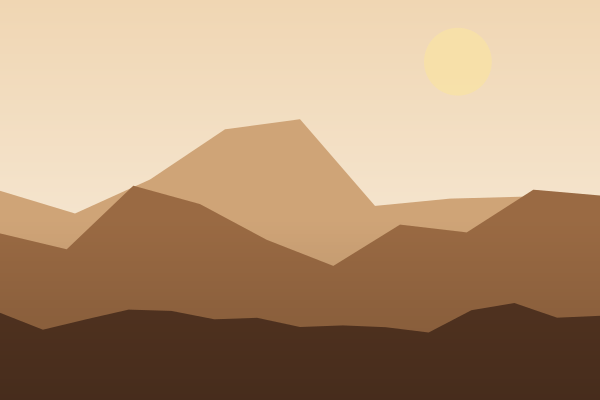
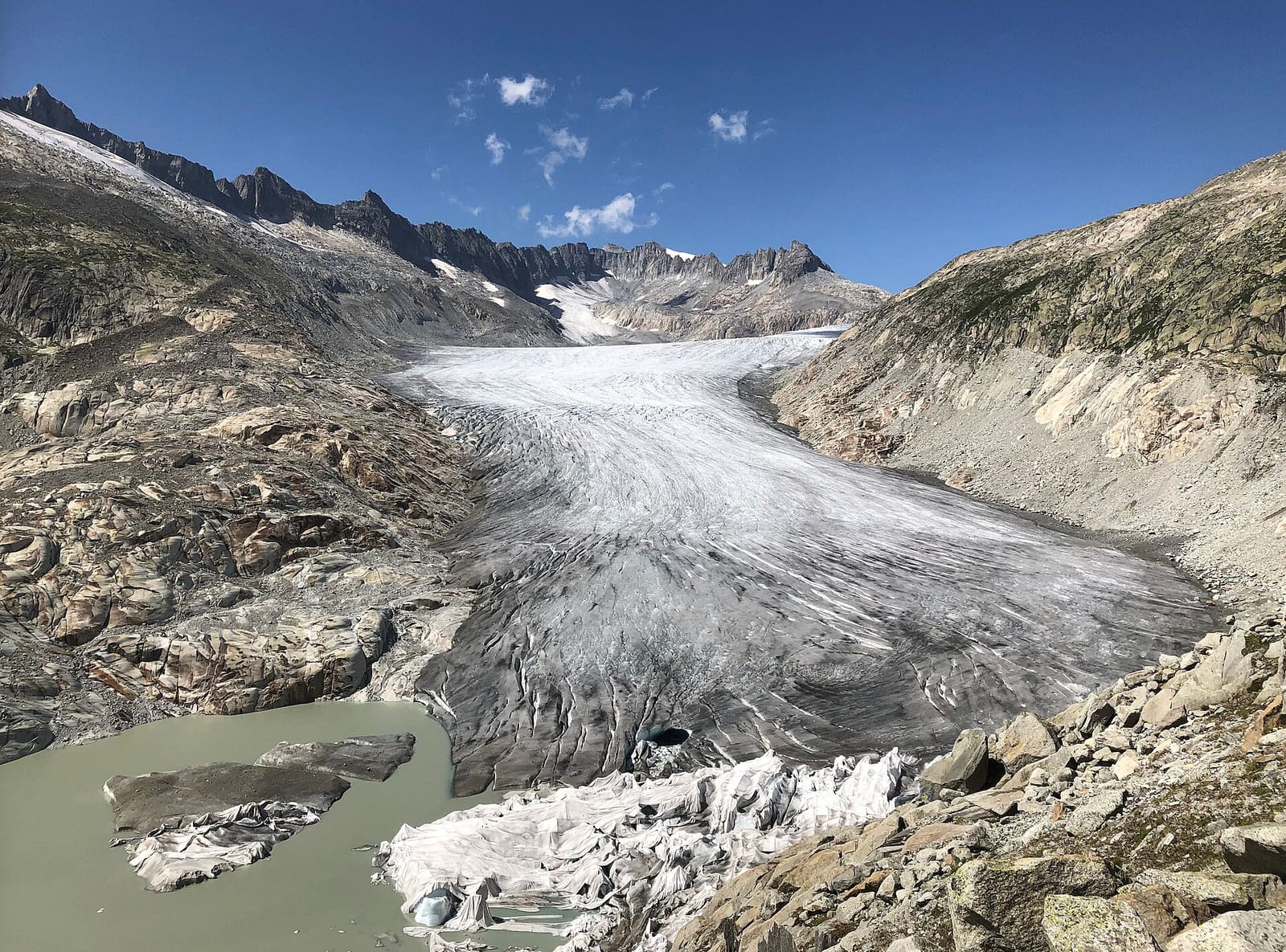
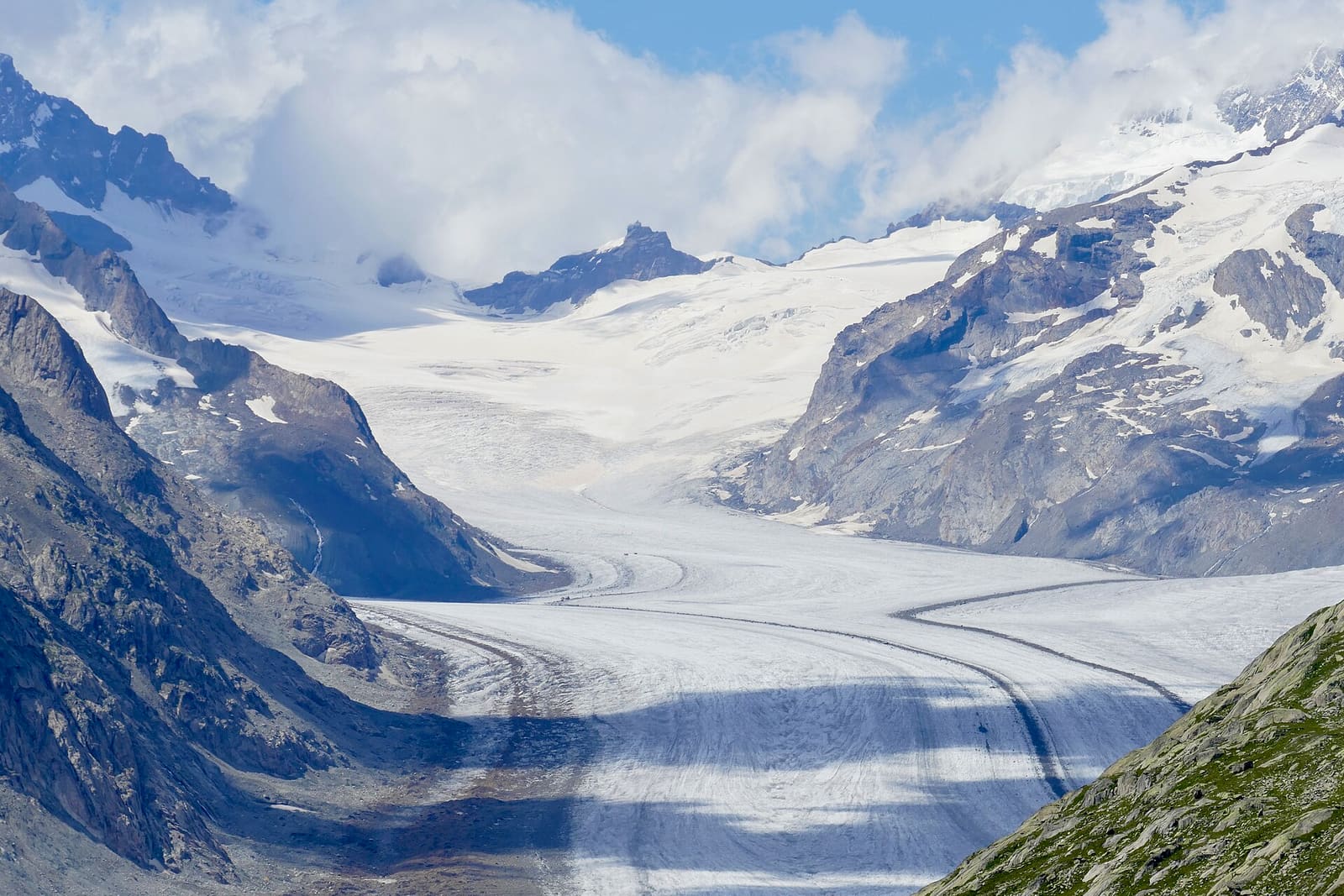
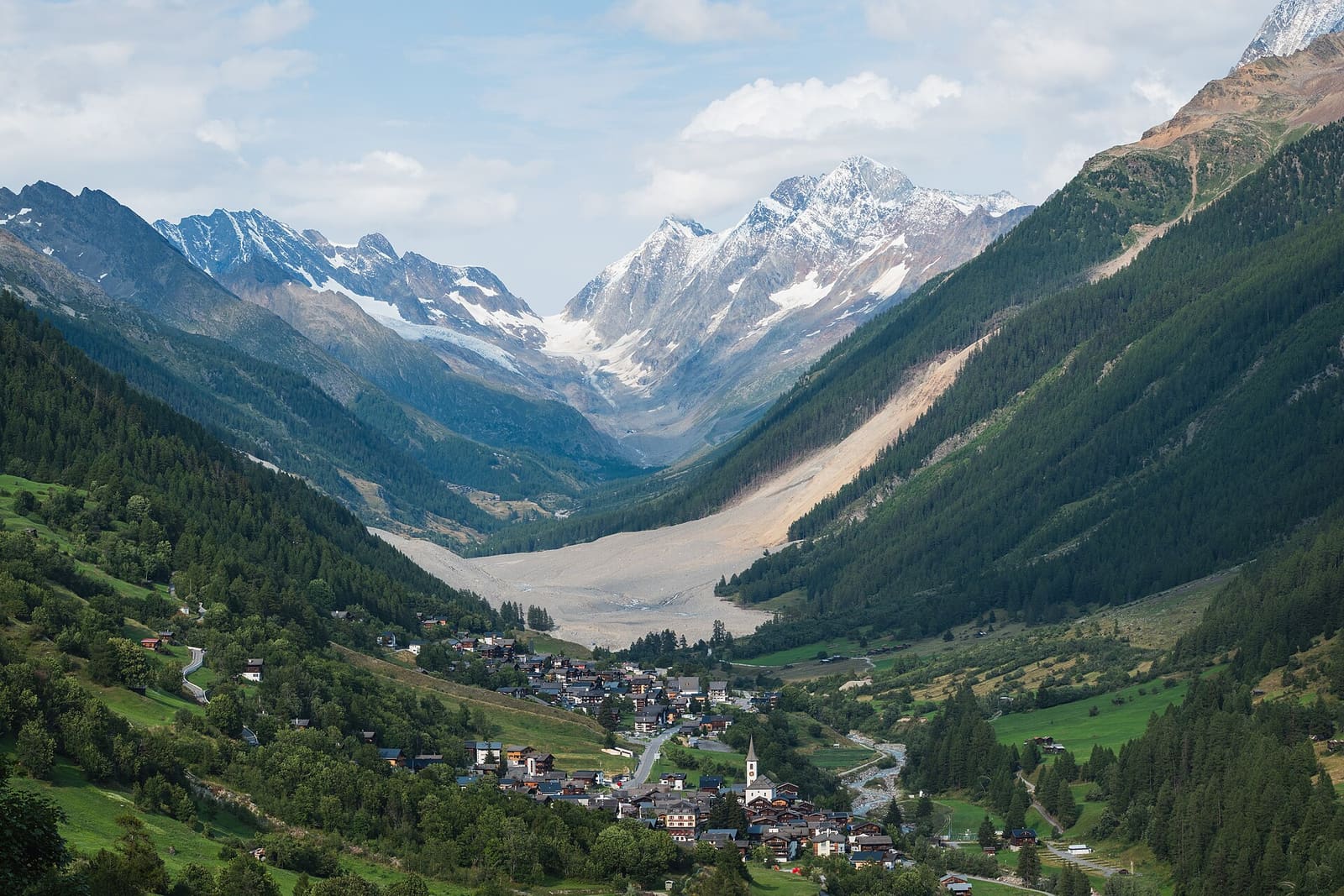
The passes set the rhythm of each stage. -

Huts are an essential part of the experience. -

The lakes of the Chamonix Balconies.
Few treks are as famous as the Tour du Mont Blanc (TMB). It goes all the way around the highest massif in the Alps, crossing France, Italy and Switzerland, on well-marked trails, with huts and villages to sleep in every night. It needs no climbing technique on its classic route, but it does demand something many people underestimate: the stamina to string together ten days of climbs and descents.
The essentials
The classic route covers about 170 kilometres and around 10,000 metres of total ascent (and as much descent). The figures vary with the variants you choose. Most people complete it in 10 or 11 stages, although some do it faster with long days and others stretch it out to enjoy it.
It is traditionally walked anticlockwise from Les Houches, near Chamonix, although any point on the loop can serve as a start.
Suggested stages (anticlockwise)
| Stage | Route | Highlights |
|---|---|---|
| 1 | Les Houches → Les Contamines | Col de Voza, first views of glaciers |
| 2 | Les Contamines → Les Chapieux | Col du Bonhomme and Col de la Croix du Bonhomme |
| 3 | Les Chapieux → Rifugio Elisabetta | Col de la Seigne: into Italy |
| 4 | Elisabetta → Courmayeur | Val Veny, views of Mont Blanc’s south face |
| 5 | Courmayeur → Rifugio Bonatti | The balcony of the Italian Val Ferret |
| 6 | Bonatti → La Fouly | Grand Col Ferret: into Switzerland |
| 7 | La Fouly → Champex | Swiss villages and Lake Champex |
| 8 | Champex → Trient | Variant via Bovine or, harder, the Fenêtre d’Arpette |
| 9 | Trient → Tré-le-Champ | Col de Balme: back into France |
| 10 | Tré-le-Champ → La Flégère / Les Houches | Lac Blanc and the Chamonix Balconies |
The split is only a guide: there are many combinations depending on where you sleep and which variants you choose.
How hard is it?
For someone used to walking in the mountains, the TMB is moderate to demanding. It is not technical, but:
- Each day has between 800 and 1,500 metres of ascent and descent.
- Stages usually take 6–8 hours.
- Fatigue builds up; your knees suffer on the descents.
If you have never done several mountain days in a row, prepare during the season with weekend outings with climbing and a loaded pack.
The TMB does not demand technique, it demands consistency: the key is reaching day six with legs left.
Huts and logistics
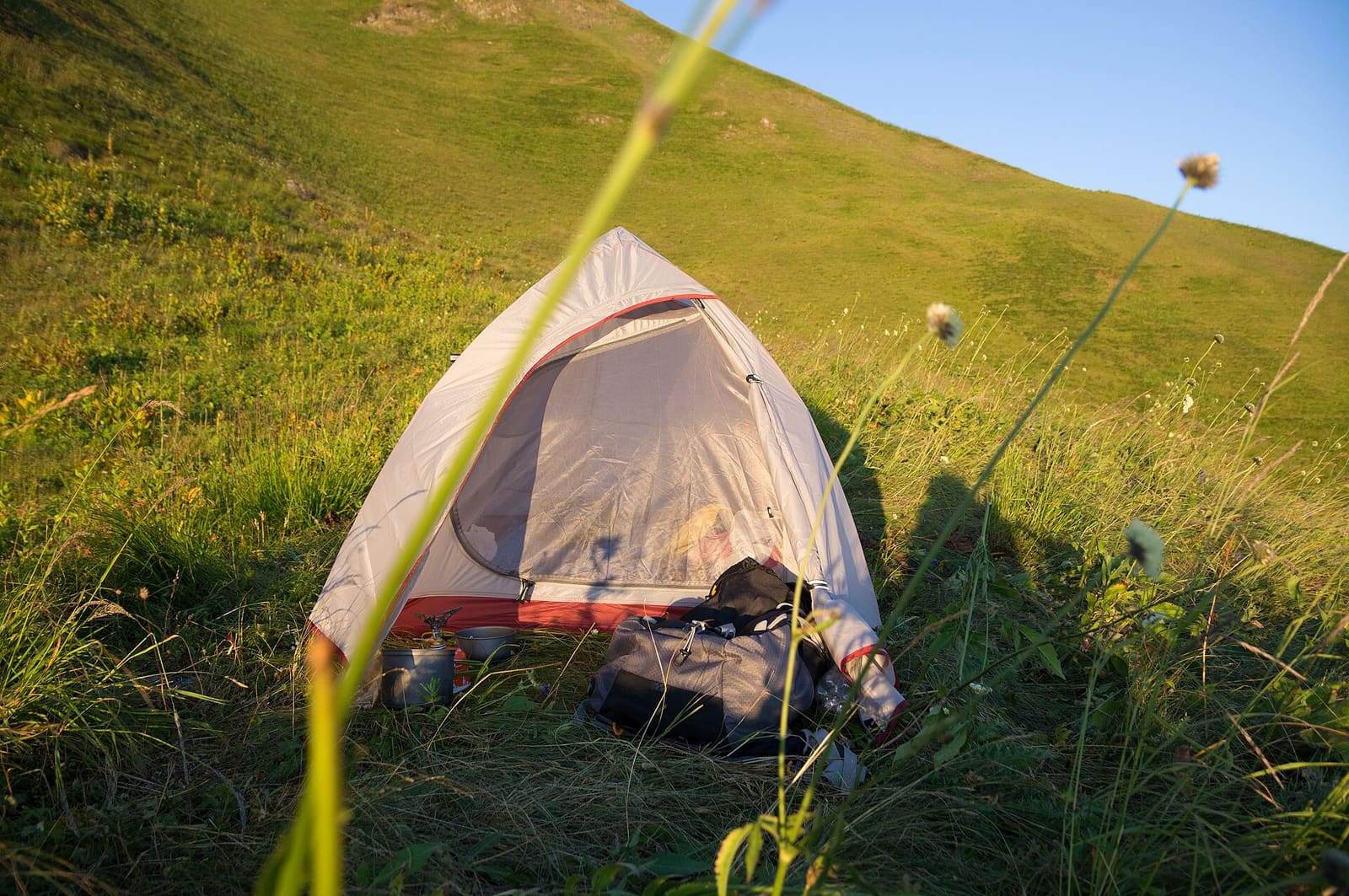
In July and August, TMB huts and accommodation fill up. It is common to book months in advance. Many offer half board. Bring a sleeping bag liner and some cash. If you want more independence, check the rules on bivouacking and camping, which differ in each country and even each municipality; on many sections it is restricted. Our list of gear for sleeping in the mountains will give you a starting point.
Best time of year
The usual season runs from mid-June to mid-September. In early summer there may be snowfields on the highest passes; at the end of the season, some huts start to close. August is the busiest month.
Footwear and gear
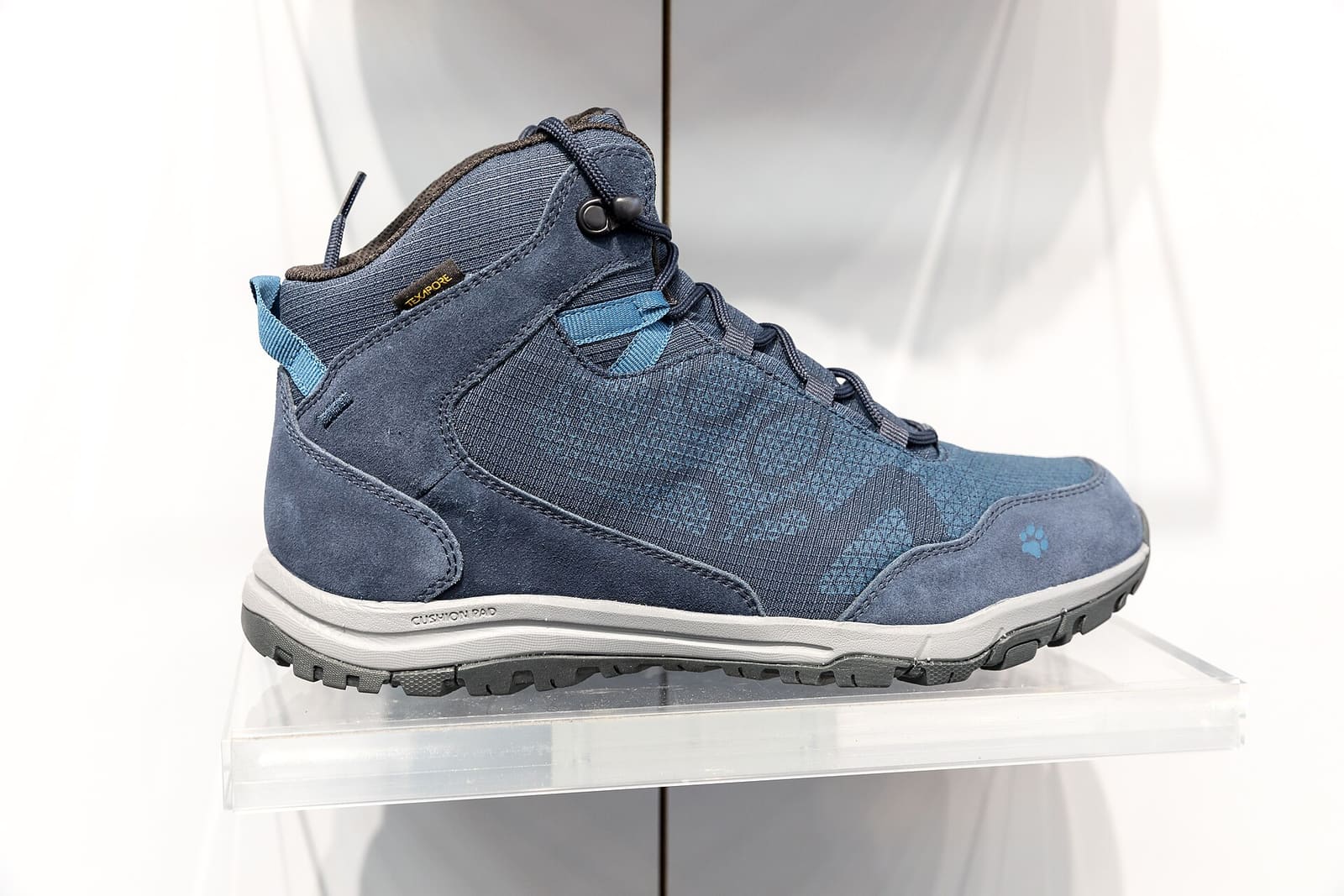
Good mid-cut trekking boots are the most common choice; we explain why in how to choose mountain boots. Poles help a lot on the descents.
Alternatives if you want something shorter
If you do not have ten days, you can do individual sections, such as the Chamonix Balconies or the Italian Val Ferret. And if you are looking for other great treks, see Iceland’s Laugavegur or our selection of spectacular routes that need no professional experience.
Sources and references
This is original editorial content based on the sources cited. Spotted a mistake? Let us know and we will fix it under our corrections policy.