How to choose mountain boots: a buying guide by type of route
There is no such thing as the best mountain boot: there is the best one for your foot and the kind of routes you do. We explain what to look for, how to try them on and the most common buying mistakes.
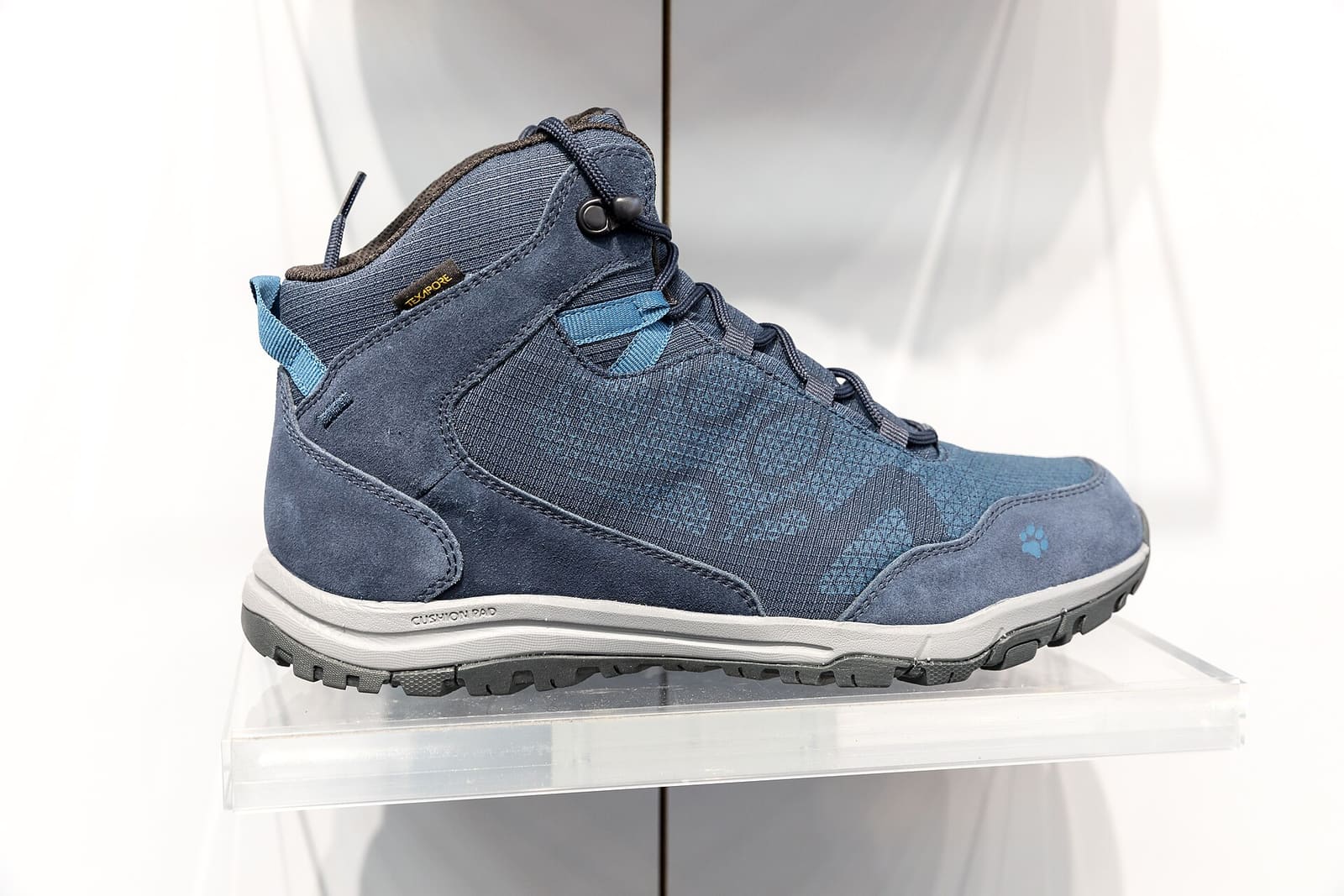
Footwear is the piece of gear that most affects how you experience a route. Boots that rub, slip or do not protect enough can turn a fantastic day into an ordeal. This guide will not tell you which model to buy —we do not review products we have not tested— but it will show you how to choose wisely.
1. Start with the terrain, not the shop
Ask yourself:
- Where will you walk? Clean trails, scree, mud, snow, glacier.
- How much weight will you carry? A day pack or a multi-day pack.
- How many days in a row?
- What time of year? Heat, rain, cold.
With that, footwear falls into three broad families.
2. The three main types
Hiking shoe or low-cut boot
Light and flexible. Ideal for well-marked trails, good weather and a light pack. It offers little ankle protection and lets in water and stones.
Mid-cut trekking boot
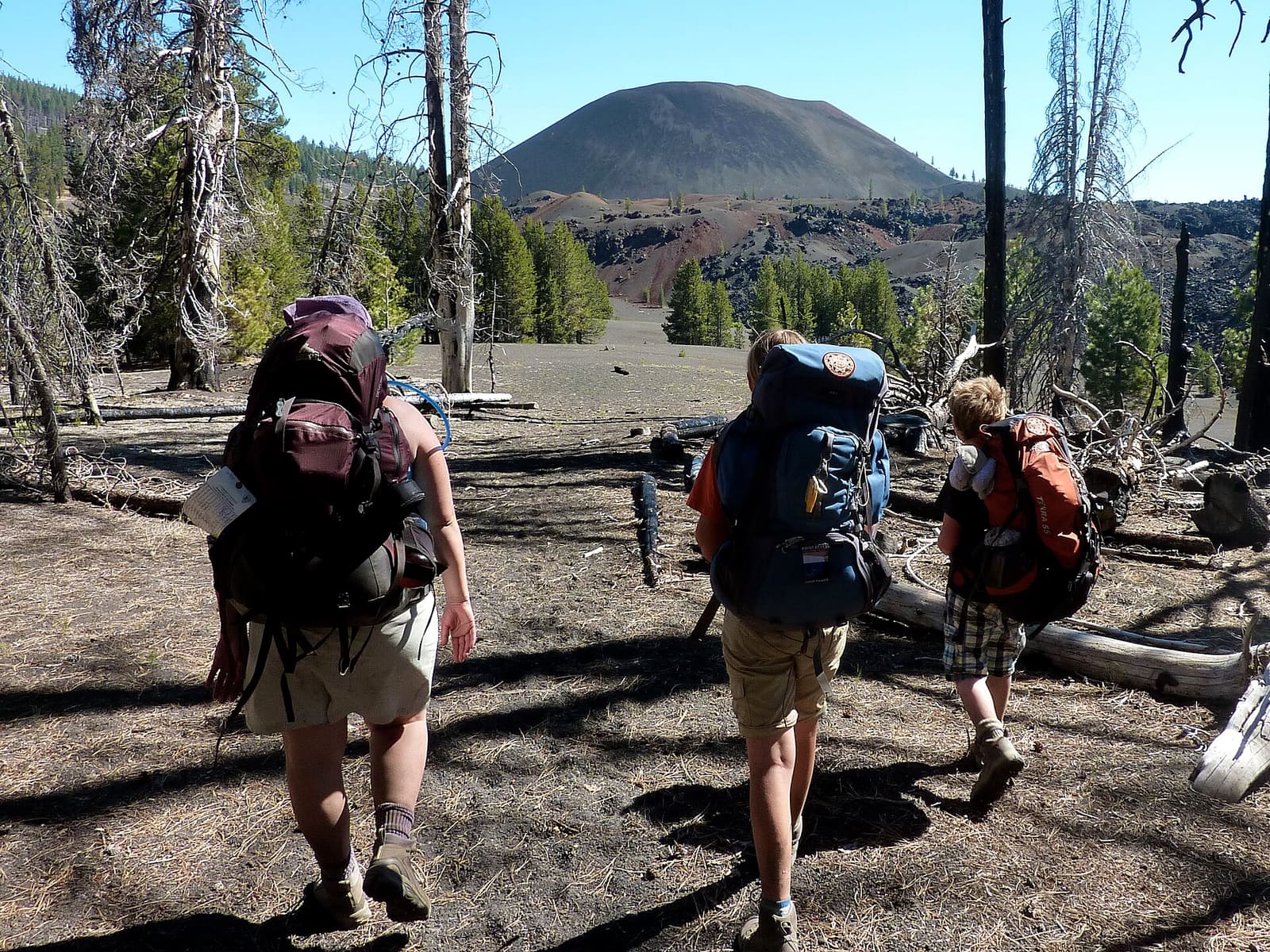
The most versatile. It supports the ankle, protects against knocks and mud, and handles heavier packs. It is the usual choice for treks such as the Tour du Mont Blanc.
Mountaineering boot
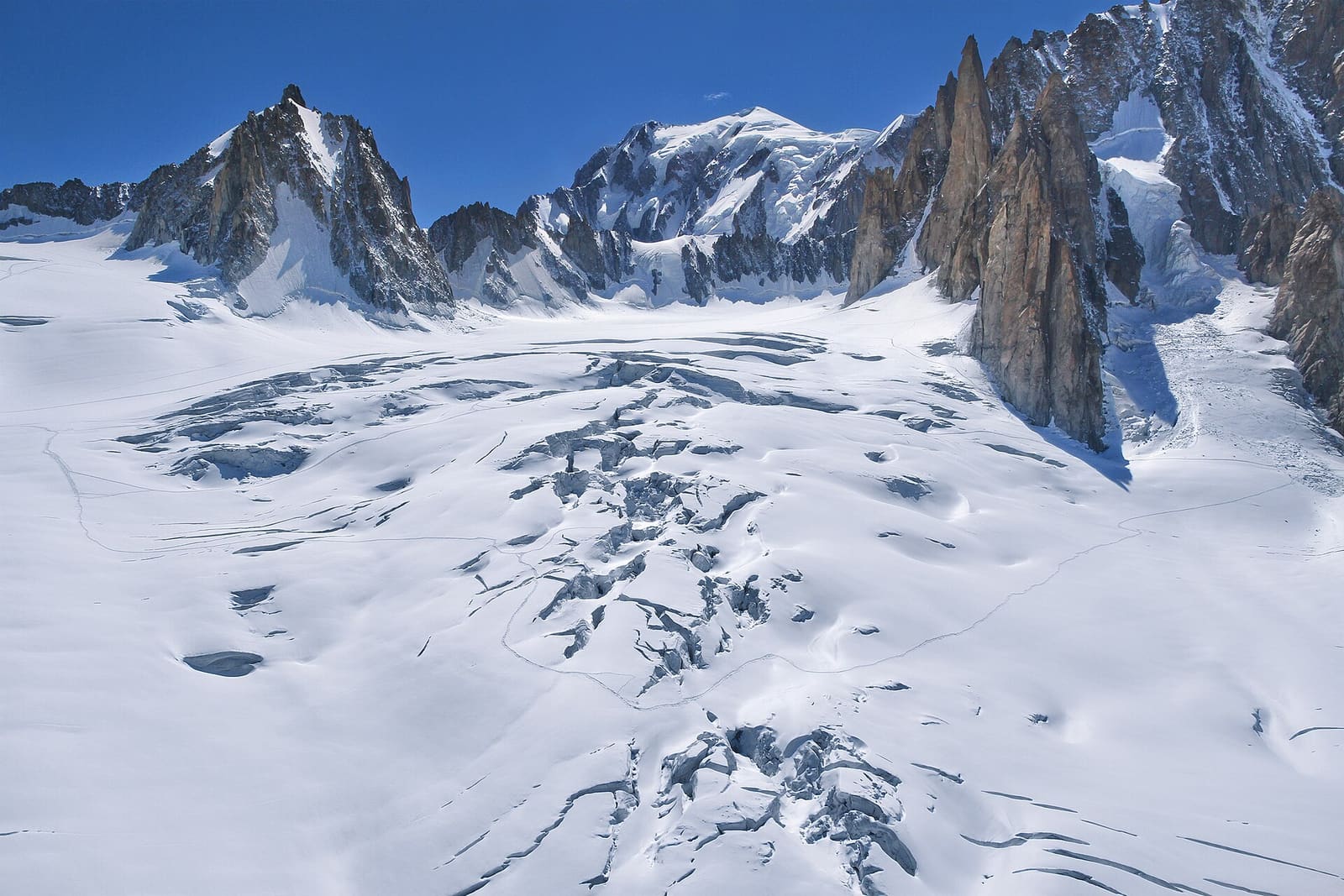
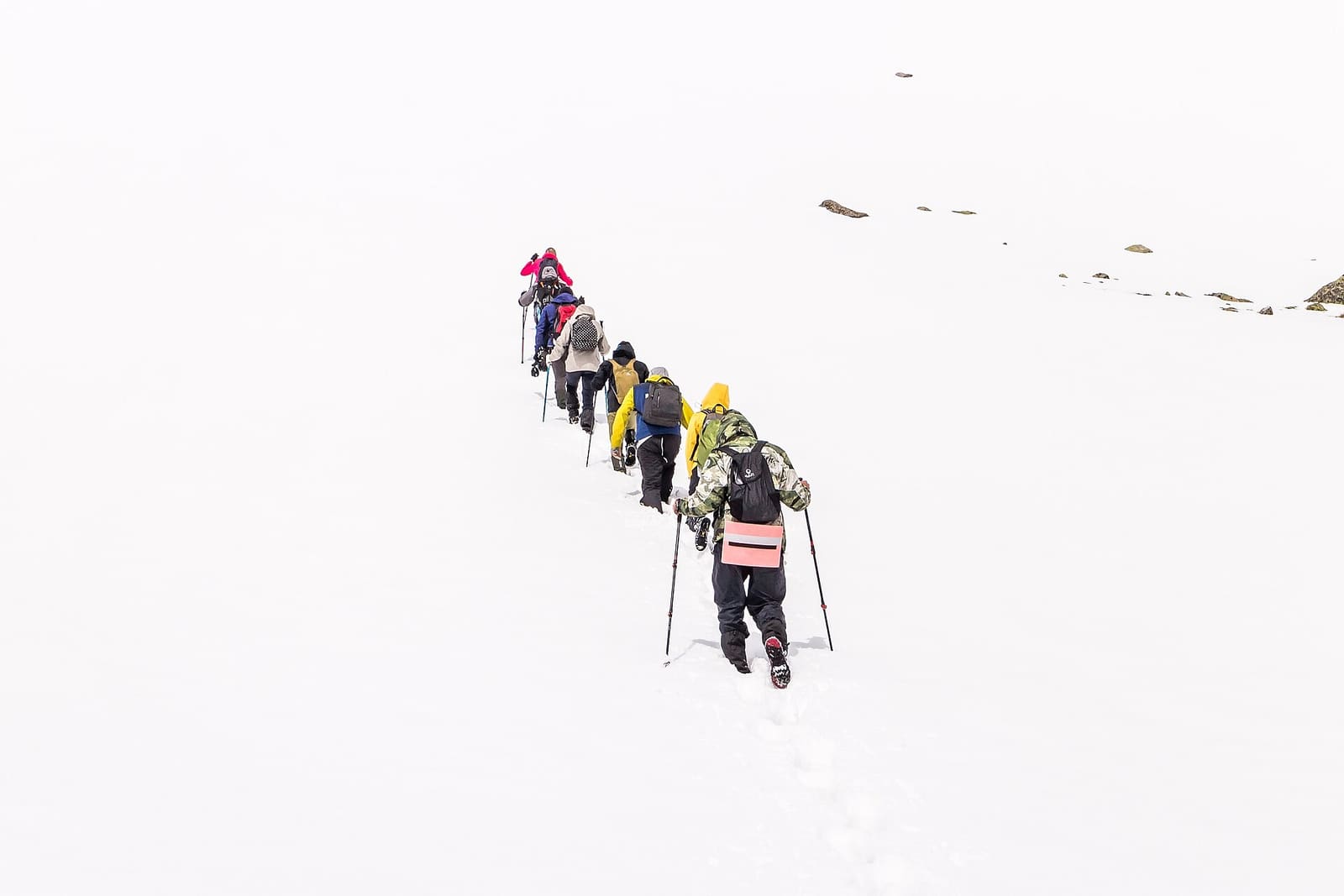
Stiff, sturdy and often crampon-compatible. For snow, glaciers and technical terrain. Heavy and uncomfortable on easy trails.
At the end of the article you will find a comparison by product type.
3. Stiffness and crampons
Sole stiffness determines stability on uneven ground and crampon compatibility. Many manufacturers use an approximate rating:
| Boot rating | Typical use | Compatible crampon |
|---|---|---|
| B0 | Hiking, no crampons | None (or light microspikes) |
| B1 | Winter trekking, easy snow | C1 (strap-on) |
| B2 | Classic mountaineering | C1 and C2 (semi-automatic) |
| B3 | Technical mountaineering, ice | C1, C2 and C3 (automatic) |
Always check compatibility with the boot and crampon manufacturers.
4. Waterproof membrane or not?
- With a membrane: keeps your foot dry in rain, mud or snow. Slightly warmer.
- Without a membrane: more breathable and dries faster if it gets wet. A good option for dry summers or terrain with frequent stream crossings.
No membrane will stop water getting in from the top if it rises above the cuff.
5. How to try them on
- Go in the afternoon, when your feet are more swollen.
- Bring your mountain socks (and insoles if you use them).
- Leave room at the front: with the boot unlaced, push your foot towards the toe; you should be able to fit a finger behind your heel.
- Lace them up properly and walk, up and down ramps if the shop has them. Your heel should not lift and your toes should not touch the front on the way down.
- Try several models and sizes: each last suits different feet.
6. Common mistakes
- Buying for looks or on a recommendation without trying them on.
- Choosing a mountaineering boot “just in case” for easy trails.
- Breaking them in on a long route. Wear them on short walks first.
- Neglecting them: clean them, dry them away from direct heat and check the sole.
7. When to replace them
When the sole has lost its tread, the cushioning has flattened or the structure no longer supports you. Some quality boots can be resoled, which extends their life and reduces waste.
Complete your kit with a good clothing system: how to dress in layers.
Options by product type
Low-cut footwear
Low-cut hiking shoe or boot
Light, flexible footwear with a moderate lug sole, designed for well-marked trails and day hikes.
Best for: Low and mid-mountain hiking in good weather
Pros
- Light and comfortable from day one
- More breathable than a boot
- Great on dry ground and clean trails
Cons
- Little ankle protection
- Lets in water and stones easily
- Sole not enough for long scree slopes
Mid-cut footwear
Mid-cut trekking boot
The most versatile middle ground: supports the ankle, keeps out mud and water and stays flexible enough for long days on foot.
Best for: Multi-day treks, varied terrain and medium loads
Pros
- More ankle support and protection
- More stable with a loaded pack
- Handles mixed terrain and mud
Cons
- Heavier and warmer in summer
- Needs a break-in period
- With a membrane, dries slowly if wet inside
High-cut, stiff-soled footwear
Rigid mountaineering boot
Sturdy boot with a rigid or semi-rigid sole, crampon compatible, for technical terrain, snow and glaciers.
Best for: High mountains, snow, glaciers and alpine routes
Pros
- Crampon compatible (depending on model)
- Maximum protection and precision on technical ground
- Insulated
Cons
- Heavy and uncomfortable on easy trails
- Expensive
- Requires experience to get the most out of it
Quick comparison
| Feature | Low-cut hiking shoe or boot | Mid-cut trekking boot | Rigid mountaineering boot |
|---|---|---|---|
| Best for | Low and mid-mountain hiking in good weather | Multi-day treks, varied terrain and medium loads | High mountains, snow, glaciers and alpine routes |
| Cut | Low | Mid | High |
| Sole stiffness | Flexible | Semi-rigid | Rigid |
| Indicative weight | Light | Medium | Heavy |
| Membrane | Optional | Common | — |
| Crampon compatibility | — | — | Model dependent (B1-B3) |
| Price | Entry to mid range | Mid range | High end |
| Where | View at NMshop | View at NMshop | View at NMshop |
Sources and references
This is original editorial content based on the sources cited. Spotted a mistake? Let us know and we will fix it under our corrections policy.