Mountain outfits: what to wear by route and season (6 combinations that work)
Dressing for the mountains is not about fashion, but you do not need to look like you are in costume either. Six practical combinations by type of route and time of year, item by item, with ideas on where to buy them.
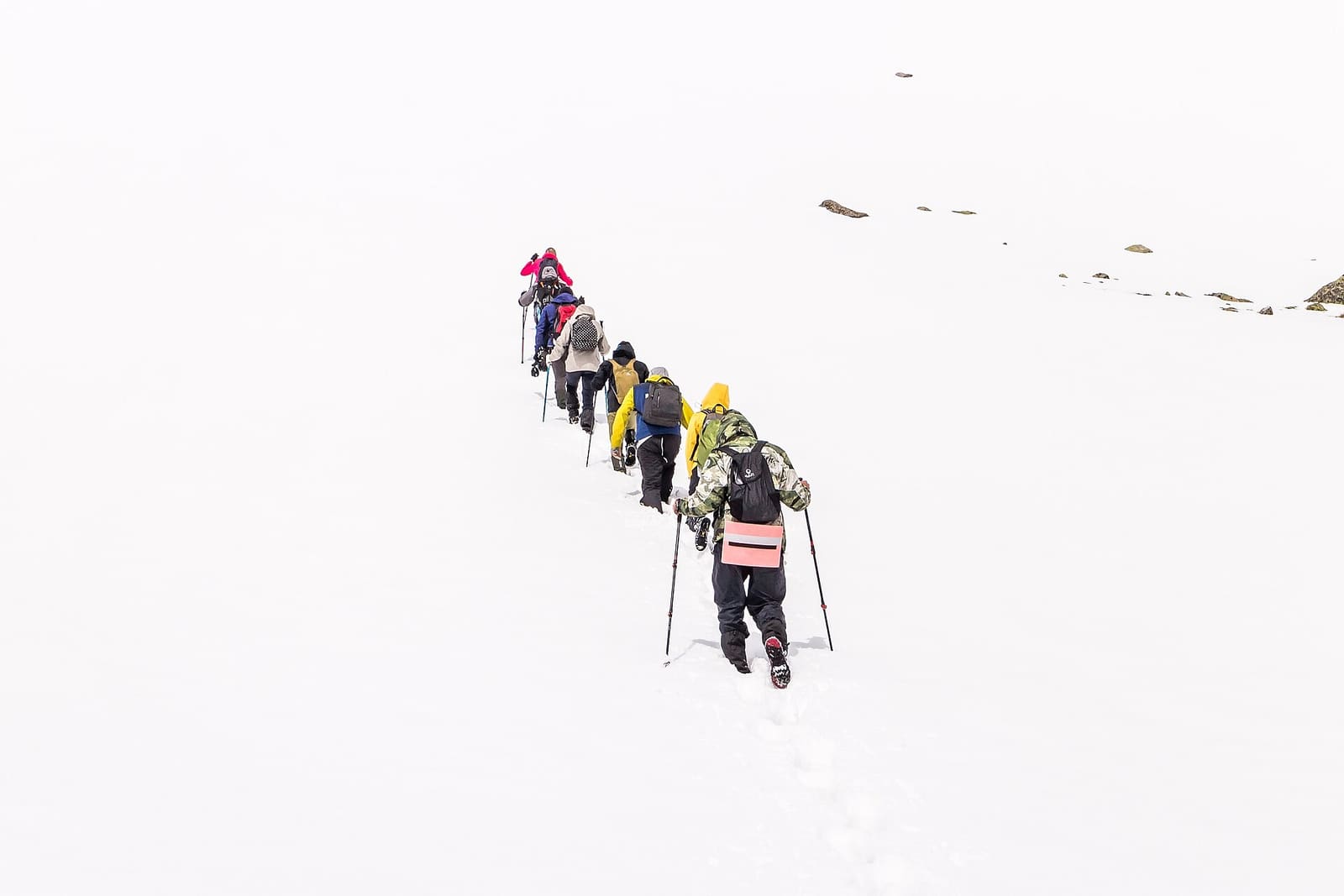
The question “what should I wear?” exists in the mountains too, and it has more consequences than in the city: a bad choice can mean blisters, cold, sweat that chills you on the summit or a jacket that soaks through in the first storm. The good news is that some combinations work almost every time. Here are six outfits by route and season, item by item.
Before we start, a golden rule: think in layers, not individual garments. If you want the full explanation, you will find it in how to dress in layers.
Transparency: in this guide we link to NMshop, the outdoor gear store run by Altavia’s publisher, and to Amazon searches with an affiliate link. This does not affect the recommendations: what matters is the type of garment, not the brand.
1. Summer hiking in the hills
For day hikes in heat and sun at low altitude.
- Top: a short-sleeved technical T-shirt, breathable and quick-drying (technical tops at NMshop · see on Amazon).
- Bottom: quick-drying shorts or zip-off trousers (hiking trousers).
- Feet: hiking or trail shoes with a good sole and thin technical socks (footwear).
- Head: a cap or wide-brimmed hat and sunglasses (accessories).
- In the pack: a light windproof jacket and a thin layer in case it is windy on top.
Tip: zip-off trousers work all year round: shorts in the sun, long when it cools down or there is undergrowth.
2. Spring and autumn
The weather changes more than ever: cold mornings, mild middays and possible showers.
- Base layer: a thin long-sleeved technical top.
- Mid layer: a light fleece or thin insulated jacket (jackets at NMshop).
- Outer layer: a waterproof, breathable jacket in your pack (see waterproof jackets on Amazon).
- Bottom: long hiking trousers, ideally with some stretch.
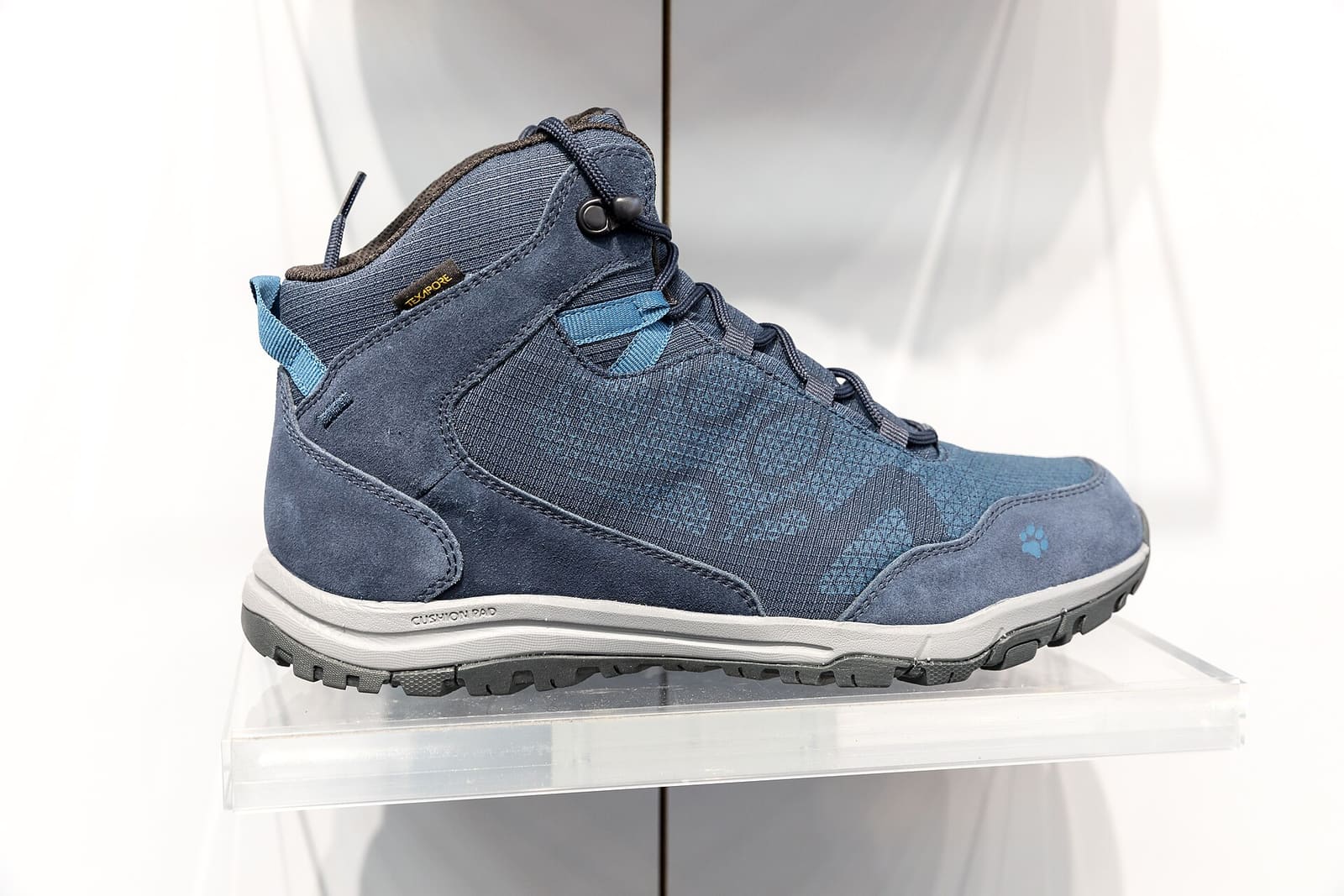
- Feet: mid-cut boots or sturdy shoes, depending on the terrain. We help you choose in how to choose mountain boots.
- Extras: a thin hat and light gloves. They take up no space and save a windy summit.
3. Rainy day
If the forecast says rain (and no thunderstorms; if there are, better change your plans):
- Outer layer: a waterproof jacket with an adjustable hood and, if the rain will last, waterproof overtrousers (see overtrousers on Amazon).
- Underneath: a synthetic base layer, no cotton. No mid layer while walking, so you do not sweat too much.
- Feet: footwear with a waterproof membrane and gaiters if there is mud or long grass (accessories and gaiters).
- Pack: a rain cover or dry bags inside (backpacks).
4. Winter and snow (snowshoeing or winter walks)
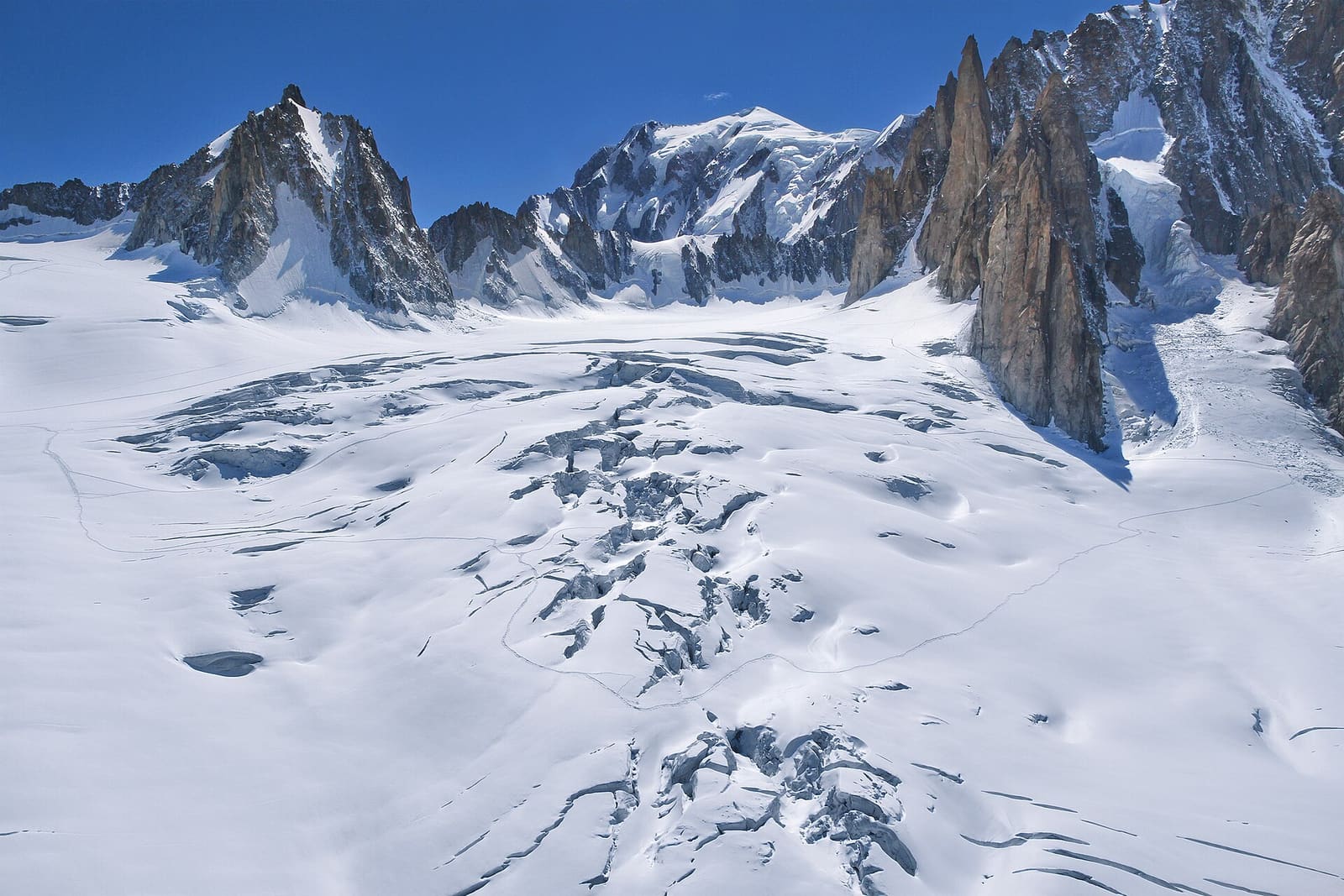
For winter routes without technical terrain. If there are icy slopes, the outfit is not enough: you need training and specific gear.
- Base layer: thermal top and leggings (merino wool or thick synthetic) (see thermal clothing on Amazon).
- Mid layer: a thick fleece or softshell.
- Outer layer: a waterproof, windproof jacket; at breaks, a down or synthetic insulated jacket (jackets).
- Bottom: winter or softshell trousers, with gaiters if there is soft snow.
- Feet: waterproof mid- or high-cut boots and thick socks.
- Hands and head: gloves, spare mittens, a hat and a neck gaiter (gloves and hats).
- Eyes: high-category sunglasses: snow reflects a huge amount of radiation.
5. Multi-day trekking
Here weight rules: every item has to earn its place.
- For walking: a technical T-shirt, zip-off trousers and shoes or boots depending on the terrain.
- For the night: a dry thermal layer just for sleeping, dry socks and a hat.
- Warmth: a light, packable insulated jacket.
- Protection: a waterproof jacket.
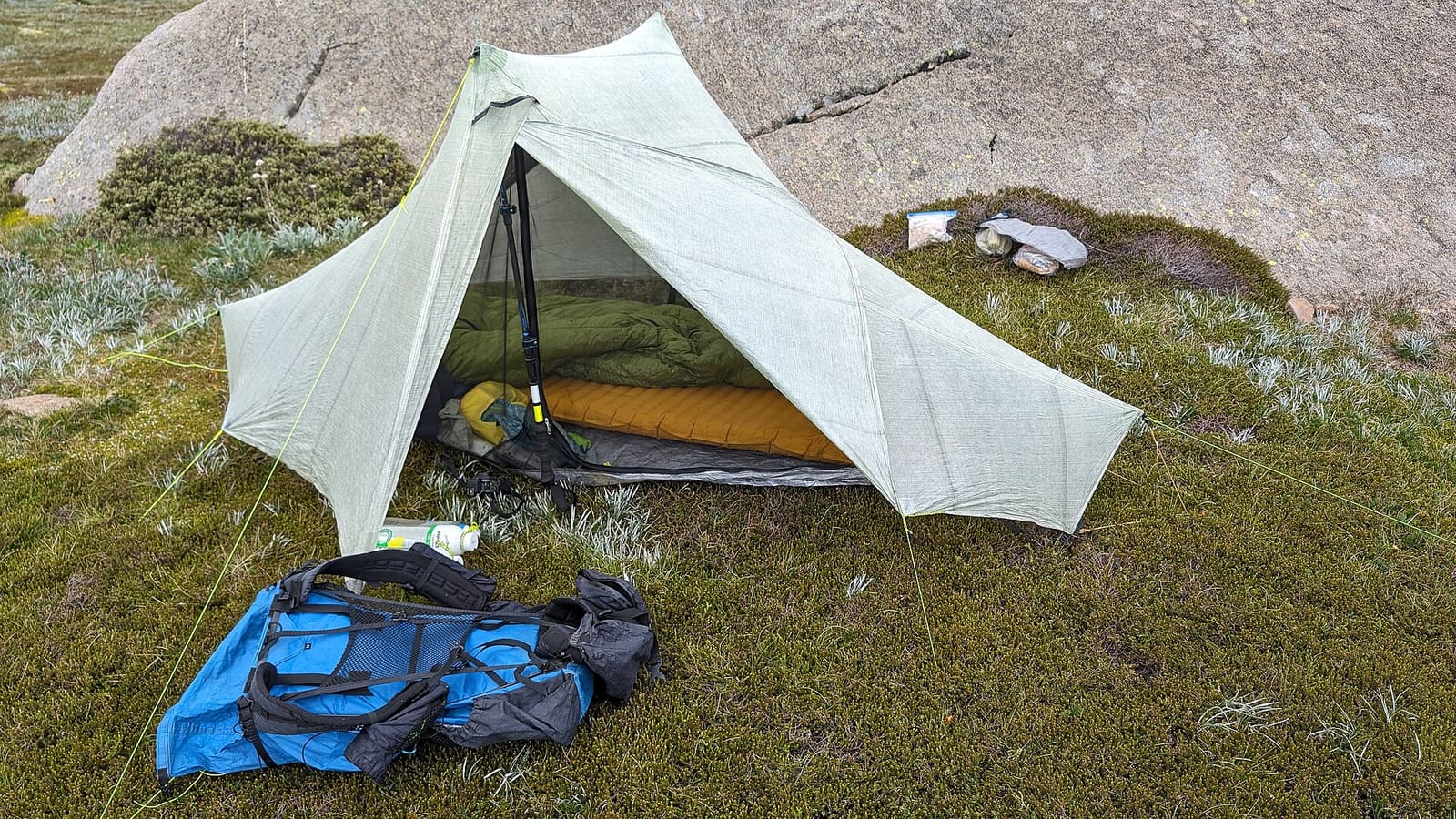
- Pack: 35 to 55 litres depending on your accommodation (trekking backpacks). If you are sleeping out, check what to pack for a night in the mountains and our camping section.
6. Trail running
Running in the mountains calls for minimal clothing, but with a safety margin:
- Top: a very light technical T-shirt; thin long sleeves on cool days.
- Bottom: running shorts or short tights.
- Feet: lugged trail shoes (trail footwear) and seamless socks.
- Always in your vest: a windproof jacket, an emergency blanket and something warm, even on short runs. We explain it in how to start trail running.
Outfit mistakes we see every weekend
- Cotton as a first layer: soaked T-shirt = cold on the summit.
- New footwear on a long route: guaranteed blisters.
- Going “fashionable” without a waterproof: the weather changes in minutes.
- Too many clothes at the start: after 15 minutes you will be sweating. Start slightly cool.
- Forgetting a hat and gloves: they weigh little and make all the difference on any windy pass.
What if I am on a tight budget?
You do not need to buy everything at once. Start with footwear and a waterproof jacket, and add the rest bit by bit. You will find ideas in where to buy cheap mountain gear and in our basic gear for every budget.
Frequently asked questions
Can I go hiking in regular sports leggings?
Yes, for easy routes in good weather, technical leggings or cotton-free sports trousers work well. On terrain with thorny vegetation or rocks, sturdier hiking trousers protect you better.
Jeans for hiking?
Better not: they are heavy, do not breathe, take ages to dry and chill you when wet. For a short summer walk it is no big deal, but they are not a good choice in the mountains.