Basic mountain gear for every budget: three kits to start on the right foot
You do not need everything in the shop window to get started. We suggest three kits —minimal, comfortable and complete— with the buying order we recommend and what each item brings.
Mountain gear can become a bottomless pit. To avoid overspending (or falling short on what matters), we organise kit into three progressive levels. Start with the first and move up only when your outings call for it.
Transparency: we link to NMshop, the outdoor gear store run by Altavia’s publisher, and to Amazon searches with an affiliate link. What matters is the type of product: buy wherever suits you best.
Kit 1: the minimum to get started
For day hikes on waymarked trails in good weather.
| Item | Why | Where to look |
|---|---|---|
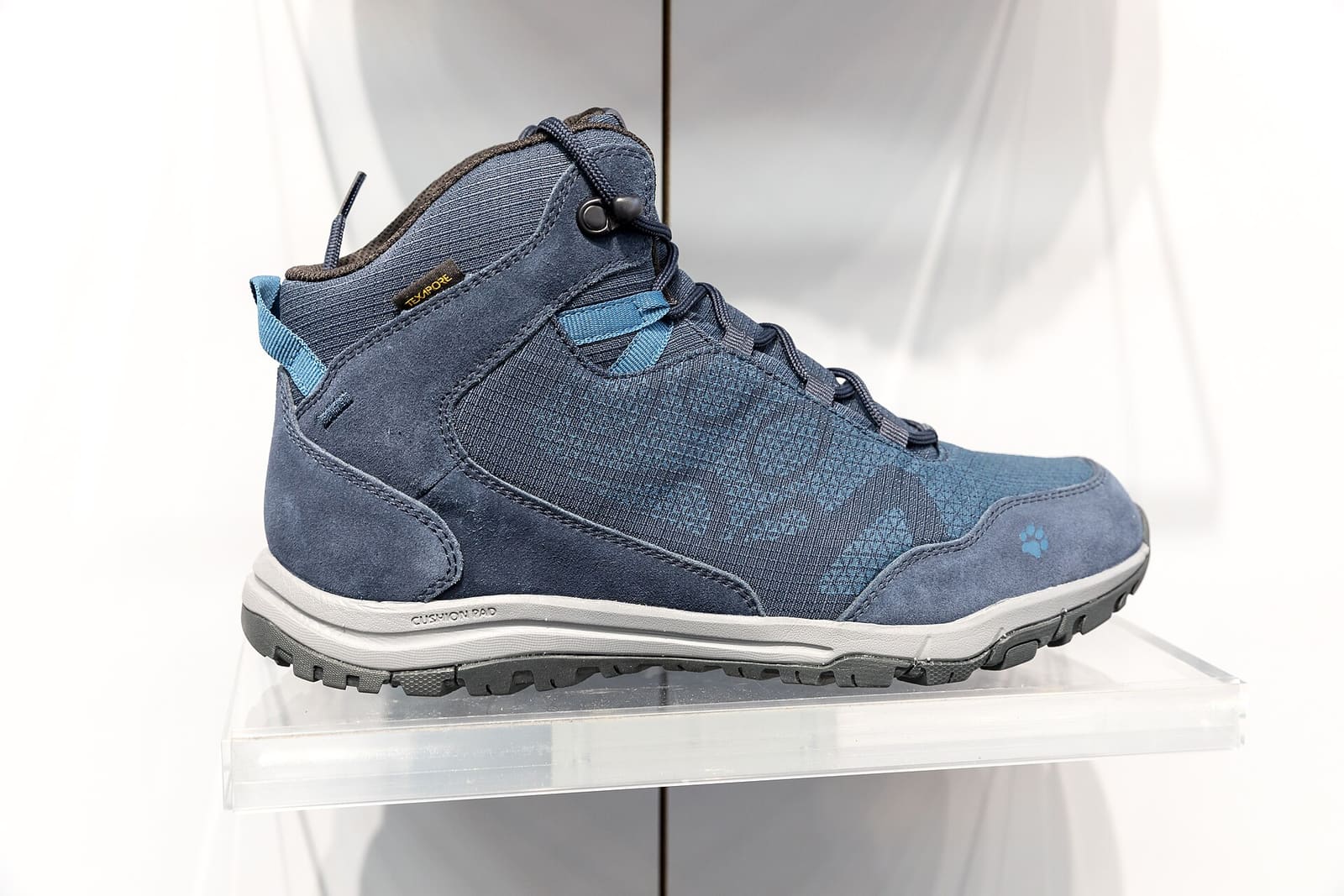
| Hiking shoe or boot | Grip and foot protection | Footwear at NMshop |
| 15–25 L backpack | Water, food and an extra layer | Backpacks |
| Windproof or light rain jacket | The weather changes fast | Jackets |
| Bottle or hydration bladder | 1.5–2 L for a day hike | See on Amazon |
| Cap and sunscreen | Mountain sun burns more | Accessories |
With the cotton-free sportswear you already own, this kit lets you get started. We explain how much water to carry in this guide.
Kit 2: comfortable for going out all year
When you are already going out often, in spring, autumn or in changeable weather.
- A truly waterproof, breathable jacket.
- A fleece or light insulated jacket.
- Hiking trousers (zip-off if you want versatility) (trousers).
- Technical T-shirts, short and long-sleeved (tops).
- A rechargeable headlamp (see headlamps on Amazon).
- Trekking poles, for your knees and the descents (see on Amazon).
- A basic first-aid kit and emergency blanket.
- A hat and thin gloves.
Kit 3: complete for treks and bad weather
If you are going to do multi-day routes, sleep in huts or camp, or go out in winter.
- A 35–55 L backpack with a good back system.
- Waterproof mid-cut boots (footwear).
- A down or synthetic insulated jacket for breaks.
- Thermal clothing for sleeping.
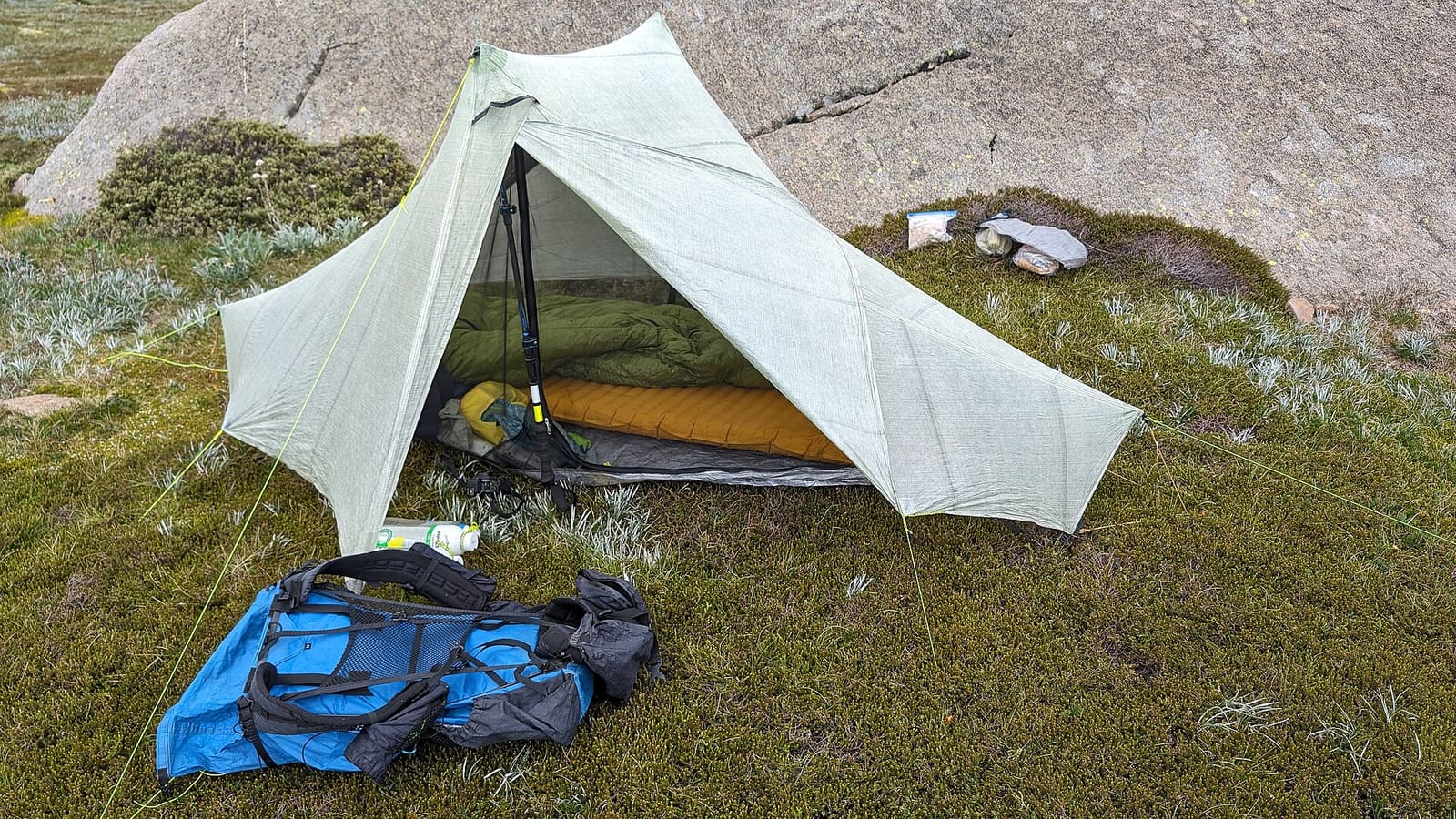
- A sleeping bag and mat suited to the temperature (we help you read the labels in this guide) and camping gear.
- Gaiters if there is mud or snow.
- Map, compass and a power bank (see power banks on Amazon).
Recommended buying order
- Footwear that fits you perfectly.
- A waterproof jacket.
- A comfortable backpack.
- Layers (thermal and fleece).
- Headlamp and first-aid kit.
- Everything else, depending on your routes.
Tips to avoid wasting money
- Buy for what you do, not for what you imagine doing one day.
- Try footwear on in the afternoon and with your hiking socks.
- Make the most of sales and previous-season models: you will find ideas in where to buy cheap mountain gear.
- Rent the gear you will only use once a year.
And once you have your kit, combine it well: see our mountain outfits by route and season.