Melting ice moves borders: Switzerland and Italy redraw their line beneath the Matterhorn
When a border follows the watershed across a glacier, melting can move it. That is what has happened around the Matterhorn, where Switzerland and Italy have had to adjust their shared boundary.
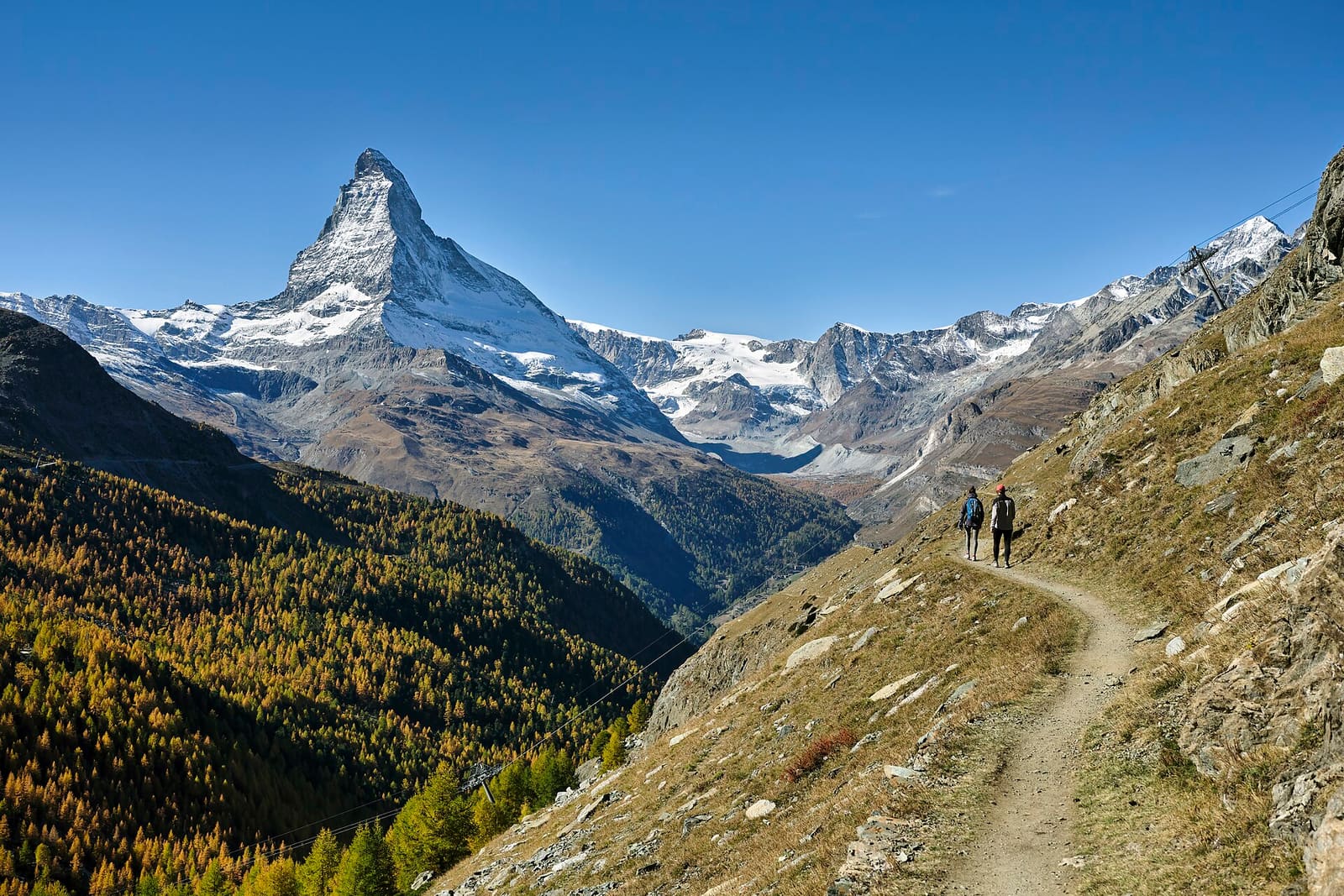
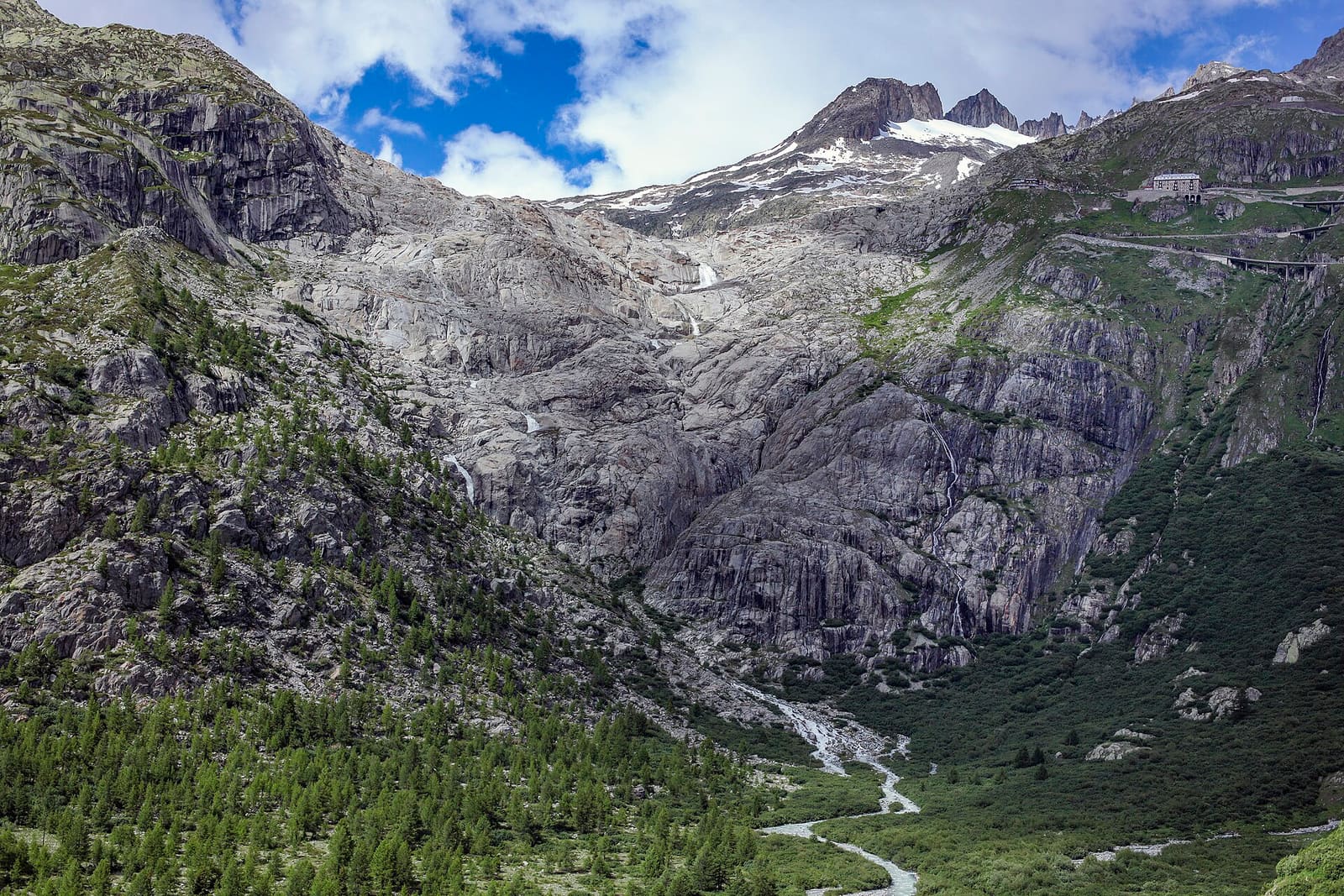
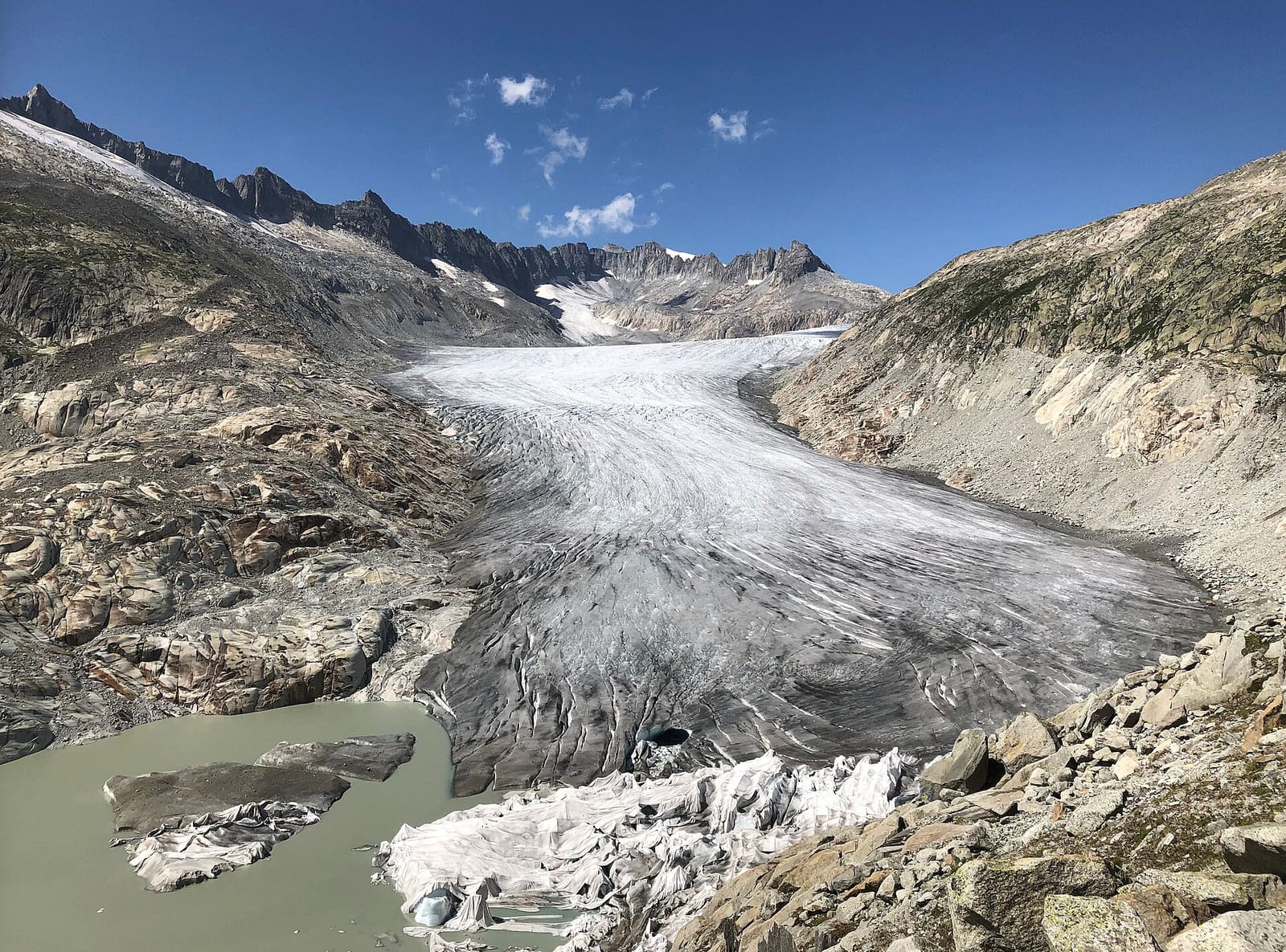
Borders seem immovable. In the high mountains, they are not always. Between Switzerland and Italy, much of the international boundary was drawn along the watershed: the line separating water that flows towards one country from water that flows towards the other. In glacial areas, that line runs over the ice. And when the ice melts, the watershed —and with it the border— shifts.
Where it happened
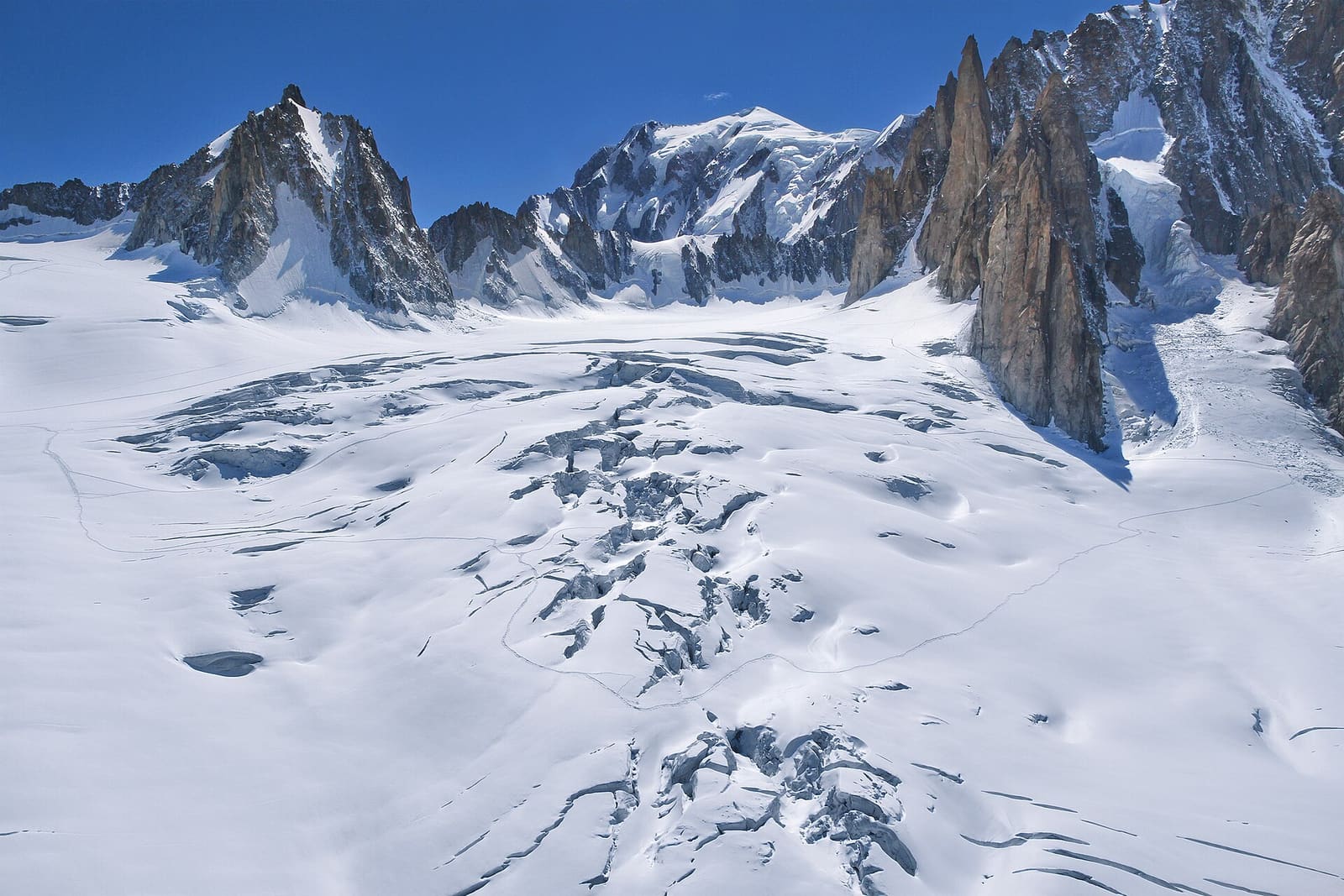
The best-known case lies at the foot of the Matterhorn (Cervino), around Testa Grigia and Plateau Rosa, a high-mountain area with lifts linking Zermatt (Switzerland) and Breuil-Cervinia (Italy). There, the retreat of the Theodul glacier altered the watershed line and left facilities such as a mountain hut in an ambiguous border position.
A joint commission from both countries negotiated the adjustment and reached an agreement in 2023. The Swiss Federal Council approved it in 2024. For the change to become final, ratification procedures must be completed in both states.
“Mobile” borders: not the first time
Switzerland and Italy had already recognised years ago the mobile nature of certain stretches of their border in glacial areas, precisely because the ground on which they were drawn is changing. Similar cases have been studied on other Alpine borders.
What is striking is not that the border moves, but how fast it does: tens of metres in a few decades, at the pace of glacier retreat.
A border map in the high mountains is, more and more, a photograph with an expiry date.
What it reveals about the Alps
The episode is anecdotal from a political point of view —there is no territorial dispute— but very telling as an indicator. In just a few years we have seen:
- Record ice losses in Swiss glaciers, which we review in this analysis.
- Greater instability of slopes and rock faces, with extreme episodes like Blatten.
- Changes to high-mountain routes, including the Matterhorn itself, whose Swiss normal route (the Hörnli ridge) is affected by rockfall in very hot summers.
What changes for visitors
For anyone skiing or walking in the area, nothing changes in practice: there are no border controls in the mountains. But remember that glacier terrain changes from one year to the next, that crevasses may be in different places than in previous years and that off-piste or glacier itineraries require specific equipment and knowledge.
The border is, in this case, a useful metaphor: the Alpine landscape is being redrawn, and those who travel through it also need to update their mental maps.
Sources and references
This is original editorial content based on the sources cited. Spotted a mistake? Let us know and we will fix it under our corrections policy.