Bodies of the two Japanese climbers missing on Gangapurna West have been found
Hidesuke Taneishi and Tetsu Hashimoto were attempting the first ascent of Gangapurna West (7,140 m), next to the Annapurna massif. Their last contact was on 15 October. A helicopter and a drone made it possible to find them on the south face.
The autumn season in the Himalaya brings sad news. On Friday, 23 October, a rescue team found the bodies of Japanese climbers Hidesuke Taneishi, 40, and Tetsu Hashimoto, 25, who had gone missing on Gangapurna West (7,140 m), in Nepal. The specialist outlet ExplorersWeb reported the news.
A still-unclimbed summit
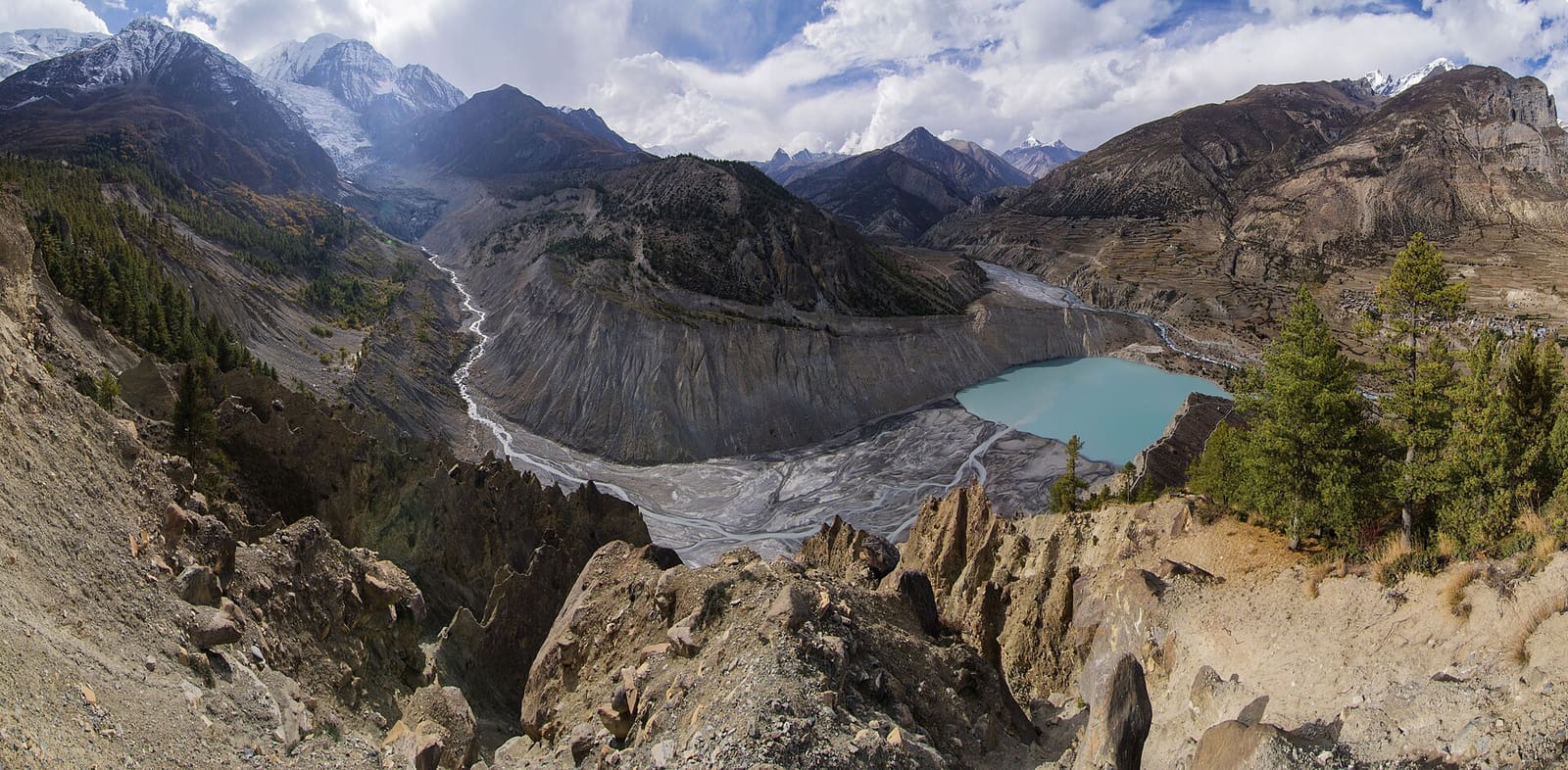
Gangapurna West —also known as Asapurna or Lachenal Peak— stands next to the Annapurna massif, in Manang district. Since Nepal opened it to foreign expeditions in 2014, several teams have tried it and none has reached the top. Taneishi and Hashimoto were seeking that first ascent.
Taneishi, who led the team, was a leading Japanese alpinist: last year he was nominated for a Piolet d’Or for the first ascent of Pholesobi (6,652 m), in Nepal, by a direct line on its north face with Hiroki Yamamoto.
Days of uncertainty
The last contact with the pair was on 15 October, when they were at about 7,050 metres, very close to the summit, on their final push. Then, silence.
The search began on 19 October. At first nobody even knew which part of the mountain they might be on. The team was made up of helicopter pilot Sobit Gauchan, photographer and climber Manish Maharjan and IFMGA mountain guide Pansang Rinzee Sherpa.
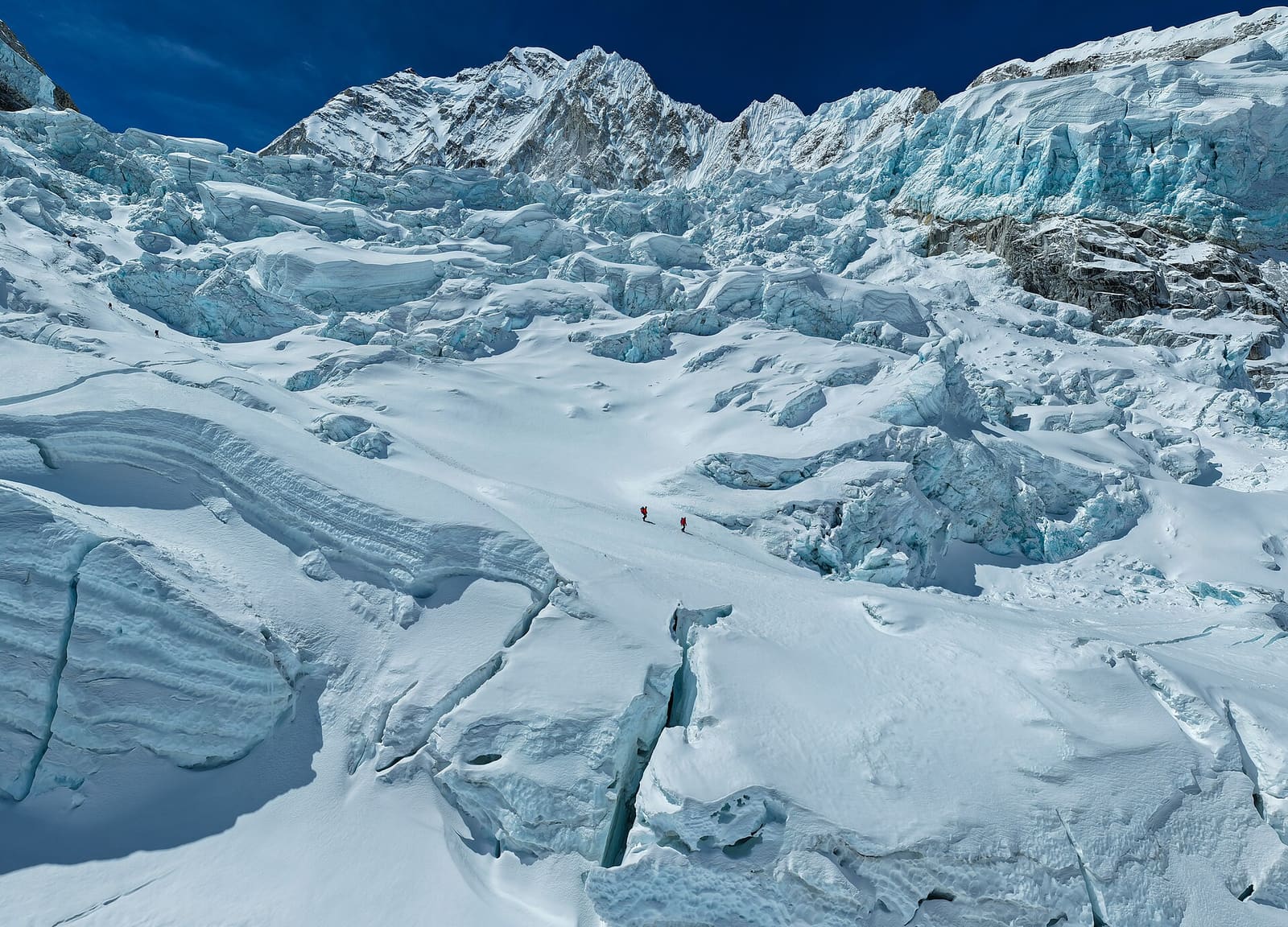
The helicopter dropped Maharjan and Rinzee at 5,750 metres. From there, a drone scanned the upper slopes on the north-east and south-west sides. First they found what was left of the Japanese pair’s high camp; then the bodies, at about 6,300 metres on the south face.
What may have happened
Rinzee told ExplorersWeb that observations of the terrain point to a snow slab collapse. It is one of the most treacherous hazards of the high mountains: a compact layer of snow that suddenly breaks away from a weaker layer underneath, often with no visible warning.
Drones have become a decisive tool in Himalayan rescues: they can check in hours faces that once required days of risky searching.
The price of exploration
Exploratory alpinism —seeking virgin summits or new routes in light style, without fixed ropes or large support teams— is one of the purest and most exposed forms of the discipline. When something goes wrong, help is very far away. We explain it in the most dangerous mountains in the world and why, where Annapurna, Gangapurna’s neighbour, features prominently.
Altavia sends its condolences to the families and friends of both climbers.
Sources and references
- ExplorersWeb – Bodies of Missing Japanese Climbers Found on Gangapurna West (23/10/2026)
- ExplorersWeb – Two Climbers Missing on Gangapurna West (22/10/2026)
This is original editorial content based on the sources cited. Spotted a mistake? Let us know and we will fix it under our corrections policy.