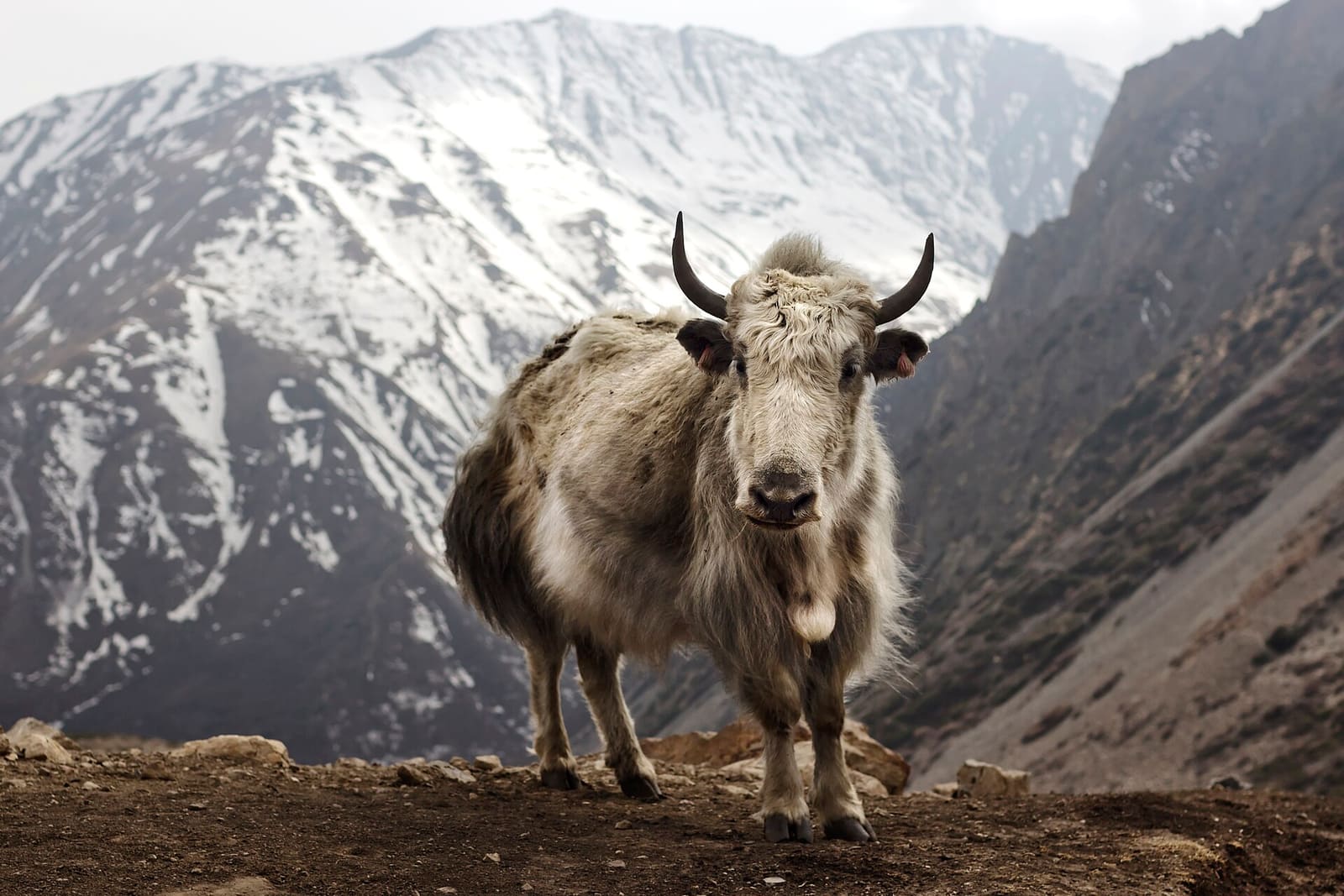
Did you know that the Himalaya is still growing every year?
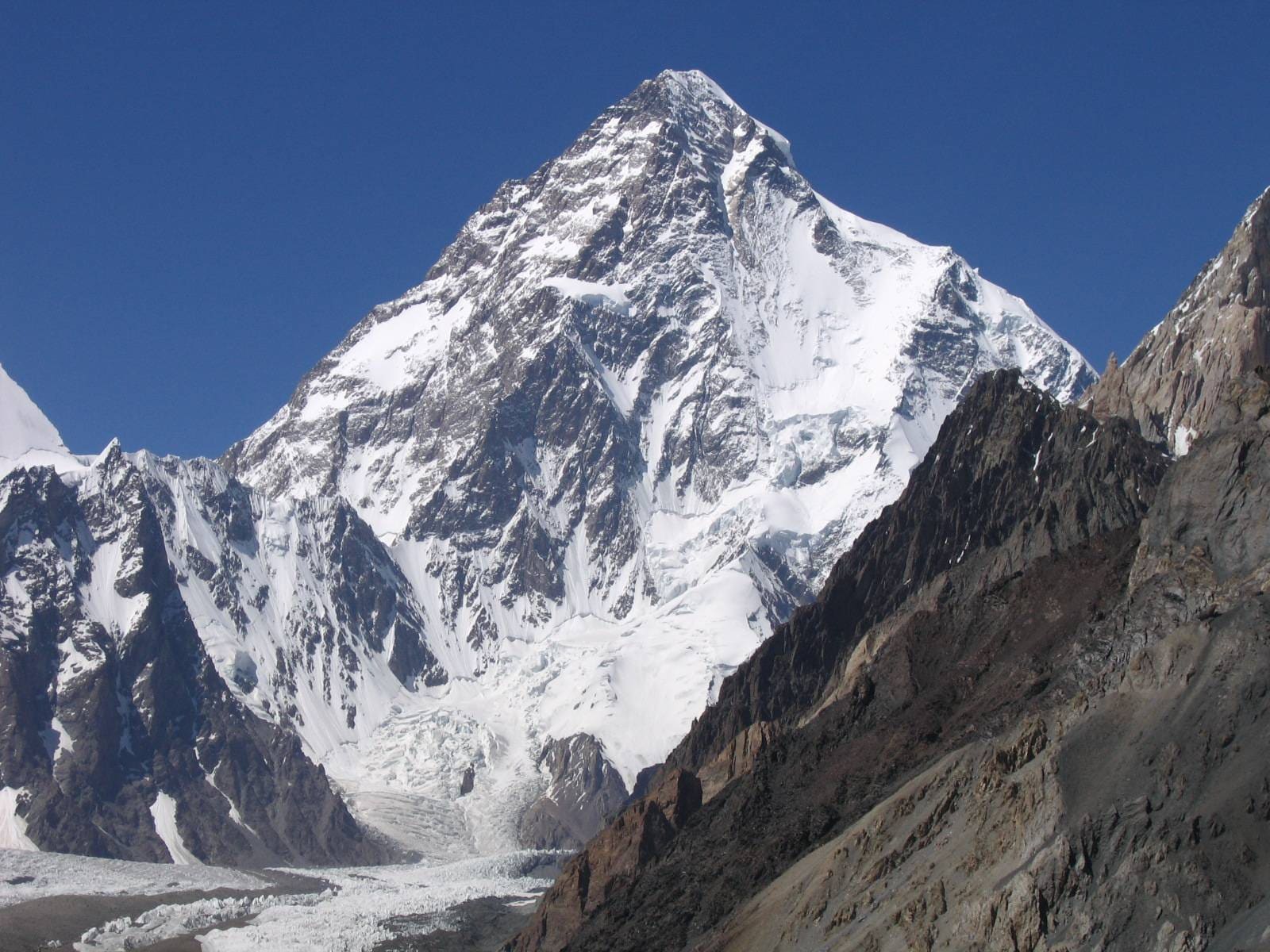
Mountains seem eternal, but they move. India keeps pushing against Asia and the Himalaya gains a few millimetres every year, while ice, water and earthquakes shape it in the opposite direction.
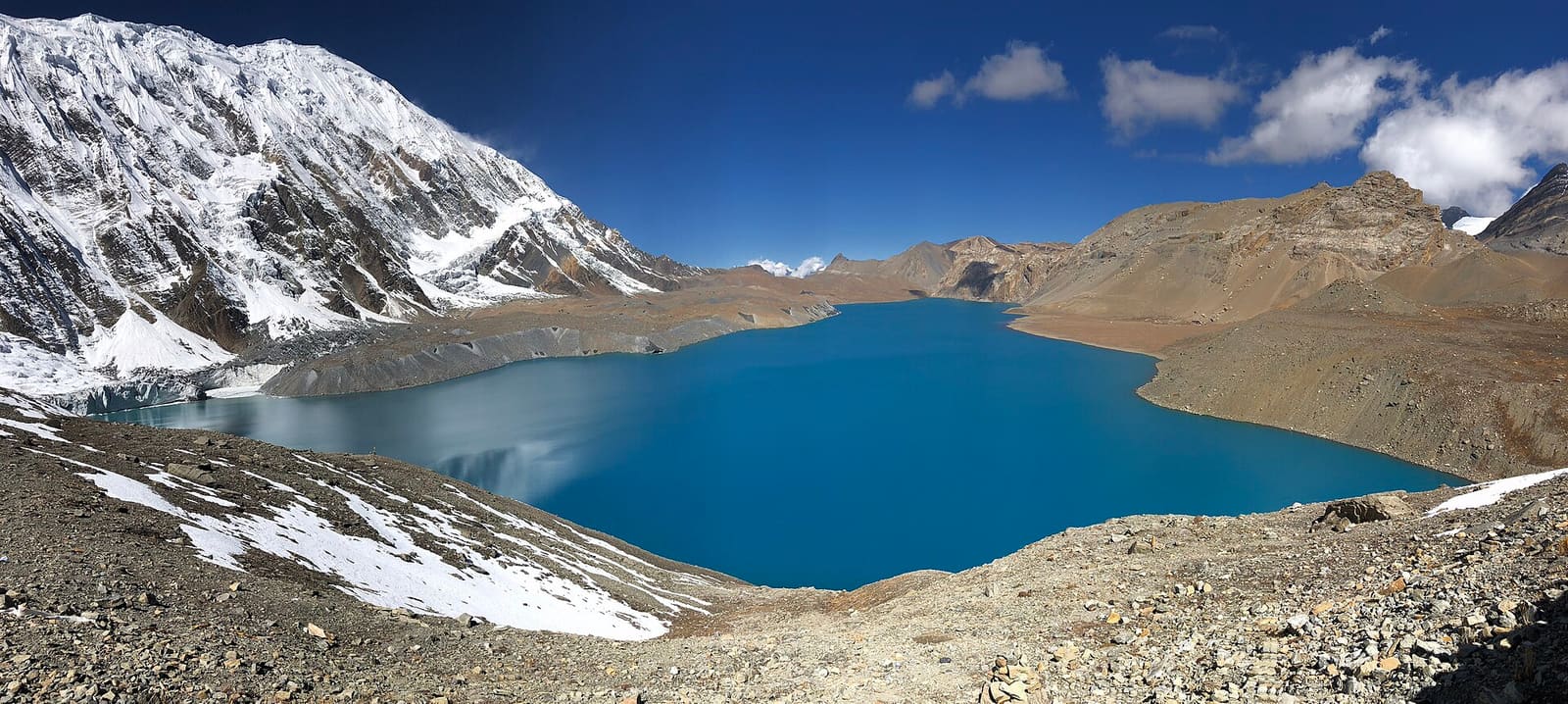
We tend to think of mountains as the most motionless part of the landscape. But on a geological scale they behave almost like living things: they grow, wear down and change height. The best example is the Himalaya.
A collision lasting 50 million years
About 50 million years ago, the Indian plate, travelling north, crashed into Asia. That collision has not ended: India is still moving about 4–5 centimetres a year, roughly as fast as your fingernails grow.
Since the crust has nowhere to go, it folds and stacks upwards. The result is the highest mountain range in the world, which still gains a few millimetres in height every year.
If the Himalaya grew unchecked for a million years at a few millimetres a year, it would gain kilometres. It does not, because erosion works in the opposite direction.
What brings it down
- Erosion: glacier ice, rivers and monsoon rain constantly strip away rock.
- Earthquakes: they release stress suddenly. After the 2015 Nepal earthquake, some areas near Kathmandu rose while some higher areas dropped by a few centimetres.
A river that “pushes” Everest up
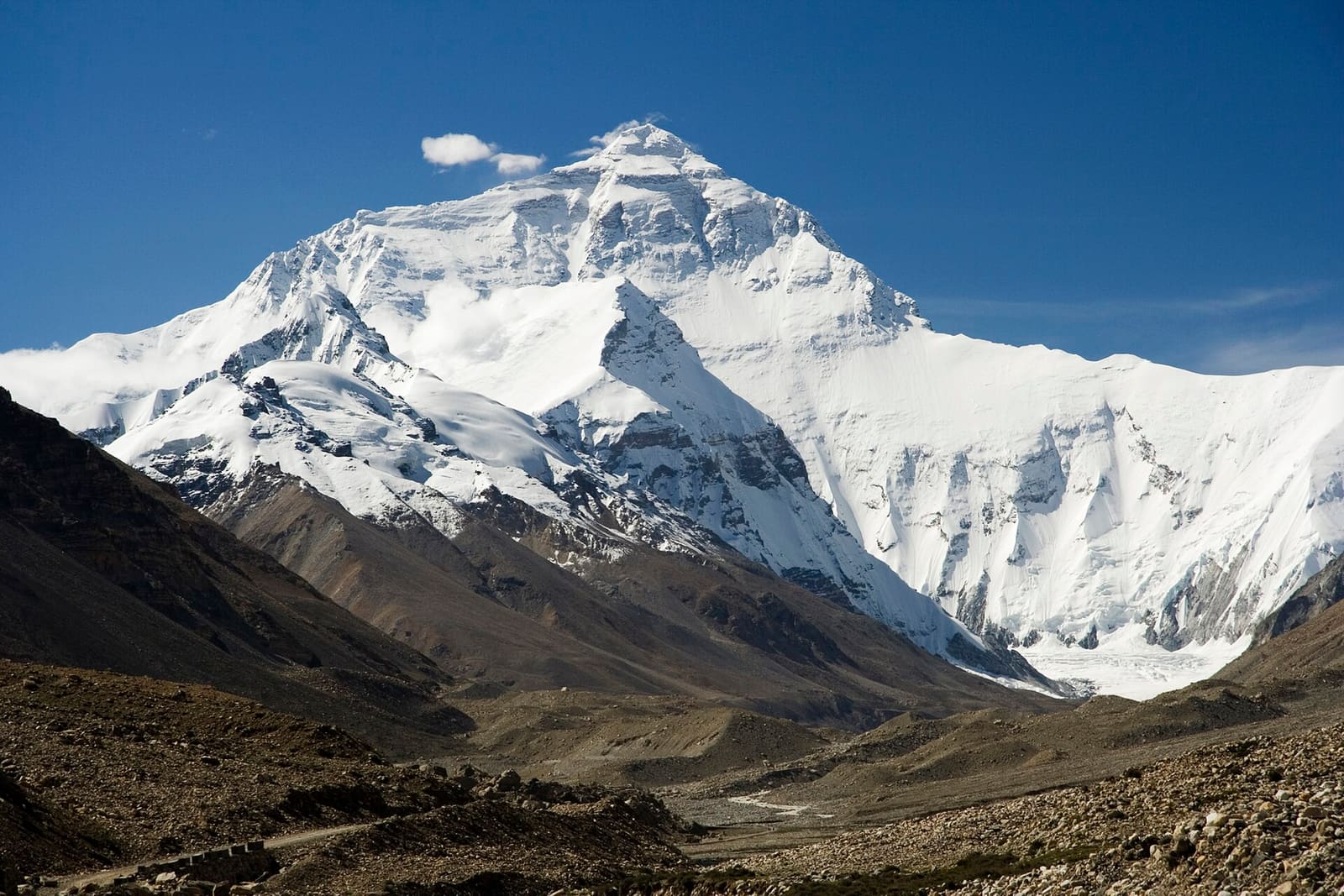
In 2024, a study published in Nature Geoscience proposed something curious: tens of thousands of years ago, the Arun river captured another river and began carving a huge gorge near Everest. By removing so much material, the now lighter crust in the area rebounds upwards —like a boat floating higher when you unload it. The authors calculate that this effect has added several tens of metres to Everest’s height.
And the official height?
That is why Everest’s height is measured again from time to time. The joint China–Nepal survey of 2020 set it at 8,848.86 metres. For another curiosity about heights, discover why Everest is not the farthest point from the centre of the Earth.
Sources and references
- U.S. Geological Survey – The Himalayas: Two continents collide
- Han et al. (2024), Nature Geoscience – Recent uplift of Chomolungma enhanced by river drainage piracy
This is original editorial content based on the sources cited. Spotted a mistake? Let us know and we will fix it under our corrections policy.