Did you know that the trees in a forest are connected underground by fungi?
Under your feet, in any forest, there are kilometres of fungal threads joined to tree roots. Thanks to them trees get water and nutrients, and some studies have detected exchanges between neighbouring trees.
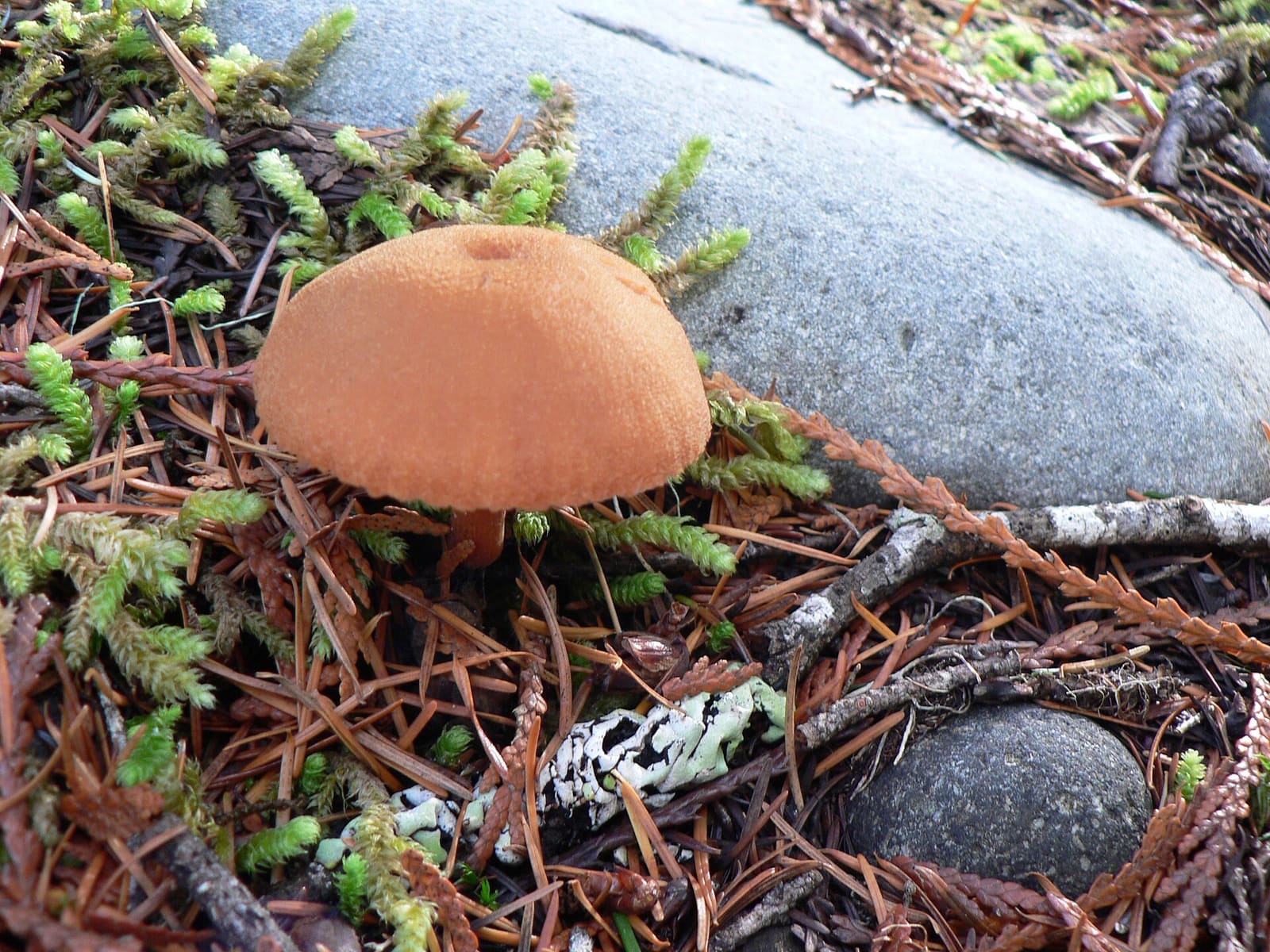
When you walk through a forest you see trunks, leaves and maybe a mushroom or two. What you do not see is the most surprising part: under the ground, ultra-fine fungal threads —hyphae— stretch for kilometres and join the roots of the trees.
A deal that has worked for millions of years
This partnership is called a mycorrhiza (from the Greek words for “fungus” and “root”) and it is formed by the vast majority of land plants. It is an exchange:
- The fungus explores the soil far better than a root and delivers water and minerals to the tree, especially phosphorus and nitrogen.
- The tree pays with sugars it makes through photosynthesis.
Without these partners, many trees would grow worse or not survive at all. That is why fungi are added to seedling roots when reforesting some degraded soils.
A “forest internet”?
Because a single fungus can connect to several trees, mycorrhizal networks form that link different individuals. In 1997, ecologist Suzanne Simard published an experiment in Nature from Canada: she labelled carbon in some trees and later detected it in others of a different species, birches and firs, connected by these networks. The press nicknamed it the “wood wide web”.
The mushrooms you pick in autumn are just the “fruit” of a much larger organism living underground.
What we know… and what we do not
Since then, the idea that trees “talk”, warn each other about pests or that mother trees feed their young has become popular. This is where to slow down: a 2023 review in Nature Ecology & Evolution concluded that many of those claims have been overstated based on few field studies.
What is certain:
- Mycorrhizae are essential to forest health.
- Fungal networks exist and can move resources.
What is still being researched: how much moves, in which direction and whether it really changes the trees’ survival.
The takeaway
Next time you see a mushroom, think of it as the tip of the iceberg of a living network that supports the forest. And if you want to see spectacular forests, start with the 10 most incredible forests on the planet.
Sources and references
- Simard et al. (1997), Nature – Net transfer of carbon between ectomycorrhizal tree species in the field
- Karst et al. (2023), Nature Ecology & Evolution – Positive citation bias and overinterpreted results lead to misinformation on common mycorrhizal networks
This is original editorial content based on the sources cited. Spotted a mistake? Let us know and we will fix it under our corrections policy.