Animals that can survive conditions that would kill a human
Freezing and coming back to life, living without haemoglobin in sub-zero water or surviving the vacuum of space. Eight animals that push the limits of what we think is possible, explained with what science really knows.
The human body works within a narrow band: an internal temperature of about 37 °C, plenty of oxygen, water available. Step a few degrees or a few minutes outside those margins and you are in serious trouble. Other animals, however, have made extremes their speciality. Here are eight of the most surprising.
1. Tardigrades: the ultimate survivors
They measure about half a millimetre, have eight stubby legs and live in mosses, lichens, soils and oceans all over the world. More than a thousand species have been described.
Their superpower is called cryptobiosis: when they dry out, they lose almost all their water, shrink into a state called a “tun” and slow their metabolism to almost undetectable levels. In that state they have withstood, in the lab, temperatures far below zero, enormous pressures, intense radiation and, in 2007, direct exposure to space during the European Space Agency’s TARDIS experiment. Once rehydrated, many became active again.
Beware of exaggerations: active tardigrades are vulnerable. They are “indestructible” only in their tun state and only for a limited time.
2. The frog that freezes
The North American wood frog (Lithobates sylvaticus) spends the winter literally frozen. Up to about two thirds of its body water turns to ice; its heart stops beating and it stops breathing. To prevent ice from destroying its cells, it floods its tissues with glucose and other substances that act as antifreeze. In spring, it thaws and comes back to life. Populations in Alaska tolerate temperatures more than ten degrees below zero.
3. Fish with transparent blood
In the Southern Ocean, the water can be below 0 °C without freezing because of the salt. That is home to the icefish (family Channichthyidae), the only known adult vertebrates without haemoglobin: their blood is almost colourless. In such cold water oxygen dissolves better, and they carry it dissolved in their plasma, helped by a large heart and wide blood vessels. Many Antarctic fish also produce antifreeze proteins that stop ice crystals forming in their bodies.
4. The squirrel with a sub-zero temperature
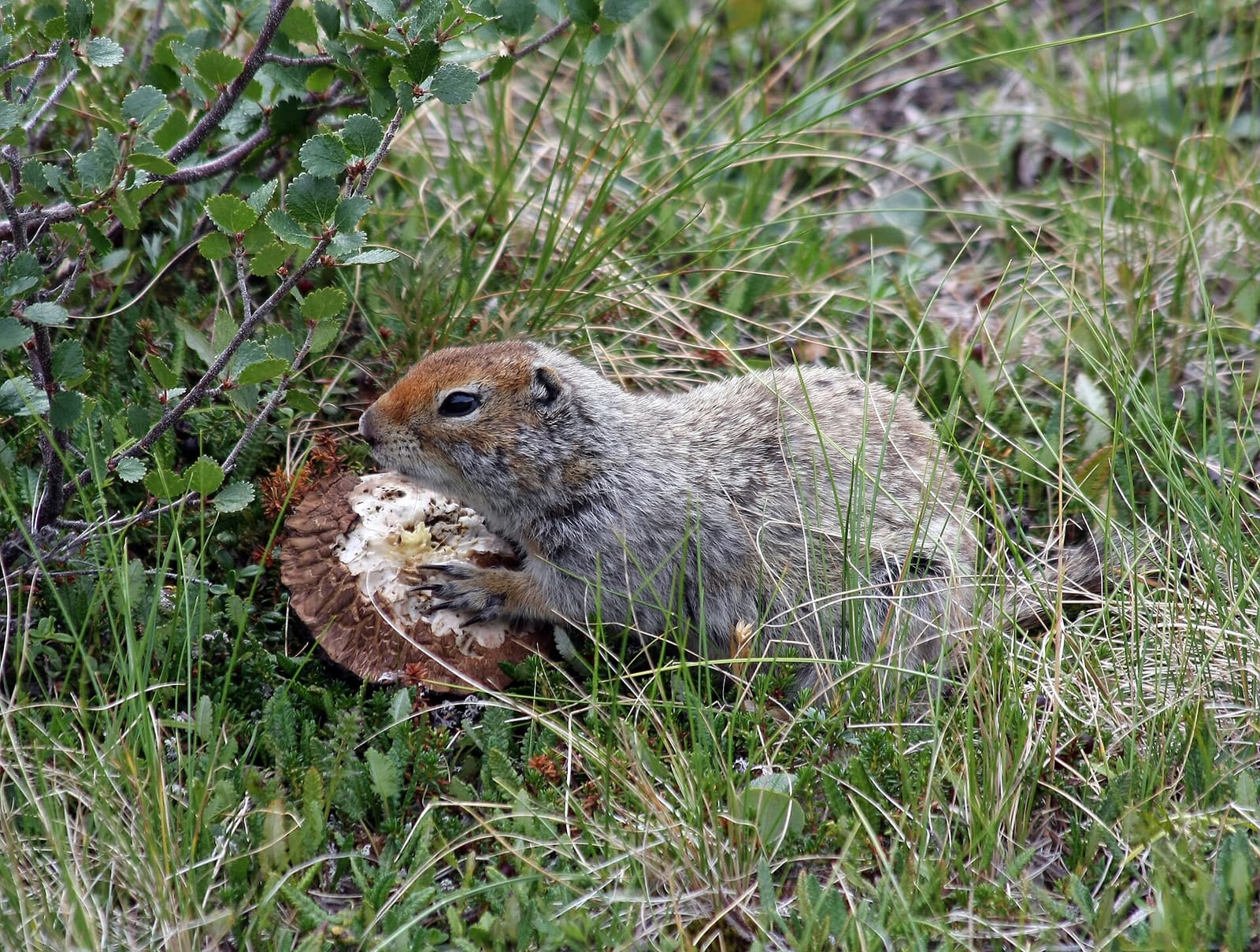
The Arctic ground squirrel (Urocitellus parryii) hibernates for months in Alaska and Canada. During hibernation its body temperature can drop to about -3 °C, the lowest ever recorded in a mammal. Every so often it “wakes up” for a few hours, warms up and then cools down again.
The line between life and death is blurrier than it seems: some animals spend months without a heartbeat or breathing and come back.
5. The worm that lives beside hydrothermal vents
At hydrothermal vents in the Pacific, thousands of metres deep, the Pompeii worm (Alvinella pompejana) builds tubes on chimneys that spew very hot water. It is considered one of the most heat-tolerant complex animals: the end of its tube withstands very high temperatures while its head pokes out into much colder water. It lives covered by a “blanket” of bacteria that may help insulate it.
6. The Saharan silver ant
The Saharan silver ant (Cataglyphis bombycina) goes foraging in the hottest hours of the day, when its predators are hiding and the sand can exceed 60 °C. Its triangular hairs reflect sunlight and help it shed heat. It can only stay outside for a few minutes.
7. The turtle that goes months without oxygen
The painted turtle (Chrysemys picta) spends the winter under the ice of North American lakes and ponds, sometimes for months with very little or no oxygen. Its shell and bones release substances that neutralise the lactic acid that builds up in its body.
8. The naked mole-rat
This hairless African rodent lives in crowded, oxygen-poor tunnels. In lab experiments it has survived nearly twenty minutes without oxygen by switching its metabolism to burn fructose instead of glucose. It is also famous for living far longer than expected for a rodent of its size.
Why we study them
These species are not just curiosities: they inspire research into organ preservation for transplants, intensive care medicine and space exploration. The limits of life on Earth also tell us where to look for it beyond our planet.
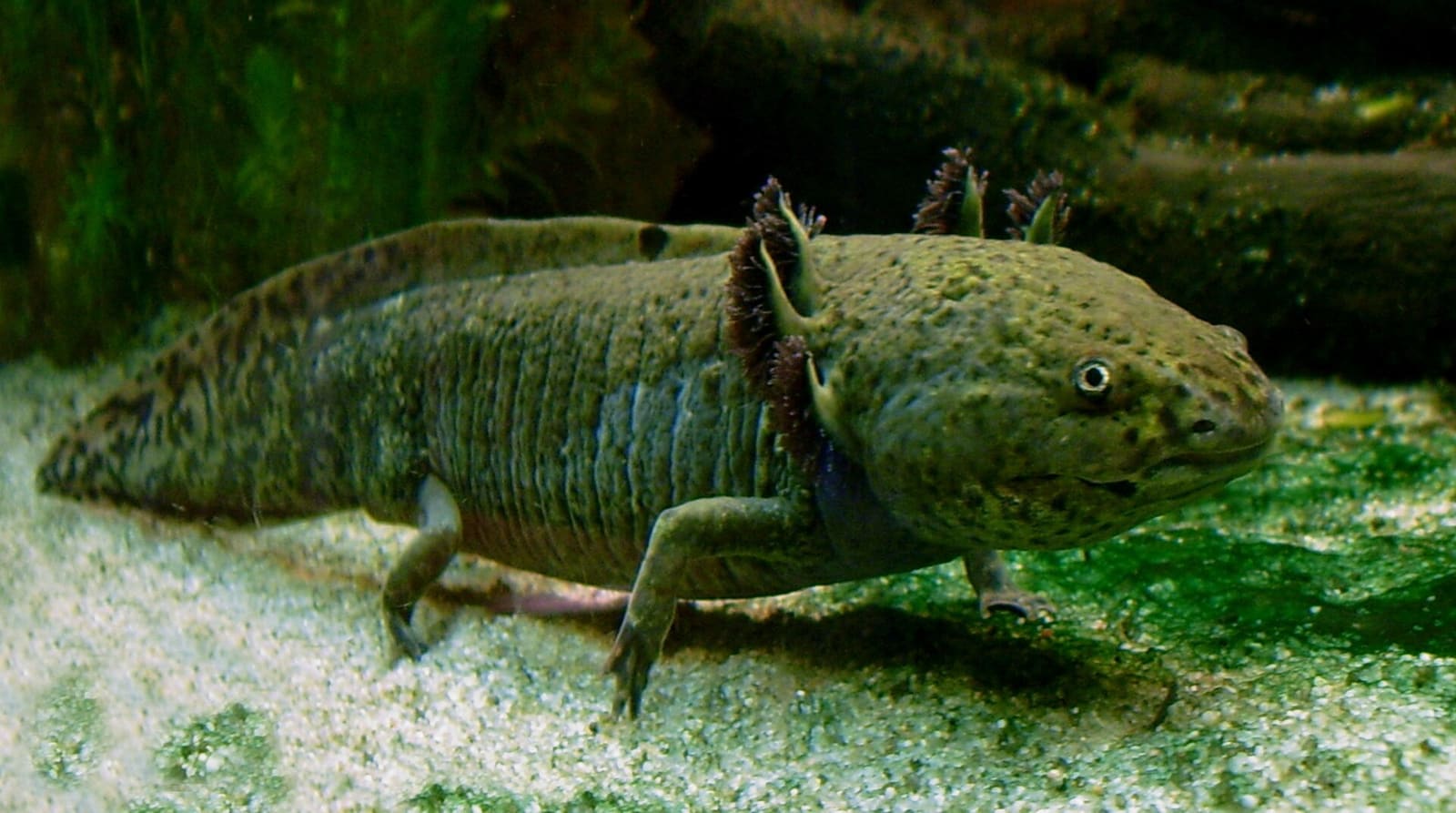
And if extremes fascinate you, carry on with the animals that live at the highest altitudes on the planet or with the axolotl, the amphibian that regrows its body.
Sources and references
- European Space Agency (ESA) – TARDIS experiment (FOTON-M3)
- Smithsonian National Museum of Natural History
- British Antarctic Survey
This is original editorial content based on the sources cited. Spotted a mistake? Let us know and we will fix it under our corrections policy.