The snow leopard, the ghost of Asia's mountains
It lives in twelve countries, roams huge territories above 3,000 metres and is so elusive that many researchers study it for years without seeing it. This is how the snow leopard survives.
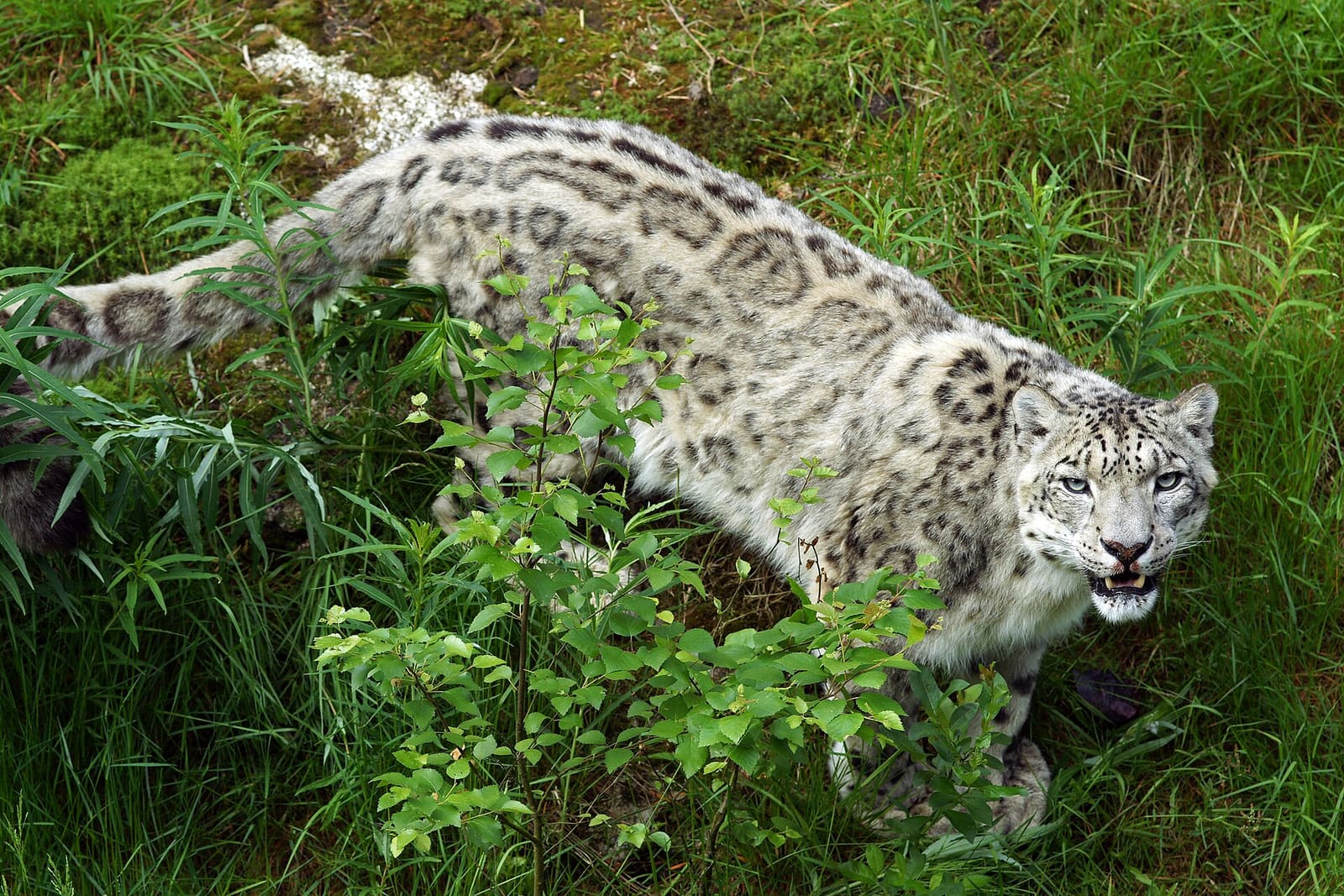
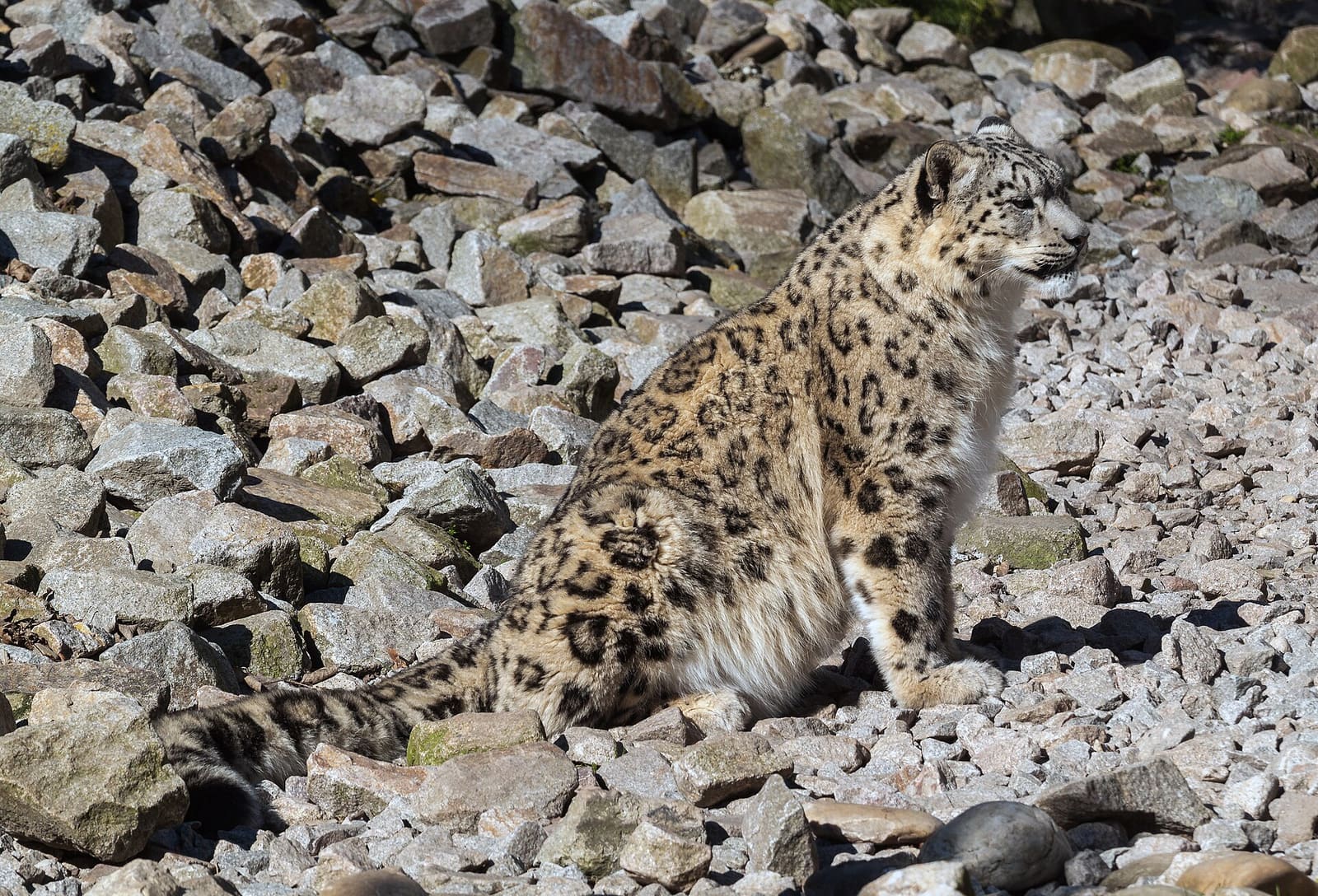
Some animals are studied for years without ever being seen. The snow leopard (Panthera uncia) is probably the most famous of them. It lives in some of the highest and most rugged mountains on the planet, moves mainly at dawn and dusk, and its spotted grey coat blends almost perfectly with the rock. In the Himalaya it is called the “ghost of the mountains”.
Built for cold and steep terrain
Every feature of its body responds to an extreme environment:
- A long, dense coat, with a woolly underlayer that insulates it from very low temperatures.
- Wide, furry paws, which work like snowshoes.
- Large nostrils and a nasal cavity that warms cold air before it reaches the lungs.
- Powerful hind legs, able to drive very long leaps on steep ground.
- A tail almost as long as its body, used as a counterweight on slopes and as a scarf when resting.
A snow leopard may roam territories of hundreds of square kilometres to find enough prey.
Where it lives
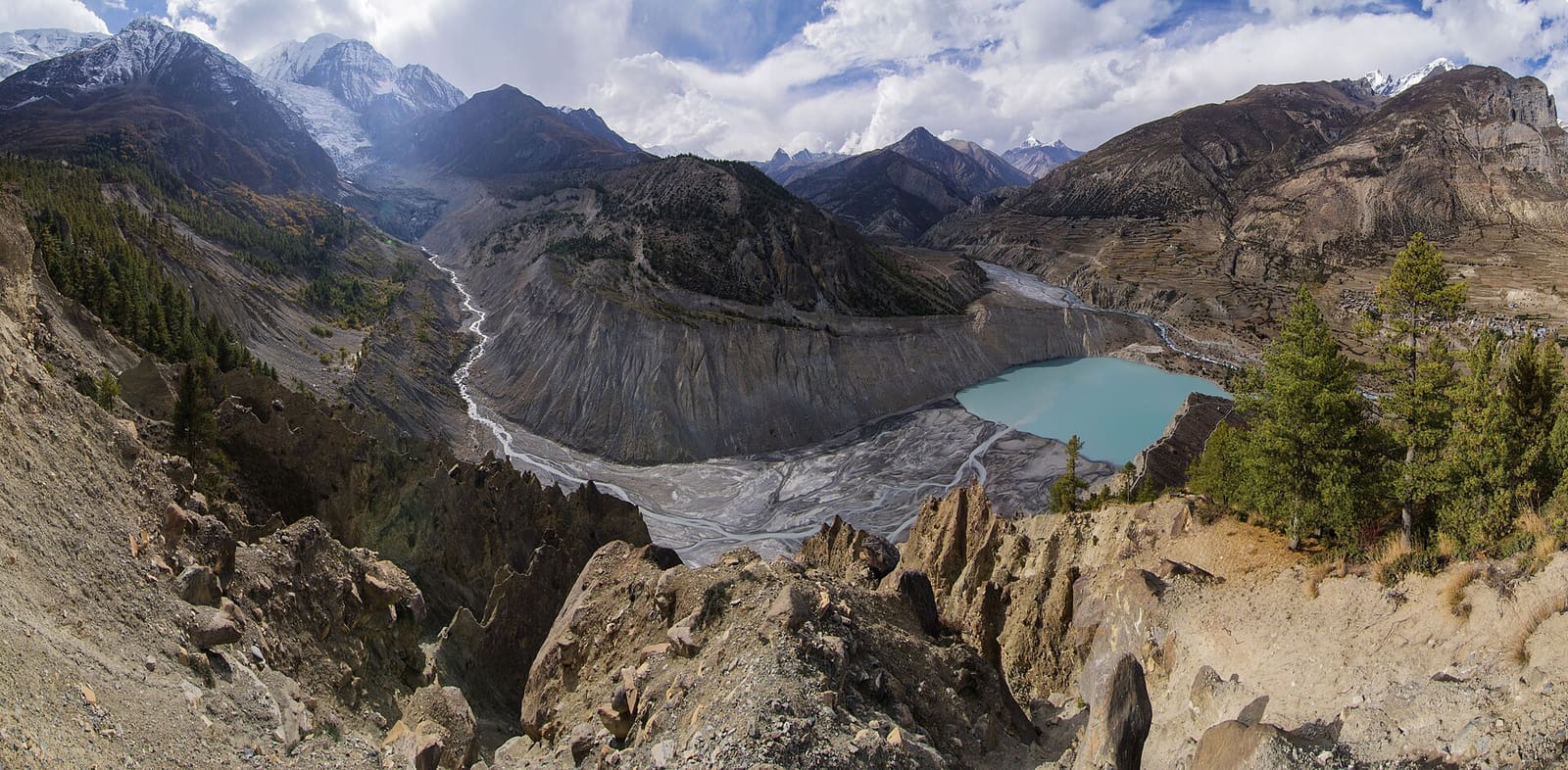
It is found in the mountains of twelve Asian countries: Afghanistan, Bhutan, China, India, Kazakhstan, Kyrgyzstan, Mongolia, Nepal, Pakistan, Russia, Tajikistan and Uzbekistan. China holds most of its range, especially on the Tibetan Plateau.
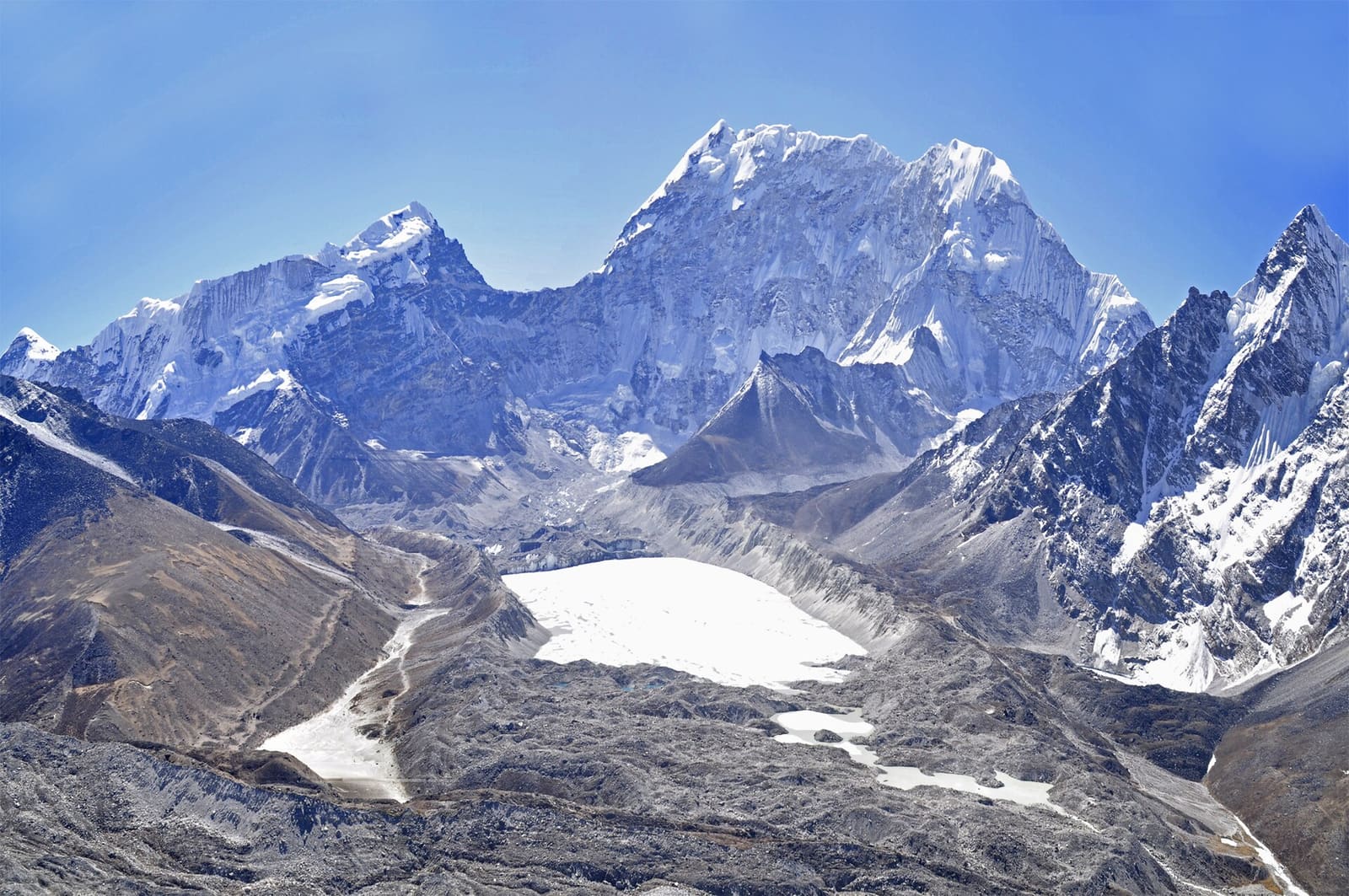
It usually moves between 3,000 and 5,000 metres, although in the north of its range it comes down lower and in the Himalaya it can go higher.
What it eats
Its main prey are mountain ungulates: bharal or blue sheep, Siberian ibex, argali and others. It supplements its diet with marmots, hares and birds. When wild prey is scarce, it may attack domestic livestock, which creates conflict with herders.
Why it is threatened
The IUCN listed it as Endangered for decades and in 2017 downgraded it to Vulnerable. The change sparked debate: it does not mean the species is safe, but that new estimates allowed it to be reassessed. Population figures remain uncertain and are usually given as a few thousand adults.
Its main threats are:
- Poaching for its skin and bones, used in traditional medicine.
- Retaliation by herders after attacks on livestock.
- Declining prey due to hunting and competition with livestock.
- Climate change, which may push the treeline upwards and shrink its alpine habitat.
- Infrastructure (mines, roads) that fragments its territory.
Science without seeing the animal
Studying an animal like this takes ingenuity:
- Camera traps on natural passes and scent-marking spots.
- DNA from droppings to identify individuals.
- GPS collars on a few animals captured under permit.
Organisations such as the Snow Leopard Trust work with local communities: livestock insurance, predator-proof corrals and programmes that turn the leopard into a tourism asset rather than an enemy.
A symbol of the high mountains
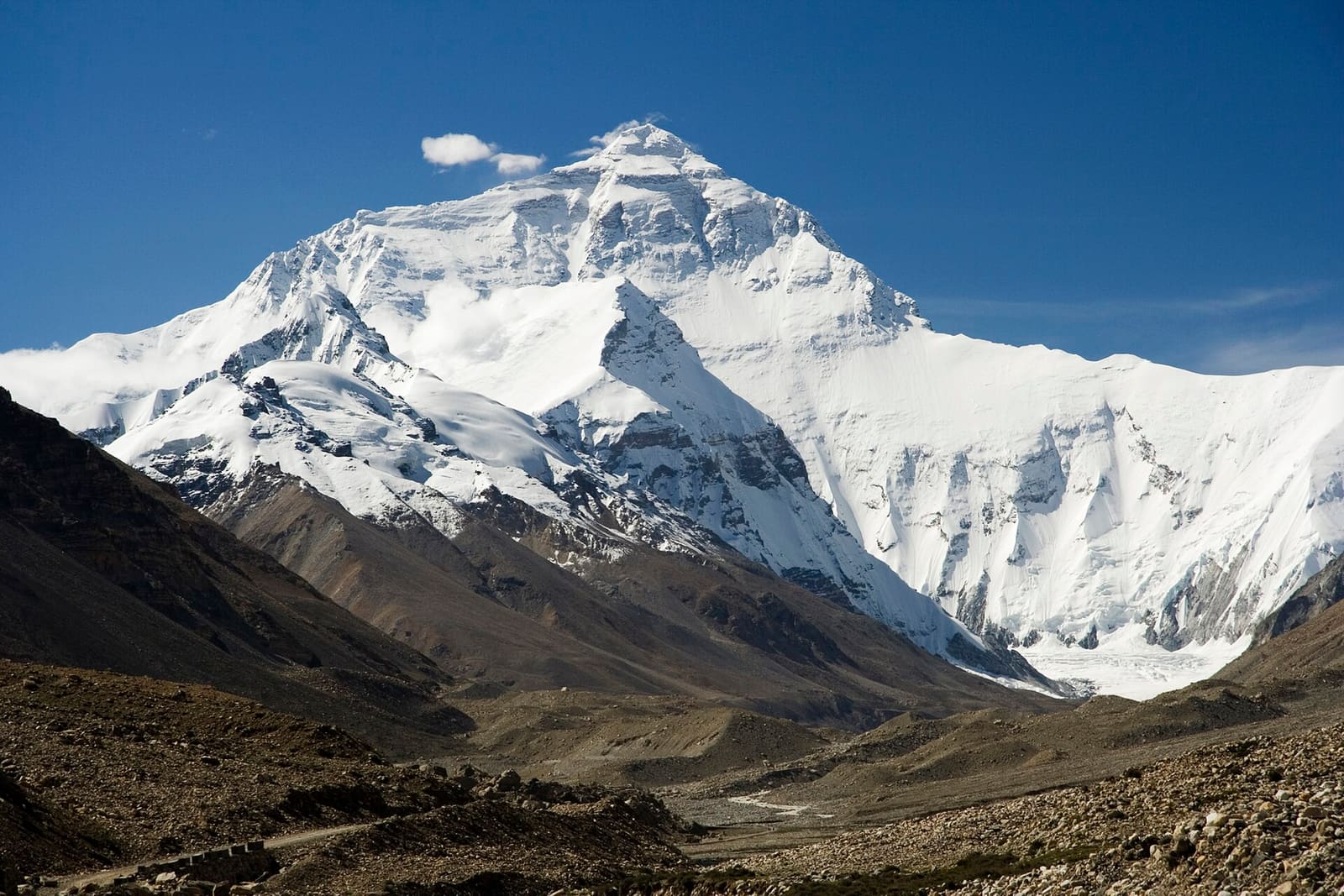
The snow leopard shares its territory with some of the highest-living animals on the planet and with the great Himalayan expeditions. If you ever travel to the region, remember that the chances of seeing one are low, but not zero: in some valleys of Ladakh (India) and Mongolia there are specialised winter trips with local guides.
Sources and references
- Snow Leopard Trust
- IUCN Red List – Panthera uncia
- Global Snow Leopard & Ecosystem Protection Program (GSLEP)
This is original editorial content based on the sources cited. Spotted a mistake? Let us know and we will fix it under our corrections policy.