The Iberian lynx passes 2,400 animals: the story of an exceptional recovery
At the start of the century fewer than a hundred were left. Today the Iberian lynx numbers more than 2,400 and is no longer listed as Endangered on the Red List. This is how it was achieved and what could still go wrong.
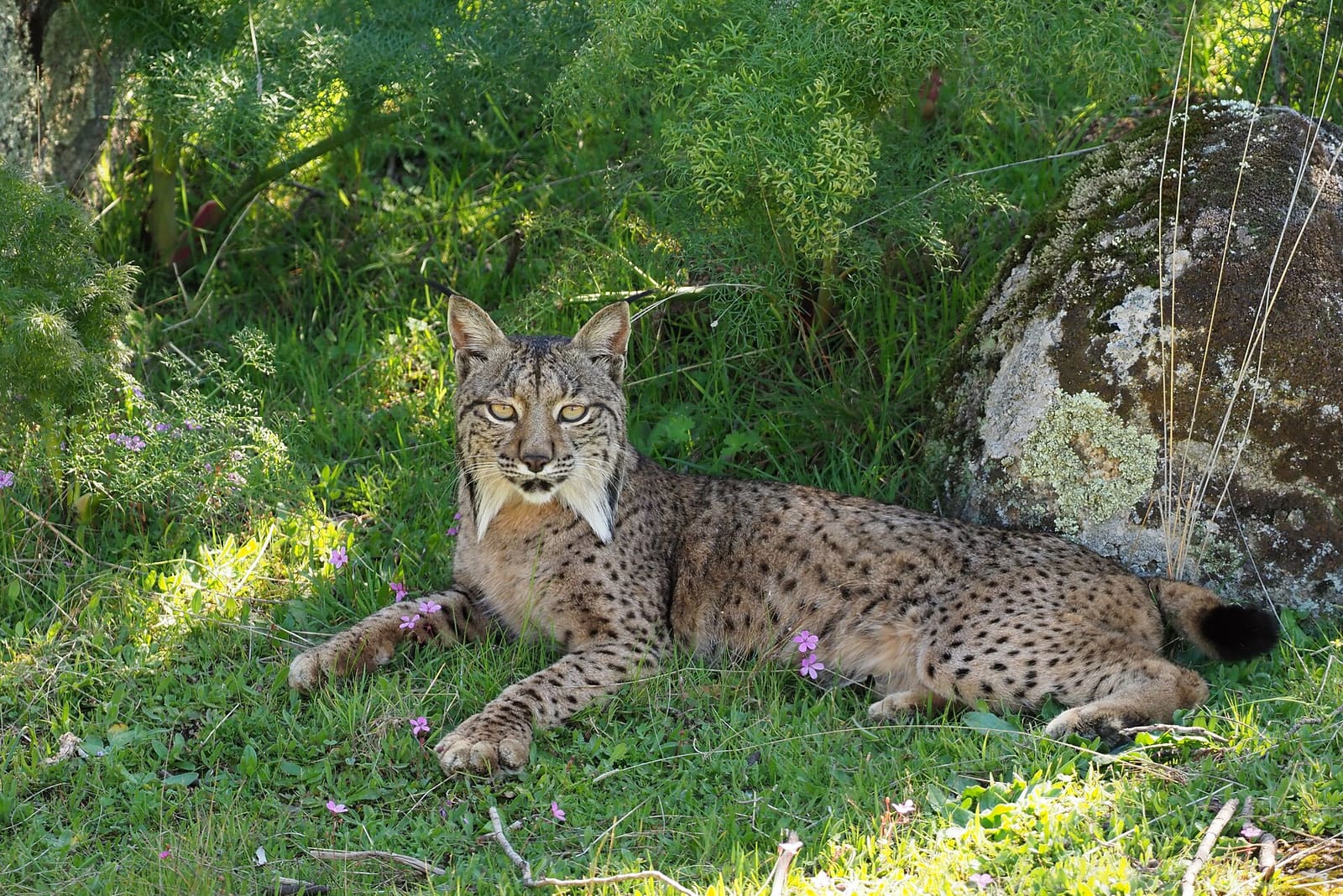
Few species have come so close to disappearing and bounced back so strongly. At the start of this century, the Iberian lynx (Lynx pardinus) survived with fewer than a hundred animals split between two isolated populations: Doñana and eastern Sierra Morena. It was, without exaggeration, the most threatened cat in the world.
The census for 2024 counted more than 2,400 animals across Spain and Portugal. And in June 2024, the International Union for Conservation of Nature (IUCN) downgraded its global status from Endangered to Vulnerable.
How it was achieved
There was no single miracle measure, but two decades of coordinated work:
- Captive breeding. A network of centres in Spain and Portugal has produced hundreds of cubs for reintroduction.
- Reintroductions. New populations were created in areas with suitable habitat: Montes de Toledo, the Matachel Valley, Guarrizas, Vale do Guadiana in Portugal and, more recently, other areas.
- Bringing back the rabbit. The lynx depends almost entirely on the European rabbit, hit hard by diseases such as myxomatosis and rabbit haemorrhagic disease. Boosting rabbit numbers has been as important as protecting the cat itself.
- Agreements with landowners. Much of the lynx’s habitat is on private estates. Agreements with hunters and landowners have been decisive.
- EU funding. Successive LIFE projects have financed much of the strategy.
“Vulnerable” does not mean “safe”
The new category is great news, but it needs to be read carefully. “Vulnerable” is still a threatened category on the Red List. We explain it in detail in how the IUCN Red List works.
The main current risks are:
- Road kills. With more lynxes dispersing further, roads have become one of the main causes of unnatural death.
- Rabbit diseases, which can collapse its food base.
- Genetic isolation between populations if they are not connected by corridors.
- Poaching and poisoning, less frequent than in the past but not eradicated.
- Climate change, which may alter Mediterranean woodland and prey availability.
The goal is no longer just more lynxes, but connected populations that are viable without permanent help.
The next challenge: connecting
Experts agree that the key for the next decade will be connectivity: allowing lynxes from different populations to meet and breed. That means wildlife crossings on roads, habitat corridors and coordinated management between Spanish regions and between Spain and Portugal.
If you live in or travel through lynx country
- Slow down on roads signposted for wildlife crossings, especially at dawn and dusk.
- If you see a lynx that has been hit or injured, call 112 or the wildlife rangers.
- If you are lucky enough to see one, do not approach it or follow it for a photo, and do not share precise breeding locations.
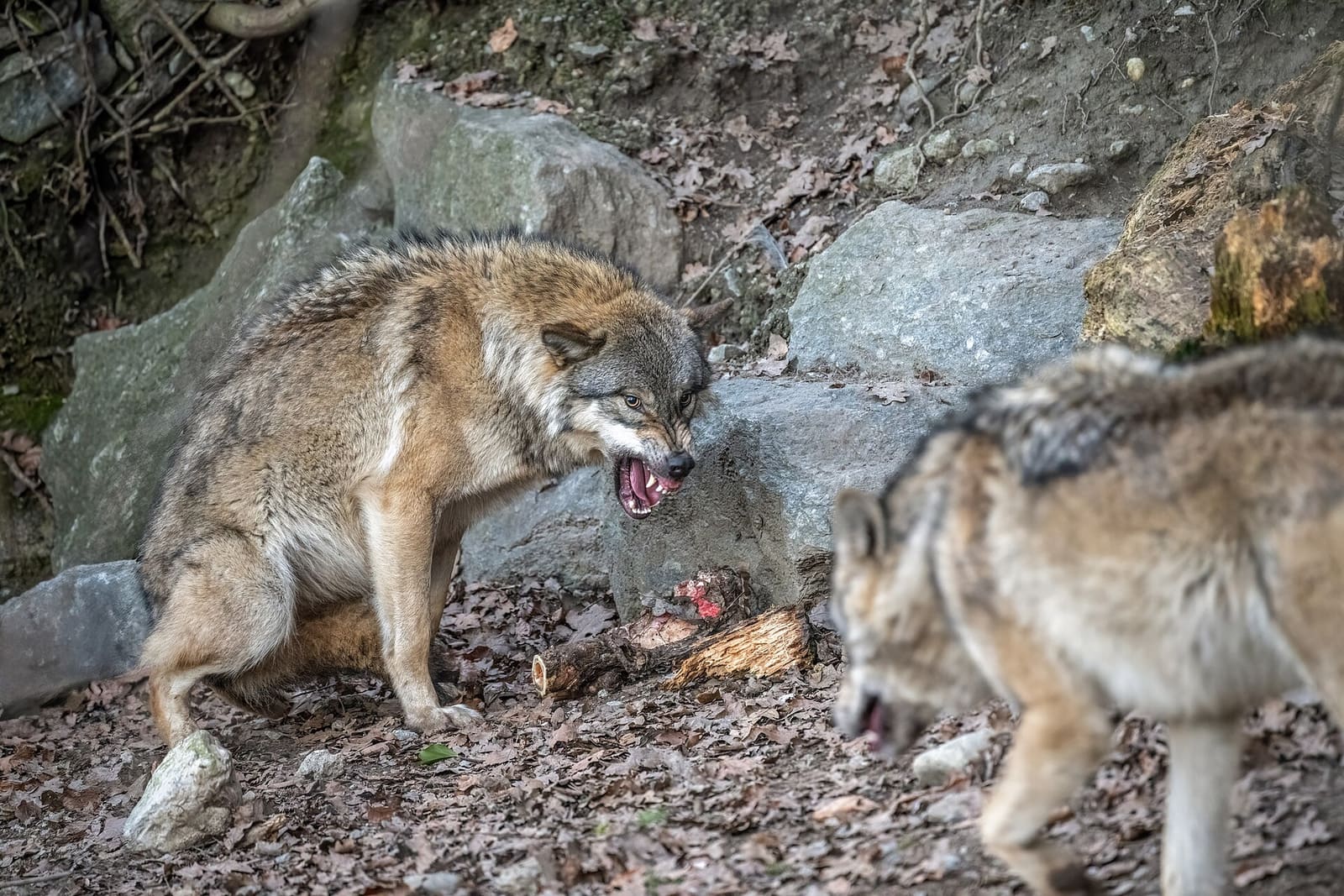
The lynx story shows that conservation works when there is time, money, science and agreement on the ground. It is a valuable precedent for other species, such as the wolf, whose management generates far more conflict today.
Sources and references
- Spanish Ministry for the Ecological Transition (MITECO) – Iberian lynx
- IUCN Red List
- LIFE LynxConnect project
This is original editorial content based on the sources cited. Spotted a mistake? Let us know and we will fix it under our corrections policy.