55 dead sloths in Florida spur a bill to ban sloth imports into the US
Some arrived dead; others died in an unheated warehouse. The Sloth World Orlando scandal has led to the SLOTHS Act, which would ban sloth imports except for science and conservation.
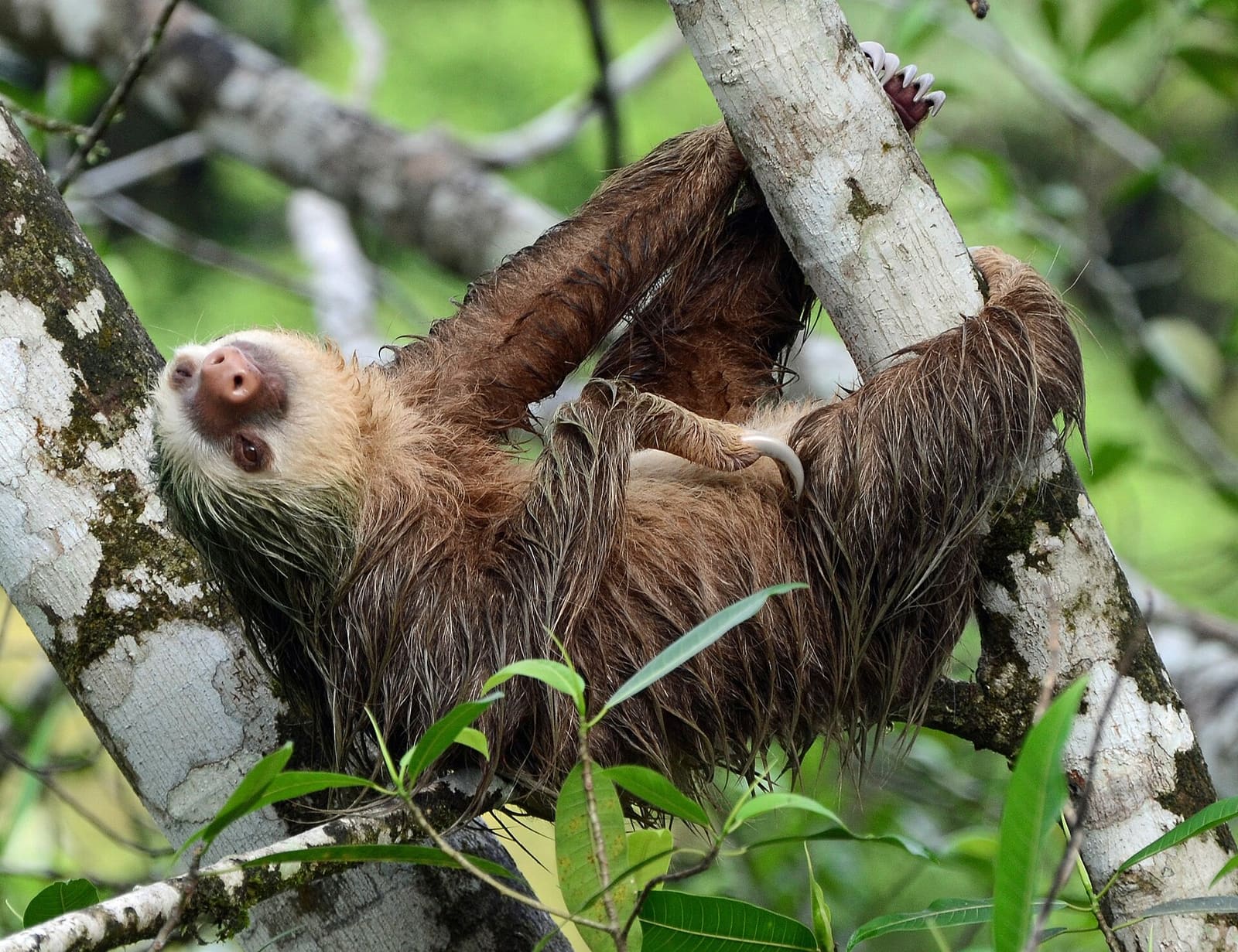
Sloths have become an internet sensation: videos, plush toys and attractions where you can pose for photos with them. But behind the trend is a trade that can be deadly for these animals. The latest case has brought a proposal to the US Congress to ban their import.
What happened in Orlando
Sloth World, an attraction due to open in Orlando, Florida, never did. Before it could, at least 55 sloths died: some arrived dead or died soon after delivery, and others died in a makeshift warehouse without adequate heating. The 13 survivors, all two-toed sloths, were moved to the Central Florida Zoo and Botanical Gardens.
The SLOTHS Act
In response, Representatives Maxwell Frost and Laurel Lee have introduced the SLOTHS Act (Stopping Legalized Organized Trafficking and Harm to Sloths Act). Its main points:
- Ban sloth imports into the United States.
- Exceptions: dead sloths imported for scientific research, and transfers of sloths already in captivity to accredited zoos with conservation programmes.
- Penalties for violations.
“Sloths do not need us to hold them, pose with them, or bring them into our homes to appreciate how remarkable they are,” wrote Danielle Kessler, US director of IFAW, which backs the bill and helps fund the survivors’ care.
Why sloths suffer so much in captivity
Sloths have a very slow metabolism and a low, variable body temperature: they rely on ambient warmth to digest the leaves they eat. That makes them highly vulnerable to cold, to the stress of transport and to poor diets. Many sold as pets or for attractions are taken from the wild.
What you can do
If you travel to Central or South America, avoid attractions where you touch or pose with wild animals, and choose accredited sanctuaries that don’t allow contact. Protecting a species starts with not feeding its trade.
To understand how extinction risk is measured, read how the IUCN Red List works.
Sources and references
This is original editorial content based on the sources cited. Spotted a mistake? Let us know and we will fix it under our corrections policy.